
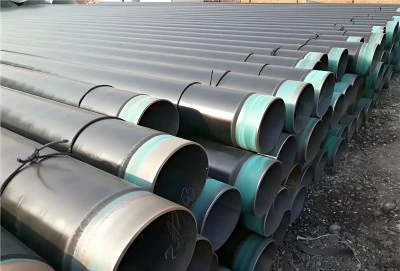
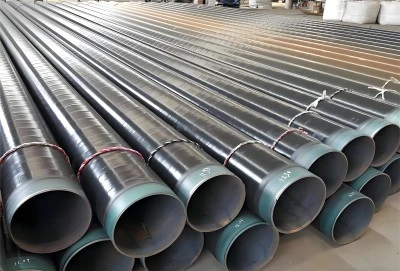
In order to get the most out of pipeline protection systems, it's crucial to know how 3PE coating steel pipe, FBE, and PE3 technologies vary structurally. P3 offers enhanced three-layer polyethylene systems with improved mechanical properties; FBE delivers dependable single-layer fusion-bonded epoxy protection; and 3PE provides superior multilayer protection through its adhesive layer, polyethylene topcoat, and fusion-bonded epoxy primer. These differences have an effect on the resistance to corrosion, the acceptability of the application, and the long-term operating expenses in various industrial settings.
|
|
|
Introduction
Worldwide, industrial infrastructure projects confront the formidable obstacle of pipeline corrosion. Asset lifetime, operational safety, and cost effectiveness are all directly impacted by the selection of suitable steel pipe coatings across diverse industries. If engineering teams and procurement experts are to make educated choices that affect the success of large-scale projects, they must have a firm grasp of coating technologies.
Advanced coating techniques provide dependable barriers against environmental hazards and are therefore crucial to the protection of modern pipelines. The three most popular coating technologies—3PE, FBE, and PE3—each have their place in the market and are well-suited to certain uses. Many industries rely on these coating solutions, including those that transport oil and gas, provide water, build bridges, and establish offshore platforms.
Understanding the structural compositions, performance characteristics, and application appropriateness of each coating option is crucial for making a difficult choice. In order to ensure that coating selection is in line with project specifications, environmental circumstances, and operational needs across worldwide markets, procurement teams may benefit greatly from this study.
Understanding the Basics of 3PE, FBE, and PE3 Coatings3PE Coating System Structure
Pipeline protection using the 3PE coating method is state-of-the-art multilayer. An epoxy primer that is fused to the steel substrate forms the first layer, an intermediate adhesive layer checks for appropriate bonding, and a polyethylene topcoat serves as mechanical protection. This method incorporates all three layers. Depending on the needs of the application, the system may usually attain a total thickness of 3.0 to 4.0 millimeters.
The production of 3PE coatings adheres to the rigorous procedures defined by norms like DIN 30670 and ISO 21809-1. Continuous heating of the steel pipe to temperatures between 200 and 250°C, followed by the application of an epoxy primer powder, adhesive layer, and polyethylene topcoat, constitutes the application procedure. By following this procedure, a strong protective barrier is formed with guaranteed great adhesion between layers.
FBE Coating Characteristics
Thermosetting polymer technology is used in fusion-bonded epoxy coatings, which adhere directly to heated steel surfaces. Epoxy powder is electrostatically applied after pipes are preheated to 230–250°C. A continuous protective coating, usually 250-500 micrometers thick, is formed when the powder melts, flows, and cures upon contact with the heated surface.
When it comes to protecting against cathodic disbondment and having outstanding chemical resistance, FBE coatings really shine. The one-layer system satisfies requirements such as AWWA C210 and CSA Z245.20 while providing affordable solutions for a range of pipeline systems. This method works quite well for subterranean pipes in mild climates.
PE3 Coating Technology
Enhanced mechanical protection is achieved via the use of PE3 coating systems, which use modern three-layer polyethylene technology. The structure is composed of an adhesive system, a priming layer, and an outer layer of specially developed polyethylene that is both impact resistant and environmentally durable. In terms of mechanical damage prevention during installation and handling, this setup is second to none.
Consistent layer adhesion and quality control are key components of the PE3 coating production process. The best bonding qualities are achieved by carefully controlling the application temperature, and the better UV resistance and long-term stability are brought about by specific polyethylene formulations. For exposed pipeline portions and difficult environmental conditions, PE3 coatings are very advantageous due to these properties.
Comparing Benefits and Performance of 3PE vs FBE vs PE3 CoatingsCorrosion Resistance Analysis
The results of the performance tests show that various coating technologies are quite different in their ability to prevent corrosion. In accordance with ISO 21809-1 standards, 3PE coatings show remarkable resistance to cathodic disbondment, with values usually falling below 5mm after 28 days of testing. The pipeline will remain intact in the event that the outer layer sustains minimal damage thanks to the layered design's redundant protection.
Standard pull-off tests show bond strengths above 15 MPa, demonstrating that FBE coatings reliably protect against corrosion and have outstanding adhesion characteristics. Thanks to its unique chemical composition, epoxy is impervious to chemicals and keeps its protective qualities intact throughout a broad temperature spectrum. The mechanical protection provided by the multilayer alternatives is superior to that of the single-layer design.
Situations calling for increased mechanical durability and chemical resistance are ideal for PE3 systems. Results from tests conducted in controlled environments reveal that it performs very well when subjected to harsh chemicals, soils, and temperature swings. The unique polyethylene composition is resistant to oxidation and ultraviolet light while keeping its pliability even at low temperatures.
Mechanical Robustness Evaluation
Coatings exhibit different performance characteristics when tested for impact resistance. 3PE coatings are ideal for automated installation processes since they can sustain impact energy between 15 and 25 Joules without harming the steel substrate. The FBE primer keeps the outer layer affixed to the pipe surface, while the polyethylene layer absorbs impact energy.
Despite their chemical resilience, FBE coatings are less resistant to mechanical impacts because of their rigidity. It is important to handle the product with care during transit and installation since standard impact testing indicates that it performs best at 5-10 Joules. Under extreme mechanical stress, the coating might be damaged by the brittle properties of cured epoxy.
By using modern polyethylene formulations specifically engineered to absorb impacts, PE3 systems provide superior mechanical protection. Consistent performance over 20 Joules impact energy is shown in testing, together with strong recovery characteristics. Better mechanical performance means less money spent on installation and more dependability in the long run.
Environmental Resistance and Lifespan
Results from long-term exposure studies show that performance varies depending on the surrounding environment. The polyethylene layer offers great resistance to soil chemicals and moisture infiltration, and the protective qualities of 3PE coatings remain intact for 50 years or more in buried applications. Standard burial settings are shown to cause negligible damage, according to accelerated aging testing.
Coatings made of FBE have extraordinary chemical stability and, when used properly, are expected to last for more than 30 years. The thermosetting property makes it resistant to chemical and temperature cycles, however exposed uses are limited due to UV deterioration in the absence of supplementary protection. The key to continuous long-term performance is proper application together with quality control.
Through the use of specific polymer chemistry developed for extreme environments, PE3 systems provide increased environmental resilience. Studies conducted in real-world settings have shown that this product performs admirably even when subjected to harsh soils, water, and high temperatures. Even when exposed to extreme environments, the protective characteristics of the enhanced formulation are preserved.
Application Areas and Industry SuitabilityOil and Gas Pipeline Applications
Coating selection is crucial for operational success in the demanding oil and gas transportation industry. Because of their exceptional mechanical endurance and corrosion protection, 3PE coating steel pipe systems are the standard for long-distance transmission pipes. Some installations in major projects in Australia and the Middle East have been dependable for more than 40 years, demonstrating exceptional long-term performance.
Coating solutions tailored to offshore applications are necessary due to the specific difficulties encountered. While preserving mechanical integrity during installation, 3PE systems provide vital protection against corrosion caused by saltwater. For underwater pipelines, where access is difficult to maintain and repairs are expensive, the multilayer design provides redundant protection.
Distribution systems and shorter pipeline segments with less severe mechanical protection requirements are good candidates for FBE coatings. For pipeline rehabilitation projects and connections where budget limits impact material selection, FBE is a cost-effective solution. Decades of dependable operation have been shown by several installations in mild settings.
Water Supply System Requirements
There is a need for coating solutions in municipal water systems that can safeguard water quality and prevent corrosion over time. In addition to providing excellent protection against soil corrosion and environmental damage, 3PE coatings fulfill demanding drinking water regulations. The inert polyethylene coating keeps the system clean and sturdy throughout its entire lifespan.
3PE coating technique is very useful for water transmission mains with large diameters. Maintaining water quality requirements is made possible during installation in difficult terrain thanks to the sturdy protection. In tropical climates, where conventional coating methods degrade more quickly, projects in Southeast Asia have shown remarkable performance.
When it comes to industrial water applications, PE3 systems are great for dealing with harsh soil conditions. Soil contamination and hostile groundwater conditions are no match for the increased chemical resistance. The pipework in water treatment facilities and other industrial processes may greatly benefit from PE3 coatings due to these qualities.
Infrastructure and Construction Projects
Systems for coating bridge and building structures must be able to endure mechanical stress and exposure to the elements. Protecting exposed structural steel pipes from environmental conditions with a 3PE coating is a fantastic cosmetic solution. The polyethylene layer protects the structure from the sun's rays and keeps its color consistent over time.
Extreme environmental difficulties need specific protective measures during offshore platform development. Coating systems made of 3PE provide crucial protection against corrosion while preserving mechanical integrity in the face of severe maritime environments. Installations in the North Sea and the Gulf of Mexico have shown dependability in harsh offshore conditions.
Coating systems that provide mechanical protection and are resistant to chemicals are useful in industrial production facilities. Pipelines coated with PE3 are ideal for situations where physical damage or aggressive chemicals might compromise their integrity. Even when faced with obstacles that would normally derail more traditional coating systems, the protective qualities of the specific formulations remain intact.
How to Choose Between 3PE, FBE, and PE3 Coatings?Environmental Factor Assessment
Thoroughly studying the installation site's environment is the first step in selecting a coating. How well and how long a coating lasts is greatly affected by factors including soil chemistry, groundwater conditions, and temperature fluctuations. Soils with high chloride concentrations or acidic conditions are particularly aggressive and need systems with greater protection, such as 3PE or PE3.
When deciding on a coating, climate is an important factor to consider. Coatings that can keep their protective characteristics throughout a broad temperature range are essential in areas with extreme temperatures. In the Arctic, coatings must be able to maintain their flexibility even when temperatures drop below freezing, while in deserts, systems must be able to resist ultraviolet light so that they do not degrade.
The needs for mechanical protection are affected by geological stability and seismic activity. Flexible coating methods allow pipes to move without harm, which is especially useful in areas where ground movement is common. To provide continuous protection under changing circumstances, the selection procedure should strike a compromise between mechanical flexibility and long-term adhesion qualities.
Project-Specific Requirements Analysis
Operating characteristics of the pipeline have a direct bearing on the parameters for coating selection. Coatings must be able to resist stress concentrations around flaws in high-pressure systems without sacrificing their protective characteristics. A coating's thermal expansion compatibility and fatigue resistance must be top-notch in order to withstand temperature cycling caused by operational fluctuations.
Coating selection is impacted by installation approach in relation to mechanical protection needs. Installations of directional drills need increased mechanical protection to endure pulling pressures and harsh soil contact. If mechanical protection is not a major concern, open-cut installations could be a better financial choice.
Priorities in coating selection and lifespan cost estimation are impacted by the ease of maintenance. Premium coating methods reduce maintenance needs over long service periods, which is great for remote installations. Different cost-benefit analyses, preferring early cost optimization above maximal lifetime, may be justified for urban installations with greater access.
Supplier Evaluation Criteria
There is no better way to gauge a supplier's competence and the dependability of their products than with quality certificates. Consistent product quality and process control are shown by suppliers maintaining ISO 9001 quality management systems. Extra certificates showing conformity with industry standards include API 5L and applicable coating requirements.
For large-scale installations in particular, manufacturing capacity and delivery capabilities have a substantial influence on project performance. Suppliers need to show they can keep quality standards high and project timelines on track. Production capability, quality control systems, and logistical capacities for worldwide project delivery should all be evaluated.
In complicated project settings, dependable suppliers stand out due to their technical assistance and after-sale service skills. Beyond just supplying products, there is great benefit in having thorough technical documentation, application support, and issue resolution skills. These services are especially helpful for global initiatives that don't have a lot of local knowledge.
Common Challenges and Defects in Coating Applications and How to Avoid ThemQuality Control and Inspection Protocols
Having thorough quality control mechanisms in place throughout both the manufacturing and application processes is essential for preventing coating problems. Coating application must adhere to particular cleanliness criteria, usually Sa 2.5 per ISO 8501-1, in order to be considered surface prepared. Lack of proper surface preparation leads to a coating that fails too soon due to inadequate adherence.
Coating quality and function are greatly affected by temperature management during application. Accurate temperature control is essential for the multilayer application of 3PE coating steel pipe in order to guarantee appropriate layer bonding. In order to keep the application settings ideal, monitoring devices need to record the temperatures of the coating material, the steel, and the environmental conditions.
Visual inspection, thickness measurement, and adhesion testing in accordance with applicable standards should all be part of the inspection routine. In order to find coating discontinuities that can affect corrosion protection, holiday detection testing is used. All links in the supply chain may benefit from quality assurance and traceability made possible by meticulously documenting inspection findings.
Installation Best Practices
Mechanical damage may affect the integrity of a coating; proper care during shipping and installation can avoid this. Proper spreader bars and cushioning should be used in lifting methods to disperse loads and prevent stress from being concentrated on coated surfaces. Until installation, be care to store items in a way that prevents them from being exposed to UV light and mechanical harm.
The characteristics and constraints of the coating must be considered throughout the installation process. Coating pliability and stress distribution must be considered during bending processes to avoid disbondment and cracking. Proper heat management and field coating repair processes are essential for welding operations to ensure the integrity of the system.
Coating performance and installation success are affected by environmental factors that are present throughout the installation process. In order to avoid damaging coatings caused by heat stress, certain handling and installation temperatures are restricted. Ensuring adequate curing of repair materials provided during installation and preventing adhesion difficulties are both achieved via moisture management.
Maintenance and Repair Strategies
Coating faults may be detected early on, allowing for cost-effective repairs before major corrosion occurs. Visual inspection, electrical surveys, and intelligent pig examinations should all be part of the inspection routine to detect coating deterioration and degradation. Predictive maintenance and lifecycle planning are made possible by the data collected via systematic monitoring.
While working with preexisting systems, repair techniques must restore coating protection levels to their previous specifications. Reliable adhesion and performance from field repair materials are achieved via the use of appropriate surface preparation and application procedures. Consistent protection across the pipeline system is ensured by quality control during repairs.
A key component of any effective lifecycle management strategy is the routine comparison of the coating's current state and performance to deterioration prediction models. Timely maintenance, thorough repairs, and replacement planning may all be aided by this study. Maintenance techniques and financial planning may be optimized with proper documentation.
Longma Group's Expertise in 3PE Coated Steel PipesManufacturing Excellence and Quality Standards
In 2003, Longma Group began producing 3PE coated steel pipes, and since then, they have been consistently excellent suppliers to markets all over the world. Our state-of-the-art factories have an annual production capacity of more than 1,000,000 tons and cover an area of 230,000 square meters. Adherence to international standards and thorough certification procedures demonstrate the company's dedication to quality.
The API 5L, ASTM A53, EN10210, and AS/NZS 1163 base pipe requirements are only a few of the stringent international standards that our 3PE coating steel pipe meets. A number of well-known industrial standards, including DIN 30670, ISO21809-1, and AWWA C210, have been met by the coating systems. Our goods are designed to suit a wide range of project requirements in many worldwide markets, thanks to our meticulous compliance process.
The company's overall quality management system is ISO 9001 certified, and it also has specialist certifications like API 5L and a thorough system for managing health, safety, and the environment. These certifications show that we are dedicated to providing dependable performance in demanding applications all across the globe with consistent quality.
Product Specifications and Customization
With wall thickness choices ranging from 6.02 mm to 50.8 mm and outer diameters ranging from 60.3 mm to 1,422 mm, our 3PE coating steel pipe line is designed to meet a wide variety of project needs. Applications spanning from distribution systems to large-diameter transmission pipes are well served by this vast size range. We may tailor our standards to match the exact needs of your project.
Coating methods that use three-layer technology—an adhesive layer, a polyethylene topcoat, and a fusion-bonded epoxy primer—offer greater protection. It is possible to modify the performance attributes and thickness standards to meet the needs of a particular operating environment. All aspects of production are subject to quality control to guarantee constant coating characteristics and dependable long-term performance.
Starting with high-quality raw materials sourced from respected local steel mills like Shagang, TISCO, and Bao Steel guarantees a consistent end product. Ensuring product integrity is a top priority throughout manufacture, which is why advanced heat treatment processes and sophisticated inspection equipment are used. Customers can have faith in a product's quality when they can follow its journey from raw ingredients to a completed good.
Global Service and Support Capabilities
Beyond only making products, we also provide full-service project support services with a focus on the client. By consulting with engineers, clients are able to better optimize coating choices for their unique applications and environmental circumstances. All necessary preparations for inspections and tests, as well as production processes and material certifications, are part of the technical paperwork for a project.
For comprehensive pipeline solutions, our fabrication services provide welding, perforating, expanding, and end treatment options in addition to our coating capabilities. We provide a range of anti-corrosion services to meet the different needs of your projects. Our options include hot-dip galvanizing and alternative coating techniques. Streamlined procurement and guaranteed system compatibility are achieved via these integrated services.
Flexible packaging choices, including as bundling, wooden boxes, and wooden pallets, are supported by global logistical capabilities, allowing for efficient delivery to project locations globally. We have a deep awareness of local standards and regulatory compliance thanks to our broad worldwide expertise spanning more than 90 countries. At every stage of a project's lifespan, prompt communication and issue resolution are guaranteed by dedicated customer support.
Conclusion
The selection between PE3, FBE, and 3PE coating steel pipe systems requires careful consideration of project-specific requirements, environmental conditions, and long-term performance objectives. Each technology offers distinct advantages: 3PE systems provide superior multilayer protection for demanding applications, FBE coatings offer cost-effective solutions for moderate environments, and PE3 systems deliver enhanced mechanical protection for challenging conditions. Successful procurement decisions balance initial costs against lifecycle value while ensuring compliance with relevant industry standards and operational requirements. Understanding these distinctions enables informed decision-making that optimizes pipeline protection and project success across diverse global applications.
Partner with Longma Group for Superior 3PE Coating Steel Pipe Solutions
Transform your pipeline projects with Longma Group's premium 3PE coating steel pipe solutions engineered for exceptional performance and longevity. As a trusted 3PE coating steel pipe manufacturer with two decades of industry excellence, we deliver comprehensive protection systems that meet the most demanding project requirements. Our global expertise spans major installations across the Middle East, Australia, and Southeast Asia, providing proven reliability for your infrastructure investments. Contact our engineering team at info@longma-group.com to discuss your specific requirements and discover how our advanced coating technologies can optimize your project outcomes.
FAQWhat are the main structural differences between 3PE and FBE coatings?
3PE coatings utilize a three-layer structure combining fusion-bonded epoxy primer, adhesive layer, and polyethylene topcoat, while FBE coatings consist of a single fusion-bonded epoxy layer. The multilayer 3PE system provides enhanced mechanical protection and corrosion resistance, making it suitable for more demanding applications, whereas FBE offers cost-effective protection for moderate environmental conditions.
How do environmental conditions affect coating selection?
Environmental factors significantly influence coating performance and selection criteria. Aggressive soils, extreme temperatures, and chemical exposure require enhanced protection typically provided by 3PE or PE3 systems. Moderate conditions may accommodate FBE coatings effectively, while marine environments and UV exposure favor systems with robust outer layers like 3PE coatings.
What is the expected lifespan of different coating systems?
3PE coating systems typically provide 50+ years of protection in buried applications, FBE coatings offer 30+ years in appropriate environments, and PE3 systems deliver comparable longevity with enhanced performance in aggressive conditions. Actual lifespan depends on environmental conditions, installation quality, and maintenance practices throughout the pipeline lifecycle.
How do installation requirements differ between coating types?
3PE and PE3 coatings require careful handling to prevent mechanical damage to outer layers but offer superior protection against installation stresses. FBE coatings, being more brittle, require gentler handling but accommodate standard installation procedures effectively. All systems benefit from proper temperature management and protection from UV exposure during installation.
What quality standards should procurement teams specify?
Procurement specifications should reference relevant international standards such as ISO 21809-1 for 3PE systems, AWWA C210 for FBE coatings, and manufacturer-specific standards for PE3 systems. Additional requirements should include surface preparation standards, application procedures, and inspection protocols to ensure consistent quality and performance.