
It is important to note that rolled and welded steel pipes are much better than standard seamless pipes when it comes to industrial uses. These welded options are very cost-effective and keep the structural stability in a wide range of situations. Because rolled and welded pipes are easier to make, they can be used in shorter production processes, waste less material, and be customized more easily. This means that engineers who are in charge of big projects in oil and gas transportation, water systems, and structure uses will be able to save a lot of money on purchases.
|
|
|
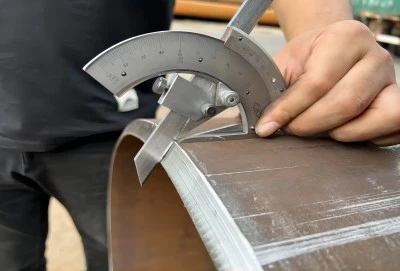
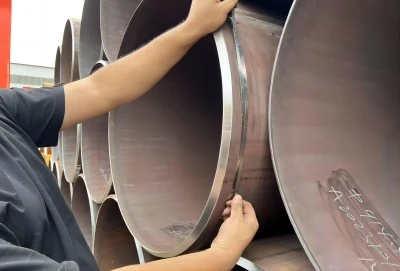
Understanding Steel Pipe Types: Rolled, Welded, and Seamless
Steel pipe picking is a key part of many successful industrial projects, and it requires a deep understanding of how pipes are made and how they work. There are three main types of pipes: rolled, welded, and seamless. Each is made using a different method, which affects how well it works in certain situations.
Manufacturing Processes and Technical Specifications
Rolled and welded steel pipes start out as flat steel plates that are carefully shaped with rolling machines. Through controlled compression, the steel plate changes into a cylinder shape, which makes the wall thickness the same along the length of the pipe. The seam is then joined using advanced methods like electric resistance welding (ERW) or longitudinal submerged arc welding (LSAW), which are chosen based on the width and the needs of the application.
There are different ways to join welded pipes, and each one works best for a certain range of diameters and pressure needs. ERW pipes can usually handle smaller sizes up to 24 inches, while LSAW technology can handle bigger diameters up to 72 inches. The bonding area is heated to get the same metallurgical qualities as the base material. This makes sure that the strength is the same everywhere.
To make seamless pipes, solid steel billets must be pierced at high temperatures using rotating piercing or extrusion to make hollow tubes. Weld seams are not needed at all with this method, but it needs special tools and uses more energy, which makes production more expensive and takes longer.
Quality Standards and Compliance Framework
Today, strict international standards like API 5L, ASTM A53, ASTM A500, and ASTM A252 are used to make welded pipes. These specs spell out the chemical make-up, mechanical qualities, and testing requirements that make sure the product works reliably in a range of circumstances. As part of quality control, non-destructive testing, hydrostatic pressure testing, and measurement proof are used to make sure that the product meets the needs of the project.
Advantages of Rolled and Welded Steel Pipes Compared to Seamless Pipes
Pipe choices are often based on cost, especially in big building projects where the cost of materials has a big effect on the total budget. Rolled and welded steel pipe options offer big savings on costs without lowering performance standards.
Cost-Effectiveness and Manufacturing Efficiency
The costs of making rolled and welded steel pipes are still much cheaper than those made of smooth materials because the production process is simpler and less energy is used. Compared to billet piercing methods used in continuous production, plate-to-pipe change needs less work on the raw materials. This efficiency means that, based on the width and wall thickness, 15 to 30 percent of the material is saved.
Lead times for making welded pipes are usually between 7 and 21 days, while lead times for making seamless pipes are between 30 and 45 days. This advantage in terms of time is very important for projects with tight building plans or urgent replacement needs. Having the ability to keep 50–150 tons of goods on hand lets you respond quickly to urgent buying needs.
Enhanced Availability and Size Flexibility
When making rolled and welded steel pipes, you can use a wider range of sizes, from 1/2-inch to 72-inch outer widths, and wall thicknesses from SCH10 to SCH160. This gives engineers the freedom to choose the best pipe sizes without having to settle for less-than-ideal options that could hurt system performance or make installation more difficult.
Custom lengths can be easily accommodated in the making process, which gets rid of the need for field welding and cuts down on installation time. Special end preparations, finishes, and testing needs are all easily integrated into production processes, giving complete solutions that are tailored to the needs of each application.
Quality Assurance and Inspection Advantages
With today's welding technology, joints can have mechanical properties that are the same as or better than the properties of the base material. With automated welding, the amount of heat applied and the depth of entry stay the same, so the quality of the weld is the same throughout the production run. Non-destructive testing methods, such as ultrasound inspection, radiographic examination, and magnetic particle testing, can more accurately check the soundness of a weld than can be done by hand.
When compared to the complicated metal structures that are sometimes found in seamless pipes, the linear weld gap makes inspections easier. This makes it easier to check the quality thoroughly and lowers the chance that flaws will go unnoticed, which could weaken the system's trustworthiness.
Application-Based Benefits for B2B Clients
In many different industrial fields, rolled and welded steel pipes are useful because of their unique properties and performance traits. When procurement workers know about these benefits, they can make choices that are in line with project needs and business goals.
Oil and Gas Transportation Systems
For transportation purposes, pipeline projects in the Middle East, Australia, and Southeast Asia are asking for welded lines more and more. Welded lines work reliably at high pressures because the wall thickness stays the same and the chemistry is managed. The API 5L PSL2 standards include stricter requirements for toughness that help keep things safe in tough conditions.
Large-diameter welded lines work great for building remote platforms, where weight affects the cost of installation. Welded pipes often have a better strength-to-weight ratio than smooth pipes, which lowers the amount of weight that needs to be supported and makes designing the base easier. Coatings that prevent corrosion, like 3LPE and FBE, stick well to welded pipe surfaces and protect them for a long time in marine settings.
Water Supply and Infrastructure Projects
Rolled and welded steel pipe making is good for municipal water systems because it makes it possible to get accurate measurements and a smooth surface. Compared to some types of seamless pipe, the smooth interior surfaces lower friction losses and the amount of energy needed for pumping. Compliance with ASTM A252 means that the pile can be used in bridge and building construction projects.
Fabrication services like welding, perforating, and extending make it possible to make changes that meet the needs of each installation. These changes work perfectly with the production of welded pipes, making the job simpler and getting rid of the need for extra processing.
Structural Engineering Applications
Welded pipes are used in building and bridge construction for both structural and decorative purposes. The uniform dimensional tolerances make it easier to get a perfect fit during building, which cuts down on the time and money needed for construction. The ASTM A500 structural tube standards give checked mechanical qualities that help with engineering calculations and meeting code requirements.
Procurement Considerations for Rolled and Welded Steel Pipes
Strategic methods to buying things make the most of the benefits of welding pipes while also making sure that the supply chain works reliably. Understanding the important factors that go into buying something helps you evaluate vendors and lower your risks.
Supplier Qualification and Certification Requirements
Choosing makers with a wide range of certifications guarantees both product quality and compliance with regulations. API 5L, ISO 9001 quality management methods, and environmental management standards are all important certifications. Factory production control certificates show that the manufacturing process is consistent and that the final specs stay the same from one production run to the next.
Getting raw materials from trustworthy rolled and welded steel pipe companies, including sources in the United States, makes sure that the metal is consistent and can be tracked. Advanced heat treatment methods and high-tech testing tools find any possible flaws in the product before it is shipped, which cuts down on installation delays and quality problems in the field.
Logistics and Inventory Management
Over 90 countries can be reached through global distribution, giving foreign projects safe access to the supply chain. Minimum order amounts and shipping options help keep shipping costs low while keeping inventory investment levels reasonable. Fast delivery choices with lead times of 7 days or more help with urgent buying needs and project schedule acceleration.
A lot of paperwork, like Material Test Certificates (MTC), Manufacturing Procedure Specifications (MPS), and Inspection Test Plans (ITP), makes it easier to get projects approved and make sure they follow the rules. These papers are especially helpful for engineering companies who have to handle complicated approval processes.
Cost Analysis and Budget Planning
The benefits of buying in bulk include lower costs per unit and more secure supplies for projects that take longer to finish. Pricing systems that are based on estimates of feet-squared allow for accurate budgeting and handling of change orders. Welded pipes have predictable costs, which helps value engineering efforts that make the total job more cost-effective.
Custom order options let you meet the needs of a particular job without having to pay the higher prices that come with specialty seamless products. This gives engineers the freedom to come up with the best solutions without having to make compromises based on limited funds, which could hurt long-term performance.
Making an Informed Decision: Rolled and Welded Pipes vs Seamless Pipes
The best pipe selection choices are based on a thorough analysis of technical needs, economic factors, and project limitations. Procurement pros can match performance needs with budget limits by understanding the trade-offs between different pipe types.
Performance Comparison and Standards Compliance
Comparing their structural stability shows that current welded pipes work as well as or better than seamless pipes in most situations. For welded and seamless pipes of the same grade, European and American industry standards give the same design factors and allowed pressures. Welded pipes often have more consistent mechanical qualities than seamless pipes because the industrial setting is more controlled.
Long-term cost analysis needs to look at both the original costs of buying things and the upkeep needs over the course of their life. Welded pipes often last longer than smooth pipes because they can be coated with better corrosion-resistant materials. This is especially true in harsh settings. This edge in longevity makes up for higher costs at the start for seamless pipes over longer project lifespans.
Risk Assessment and Quality Assurance
Welded pipes have few performance risks because they are made using tried-and-true methods and have strict quality control measures in place. Automated systems that can check the whole length of a weld give better quality assurance than the statistical sampling methods that are sometimes used to check seamless pipes. This ability to do a full check lowers the chance of failures in the field, which can cause project delays.
It is easier to rely on the supply chain when there are more manufacturers of welded pipes than when there are only a few manufacturers of seamless pipes. This competition keeps prices low and lowers the chance of supply problems during times of high demand or limited production.
Conclusion
Because they have so many great benefits, rolled and welded steel pipes are the best choice for most commercial uses that need stable performance and efficient procurement. Manufacturing speed, the ability to change sizes, and uniform quality all work together to make this product a better deal than seamless options. Qualified makers like Longma Group offer a wide range of sizes, fast shipping, and a wide range of certifications to make sure that project needs are met in the best way possible. As the world's building needs keep growing, welded pipe technology is the key to completing projects successfully in a wide range of settings and uses.
Partner with Longma Group for Superior Welded Steel Pipe Solutions
Over the past twenty years, Longma Group has been a leading supplier of rolled and welded steel pipes, known for their high quality and dependability. Our wide range of products, with sizes from 1/2" to 72" and wall thicknesses from SCH10 to SCH160, meets the needs of a wide range of projects around the world. With a yearly production of more than 1 million tons and an inventory of 50 to 150 tons, we can quickly meet pressing purchasing needs, and delivery times start at just 7 days.
Our API 5L, ASTM A53, ASTM A500, and ASTM A252 certified goods go through strict quality control steps and come with full testing documents and ISO 9001 certification. Email our technical team at info@longma-group.com to talk about your unique needs and find out how our welded steel pipe options can help your project succeed.
FAQ
①What criteria should influence pipe selection between welded and seamless options?The main selection factors are application pressure requirements, price constraints, delivery timelines, and size requirements. Welded pipes work best in situations with a working pressure of less than 1,500 PSI, while smooth pipes may be needed for services with very high pressures. Welded pipes are usually 15–30% cheaper than seamless pipes, and they can be delivered faster by two to three weeks.
②How do quality inspection methods differ for welded steel pipes?
Ultrasonic testing, radiographic examination, and magnetic particle screening are all used to check every weld seam on welded lines. When compared to the statistical sampling methods used for seamless pipes, these automatic processes provide more uniform quality checks. The design of the linear weld makes it possible for a thorough inspection, which guarantees quality control and flaw finding.
③Are rolled and welded pipes suitable for high-pressure environments?
While modern welded pipes that meet API 5L PSL2 standards work just as well in high-pressure situations as seamless pipes of the same grade, they have different design factors. The controlled welding and heat treatment steps make the metallurgical properties fit the properties of the source material. When you choose the right grade and wall thickness, you can be sure that it will work reliably even in tough circumstances.
④What documentation accompanies welded steel pipe shipments?
Material Test Certificates (MTC), Manufacturing Procedure Specifications (MPS), Inspection Test Plans (ITP), and Mill Test Reports (MTR) are all parts of complete paperwork sets. These papers check the chemical make-up, mechanical qualities, size and shape accuracy, and test results needed for project approval and regulatory compliance.








