
When selecting carbon steel pipes for industrial applications, understanding the differences between ASTM A53 Grade B and Grade A becomes crucial. This knowledge is essential for project success. Grade B offers superior mechanical properties. Specifically, it boasts a minimum yield strength of 35,000 psi. In comparison, Grade A offers only 30,000 psi. Consequently, ASTM A53 Gr B pipe is the preferred choice for high-pressure applications. These include oil and gas transportation. They also cover water supply systems. Furthermore, structural projects across the Middle East, Australia, and Southeast Asia rely on it.
|
|
|
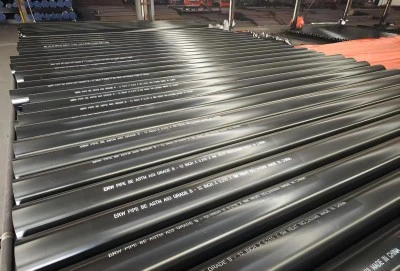
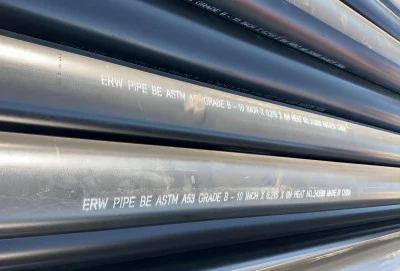
Core Technical Differences Between Grade A and Grade B
The fundamental distinctions between these two grades lie in their mechanical properties. Chemical composition requirements also vary. Understanding these variations helps engineers make informed decisions. This ensures specific project requirements are met.
Three primary differences define these grades:
- Yield Strength Requirements: Grade B delivers 17% higher yield strength.
- Tensile Strength Standards: Enhanced load-bearing capacity in Grade B.
- Chemical Composition Control: Stricter carbon content specifications.
Grade A pipes feature a minimum yield strength of 30,000 psi. Additionally, they have a tensile strength of 48,000 psi. Meanwhile, Grade B specifications demand 35,000 psi yield strength. They also require 60,000 psi tensile strength. This performance gap significantly impacts application suitability. It dictates usage across different industries.
The chemical composition also varies between grades. Grade B maintains tighter control over carbon content. Typically, it ranges from 0.30% maximum. Phosphorus and sulfur content remains limited. They are capped at 0.05% and 0.045% respectively. These controlled compositions enhance weldability. They also improve corrosion resistance properties.
If you need standard-pressure water transportation systems, Grade A provides adequate performance. However, if you require high-pressure oil and gas pipelines, choose differently. For structural applications requiring reliability, ASTM A53 Gr B pipe delivers superior safety margins.
Mechanical Properties Analysis with Test Data
Real-world testing demonstrates substantial performance differences between these grades. Laboratory results from accredited testing facilities reveal consistent patterns. These patterns appear across various pipe dimensions. They also show in different wall thickness configurations.
Grade A Test Results:
- Yield Strength: 32,500-38,000 psi (typical range).
- Tensile Strength: 50,000-55,000 psi.
- Elongation: 23-25% (2-inch gauge length).
Grade B Test Results:
- Yield Strength: 37,000-42,000 psi (typical range).
- Tensile Strength: 62,000-68,000 psi.
- Elongation: 21-23% (2-inch gauge length).
Impact testing at 32°F shows significant differences. Grade B specimens consistently achieve 15-20 ft-lbs Charpy V-notch values. In contrast, Grade A typically reaches 12-16 ft-lbs. This enhanced toughness proves critical. It is essential for low-temperature applications common in offshore platform construction.
Hardness measurements provide further insight. Using the Brinell scale, ASTM A53 Gr B pipe achieves 137-179 HB. This compares to Grade A's 126-162 HB range. The increased hardness contributes to better wear resistance. This is vital in abrasive service conditions.
If you need pipes for extreme temperature environments, Grade B provides superior impact resistance. Conversely, if you require maximum ductility for complex forming operations, Grade A offers enhanced workability.
Application-Specific Performance Comparison
Different industries demand varying performance characteristics from carbon steel piping systems. Understanding how each grade performs across specific applications guides optimal selection decisions.
Oil and Gas Transportation
Grade B dominates this sector due to pressure requirements. Pipeline systems typically operate at 600-1,440 psi working pressures. These systems benefit from Grade B's enhanced strength properties. The material's superior yield strength provides necessary safety factors. This is crucial for hydrocarbon transportation.
Water Supply Systems
Municipal water distribution typically operates at 150-250 psi. Therefore, Grade A is sufficient for most applications. However, high-rise building supply systems differ. Industrial process water lines also have unique needs. These projects often specify ASTM A53 Gr B pipe for additional safety margins.
Structural Applications
Bridge construction increasingly specifies Grade B. Building frameworks also favor it for load-bearing members. The enhanced tensile strength supports greater span lengths. Consequently, it reduces material requirements.
Industrial Manufacturing
Process piping in chemical plants demands robustness. Refineries also require high performance. Grade B's superior corrosion resistance is a key asset. Its pressure handling capabilities are also vital. The controlled chemistry improves performance in aggressive environments.
If you need cost-effective solutions for low-pressure applications, Grade A delivers adequate performance. Meanwhile, if you require maximum safety factors and pressure ratings, Grade B represents the optimal choice.
Cost-Benefit Analysis for Project Planning
Economic considerations significantly influence material selection decisions. Analyzing total project costs is essential. This includes material, installation, and lifecycle expenses. Such analysis provides comprehensive evaluation criteria.
Initial Material Costs
Grade B typically costs 8-15% more than Grade A. This price difference stems from enhanced manufacturing requirements. Stricter quality control measures also contribute. However, this premium often translates into substantial long-term value. Extended service life makes it worthwhile. Reduced maintenance requirements also add value.
Installation Considerations
Both grades feature identical welding procedures. Connection methods remain the same. Therefore, installation costs remain comparable. This eliminates economic penalties for selecting higher-grade materials.
Lifecycle Value
ASTM A53 Gr B pipe offers superior corrosion resistance. Its mechanical properties extend service life by 15-25%. This benefit applies particularly in aggressive environments. Reduced replacement frequency generates savings. Longer maintenance intervals also contribute to substantial cost savings over project lifecycles.
Insurance and Safety Factors
Many insurance providers offer premium reductions. They reward projects utilizing higher-grade materials. These materials must meet enhanced safety standards. Grade B specifications often qualify for these beneficial rates.
If you need immediate cost minimization for short-term projects, Grade A provides budget-friendly solutions. However, if you require maximum return on investment over extended periods, Grade B delivers superior lifecycle value.
Manufacturing Standards and Quality Control
Production processes for both grades follow identical ASTM A53 manufacturing standards. However, they implement different quality control parameters. Understanding these processes ensures proper material specification. It also clarifies acceptance criteria.
Manufacturing Methods
Both grades utilize electric resistance welding (ERW). Alternatively, they use seamless production techniques. ERW pipes undergo high-frequency induction welding. This is followed by controlled cooling cycles. Seamless pipes feature hot-rolling processes. These processes maintain precise temperature control throughout manufacturing.
Quality Control Measures
Grade B requires enhanced testing protocols including:
- 100% ultrasonic weld inspection.
- Expanded mechanical property verification.
- Enhanced chemical analysis sampling.
- Additional dimensional tolerance verification.
Heat Treatment Requirements
Stress relieving becomes mandatory for Grade B pipes in certain applications. This is particularly true for pressure vessel service. Structural applications also require it. This process eliminates residual stresses. It optimizes mechanical properties.
Documentation Standards
Both grades require comprehensive material test certificates (MTC). These documents verify chemical composition. They confirm mechanical properties. Dimensional compliance is also recorded. Grade B specifications often demand additional certification. Third-party inspection verifies quality further.
If you need standard documentation and testing protocols, Grade A meets basic requirements effectively. Alternatively, if you require enhanced quality assurance and expanded testing verification, Grade B provides comprehensive coverage.
Regional Market Considerations and Availability
Global steel pipe markets demonstrate varying preferences. Availability patterns also differ across geographic regions. Understanding these trends assists with project planning. It helps refine material sourcing strategies.
Middle East Markets
Oil and gas infrastructure projects predominantly specify ASTM A53 Gr B pipe. This preference arises from extreme operating conditions. Safety requirements are also stringent. Regional suppliers maintain extensive inventories. This supports ongoing construction activities effectively.
Australian Applications
Mining drives significant demand. Offshore platform construction also requires Grade B. Projects like MOBIL OIL AUSTRALIA require enhanced material properties. They operate in harsh marine environments. They also face high-pressure applications.
Southeast Asian Trends
Rapid infrastructure development creates substantial demand. Both grades are popular here. Water supply projects typically utilize Grade A. In contrast, industrial manufacturing facilities specify Grade B. They use it for process piping applications.
Supply Chain Factors
Grade B pipes require longer lead times. This is due to enhanced manufacturing requirements. Quality control processes also add time. Grade A materials typically maintain higher inventory levels. They are readily available across global distribution networks.
If you need rapid material delivery for standard applications, Grade A offers superior availability. Conversely, if you require specialized properties and can accommodate extended lead times, Grade B provides optimal performance characteristics.
Longma Group ASTM A53 Gr B Pipe Advantages
Superior Manufacturing Capabilities- Advanced ERW and LSAW production technology.
- 1,000,000+ ton annual capacity.
- State-of-the-art quality control systems ensure consistency.
- Comprehensive heat treatment facilities optimize weld integrity.
- Multi-standard production capability covers API 5L, ASTM, EN, and ISO.
- Raw material sourcing from premium domestic steel mills. These include Shagang and TISCO.
Quality Assurance Excellence
- API 5L certification ensures international standard compliance.
- ISO 9001:2016 quality management system implementation.
- Complete traceability from raw materials through finished product delivery.
- Advanced ultrasonic testing equipment detects microscopic inconsistencies.
- Comprehensive material test certificates document all specifications.
Global Service Network
- Extensive distribution covers 90+ countries worldwide.
- Regional expertise in Middle East, Australian, and Southeast Asian markets.
- Experienced engineering support assists with complex project requirements.
- Flexible manufacturing accommodates custom specifications.
- Urgent deliveries are possible.
- Comprehensive anti-corrosion services include FBE, 2PP, and 3LPE coatings.
Technical Support Services
- Professional engineering consultation ensures optimal grade selection.
- Complete fabrication services include welding, perforating, and end treatments.
- Detailed documentation packages include ITP, MPS, and MTC certificates.
- Rapid response technical team supports project troubleshooting.
- Continuous quality improvement programs incorporate customer feedback.
Competitive Advantages
- 7-day expedited delivery capability for urgent project requirements.
- Substantial inventory levels maintain 200-300 tons of Grade B stock.
- Cost-effective pricing results from integrated manufacturing.
- Supply chain control keeps costs low.
- Customizable length options range from 3-12.5 meters.
- Comprehensive warranty programs protect against manufacturing defects.
Choose Longma Group for Premium ASTM A53 Grade B Solutions
Longma Group stands as China's leading ASTM A53 Gr B pipe supplier. We combine two decades of manufacturing expertise with global service capabilities. Our advanced production facilities deliver superior quality. We produce carbon steel pipes meeting the most demanding project requirements. We serve oil and gas, water supply, and structural applications. Contact our engineering team at info@longma-group.com. Discuss your specific project needs today. Experience our commitment to excellence in steel pipe manufacturing.
Contact Longma
Selecting between ASTM A53 Grade A and Grade B depends on specific project requirements. Pressure ratings matter. Environmental conditions are crucial. Lifecycle expectations play a role. Grade B delivers superior mechanical properties. These justify its premium cost through enhanced safety factors. Extended service life is another major benefit. Grade A provides cost-effective solutions for standard applications. It offers basic performance characteristics. Understanding these distinctions enables informed decision-making. This supports successful project outcomes across diverse engineering applications.