
When it comes to fire protection systems, the choice of piping material is crucial for ensuring safety and reliability. ASTM A795 pipe is a popular option for fire protection systems, but it comes in two different grades: Grade A and Grade B. Understanding the differences between these grades is essential for making informed decisions about which type of pipe to use in various applications. In this comprehensive guide, we'll explore the chemical and mechanical differences between ASTM A795 Grade A and Grade B pipes, compare their pressure resistance, and discuss which grade is more suitable for commercial fire sprinkler systems.
|
|
|
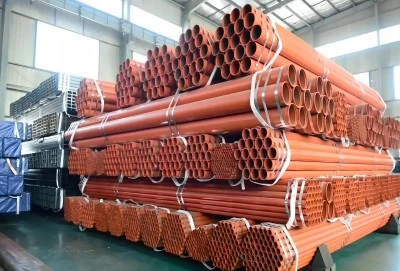
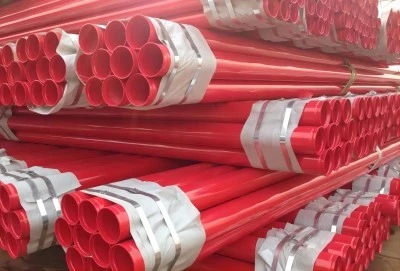
Chemical and Mechanical Differences between ASTM A795 Grade A and Grade B
ASTM A795 pipe is a type of steel pipe specifically designed for fire protection systems. Both Grade A and Grade B pipes are manufactured to meet the requirements set forth by the American Society for Testing and Materials (ASTM). However, there are notable differences in their chemical composition and mechanical properties.
Chemical Composition:
The chemical composition of ASTM A795 Grade A and Grade B pipes differs slightly, which contributes to their distinct mechanical properties. Here's a breakdown of the key chemical elements:
- Carbon (C): Grade A pipes typically contain 0.25% carbon, while Grade B pipes have a slightly lower carbon content of 0.21%.
- Manganese (Mn): Grade A pipes contain 0.95% manganese, whereas Grade B pipes have a higher manganese content of 1.20%.
- Phosphorus (P): Both grades have a maximum phosphorus content of 0.035%.
- Sulfur (S): The maximum sulfur content for both grades is 0.035%.
The differences in carbon and manganese content contribute to the variations in mechanical properties between the two grades.
Mechanical Properties:
The mechanical properties of ASTM A795 Grade A and Grade B pipes are where the most significant differences can be observed:
- Tensile Strength: Grade A pipes have a minimum tensile strength of 48,000 psi (330 MPa), while Grade B pipes have a higher minimum tensile strength of 60,000 psi (415 MPa).
- Yield Strength: The minimum yield strength for Grade A pipes is 30,000 psi (205 MPa), whereas Grade B pipes have a higher minimum yield strength of 35,000 psi (240 MPa).
- Elongation: Both grades have a minimum elongation of 18% in 2 inches (50.8 mm).
These mechanical differences result in Grade B pipes having higher strength and durability compared to Grade A pipes. The higher tensile and yield strengths of Grade B pipes make them more resistant to deformation and failure under stress.
Pressure Resistance Comparison of Grade A and Grade B ASTM A795 Pipes
One of the most critical factors in fire protection systems is the ability of the pipes to withstand high pressures. The pressure resistance of ASTM A795 pipes is directly related to their mechanical properties, particularly their tensile and yield strengths.
Grade B Advantages:
Grade B ASTM A795 pipes generally offer superior pressure resistance compared to Grade A pipes. This is due to their higher tensile and yield strengths. The increased strength allows Grade B pipes to withstand higher internal pressures without deforming or failing. This makes them particularly suitable for high-pressure fire protection systems or applications where additional safety factors are required.
Pressure Ratings:
The actual pressure ratings for ASTM A795 pipes depend on various factors, including the pipe's diameter, wall thickness, and manufacturing process. However, as a general rule:
- Grade A pipes typically have lower pressure ratings compared to Grade B pipes of the same size and wall thickness.
- Grade B pipes can often be used in systems with higher operating pressures or where a greater safety factor is desired.
It's important to note that the specific pressure ratings for ASTM A795 pipes should be obtained from the manufacturer or calculated based on the pipe's dimensions and properties. These ratings must be considered in conjunction with the design requirements of the fire protection system.
Safety Factors:
When designing fire protection systems, engineers often incorporate safety factors to ensure the system's reliability under various conditions. The higher strength of Grade B pipes allows for greater safety factors, which can be particularly beneficial in critical applications or areas prone to high-stress conditions.
Cost Considerations:
While Grade B pipes offer higher pressure resistance, they may come at a slightly higher cost due to their enhanced properties. However, the increased durability and potential for higher safety factors can offset this initial cost difference in many applications.
Suitability of ASTM A795 Grade A and Grade B Pipes for Commercial Fire Sprinkler Systems
When it comes to commercial fire sprinkler systems, both ASTM A795 Grade A and Grade B pipes have their place. However, the choice between the two often depends on specific system requirements, local building codes, and the preferences of fire protection engineers.
Grade B: The Preferred Choice
In many commercial fire sprinkler applications, Grade B ASTM A795 pipes are often the preferred choice. Here's why:
- Higher Strength: The superior tensile and yield strengths of Grade B pipes provide an extra margin of safety in critical applications.
- Increased Pressure Resistance: Grade B pipes can better withstand the high pressures that may occur during fire emergencies or system testing.
- Durability: The enhanced mechanical properties of Grade B pipes can contribute to a longer service life and improved system reliability.
- Code Compliance: Many local building codes and fire protection standards specifically require or recommend Grade B pipes for commercial sprinkler systems.
Applications for Grade A
While Grade B is often preferred, Grade A ASTM A795 pipes still have their place in commercial fire sprinkler systems:
- Lower Pressure Systems: In applications where the system pressures are well within the capabilities of Grade A pipes, they may be a cost-effective option.
- Retrofits and Upgrades: When upgrading older systems that originally used Grade A pipes, it may be more practical to continue using Grade A for compatibility and consistency.
- Budget Constraints: In some cases, the lower cost of Grade A pipes may make them a viable option for projects with tight budget constraints, provided they meet all necessary safety requirements.
Factors to Consider
When selecting between Grade A and Grade B pipes for a commercial fire sprinkler system, several factors should be considered:
- System Design Pressure: Ensure the chosen grade can comfortably handle the maximum expected system pressures with an appropriate safety factor.
- Building Height and Size: Taller buildings or larger systems may benefit from the increased strength of Grade B pipes.
- Local Codes and Standards: Always consult and comply with local building codes and fire protection standards.
- Insurance Requirements: Some insurance providers may have specific requirements or preferences for pipe grades in fire protection systems.
- Future Expansion: Consider potential future system expansions or pressure increases when selecting the pipe grade.
Consultation with Experts
Given the critical nature of fire protection systems, it's always advisable to consult with experienced fire protection engineers and local authorities when designing and implementing commercial fire sprinkler systems. These experts can provide valuable insights into the most appropriate pipe grade for specific applications and ensure compliance with all relevant codes and standards.
High-Quality ASTM A795 Pipes
In conclusion, while both ASTM A795 Grade A and Grade B pipes are suitable for fire protection systems, Grade B pipes offer superior mechanical properties and pressure resistance. This makes them the preferred choice for many commercial fire sprinkler applications, especially in high-rise buildings or systems with higher pressure requirements. However, Grade A pipes still have their place in certain applications where their properties are sufficient and cost considerations are a factor.
Ultimately, the choice between Grade A and Grade B A795 pipes should be based on a careful evaluation of the specific project requirements, local codes, and expert recommendations. By understanding the differences between these two grades, fire protection professionals can make informed decisions that ensure the safety and reliability of their fire sprinkler systems.
Are you in need of high-quality ASTM A795 pipes for your fire protection system? Look no further than Longma Group, We specialize in manufacturing ASTM A795 Grade B pipes, available in both Black Coated and Hot-Dipped Zinc-Coated finishes. Our pipes range from 3.5" to 18" in outer diameter, with thickness options from SCH10 to SCH160, making them suitable for a wide range of commercial fire sprinkler applications. With our commitment to quality and extensive experience in pipe manufacturing, you can trust Longma Group to deliver reliable and durable fire protection piping solutions. For more information or to place an order, please don't hesitate to contact us at info@longma-group.com. Let Longma Group be your trusted partner in ensuring the safety and integrity of your fire protection systems.








