
Fire safety is a critical aspect of building design and construction. One of the most effective ways to protect lives and property from the devastating effects of fire is through the installation of fire sprinkler systems. At the heart of these systems are the pipes that carry water to extinguish fires quickly and efficiently. Among the various types of pipes used in fire protection systems, ASTM A795 pipes stand out for their reliability and performance. In this comprehensive guide, we'll explore what A795 pipes are, how they meet crucial fire safety standards, and the role of protective coatings in enhancing their effectiveness.
|
|
|
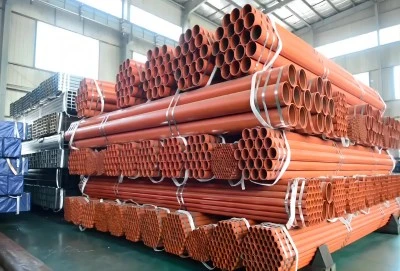
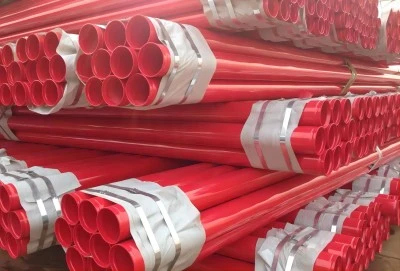
What is ASTM A795 pipe?
ASTM A795 pipe is a type of steel pipe specifically designed and manufactured for use in fire protection systems. The designation "ASTM A795" refers to the standard specification set by the American Society for Testing and Materials (ASTM) International, which outlines the requirements for black and hot-dipped zinc-coated (galvanized) welded and seamless steel pipe for fire protection use.
These pipes are crafted to meet stringent quality standards, ensuring they can withstand the high pressures and demanding conditions typically encountered in fire suppression scenarios. ASTM A795 pipes are available in various grades, with Grade B being one of the most commonly used for fire protection applications due to its excellent strength and durability.
Key Characteristics:
- High tensile strength and yield strength
- Excellent weldability
- Consistent wall thickness
- Resistance to corrosion (especially when galvanized)
- Ability to withstand high internal pressures
ASTM A795 pipes are manufactured in a range of sizes to accommodate various fire protection system designs. For instance, outer diameters can range from 3.5 inches to 18 inches, with wall thicknesses varying from Schedule 10 (SCH10) to Schedule 160 (SCH160), allowing for flexibility in system design and installation.
These pipes are primarily used in automatic sprinkler systems, standpipe systems, and other fire protection applications where reliable water delivery is crucial. Their robust construction ensures that they can maintain structural integrity even under extreme conditions, making them an essential component in safeguarding buildings and their occupants.
How does ASTM A795 pipe meet NFPA standards for fire protection?
The National Fire Protection Association (NFPA) is a globally recognized organization that develops and maintains fire safety standards. ASTM A795 pipes are designed to meet or exceed the requirements set forth by NFPA standards, particularly NFPA 13: Standard for the Installation of Sprinkler Systems. This alignment with NFPA standards is crucial for ensuring the effectiveness and reliability of fire protection systems.
Here are several ways in which A795 pipes meet NFPA standards:
- Material Composition: ASTM A795 pipes are made from high-quality steel that meets the chemical composition requirements specified by NFPA standards. This ensures the pipes have the necessary strength and durability to withstand the pressures and temperatures encountered in fire scenarios.
- Pressure Ratings: A795 pipes are rated for the high pressures required in fire protection systems. NFPA 13 specifies minimum working pressures for sprinkler systems, and ASTM A795 pipes are designed to meet or exceed these requirements, ensuring reliable performance when it matters most.
- Corrosion Resistance: NFPA standards emphasize the importance of corrosion resistance in fire protection systems. A795 pipes, particularly those with hot-dipped zinc coating (galvanization), offer excellent corrosion resistance, meeting NFPA's requirements for long-term system integrity.
- Dimensional Consistency: NFPA standards require precise pipe dimensions for proper system design and performance. A795 pipes are manufactured to tight tolerances, ensuring consistency in outer diameter, wall thickness, and straightness, which is crucial for system design and installation in accordance with NFPA guidelines.
- Joining Methods: NFPA 13 specifies acceptable methods for joining pipes in fire protection systems. ASTM A795 pipes are compatible with various joining methods approved by NFPA, including threaded connections, grooved couplings, and welding, providing flexibility in system design and installation.
- Quality Control: The manufacturing process for A795 pipes includes rigorous quality control measures, including hydrostatic testing and non-destructive examination, which align with NFPA's emphasis on system reliability and integrity.
By meeting these NFPA standards, ASTM A795 pipes ensure that fire protection systems can operate effectively when needed, providing critical life safety and property protection. The adherence to these standards gives building owners, engineers, and fire safety professionals confidence in the performance and reliability of systems using A795 pipes.
How does the coating of ASTM A795 pipes enhance fire safety?
The coating applied to ASTM A795 pipes plays a crucial role in enhancing their performance and longevity in fire protection systems. Two primary coating types are used for these pipes: black coating and hot-dipped zinc coating (galvanization). Each of these coatings contributes to fire safety in different ways:
1. Black Coated ASTM A795 Pipes:
Black coated ASTM A795 pipes are typically treated with a thin layer of oil or varnish to protect against surface corrosion during transportation and storage. While this coating is not as robust as galvanization, it offers several benefits in fire safety applications:
- Cost-Effective Protection: The black coating provides a basic level of corrosion resistance at a lower cost, making it a popular choice for indoor applications where exposure to moisture is limited.
- Improved Flow Characteristics: The smooth surface of black coated pipes can reduce friction, potentially improving water flow in the sprinkler system. This can be crucial in ensuring adequate water delivery during a fire event.
- Ease of Inspection: The dark color of the coating makes it easier to visually inspect the pipes for damage or corrosion, allowing for timely maintenance and replacement when necessary.
- Paint Compatibility: Black coated pipes can be easily painted if required, allowing for color-coding or additional protection in specific environments.
2. Hot-Dipped Zinc-Coated (Galvanized) ASTM A795 Pipes:
Hot-dipped zinc coating, or galvanization, provides superior corrosion resistance and significantly enhances the longevity and performance of ASTM A795 pipes in fire protection systems. Here's how this coating contributes to fire safety:
- Superior Corrosion Resistance: The zinc coating forms a protective barrier that prevents moisture and oxygen from reaching the steel surface, dramatically reducing the risk of corrosion. This is particularly important in humid environments or where pipes may be exposed to corrosive elements.
- Extended Service Life: By protecting against corrosion, galvanization can significantly extend the service life of the pipes. This ensures that the fire protection system remains effective for a longer period, reducing the need for frequent replacements and minimizing the risk of system failure due to pipe degradation.
- Improved System Reliability: Corrosion can lead to leaks, reduced water flow, or even pipe failure. By preventing corrosion, galvanized pipes help maintain the integrity and reliability of the entire fire protection system, ensuring it will function as intended during a fire emergency.
- Resistance to High Temperatures: While the primary function of the zinc coating is corrosion protection, it also provides some resistance to high temperatures. This can be beneficial in maintaining the structural integrity of the pipes during a fire event.
- Self-Healing Properties: If the zinc coating is scratched or damaged, it can provide some level of cathodic protection to the exposed steel, helping to prevent localized corrosion at the point of damage.
The choice between black coated and hot-dipped zinc-coated ASTM A795 pipes often depends on the specific application, environmental conditions, and budget considerations. In environments with higher humidity or potential exposure to corrosive elements, galvanized pipes are often preferred for their superior corrosion resistance and longer service life.
It's important to note that while both coating types enhance fire safety by protecting the pipes, the primary fire safety benefit comes from the pipes' ability to reliably deliver water to extinguish fires. The coatings contribute to this by ensuring the pipes remain in good condition and free from corrosion, which could otherwise compromise the system's effectiveness.
ASTM A795 Pipes of Grade B for Sale
A795 pipes are a critical component in modern fire protection systems, offering the reliability, durability, and performance necessary to safeguard lives and property. Their adherence to rigorous ASTM standards and compatibility with NFPA requirements ensure that these pipes can withstand the demands of fire suppression scenarios. Whether black coated for cost-effective indoor use or hot-dipped zinc-coated for superior corrosion resistance, A795 pipes provide the foundation for effective fire sprinkler systems.
As building safety continues to be a top priority across industries, the role of high-quality fire protection components like A795 pipes cannot be overstated. By choosing the right pipes and ensuring proper installation and maintenance, building owners and fire safety professionals can significantly enhance the effectiveness of their fire protection strategies.
Longma Group offers ASTM A795 pipes of Grade B, with coating options of Black Coated and Hot-Dipped Zinc-Coated. Our pipes are available in outer diameters ranging from 3.5" to 18", with thicknesses varying from SCH10 to SCH160, suitable for a wide range of fire protection applications. If you're interested in enhancing your fire safety infrastructure with reliable, standards-compliant piping solutions, don't hesitate to contact usat info@longma-group.com for more information and to place your order. Let Longma Group be your trusted partner in providing excellent piping solutions for your fire protection needs.