
When it comes to choosing the right materials for construction, engineering, or industrial applications, understanding the differences between various structural elements is crucial. This post will compare solid cylinders and hollow section pipes, examining the differences between the two in terms of strength, material utilization, and heat transport capabilities. You will possess a thorough comprehension of why hollow section pipes are frequently the favored option in numerous situations by the conclusion of this conversation.
|
|
|
Material Efficiency
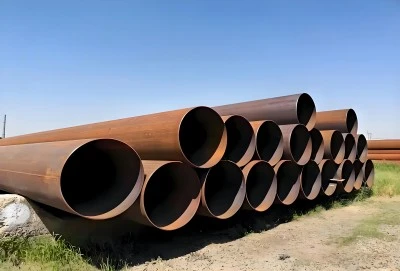
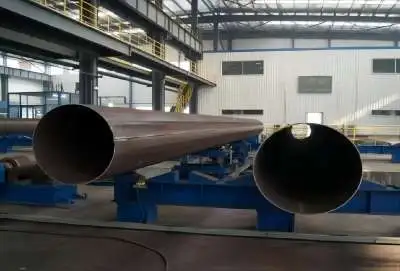
One of the most significant advantages of hollow section pipes over solid cylinders lies in their material efficiency. Hollow section pipes, as the name suggests, feature a hollow core, which results in a considerable reduction in material usage compared to their solid counterparts. This efficient use of materials translates to several benefits:
Firstly, the reduced material requirement leads to lower production costs. Manufacturers can create structurally sound components while using less raw material, which is particularly advantageous when working with expensive metals or alloys. This cost-effectiveness makes hollow pipes an attractive option for large-scale projects where material expenses can quickly add up.
Secondly, the lighter weight of hollow section pipes offers advantages in transportation and installation. The reduced mass makes these components easier to handle, transport, and maneuver during construction or assembly processes. This can lead to significant time and labor savings, especially in projects where a large number of structural elements need to be installed.
Moreover, the lightweight nature of hollow pipes contributes to the overall reduced weight of structures. This is particularly beneficial in applications where minimizing the total mass is crucial, such as in the automotive or aerospace industries. By using hollow section pipes, engineers can design lighter vehicles or aircraft, leading to improved fuel efficiency and performance.
Strength and Structural Integrity: The Power of Geometry
In terms of strength and structural integrity, hollow section pipes often surpass solid cylinders despite utilizing less material. This advantage, although seemingly counterintuitive, is attributed to the distinctive geometry of hollow sections. Here’s why this is the case:
The hollow design of these pipes allows for a more efficient distribution of stress across the structure. In a solid cylinder, stress tends to accumulate towards the center, where the material’s contribution to overall strength is minimal. Conversely, in a hollow pipe, the material is distributed away from the neutral axis, which enhances resistance to bending and torsional forces. This means that the hollow section can handle stresses more effectively and uniformly across its surface.
This optimized stress distribution results in a superior strength-to-weight ratio for hollow section pipes. They can support greater loads relative to their own weight compared to solid cylinders, making them highly effective in applications where both strength and weight reduction are essential. For example, in the construction industry, where long spans and high load-bearing capacities are necessary, hollow section pipes are often preferred for their efficiency in supporting structural elements while minimizing material use.
Moreover, the products exhibit excellent resistance to buckling. The hollow design enhances stability under compressive forces, reducing the likelihood of failure under heavy loads. This characteristic is particularly advantageous for columns or structures subjected to sudden impacts or dynamic loads, as the increased stability helps maintain structural integrity and prevent collapse.
Overall, the geometry of the product maximizes their strength and stability, making them a powerful choice for a range of engineering and construction applications where both load-bearing capacity and material efficiency are crucial.
Heat Transfer and Thermal Properties: Keeping Cool Under Pressure
When discussing heat transfer and thermal properties, hollow section pipes exhibit several distinct advantages compared to solid cylinders. The hollow core of these pipes plays a pivotal role in their thermal behavior, making them particularly effective in managing heat.
Firstly, the air space within hollow section pipes serves as an insulating barrier, significantly reducing heat transfer across the material. This insulation property is especially beneficial in scenarios where thermal control is essential, such as in building construction or various industrial processes. For instance, in buildings, this reduced heat transfer can contribute to improved energy efficiency in heating and cooling systems, leading to considerable energy savings. Similarly, in industrial settings, the insulation properties help maintain stable temperatures, enhancing process efficiency and safety.
Moreover, the hollow design of these pipes opens up opportunities for active temperature regulation. Fluids, such as water or coolant, can be circulated through the hollow core, allowing for effective heating or cooling. This active thermal management is invaluable in applications like heat exchangers or cooling systems for high-performance machinery, where precise temperature control is crucial. The ability to control the temperature within the pipe dynamically enhances overall system performance and reliability.
Additionally, the reduced mass of hollow section pipes translates to lower thermal inertia compared to their solid counterparts. This means that hollow pipes can adjust to temperature changes more rapidly. They heat up or cool down more quickly, which is advantageous in applications requiring swift temperature adjustments or meticulous thermal control. This characteristic is particularly useful in processes where rapid thermal response is needed to maintain optimal conditions or to prevent thermal damage.
Overall, the thermal properties of hollow section pipes—ranging from their insulating capabilities to their active temperature management and rapid thermal response—underscore their utility in diverse applications. Their design not only improves energy efficiency but also supports advanced thermal control strategies, making them a valuable component in both construction and industrial settings.
Contact Longma
In conclusion, hollow section pipes offer numerous advantages over solid cylinders in terms of material efficiency, strength, and thermal properties. Their unique design allows for lighter, stronger structures with improved thermal management capabilities. Whether you're involved in construction, engineering, or industrial design, understanding these benefits can help you make informed decisions about material selection.
If you're considering incorporating hollow section pipes into your next project, it's worth exploring the range of options available. Longma Group, for instance, offers a comprehensive selection of pipes across three grades, with stock quantities ranging from 50 to 150 tons. For more information or to discuss your specific needs, don't hesitate to reach out to them at info@longma-group.com. By choosing the right hollow section pipes, you can enhance the efficiency, strength, and performance of your structures while potentially reducing costs and environmental impact.