
When selecting polyethylene coated steel pipe for critical infrastructure projects, the coating system design becomes paramount. Double-layer PE coating systems offer better protection against corrosion because to extra barrier layers. They can last for more than 50 years in demanding situations. Single-layer systems are a good choice for mild climates because they are cheap and last for 25 to 30 years. The choice relies on the needs of the project, the state of the environment, and the expenses of running the project over time.
|
|
|
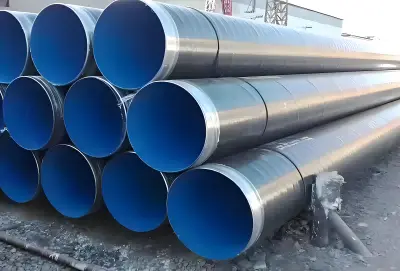
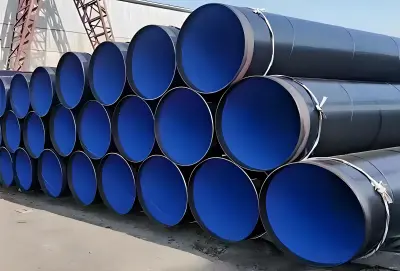
Understanding Polyethylene Coating Systems in Modern Infrastructure
Over the past ten years, steel pipe coating technology has changed a lot. Engineers now have to make tough decisions about different polyethylene coating designs, each of which has its own pros and cons for different uses.
Modern polyethylene-coated pipelines are the main way that oil and gas are moved throughout the world. The Middle East's very hot weather, Australia's coastal areas, and Southeast Asia's humid weather all bring their own set of problems that need specific coating solutions.
The main difference is in how the protective barrier is built. Single-layer methods put a single layer of polyethylene directly on the prepared steel surface. In double-layer designs, an adhesive base layer is followed by the primary polyethylene protective covering. This makes the adhesion strength and corrosion resistance stronger.
Three core differences define these systems:
- Barrier redundancy - Double-layer provides backup protection if primary coating experiences damage
- Adhesion performance - Multi-layer systems achieve superior bond strength through specialized primer layers
- Service life expectancy - Double-layer systems typically extend operational life by 70-80% compared to single-layer alternatives
Understanding these distinctions helps project managers make informed decisions that impact decades of infrastructure performance.
Performance Analysis: Double-Layer PE Coating Systems
Double-layer polyethylene coating systems are a new way to protect steel pipes against rust. These setups usually get a total coating thickness of 3.0 to 5.0 mm, with the adhesive layer adding 0.5 to 1.0 mm and the main polyethylene layer adding 2.5 to 4.0 mm.
Tests in the lab show that the performance metrics are quite good. When tested to EN 12068 standards, double-layer systems provide disbondment resistance of more over 1000 N/100mm width. After 500 rounds of thermal cycling testing between -40°C and +80°C, the coating shows very little wear.
Tests that speed up ageing show how well the polyethylene corrosion barrier works. When samples are put in a 3% NaCl solution at 60°C for 5000 hours, the coating stays intact 95% of the time. Impact resistance tests show that the material can absorb 15 to 20 Joules of energy without letting the coating through.
Double-layer shielding is very useful for covering steel pipes that are buried underground. Stress on the soil, changes in moisture, and exposure to chemicals make for tough service conditions. The redundant barrier architecture keeps protecting even when the outer layer becomes damaged in one spot.
Double-layer PE systems are better for protecting important infrastructure or conditions that are very harsh against corrosion. The better performance makes the extra initial cost worth it because it lasts longer and needs less maintenance.
Single-Layer PE: Cost-Effective Protection Solutions
Single-layer polyethylene-coated pipe systems provide simplified protection for applications that require modest corrosion resistance. In one continuous application procedure, these combinations usually use a coating thickness of 2.5 to 3.5 mm.
One of the main benefits is that it makes manufacturing more efficient. Compared to multi-layer procedures, single-layer application cuts manufacturing time by 30% to 40%. This efficiency leads to lower costs, which is good for big projects with restricted budgets.
Performance testing gives consistent findings for common applications. Resistance to disbondment is 600 to 800 N/100mm wide, which is enough for most industrial uses. Tests for holiday detection show that the coating is always there and that there are very few flaws, less than 0.1 faults per square metre.
Under normal test circumstances, the typical adhesion strength of steel pipe coating is 2.5–3.0 MPa. This performance is good enough for water supply systems, pipes that carry mild temperatures, and installations above ground, even if it is lower than double-layer systems.
The polyethylene pipe insulation works well in temperatures from -30°C to +60°C. Thermal expansion compatibility makes sure that the coating stays flexible even when the temperature changes while in use.
Single-layer PE systems are better for projects with limited budgets or mild service conditions that need affordable protection. These systems are great for big deployments since they are easy to use and cost less to construct.
Technical Specifications and Standards Compliance
Different parts of the world have different standards for polyethylene coated steel pipes, so it's important to make sure that the specifications match the needs of the project. API 5L compliance makes sure that the base pipe is of good quality, while coating standards like DIN 30670 and ISO 21809-1 set the rules for how to apply the coating.
Most double-layer systems meet the criteria set by DIN 30678 or EN 10339. These criteria demand a minimum thickness, good adhesion, and quality control steps. measuring techniques include checking for holidays, measuring adhesion, and checking thermal cycling.
Key technical parameters for double-layer PE coating:
- Total thickness: 3.0-5.0mm
- Adhesion strength: ≥3.5 MPa
- Impact resistance: ≥15 J
- Operating temperature: -40°C to +80°C
- Service life expectancy: 50+ years
Single-layer specifications align with standards like AWWA C210 or CSA Z245.20. These guidelines emphasize cost-effective protection while maintaining adequate performance levels.
Standard specifications for single-layer systems:
- Coating thickness: 2.5-3.5mm
- Adhesion strength: ≥2.5 MPa
- Impact resistance: ≥10 J
- Operating temperature: -30°C to +60°C
- Service life expectancy: 25-30 years
Steel pipe coating process validation requires comprehensive testing protocols. Longma Group's quality systems ensure compliance with multiple international standards, providing flexibility for global project requirements.
Understanding standard variations helps engineers select appropriate specifications for specific geographic regions and application requirements.
Application Environments and Selection Criteria
Coated steel pipe applications span diverse environments, each presenting unique challenges. Offshore platform construction demands maximum corrosion resistance due to saltwater exposure and temperature extremes. Underground installations face soil chemistry variations and potential mechanical damage.
Environmental assessment guides coating selection decisions. Factors include soil resistivity, groundwater chemistry, temperature ranges, and mechanical stress exposure. Documentation of these conditions helps optimize coating system choices.
Marine environments require enhanced protection due to chloride exposure and thermal cycling. Double-layer systems excel in these conditions, providing redundant protection against coating disbondment. The MOBIL OIL AUSTRALIA project demonstrates successful application in challenging coastal conditions.
Desert climates present temperature extremes and UV exposure challenges. While underground installations avoid direct UV impact, thermal cycling from daily temperature variations stresses coating systems. Double-layer configurations better accommodate these thermal stresses.
Industrial manufacturing environments often involve chemical exposure beyond standard corrosion concerns. Process chemicals, cleaning agents, and operational fluids may contact external coating surfaces. Enhanced chemical resistance becomes critical for equipment protection.
If you need protection for marine environments or extreme temperature applications, then double-layer PE systems are more suitable. The enhanced environmental resistance justifies additional investment through improved reliability.
Economic Analysis and Lifecycle Considerations
Steel pipe coating technology selection significantly impacts project economics. Initial coating costs represent only 15-20% of total pipeline ownership expenses. Maintenance, replacement, and operational disruption costs dominate long-term economic calculations.
Double-layer PE coating systems typically cost 40-60% more than single-layer alternatives during initial installation. However, extended service life and reduced maintenance requirements often justify this investment. Economic modeling shows break-even points around 15-20 years for most applications.
Maintenance cost analysis reveals significant differences. Single-layer systems may require localized repairs after 15-20 years, involving excavation, surface preparation, and recoating. These operations cost $200-400 per linear meter, depending on location accessibility.
Double-layer systems typically defer major maintenance by 10-15 years. When repairs become necessary, the redundant barrier design often allows spot repairs rather than complete recoating. This approach reduces maintenance costs by 60-70% compared to single-layer alternatives.
Operational disruption costs vary dramatically by application. Oil and gas transportation systems may lose $50,000-100,000 per day during maintenance shutdowns. Water supply system interruptions affect community services and require alternative supply arrangements.
If you need to minimize lifecycle costs for critical infrastructure, then double-layer PE systems are more suitable. The extended service life and reduced maintenance frequency provide superior economic returns.
Risk assessment considerations include coating failure consequences. Critical infrastructure applications justify premium coating systems to avoid catastrophic failures and associated costs.
Quality Assurance and Testing Protocols
Polyethylene coated steel pipe quality depends on rigorous manufacturing controls and comprehensive testing. Modern production facilities employ advanced monitoring systems to ensure consistent coating application and performance.
Pre-coating surface preparation determines coating system success. Steel abrasive blasting achieves Sa 2½ surface cleanliness according to ISO 8501 standards. Surface profile measurements between 50-100 microns optimize coating adhesion without excessive anchor patterns.
Real-time monitoring during coating application tracks critical parameters. Extruder temperature, line speed, and cooling rates affect coating quality and adhesion strength. Automated systems maintain optimal processing conditions while documenting production parameters.
Quality control testing protocols include:
- Holiday detection - 100% coverage using appropriate voltage levels
- Adhesion testing - Statistical sampling per production shift
- Thickness measurement - Systematic grid pattern documentation
- Visual inspection - Complete surface examination for defects
- Dimensional verification - Coating uniformity and pipe geometry
Third-party inspection services provide additional quality assurance. Independent testing validates manufacturer claims and provides project documentation requirements. Many engineering contractors require certified test reports for project acceptance.
Longma Group's comprehensive quality systems exceed industry standards. Our testing laboratory capabilities include advanced equipment for coating evaluation and performance verification. Complete documentation packages support engineering company requirements and project specifications.
Statistical process control methods identify trends and prevent quality issues. Continuous monitoring ensures consistent production quality and early detection of potential problems.
Partner with Longma Group for Superior Polyethylene Coated Steel Pipe Solutions
Longma Group's expertise in polyethylene coated steel pipe manufacturing spans over two decades of innovation and quality excellence. Our advanced production facilities accommodate both single-layer and double-layer PE coating systems, meeting diverse project requirements across 90+ countries. With annual production exceeding 1,000,000 tons and comprehensive certifications including API 5L and ISO 9001, we deliver reliable solutions for critical infrastructure projects. Contact our engineering team at info@longma-group.com to discuss your specific coating requirements and explore how our polyethylene coated steel pipe supplier capabilities can optimize your next project's performance and economics.
Conclusion
Selecting between double-layer and single-layer PE coating systems requires careful evaluation of application requirements, environmental conditions, and economic factors. Double-layer systems excel in demanding environments where maximum corrosion protection justifies higher initial investment. Single-layer alternatives provide cost-effective solutions for moderate service conditions while maintaining adequate protection levels. Success depends on matching coating system capabilities with specific project needs, considering both immediate requirements and long-term operational goals. Professional consultation ensures optimal selection for each unique application scenario.