
A crucial production step that decides the performance and dependability of pipeline infrastructure over the long term is the curing process of fusion bonded epoxy coated steel pipes. In order for the epoxy powder to cross-link and create a long-lasting protective layer, the coated steel pipe is heated to precise temperatures, usually ranging from 180 to 220°C, in this thermosetting process. For tough industrial uses in oil and gas, water infrastructure, and offshore building projects, the mechanical qualities, adhesion, and corrosion resistance must be just right, and curing is the key.
|
|
|
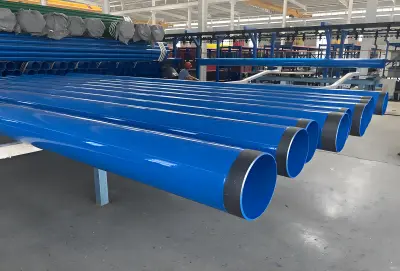
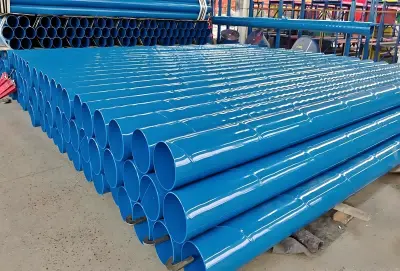
Understanding Fusion-Bonded Epoxy Coating and Its Curing Process
As a thermosetting polymer protection system, fusion-bonded epoxy coating provides superior performance properties for use on steel pipes. This state-of-the-art coating method applies a protective layer of electrostatic powder and then cures it using heat.
Unique Properties of FBE Coating Systems
The molecular structure and application approach of FBE coating are the sources of its specific benefits. Direct chemical bonds are formed by FBE with appropriately prepared steel surfaces, as opposed to polyethylene coatings that depend on adhesive layers. According to ASTM D4541 testing standards, the adhesive strength usually exceeds 15 MPa because of this basic difference. Although hot-dip galvanizing does give cathodic protection, FBE systems provide better chemical resistance and thickness control.
The coating is very flexible, allowing it to withstand mechanical stress and thermal expansion without peeling. It can withstand temperatures ranging from -40°C to 120°C while running continuously, making it ideal for pipeline projects across the world that face a wide variety of climates. Industrial settings often expose materials to a wide range of hydrocarbons, acids, and alkaline solutions, all of which exhibit chemical resistance.
Critical Curing Process Steps
The first step in applying FBE successfully is surface preparation. To meet the cleanliness criteria set by ISO 8501-1, steel surfaces are subjected to abrasive blasting until they reach a Sa 2.5 level. In addition to making the anchor pattern required for mechanical bonding, this technique also eliminates impurities, mill scale, and rust. Coating adhesion is best achieved with a surface roughness between 50 and 100 micrometers.
Electrostatic spray apparatus, working at voltage levels of 60-100 kV, is used for powder application. Even on intricate geometries, the epoxy's charged particles will adhere to the steel's grounded surface, creating a consistent coating. Having a powder with a particle size distribution of 30-80 micrometers allows for uniform film build and easy application. The thickness of an application might vary from 250 to 500 micrometers, depending on the service needs and the need to comply with international standards.
The process's most important step is temperature-controlled curing. The epoxy powder is introduced to pipes that have been heated to 230–250°C and starts to melt as it flows over the surface. Full cross-linking throughout the coating's thickness is guaranteed by the curing oven's exact temperature profiles. The amount of time needed for a coating to cure might vary from two to four minutes, depending on the pipe diameter and the desired coating thickness.
International Standards Compliance
Consistent quality and performance in all markets across the world is guaranteed by adhering to strict international standards. Material parameters, application techniques, and testing protocols are all outlined in ISO 21809-1, which is a complete standard for FBE coating systems. To ensure the safety of pipelines, this standard specifies the bare minimum for coating thickness, adhesion strength, and holiday detection.
In-depth testing procedures are a part of ASTM standards, which supplement ISO criteria. Coating resistance to cathodic protection systems, which are often utilized in underground pipeline applications, is evaluated using ASTM G8 cathodic disbondment testing. To make sure coatings don't get damaged during installation or handling, ASTM D2794 tests their impact resistance.
Specific geographical and application needs are addressed by regional standards as AWWA C210, CSA Z245.20, and DIN 30670. Coating specification and performance criteria are impacted by local environmental conditions, installation techniques, and regulatory requirements. These factors are often taken into account in these standards.
Benefits and Performance Advantages of Optimal Curing in FBE Coating
The entire protective potential of epoxy coating systems may be realized under the right curing circumstances. These conditions bring about substantial performance benefits, which in turn increase asset lifecycles and decrease maintenance costs. Curing causes a cross-linking process, which essentially turns the coating into a network of thermoset polymers with improved chemical and mechanical characteristics, rather as a thermoplastic powder.
Chemical and Physical Benefits of Optimal Curing
Coating matrices are filled with three-dimensional polymer networks as a result of complicated chemical processes that begin during curing. Covalent connections are formed when epoxide groups react with curing chemicals, which improves mechanical strength and chemical resistance. When curing is complete, the glass transition temperature rises over 100°C, guaranteeing that the coating will remain stable even when subjected to high service temperatures.
Coatings that are cured under ideal circumstances have improved adhesion properties. Because the steel is wetted more easily at the higher application temperature, the molten epoxy is able to penetrate surface imperfections and create mechanical interlocks. The reactive coating components and the oxide layers on the steel surface form chemical bonds, which create various adhesion mechanisms, all at once.
When the polymer is properly cured, it forms a dense structure, which increases its abrasion resistance. Properly cured FBE coatings outperform poorly cured alternatives in terms of wear resistance, according to ASTM D4060 testing. When installing pipelines, this quality is especially useful since coatings experience soil abrasion and handling loads.
Real-World Performance Case Studies
Optimized curing techniques have been shown to be beneficial in pipeline projects spanning various geographical locations. Despite running through severe desert conditions for over twenty years, the coating on the Trans-Arabian pipeline system has deteriorated very little. The data from regular inspections shows that after 20 years of operation, there is less than 2% coating disbondment, which proves that properly cured FBE systems provide long-term protection.
Applications on offshore platforms face severe environmental difficulties, including as mechanical stress, temperature cycling, and exposure to seawater. Fusion bonded epoxy coated steel pipe constructed to stringent curing requirements is used in the offshore project by Mobil Oil in Australia. There has been no noticeable corrosion at the steel contact, and the coating integrity is still outstanding, even after 15 years of continuous operation.
Streamlined FBE curing techniques are a huge boon to water infrastructure projects. Coating service lifetimes of 30 years have been reported by municipal water treatment plants when correct curing methods are followed. Fully cured epoxy coatings provide chemical resistance, which keeps drinking water quality standards intact by preventing deterioration from chemicals used in water treatment.
The monetary advantages are a direct result of these enhanced performance levels. Minimizing operating interruptions and reducing replacement costs are both achieved via extended asset lifecycles. Reduced continuing operating expenditures and improved system dependability are the results of significantly increased maintenance intervals.
Comparing Fusion-Bonded Epoxy Coated Pipes with Other Coating Options
Pipeline protection tactics make use of a wide range of coating technologies, each with its own set of benefits and drawbacks. When procurement experts are aware of these distinctions, they are better equipped to choose solutions that strike a good balance between performance needs, cost, and project-specific limitations.
Application Techniques and Process Differences
The FBE application makes use of powder coating technology, which allows for exact control over thickness and the elimination of volatile organic compounds. Electrostatic application minimizes material waste while ensuring consistent coverage on complicated shapes. Because curing happens instantly after application, processing and quality assurance are both made more easier.
Primers, adhesives, and topcoats are the three layers necessary for applying polyethylene coatings. Multiple heating and cooling cycles are used in this process, which increases energy consumption and lengthens the production time. Disbondment might start at the adhesive layer if certain circumstances aren't right.
To create metallurgical connections with the base metal, steel components are submerged in molten zinc during hot-dip galvanizing. The coating thickness varies substantially over the surface, yet the technique offers good corrosion protection via cathodic protection mechanisms. Uneven coverage may compromise protection in vital parts with complex geometries.
Performance Characteristics Comparison
The coating flexibility of FBE sets it apart from other protective systems. There will be no cracking or delamination since the polymer structure can handle mechanical strain and thermal expansion. This quality is crucial for underground pipes that are subject to shifting soil and temperature changes. Coatings made of polyethylene are just as flexible, but they have sticky layers that might eventually wear out.
Different coatings have vastly different chemical resistances. Hydrocarbons, acids, and alkaline solutions are commonplace in industrial settings, yet FBE shows remarkable resilience to all three. Chemists and degraders are unable to penetrate the cross-linked polymer structure. The chemical resistance of galvanized coatings is low, especially in acidic situations where zinc dissolves quickly.
According to the results of the lifecycle cost study, FBE coating systems are economically beneficial. Although galvanizing alternatives may have cheaper initial application costs, the overall cost of ownership is lower due to the decreased maintenance needs and prolonged service life. When applied and cured correctly, FBE coatings may save 40-60% in costs over the 30-year lifetime of a project, according to independent research.
These comparative benefits are greatly affected by the curing process's quality. When compared to other protective systems, properly cured FBE coatings perform better across the board, but poorly cured coatings may fall short. Expertise and quality control methods on the part of manufacturers are crucial, as this connection makes clear.
Procurement Insights: Selecting and Sourcing FBE Coated Steel Pipes
Thoroughly assessing the competencies, quality processes, and production standards of suppliers is essential for developing effective procurement strategies for fusion bonded epoxy coated steel pipes. Suppliers must be thoroughly evaluated to guarantee constant product quality and project success because to the complicated application and curing procedures of FBE.
Supplier Certification and Quality Assessment
The assessment of suppliers is based on the certification of manufacturing facilities. The accreditation of a quality management system by ISO 9001 signifies the presence of well-established quality control methods and practices of continuous improvement. Technical competence and dedication to industry standards are shown by specialized coating certifications like the NACE coating inspector programs.
Base pipe that has been certified by API 5L meets all of the material property, dimensional tolerance, and testing criteria set forth by the petroleum industry. Pipe performance has a direct bearing on operational safety and environmental protection in the oil and gas industry, making this certification all the more crucial.
Certifications that are specialized to coatings attest to their conformity with national and international standards such as ISO 21809-1 and ASTM D3963. Application processes, testing techniques, and quality control standards are audited on a regular basis by third-party certification authorities to ensure compliance. Procurement experts may have faith in suppliers' competence and product reliability with these certificates.
Manufacturing Standards and Capabilities
Suppliers may satisfy project delivery objectives without sacrificing quality by conducting a production capacity evaluation. The size required for massive infrastructure projects is shown by Longma Group's yearly manufacturing capacity, which exceeds 1,000,000 tons. A wide variety of applications may be handled by pipes with wall thicknesses ranging from 6.02 to 50.8 mm and diameters ranging from 60.3 to 1422 mm.
The ability to manage quality is what separates top producers from others that just sell commodities. Product quality is consistently ensured by using advanced testing equipment, such as holiday detection systems, thickness measuring devices, and adhesion testing apparatus. Statistical process control systems monitor critical curing parameters and allow for real-time modifications to keep conditions ideal.
Quality of the finished product and dependability of the supply chain are affected by the methods used to get raw materials. The approved chemical compositions and mechanical qualities of the high-quality basis materials are provided by reputable steel mills such as Shagang, TISCO, and Baosteel. Quality investigations and performance validation are facilitated by traceability systems, which monitor components from receipt all the way through to final product delivery.
Lead Times and Customization Options
Accurate lead times for bespoke pipe specifications are essential for project planning. From the moment an order is confirmed, the manufacturing period for standard diameter pipes with common coating parameters is usually four to six weeks. Lead times may be up to 12 weeks depending on the intricacy of the custom requirements, which may include a different coating thickness, different pipe lengths, or different end preparations.
Project economics and inventory management are impacted by minimum order numbers. In order to keep costs down and cater to projects of varying sizes, competitive suppliers provide variable MOQs. Procurement optimization across varied project needs is made possible by Longma Group's flexible purchasing methods.
Ensuring timely delivery to project sites globally is made possible via our geographic distribution capabilities. Transportation expenses are lowered and logistics are made more flexible via global distribution networks that reach over 90 countries. Customer service and the effectiveness of project execution are both improved by regional warehousing and technical support.
Best Practices and Troubleshooting in Fusion-Bonded Epoxy Curing
Systematic monitoring of process factors and quality control measures is necessary to achieve consistent coating quality using FBE. Coating performance may be severely affected by common curing operation issues that are not adequately handled via corrective and preventative activities.
Quality Control Methods and Testing Protocols
Incoming materials must be double-checked to provide comprehensive quality control. Analysis of particle size distribution, gel time measurement, and chemical composition verification are all part of epoxy powder testing. The cure behavior and application qualities are directly affected by these factors. Batch certification certificates allow for product performance to be traced and correlated.
Internationally calibrated magnetic induction gauges are used for thickness verification. To make sure the pipe is covered evenly and meets the specifications, measurement techniques call for several measurements over the surface. By analyzing thickness data statistically, we can spot process differences and make modifications to fix quality concerns before they ever start.
The coating discontinuities that undermine corrosion protection may be found by holiday detection testing. Coating flaws like pinholes and voids may be found using high-voltage spark testing that follows ASTM G62 protocols. The coating can be thoroughly inspected without damaging it since the voltage levels are adjusted according to its thickness.
Without sacrificing product quality, non-destructive testing procedures confirm coating adherence and integrity. Quantitative evaluations of adhesion strength may be obtained using pull-off adhesion testing with hydraulic dollies. The coating's durability and pliability are assessed using impact resistance testing, which mimics the circumstances of installation.
Common Challenges and Solutions
The leading cause of coating failures is improper surface preparation. Coating thinning over peaks may occur due to very rough surfaces or inadequate blast cleaning, both of which leave impurities that hinder effective adhesion. A constant level of surface preparation quality is achieved by the regular calibration of blast equipment and the monitoring of abrasive usage.
The coating's characteristics and the cross-linking density are impacted by changes in curing temperature. By plotting the oven's temperature, you may find the exact areas that need adjusting. Validation of heating homogeneity and cure efficacy is achieved by thermocouple monitoring of real pipe temperatures. Modifications to the process may include shifting pipes, changing the temperature of oven zones, or adjusting the speed of conveyors.
Inconsistent powder application is caused by differences in operator technique or problems with equipment maintenance. The accumulation of powder that alters spray patterns may be avoided by regularly cleaning spray guns. Continuously efficient powder charging is guaranteed via electrostatic voltage monitoring. Programs for operator training ensure that all shifts in production use the same procedures.
Humidity and ambient temperature are two environmental elements that impact how powder is handled and used. Optimal conditions are maintained in application areas by climate control systems. Preventing the degradation of application qualities caused by moisture absorption is the goal of powder storage practices.
Maintenance and Lifecycle Extension Strategies
In order to identify coating deterioration before corrosion starts, pipeline inspection processes are put in place. Mechanical degradation, disbondment, and the impacts of environmental stress may be detected by visual examination procedures. Cathodic protection surveys are one of the advanced inspection procedures that use electrical measurements to find coating problems.
Coating lifecycles may be extended by proactive intervention through preventive maintenance measures. Before corrosion spreads, touch-up repair processes fix little coating damage. Integrity with preexisting coatings is guaranteed by using compatible repair materials and application processes.
The goal of environmental risk mitigation is to slow the pace of coating deterioration caused by environmental variables. Coating performance may be impacted by corrosive circumstances that might be revealed by soil chemical studies. When the coating's integrity is in jeopardy, the cathodic protection system may step in to prevent corrosion.
Throughout the lifetime of an asset, documentation systems monitor the coating's performance. The ability to analyze trends and prepare for predictive maintenance is made possible by inspection data. In order to optimize specifications for future projects using real-world service experience, performance databases are a great help.
Longma Group: Your Trusted Partner for Premium FBE Coated Steel Pipes
Thanks to their innovative coating process and twenty years of experience in production, Longma Group has become the go-to source for fusion bonded epoxy coated steel pipes. We have full control over quality control at every stage of production, from procuring raw materials to delivering finished goods.
Manufacturing Excellence and Capabilities
Our 230,000 square meter production facility uses cutting-edge LSAW and ERW manufacturing technology to make base pipes of the highest quality. All of our products can be consistently coated and cured using FBE thanks to our state-of-the-art coating lines and temperature control systems. Our potential to assist global infrastructure projects of this size is shown by our annual manufacturing capacity surpassing 1,000,000 tons.
In order to guarantee consistent production processes and ongoing improvement activities, quality management systems that have been certified to ISO 9001 standards are in place. Coating performance validation, chemical composition analysis, and mechanical property verification are all part of our extensive testing capabilities that adhere to international standards. Material Test Certificates and comprehensive inspection reports are part of the paperwork that is sent out with every manufacturing batch.
Technical Expertise and Custom Solutions
In order to optimize coatings and meet project-specific needs, our engineering team offers thorough technical assistance. The ability to tailor coating settings to specific environmental and performance needs is made possible by a thorough understanding of FBE curing processes. In order to pick materials and establish specifications to perfection, it is essential to work closely with customers throughout the design process.
The ability to personalize the product allows it to meet a wide range of pipe dimensions, from wall thickness of 6.02 mm to diameters of 1422 mm. To guarantee conformance with international project requirements, many coating standards, such as DIN 30670, ISO 21809-1, and AWWA C210, are adhered to. Full pipeline solutions are offered by companies that specialize in fabrication and end treatments.
Efficient project delivery and local technical assistance are made possible by global distribution networks that cover more than 90 countries. Shortening processing times without sacrificing product quality is the goal of regional warehousing facilities. Globally dispersed, difficult-to-access project sites are handled by seasoned logistics staff.
Conclusion
The fusion bonded epoxy coated steel pipe curing process represents a critical manufacturing stage that determines long-term pipeline performance and reliability. Proper understanding of curing mechanisms, quality control procedures, and performance characteristics enables procurement professionals to make informed decisions that optimize project outcomes. The advantages of FBE coating systems, when properly applied and cured, include superior corrosion protection, mechanical durability, and lifecycle cost benefits compared to alternative protection methods. Successful procurement requires careful supplier evaluation, attention to manufacturing standards, and collaboration with experienced manufacturers who demonstrate consistent quality control and technical expertise in FBE coating applications.
Contact Longma Group for Superior Fusion Bonded Epoxy Coated Steel Pipe Solutions
Longma Group delivers exceptional fusion bonded epoxy coated steel pipe solutions backed by over 20 years of manufacturing excellence and unwavering commitment to quality. Our advanced curing processes, certified to international standards, ensure optimal coating performance for your critical infrastructure projects. As a leading fusion bonded epoxy coated steel pipe manufacturer, we provide comprehensive technical support, competitive pricing, and reliable global delivery. Contact our expert team at info@longma-group.com to discuss your specific requirements and discover how our premium coating solutions can enhance your project success.
FAQWhat factors determine optimal curing conditions for FBE coated steel pipes?
Optimal curing conditions depend on several critical parameters including pipe temperature, coating thickness, and residence time in the curing oven. Pipe surface temperatures between 230-250°C ensure proper powder melting and flow, while curing oven temperatures of 180-220°C promote complete cross-linking. Coating thickness influences heat penetration and curing time, with thicker coatings requiring extended exposure. Environmental factors such as humidity and ambient temperature also affect curing quality.
How can I verify compliance with international coating standards?
Compliance verification requires comprehensive testing according to relevant international standards. ISO 21809-1 specifies testing requirements including thickness measurement, adhesion testing, and holiday detection. Third-party certification bodies conduct facility audits and product testing to validate compliance. Request certification documents, test reports, and quality control procedures from potential suppliers to verify their adherence to international standards.
What are typical lead times for custom FBE coated steel pipe orders?
Lead times vary based on order complexity and current production schedules. Standard specifications typically require 4-6 weeks from order confirmation to delivery. Custom requirements including special coating thickness, non-standard dimensions, or unique end preparations may extend lead times to 8-12 weeks. Large quantity orders may require longer production schedules but offer improved pricing and logistics efficiency.
How does coating thickness affect pipe performance and cost?
Coating thickness directly impacts corrosion protection, mechanical durability, and project cost. Thicker coatings provide extended service life and enhanced protection against mechanical damage during installation. However, increased thickness raises material costs and may require modified application procedures. Optimal thickness selection balances protection requirements with economic considerations based on specific application conditions and expected service life.
What quality control measures ensure consistent coating performance?
Comprehensive quality control includes incoming material verification, process monitoring, and finished product testing. Statistical process control tracks key parameters throughout production, enabling real-time adjustments. Testing protocols include thickness verification, adhesion measurement, holiday detection, and chemical resistance validation. Documentation systems provide complete traceability from raw materials through final delivery.








