
In the world of steel pipe manufacturing, two terms often come up: helical welded pipes and spiral welded pipes. While these terms are sometimes used interchangeably, there are subtle differences between them that can impact their applications and performance. This article will delve into the similarities and differences between helical pipes and spiral welded pipes, exploring their structural and manufacturing differences, and examining why certain industries prefer one over the other.
|
|
|
Are Helical Welded Pipes and Spiral Welded Pipes the Same?
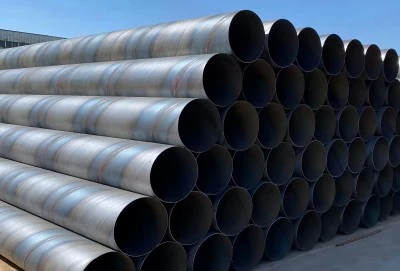
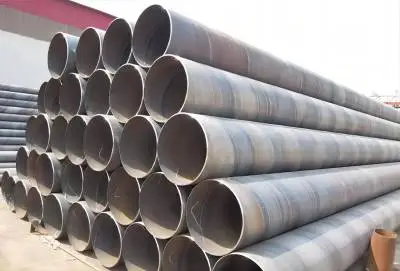
The short answer is yes, helical welded pipes and spiral welded pipes are essentially the same thing. Both terms refer to pipes that are manufactured by continuously winding a steel strip in a helical or spiral pattern and welding the seams. The resulting pipe has a distinctive spiral weld that runs along its entire length.
The terms "helical" and "spiral" both describe the same geometric shape – a three-dimensional curve that winds around a central axis at a constant or continuously varying distance while moving parallel to the axis. In the context of pipe manufacturing, these terms are used interchangeably to describe the manufacturing process and the resulting product.
However, it's worth noting that while the terms are synonymous, "helical welded pipe" is more commonly used in technical and industry contexts, particularly in North America and Europe. "Spiral welded pipe" is also widely used and may be more prevalent in certain regions or industries.
Regardless of the terminology used, these pipes are distinguished by their unique manufacturing process and the spiral weld that characterizes their structure. This welding method allows for the production of large-diameter pipes with excellent strength and versatility, making them popular in various applications ranging from water transmission to oil and gas pipelines.
Structural and Manufacturing Differences in Helical Welded Pipes
While helical welded pipes and spiral welded pipes refer to the same product, it's important to understand the structural and manufacturing aspects that set them apart from other types of welded pipes, such as longitudinal welded pipes or electric resistance welded (ERW) pipes.
The manufacturing process of helical welded pipes involves the following steps:
- Steel Strip Preparation: High-quality steel coils or strips are prepared and inspected for quality.
- Forming: The steel strip is fed into a spiral pipe forming machine, which bends the strip into a tubular shape at a specific angle.
- Welding: As the strip is formed into a tube, the edges are welded together using submerged arc welding (SAW) technology. This creates the characteristic spiral weld along the length of the pipe.
- Quality Control: The welded pipe undergoes various inspections and tests to ensure structural integrity and adherence to industry standards.
- Finishing: The pipe may undergo additional processes such as heat treatment, coating, or end preparation depending on its intended use.
The structural characteristics of helical welded pipes include:
- Spiral Weld: The most distinctive feature is the continuous spiral weld that runs along the entire length of the pipe.
- Large Diameters: Helical pipes can be manufactured in very large diameters, often exceeding those possible with other welding methods.
- Variable Wall Thickness: The manufacturing process allows for the production of pipes with varying wall thicknesses, providing flexibility in design and application.
- High Strength: The spiral welding process can result in pipes with excellent strength-to-weight ratios.
- Customizable Length: Pipes can be produced in long, continuous lengths, reducing the need for field welding in many applications.
These structural and manufacturing characteristics contribute to the unique properties and advantages of helical welded pipes, making them suitable for a wide range of applications across various industries.
Industry Preferences for Helical Welded Pipes
Certain industries show a preference for helical welded pipes over other alternatives due to their unique characteristics and advantages. Here are some of the key reasons why helical welded pipes are favored in specific applications:
- Water Transmission and Distribution: The water industry often prefers helical welded pipes for large-diameter water mains and transmission lines. The ability to produce pipes in long, continuous lengths reduces the number of joints required, minimizing potential leak points. Additionally, the pipes can be manufactured with protective coatings suitable for potable water applications.
- Oil and Gas Pipelines: In the oil and gas sector, helical pipes are used for both onshore and offshore pipelines. Their high strength-to-weight ratio and ability to withstand high internal pressures make them suitable for transporting oil, gas, and other petroleum products over long distances.
- Piling and Foundation Work: The construction industry utilizes helical welded pipes for piling applications, particularly in marine environments or for deep foundations. The pipes' strength and corrosion resistance (when properly coated) make them ideal for these demanding applications.
- Industrial Cooling Systems: Large industrial facilities often use helical pipes in their cooling water systems due to the pipes' capacity to handle high flow rates and their resistance to corrosion when properly treated.
- Structural Applications: In architectural and structural engineering, helical welded pipes are sometimes used as columns or support structures due to their excellent load-bearing capacity and aesthetic appeal.
The preference for helical pipes in these industries stems from several advantages:
- Cost-Effectiveness: For large-diameter pipes, helical welding can be more cost-effective than other manufacturing methods, especially when considering the reduced need for field welding.
- Material Efficiency: The helical welding process allows for efficient use of steel, resulting in less waste compared to some other pipe manufacturing methods.
- Customization: Helical welded pipes can be customized in terms of diameter, wall thickness, and length to meet specific project requirements.
- Quality Control: The continuous welding process allows for consistent quality control throughout the pipe's length.
- Versatility: These pipes can be manufactured from various grades of steel to suit different environmental conditions and pressure requirements.
While helical pipes offer numerous advantages, it's important to note that the choice of pipe type depends on various factors including the specific application, local regulations, environmental conditions, and project specifications. Engineers and project managers must carefully consider these factors when selecting the most appropriate pipe type for their needs.
Contact Longma Group
As we've explored, while the terms "helical" and "spiral" are often used interchangeably, they refer to the same type of pipe characterized by its continuous spiral weld. The structural and manufacturing differences of these pipes, compared to other welding methods, contribute to their strength, efficiency, and adaptability across various applications.
Industries such as water transmission, oil and gas, construction, and industrial cooling systems have recognized the benefits of helical pipes, including cost-effectiveness, material efficiency, and customization options. However, it's crucial to remember that the selection of pipe type should always be based on a thorough assessment of project requirements and conditions.
For those seeking high-quality helical welded pipes, contact Longma Groupat info@longma-group.com, which stands as a trusted manufacturer in the industry. With a commitment to excellence and adherence to international standards, Longma Group offers a comprehensive range of helical pipes suitable for diverse applications. Their products, manufactured using SSAW technology, are available in outer diameters ranging from 8 inches to 120 inches and thicknesses from SCH10 to SCH160. Whether you're working on a water transmission project, an oil pipeline, or a large-scale industrial facility, Longma Group's expertise in pipe production can provide the solutions you need.