
Hollow section pipes represent the backbone of contemporary architectural engineering, delivering exceptional structural performance while maintaining design versatility across diverse building applications. These specialized steel products combine superior strength-to-weight ratios with aesthetic appeal, making them indispensable for architects, structural engineers, and project managers working on everything from commercial high-rises to industrial facilities. Available in grades S235, S275, and S355 with outer diameters ranging from 1/2" to 72" and thickness options from SCH10 to SCH160, hollow section pipes offer the flexibility needed for complex architectural challenges while ensuring compliance with international building standards.
|
|
|
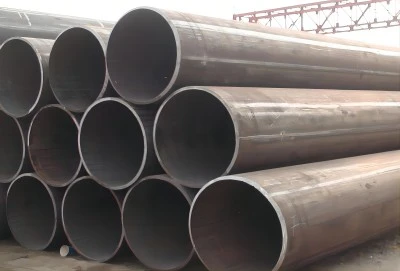

Understanding Hollow Section Pipes in Architecture
Modern building design needs elements that are strong and can be used in a variety of ways. It has become clear that structural hollow sections are the best option for builders and engineers who want to meet all of these needs. These adaptable materials are used for many things in building construction, from supporting huge loads in skyscrapers to making complex facade systems that define the look of a building.
Material Compositions and Their Architectural Impact
The right steel grades have a big effect on both how well they work and how long they last in building uses. Welding and shaping S235 grade steel is very easy, which makes it perfect for basic building projects that need moderate strength. This grade usually has about 0.17% carbon, which gives it enough tensile strength while still letting it be worked on during the production process.
The mechanical qualities of S275 grade are better than those of other grades. It has a higher yield strength that is useful in medium-load architectural uses. The controlled chemical makeup makes sure that the structural frames work well and that the fabrication properties are good, which is important for complex building shapes.
When it comes to high-stress building uses, S355 grade is the best choice. This grade has a high tensile strength of up to 490 MPa, which makes it perfect for demanding structural jobs like long-span roof systems, high-rise frames, and heavy-duty industrial buildings where safety must be paramount.
Manufacturing Processes and Quality Assurance
Architectural hollow sections are made using complex manufacturing methods that have a direct effect on the quality of the finished product. Electric Resistance Welding (ERW) processes make joints that are completely seamless. These joints keep the structure strong and give visible building elements the smooth surfaces they need. Advanced heat treatment methods improve the qualities of materials and make sure they work the same way in all kinds of environments.
During the manufacturing process, quality control methods include checking the dimensions, analyzing the chemical composition, and trying the mechanical properties. These steps make sure that international standards like ASTM A500, EN10219, and AS/NZS 1163 are followed. This gives builders and engineers faith in the performance of the materials and their ability to follow the rules.
Comparing Hollow Section Pipes: Making the Right Choice for Your Project
An important part of being successful as an architect is choosing the right hollow section pipe design for the job. When you choose a shape, it affects not only how well the structure works, but also how it looks and how much upkeep it will need in the future.
Profile Configurations and Their Structural Benefits
Square hollow sections are very good at resisting twisting and spreading loads evenly, which makes them very useful in frame building where forces act in many directions. The equal-sided layout makes it easier to figure out how to connect things and gives the building clean lines that are popular in modern architecture. When high strength-to-weight ratios are needed while keeping the look of balance, these shapes are the best choice.
Rectangular hollow sections are great for beams and other structural parts that are loaded in only one direction because they offer the best twisting resistance in that direction. Because there are different aspect ratios, engineers can exactly match the section properties to the load needs. This makes the best use of materials while still making sure the structure is strong enough.
When they are compressed along their length, circular hollow sections work better than flat ones, and they're also very resistant to bending failure modes. Their smooth outsides make them easier to clean and maintain, and they naturally fight wind loads and earthquake forces. Because of these qualities, circular sections work especially well for open building parts and places that are prone to earthquakes.
Material Comparison and Performance Analysis
When you look at empty parts next to solid steel ones, the weight advantage is clear right away. When compared to solid parts of the same strength, hollow shapes usually lose 40 to 60 percent of their weight. This saves a lot of money on foundation costs and shipping costs. This weight efficiency directly leads to less complicated building and better project costs.
The difference between coated and stainless steel types shows important things to think about when it comes to long-term reliability. Hot-dip galvanizing is a cheap way to protect against rust that works well in most building settings. Stainless steel, on the other hand, is better at withstanding harsh conditions like chemical or coastal exposure. The higher price of stainless steel at first often pays for itself in lower upkeep costs and longer service life.
How to Select the Best Hollow Section Pipe for Architectural Applications
When choosing open parts strategically, you need to look at a lot of technical and economic factors in a planned way. Material choices must be based on the needs of the particular project in order to get the best performance over the building's design life while keeping costs low.
Load Requirements and Structural Analysis
Understanding how loads behave is the first step in choosing the right open part. Baseline standards, which set basic section properties, are made up of dead loads from building parts and live loads from people using the building. Environmental loads like wind, earthquake, and snow forces make things more complicated and need a thorough study of how they respond dynamically.
Because hollow section pipe is so thin, buckling resistance is especially important in these situations. To keep things from breaking too soon, Euler bending calculations need to take into account effective lengths and support conditions. Local buckling of thin-walled parts needs more thought, especially when there are connection places or loads that are concentrated.
Environmental Considerations and Durability Factors
Conditions of exposure have a big effect on the choice of material and the need for protective coatings. In cities with a lot of pollution, rust protection needs to be better, and in factories, chemicals may need to be resistant to certain situations. Coastal areas have special problems with salt spray and humidity that make it hard to choose the right materials and plan for upkeep.
Changes in temperature cause thermal forces that need to be taken into account in the design and choice of materials. The thermal expansion of hollow parts can be predicted, which makes it possible to accurately figure out moving joints and expansion provisions. Understanding these patterns stops problems before they happen and keeps structures strong during changes in yearly temperature.
Certification Requirements and Quality Standards
Following the relevant building rules and standards makes sure that the building is legal and that it works as it should. For pipeline uses, API 5L approval gives you peace of mind, and ASTM A500 compliance covers structural applications. European uses follow EN10219 standards, while projects in Australia and New Zealand follow AS/NZS 1163 standards.
Quality management systems like ISO 9001 show that a company is dedicated to making sure that the quality of its products is always the same. Environmental management standards like ISO 14001 show that responsible manufacturing practices are becoming more and more important to programs that promote green building. Health and safety approvals are another way to be sure that work methods are safe.
Procurement Insights: Buying Hollow Section Pipes for Architecture
Procurement strategies that work well match the need for quality with the need to save money, all while making sure that deliveries happen on time so that projects can stay on plan. Knowing how the market works and what suppliers can do lets you make smart decisions that improve project results.
Supplier Evaluation and Partnership Development
Reliable makers with a history of doing good work are important for the success of architectural projects. Companies like Longma Group, which has been making things for more than 20 years and makes more than 1,000,000 tons of goods every year, can handle the size and regularity of big building projects. A wide range of certifications, such as API 5L, ISO 9001, and other foreign standards, show that a company is dedicated to quality and compliance.
Advanced welding methods, high-tech inspection tools, and full heat treatment facilities are used in the manufacturing process to make sure that the quality of the products meets strict design requirements. Having ties with trustworthy steel mills like Shagang, TISCO, and Bao Steel lets you track materials and make sure they are of good quality from the raw materials to the finished goods.
Offering value-added services like manufacturing, welding, and anti-corrosion techniques makes buying things easier and makes projects simpler. Full sets of paperwork, like Material Test Certificates (MTC), Inspection and Test Plans (ITP), and Manufacturing Procedure Specifications (MPS), make it easier to get projects approved and follow the rules.
Pricing Strategies and Volume Considerations
Understanding how prices work is important for making good budget plans and reducing costs. Large architectural projects can benefit from volume discounts, and orders that are bigger than the normal stock sizes of 50 to 150 tons can save you a lot of money. Custom sizes make it possible to get the most out of the materials you use while keeping prices low.
For complicated building projects with changing deadlines, delivery schedule flexibility is very important. Rapid shipping choices with wait times as short as seven days can meet urgent needs, and standard scheduling lets you save money by planning production well. When you know about these choices, you can make procurement plans that meet both cost and time requirements.
Case Studies and Applications: Hollow Section Pipes in Architectural Projects
Real-life examples show how flexible and better performing hollow section pipes can be in a wide range of building settings. These examples can help you plan future projects and learn what to think about when putting them into action.
Commercial Building Applications
When building tall buildings, hollow pieces are often used for structure framing systems because they are strong and light at the same time. Because hollow sections lower dead weight, floor areas can be raised while still keeping structural integrity. This directly improves the project's costs. Hollow sections can make exposed structure elements look better by giving them clean lines, so they don't need any extra architectural covering.
Modern business building needs to meet a lot of complex geometric standards. Hollow sections make this possible. Custom features for bending, cutting, and connecting parts meet specific design needs while keeping the structure's performance. Being able to make complicated three-dimensional shapes lets builders make new designs that were previously limited by the materials that could be used.
Industrial and Infrastructure Projects
Corrosion resistance and durability are good qualities for industrial buildings that use properly defined hollow sections. These materials are used to keep the structure of chemical processing plants, factories, and offshore sites strong in harsh weather conditions. The mix of strength and resistance to corrosion is especially useful in places where upkeep can't be easily accessed.
Infrastructure projects like bridges, transportation hubs, and utility buildings use hollow parts because they are stronger than solid sections and work better in earthquakes. Because they behave predictably under dynamic loading conditions, these materials are perfect for places that are likely to have earthquakes and where structure stability is very important.
Conclusion
Hollow section pipes continue to shape modern building possibilities because they offer a unique mix of strong structure, a wide range of aesthetic options, and low cost. Carefully choosing the right grades, sizes, and protective treatments guarantees the best performance in a wide range of building uses while keeping costs low throughout the span of the project. Knowing about the qualities of materials, how they can be made, and the skills of suppliers helps you make smart purchasing choices that lead to good architectural results. As building standards change to require more performance and sustainability, hollow sections give architects the technical base they need to come up with new ways to solve problems that will arise in the future while still meeting the needs of today's projects.
Partner with Longma Group for Premium Hollow Section Solutions
Longma Group is ready to help you with your building projects by providing you with high-quality hollow section pipes that are made to the strictest industry standards. We have a wide range of products in S235, S275, and S355 grades, with outside sizes ranging from 1/2" to 72" and thicknesses from SCH10 to SCH160, so we can meet the needs of your job. We've been a known hollow section pipe manufacturer for more than 20 years. We keep 50–150 tons in stock and can send quickly within seven days to keep your projects on track. Email our engineering team at info@longma-group.com to talk about your building hollow section needs and find out how our complete solutions can help your next project succeed.
FAQ
①What factors determine the appropriate hollow section size for architectural applications?For building uses, the right hollow section size is mostly based on load needs, span lengths, and deflection limits. To set the minimum section modulus standards, structural engineers have to figure out the bending moments, axial forces, and mixed loading conditions. In long-span situations where serviceability is more important than strength, deflection factors are often used to make the choice. Connection details and limits on manufacturing may mean that theoretically ideal sizes need to be changed to work with real-world building issues.
②How do the factors outside affect how well open sections work in buildings?
The environment has a big effect on both the choice of material and the type of protective covering that is needed for building hollow parts. Coastal areas that are exposed to salt spray need better rust protection, which can be achieved by coating or choosing stainless steel. Pollution from cities and factories makes the air more acidic, which speeds up the rusting of steel surfaces that aren't covered. Temperature changes cause thermal forces that need to be taken into account in the design and choice of materials for expansion joints. Knowing the conditions of the local area helps you choose the right materials and safety measures.
③What kinds of certificates should providers of architectural hollow parts give you?
Suppliers should give full proof paperwork, such as Material Test Certificates (MTC) that confirm the chemical make-up and mechanical qualities. Standards like ASTM A500, EN10219, or AS/NZS 1163 must be met in order for the product to be suitable for building uses. Quality management system certifications, such as ISO 9001, show that work methods are consistent and that quality is being controlled. Specifications for manufacturing procedures and inspection test plans make production methods and quality control measures clear. For important uses or certain project needs, third-party inspection certificates may be needed.








