
When it comes to galvanised mild steel pipe, hot-dip galvanising is the better option for tough industrial uses. This technique makes a metallurgical bond with zinc layers that are 85 to 200 microns thick. Cold galvanising, on the other hand, only makes a bond with zinc layers that are 20 to 50 microns thick. Hot-dip galvanised mild steel pipe is the best choice for transporting oil and gas, building offshore platforms and other structural uses that need to last for decades without breaking down.
|
|
|
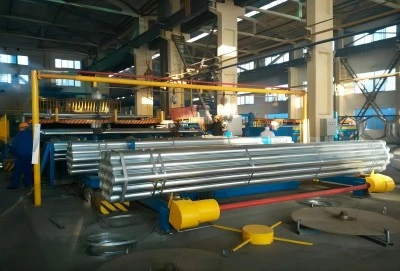
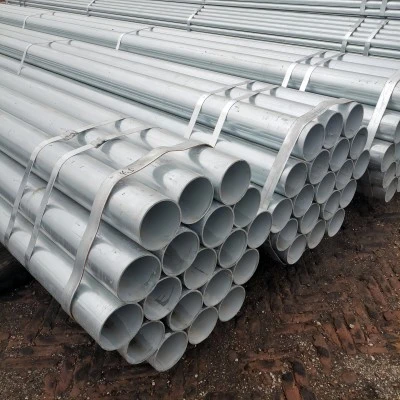
Understanding Galvanization Methods for Steel Pipe Protection
Corrosion prevention for galvanized mild steel pipes is very important in many fields. Hot-dip galvanising and cold galvanising are the two main ways to galvanise. Both procedures put a zinc coating on steel, but the way they are used, how well they work, and how long they last are all quite different.
In hot-dip galvanising, cleaned steel pipes are dipped in molten zinc at temperatures as high as 450°C (842°F). This heat method creates an intermetallic layer where zinc and steel link directly. Cold galvanising, sometimes called zinc-rich coating, is a process that uses painting or spraying to apply zinc particles that are suspended in an organic or inorganic binder.
Choosing amongst these technologies for corrosion-resistant pipe coating affects the cost of the project, the timetable for maintenance, and the dependability of the operation. Knowing the main distinctions between them helps people make smart choices about engineering projects like building bridges, supplying water, and creating things in factories.
Hot-dip galvanising is the best way to safeguard critical infrastructure projects from corrosion. Cold galvanising is good for temporary buildings or instances where repairs need to be made in a small area.
Technical Specifications: Hot-Dip vs Cold Galvanized Coating Performance
Zinc Coating Thickness AnalysisHot-dip galvanising gives pipes a far thicker layer of zinc protection. Tests in a lab show that hot-dip methods can make coatings that are 85 to 200 microns thick, whereas cold galvanising procedures can only make coatings that are 20 to 50 microns thick. This difference in thickness directly affects how long it takes for corrosion to happen.
Standard test techniques based on ASTM A123 show that hot-dip galvanised coatings may preserve things for 50 to 70 years in rural areas. In industrial areas of cities, things usually last 20 to 25 years. Cold galvanised coatings protect for 10 to 15 years under the same circumstances.
Adhesion Strength Comparison
Three core performance differences distinguish these coating methods:
- Metallurgical bonding: Hot-dip processes create intermetallic layers achieving adhesion strengths exceeding 3,500 PSI
- Mechanical bonding: Cold galvanizing relies on surface preparation and chemical adhesion, typically achieving 1,200-2,000 PSI
- Temperature resistance: Hot-dip coatings withstand thermal cycling from -40°C to +200°C without delamination
Pull-off testing done according to ASTM D4541 standards backs up these differences in adhesion strength. The hot-dip galvanised mild steel pipe's exceptional bonding properties make sure that the coating stays intact while the pipe is under mechanical stress and during thermal expansion cycles, which are frequent in pipeline applications.
Hot-dip galvanising makes coating systems more stable when it comes to high temperature changes. Cold galvanising works well for situations with less thermal stress at room temperature.
Corrosion Resistance: Real-World Performance Data
Marine Environment TestingIndependent testing facilities have conducted extensive exposure studies comparing galvanized steel pipe performance in corrosive environments. Data from 10-year marine exposure tests demonstrate significant performance differences:
Hot-Dip Galvanized Performance:
- Average corrosion rate: 2.5 microns per year
- Coating integrity after 10 years: 85% retention
- Red rust appearance: 12-15 years in marine environments
Cold Galvanized Performance:
- Average corrosion rate: 8.2 microns per year
- Coating integrity after 10 years: 45% retention
- Red rust appearance: 3-5 years in marine environments
Industrial Atmosphere Resistance
Chemical processing plants and oil refineries have tough weather conditions. Temperature changes, salt spray, and sulphur compounds all speed up the breakdown of coatings. Field experiments that lasted 15 years show that hot-dip galvanised systems keep their protective properties far longer than cold galvanised systems.
Hot-dip galvanised coatings can withstand air corrosion rates of 0.5 to 2.0 microns per year, according to testing techniques that meet ISO 12944 standards. Under the same conditions, cold galvanising rusts at a rate of 3 to 8 microns each year.
Hot-dip galvanising makes steel pipe systems more reliable for a longer time, so you may use them for building offshore platforms or processing chemicals. Cold galvanising could be enough for short-term applications or installations inside where the climate can be regulated.
Application Suitability Across Industries
Oil and Gas Transportation InfrastructurePipeline networks spanning hundreds of kilometers require coating systems capable of providing decades of protection. Hot-dip galvanized mild steel pipe offers superior performance for:
- Natural gas distribution networks
- Crude oil transportation pipelines
- Offshore drilling platform applications
- Processing facility interconnections
The robust zinc coating withstands soil conditions, cathodic protection interference, and mechanical stress from ground movement. Projects like the MOBIL OIL AUSTRALIA infrastructure development rely on hot-dip galvanizing for critical pipeline segments.
Cold galvanizing finds limited application in oil and gas sectors, primarily for:
- Temporary construction support structures
- Non-critical auxiliary piping
- Indoor facility connections
- Emergency repair applications
Water Supply System Applications
Municipal water infrastructure demands long-term reliability and minimal maintenance requirements. Hot-dip galvanized water pipes provide 50-100 years of service life depending on water chemistry and soil conditions. The thick zinc coating prevents iron contamination and maintains water quality standards.
Cold galvanized coatings may experience premature failure in buried water service applications. However, they work effectively for:
- Above-ground distribution networks
- Temporary water supply connections
- Emergency repair situations
- Indoor plumbing applications
If you need buried water distribution systems or long-term municipal infrastructure, hot-dip galvanizing ensures regulatory compliance and operational reliability. Cold galvanizing suits temporary or above-ground installations requiring cost-effective protection.
Economic Analysis: Cost vs Performance Benefits
Initial Investment ConsiderationsHot-dip galvanizing typically costs 15-25% more than cold galvanizing for initial application. This premium reflects the energy-intensive thermal process, specialized equipment requirements, and thicker zinc application. However, lifecycle cost analysis reveals significant economic advantages.
Cost Breakdown Analysis:
- Hot-dip galvanizing: $2.50-4.00 per square meter
- Cold galvanizing: $1.80-3.00 per square meter
- Maintenance cost differential: 60-80% lower for hot-dip systems
- Service life extension: 300-400% longer protection period
Lifecycle Economic Impact
Engineering contractors say that choosing hot-dip galvanising for long-term projects may save them a lot of money. Higher initial expenses are worth it because of shorter maintenance intervals, longer replacement schedules, and better system dependability after 5 to 7 years of use.
Case studies from infrastructure projects in the Middle East show that hot-dip galvanized mild steel pipe is the best option for projects that will be in use for more than 10 years. The harsh weather speeds up the breakdown of cold galvanising, which means that it needs to be reapplied and the system needs to be replaced often.
Hot-dip galvanising is the best way to preserve projects that will last for decades without breaking the bank. When the goal is to keep costs down at first, cold galvanising is a good choice for short-term uses.
Manufacturing Process Standards and Quality Control
International Compliance RequirementsBoth galvanizing methods must meet stringent international standards governing zinc coated pipe production. Key specifications include:
Hot-Dip Galvanizing Standards:
- ASTM A123: Standard Practice for Zinc Coating
- ISO 1461: Hot Dip Galvanized Coatings on Iron and Steel
- EN ISO 14713: Zinc Coatings Guidelines and Recommendations
Cold Galvanizing Standards:
- ASTM A780: Practice for Repair of Damaged Hot-Dip Galvanized Coatings
- ISO 12944: Paints and Varnishes - Corrosion Protection
- NACE SP0178: Design, Fabrication, and Surface Finish Practices
Quality Assurance Protocols
Manufacturing plants need to put in place full quality management systems to make sure that the coating works the same way every time. Testing processes include checking the thickness of the coating, the strength of the adhesion, and the resistance to corrosion.
Advanced inspection tools, such magnetic induction gauges and microscopic examination, make sure that the standards are met. Batch testing techniques check that the coating is even on pipes with outer diameters between 60.3 mm and 1422 mm.
Reputable manufacturers will give you all the paperwork you need to prove that you meet API 5L and ASTM A53 requirements, including Material Test Certificates and Inspection Test Plans. Quality verification makes ensuring that the project meets all of its requirements and follows all of the rules.
Selecting the Right Galvanizing Method for Your Project
Project-Specific Decision FactorsSeveral critical parameters influence galvanizing method selection for steel pipe applications. Environmental exposure conditions rank as the primary consideration, followed by service life requirements and budget constraints.
Environmental Assessment Criteria:
- Atmospheric corrosivity classification (C1-C5 categories)
- Soil chemistry and resistivity measurements
- Temperature cycling frequency and range
- Mechanical stress and vibration exposure
- Maintenance accessibility and scheduling
Performance Optimization Strategies
Successful project outcomes depend on matching coating capabilities with operational demands. Hot-dip galvanizing excels in severe corrosive environments where long-term reliability justifies premium pricing. Cold galvanizing provides adequate protection for controlled environments with regular maintenance access.
Engineering teams should evaluate total project lifecycle costs rather than focusing exclusively on initial material expenses. The superior durability of hot-dip galvanized systems often generates substantial economic benefits through reduced maintenance requirements and extended service intervals.
If you need guidance selecting optimal corrosion protection strategies for specific applications, consulting with experienced galvanized steel tube suppliers ensures informed decision-making. Technical expertise helps identify cost-effective solutions meeting performance requirements and regulatory standards.
Partner with Longma Group for Premium Galvanized Mild Steel Pipe Solutions
Longma Group stands as a leading galvanized mild steel pipe manufacturer with over 20 years of industry expertise and annual production exceeding 1,000,000 tons. Our comprehensive galvanizing capabilities encompass both hot-dip and cold galvanizing processes, enabling optimal solutions for diverse project requirements. With operations spanning 90+ countries and proven experience on projects like MOBIL OIL AUSTRALIA infrastructure development, we deliver certified quality meeting API 5L, ASTM A53, and international standards. Contact our technical team at info@longma-group.com for expert consultation on your next galvanized mild steel pipe procurement.
Conclusion
Hot-dip galvanizing emerges as the superior choice for demanding industrial applications requiring extended service life and maximum corrosion protection. While cold galvanizing offers cost advantages for short-term applications, the enhanced durability, adhesion strength, and lifecycle economics of hot-dip galvanized systems provide compelling benefits for critical infrastructure projects. The selection between these coating methods should consider environmental exposure, service life requirements, and total ownership costs rather than initial material pricing alone. Understanding these performance differences enables informed decision-making that optimizes project outcomes and operational reliability.








