
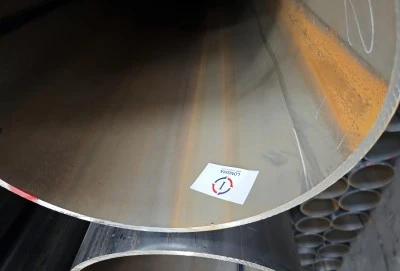
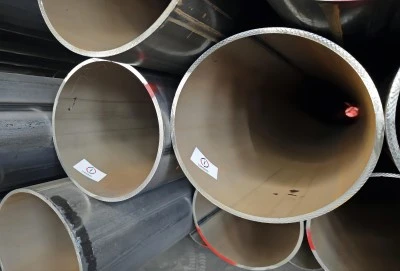
API 5L steel pipe systems change the way energy is moved by making it more efficient with better mechanical qualities, standardized production procedures, and chemical compositions that are as good as they can be. These carbon steel pipes are very strong and can handle a lot of pressure. They also guard against corrosion and keep their shape in oil, gas, and water transportation networks. The standardized grading system from Grade B to X80 makes it easy to choose the right materials depending on operating needs. The PSL1 and PSL2 specifications make sure that quality and performance criteria are always the same, which makes pipelines more reliable and lowers maintenance costs.
 |
|
Understanding API 5L Steel Pipes and Their Role in Energy Transport
Understanding the advanced engineering underlying API 5L requirements is the first step to making energy transportation more efficient. These standardized pipes are the result of decades of progress in pipeline technology. They were made to fulfill the high standards of current energy infrastructure.
Technical Specifications and Grade Classifications
API 5L has several grades, from Grade B to X80. Each grade is made with a different chemical composition that affects its mechanical qualities and how well it can work. Grade B works well for moderate-pressure uses, while higher grades like X65 and X70 work better in tough conditions, with yield strengths of up to 70,000 PSI. The X80 grade is the best in pipeline technology. It has great strength-to-weight ratios that let you build longer spans with fewer support structures.
The difference between PSL1 and PSL2 criteria shows that the quality control needs are different. PSL2 requires higher limitations on chemical composition, more thorough mechanical testing, and stricter inspection rules. This higher quality guarantees better toughness and weldability, which is especially important for offshore platforms and pipeline sections where failure risks must be kept to a minimum.
Manufacturing Excellence Through Advanced Processes
Modern API 5L pipe production uses both seamless and welded methods. For large-diameter applications, LSAW (Longitudinal Submerged Arc Welded) and ERW (Electric Resistance Welded) technologies are the most common. LSAW manufacturing creates robust longitudinal welds through submerged arc welding, producing pipes with excellent dimensional accuracy and superior mechanical properties. ERW technology provides affordable options for medium-diameter uses while keeping quality requirements high.
Ultrasonic testing, hydrostatic pressure testing, and non-destructive inspection procedures are all part of quality control in production. These thorough inspection processes check for consistent wall thickness, weld integrity, and dimensional conformity. Advanced heat treatment methods improve the formation of the microstructure, making it tougher and lowering residual stresses that might harm long-term performance.
Material Traceability and Certification Standards
Every shipment of API 5L pipes comes with a lot of paperwork, such Material Test Certificates (MTC), Manufacturing Procedure Specifications (MPS), and Inspection Test Plans (ITP). This paperwork lets you trace all the materials from the accreditation of the steel mill to the final inspection findings. Getting raw materials from well-known steel makers makes guarantee that the chemical makeup and mechanical qualities of each production batch are the same.
Key Factors Driving Energy Transport Efficiency with API 5L Steel Pipes
The impressive efficiency benefits that come from using API 5L come from several different elements that work together to improve pipeline performance in a variety of operating settings. Knowing these factors that affect efficiency helps people make smart choices about building energy infrastructure.
Enhanced Corrosion Resistance Through Optimized Chemistry
API 5L steel pipe has chemical compositions that are precisely adjusted so that they don't need expensive alloy additives to be resistant to corrosion. The regulated amount of carbon, together with manganese, silicon, and other alloying elements, makes microstructures that don't break down when exposed to electricity. This inherent resistance to corrosion makes pipelines last longer and cuts down on the number of times they need to be serviced and the expenditures that come with it.
3LPE (Three-Layer Polyethylene), FBE (Fusion Bonded Epoxy), and 2PP (Two-Layer Polypropylene) are some of the most advanced anti-corrosion coatings that provide even more protection against corrosion from the outside. Smooth surface finishes that reduce turbulence and pressure losses improve internal flow characteristics, which immediately improves transport efficiency. When you mix the chemistry of the materials with protective coatings, you get whole corrosion control solutions that keep pipelines safe for a long time.
Superior Mechanical Strength and Pressure Handling
API 5L grades have great mechanical qualities that let them work at high pressures over long distances without the need for intermediate pumping stations. Higher-grade materials like X70 and X80 can handle operating pressures of more than 1,440 PSI, which lets single pipeline systems handle more throughput. This capacity to handle pressure immediately leads to better energy transport efficiency by lowering the amount of compression needed and the amount of energy used to run the system.
Yield strength properties make ensuring that the material works well even when it is under dynamic loads, such as thermal expansion, ground movement, and changes in operational pressure. API 5L materials are tougher than other materials, which makes them less likely to break and makes the whole system safer while still allowing for constant transit capacity. These mechanical benefits help pipeline designers choose the best path and make the infrastructure less complicated.
Installation and Handling Advantages
Optimized weight-to-strength ratios make it simpler to handle during installation, which shortens construction time and costs. The API 5L specification uses standard sizes so that it works with current infrastructure and building tools. Pre-qualified welding methods and defined joint configurations make it easier to install things in the field while still meeting quality requirements.
You may choose from a range of outer diameters, from 1/8" to 80", and thicknesses, from SCH10 to SCH160, to get the exact size you need for your project. This flexibility in size improves flow properties while using less material and making installation easier. Standardized ways to prepare ends and join them cut down on the amount of work that needs to be done in the field, speeding up project completion times.
Comparing API 5L Steel Pipes with Alternative Pipeline Solutions
To choose the best materials, you need to know how API 5L pipes stack up against other pipeline technologies in terms of performance, cost, and use. This study gives the technical basis for making better choices about what materials to use.
API 5L versus API 5CT Performance Analysis
API 5L and API 5CT are both specifications that are useful in the oil and gas sector, although they are meant for quite different types of work. API 5CT pipes are made for use in wellbores as casing and tubing. They are designed to be resistant to collapse and hold internal pressure. The grade designations and testing criteria show that these particular uses have higher burst pressure limits.
API 5L requirements put the most important things for transportation pipes at the top: longitudinal strength and resistance to external pressure. The yield strength progression from Grade B to X80 gives you different levels of performance that are appropriate for different safety concerns and operational requirements. API 5L focuses on welded joints that are best for permanent installation, whereas API 5CT uses threaded connections that are more prevalent.
API 5L is better for transportation since it has optimized wall thickness specifications and standardized production procedures, which makes it cheaper. When making API 5L, the economies of scale make it possible to offer affordable prices for pipeline projects with big diameters and long distances. API 5CT requirements would be too expensive and over-engineered for these projects.
Stainless Steel Comparison and Application Optimization
Stainless steel pipes are great for very corrosive situations because they are made of chromium and nickel, which makes them very resistant to rust. But the cost of the materials is much greater than API 5L equivalents, and you usually have to spend 3 to 5 times more at first. Because of this price difference, stainless steel can only be used in certain situations when API 5L corrosion protection isn't enough.
Mechanical properties of austenitic stainless steels typically provide lower yield strength compared to high-grade API 5L steel pipe materials like X70 or X80. Because of this difference in strength, stainless steel needs thicker walls or lower working pressures. This might make the corrosion resistance benefits less useful because of the higher material and installation costs.
When designing pipelines, stainless steel needs more expansion joints and support structures than carbon steel because it expands more when heated. API 5L materials are more stable in all temperature ranges, which lowers the amount of thermal stress and support structures needed. Most energy transportation applications choose API 5L because it is cheaper, stronger, and easier to install than other options.
Economic Analysis and Performance Optimization
Life-cycle cost study repeatedly shows that API 5L is more cost-effective for most energy transportation projects. The initial cost of the materials is still competitive, and they have performance attributes that save operational costs by requiring less maintenance and lasting longer. The standardized production procedures make it possible to reliably produce on time, which helps meet project deadlines.
Operational efficiency benefits include better flow characteristics that lower the amount of energy needed to pump and the amount of pressure lost. The clean insides and constant dimensional tolerances reduce turbulence and friction losses that slow down transportation. These operational benefits add up to big savings over the customary 30 to 50 years that a pipeline is in use.
Procurement Considerations for B2B Clients
To successfully buy API 5L, you need to find a balance between technical needs, supplier skills, quality assurance, and logistics. Knowing these variables helps you choose the best materials and suppliers to help your project succeed.
Grade Selection and Engineering Alignment
Choosing the right grade starts with a thorough look of the operating pressures, ambient conditions, and safety needs. Grade B works well for low- to moderate-pressure situations when saving money is the most important thing. Higher grades, such X52 and X60, make medium-pressure systems stronger while still being cost-effective for most transit uses.
X70 or X80 grades, which offer the most strength and toughness, may be needed in very harsh situations. These high-quality grades can handle high-pressure work and tough climatic circumstances, such as offshore platforms, arctic areas, and places where earthquakes are common. The extra expense of higher classes is typically worth it because they need less wall thickness and have better safety margins.
For important applications where better quality control and documentation give extra peace of mind, PSL2 standards should be used. PSL2's tougher limitations on chemical composition and more thorough testing requirements assist applications when the costs of failure warrant high quality standards. This includes places with a lot of consequences, offshore sites, and projects that need to last a long time.
Supplier Evaluation and Quality Assurance
The first step in a full supplier evaluation is to check the API 5L manufacturing licenses and quality management certificates. ISO 9001 accreditation shows that a company has good quality management systems in place, whereas API Monogram licenses show that a company meets API production and testing standards. ISO 14001 and OHSAS 18001 are two more certifications that show a commitment to managing safety and the environment.
Facility audits, production capacity analysis, and quality control system review should all be part of a manufacturing capabilities assessment. Advanced manufacturers use automated welding systems, high-tech inspection tools, and full testing labs to make sure that their products are always of high quality. For making high-quality API 5L steel pipe, heat treatment capabilities and non-destructive testing equipment are very important parts of the infrastructure.
The capacity to manage the supply chain affects how reliable deliveries are and how well projects are supported. Established firms have strong ties with their suppliers of raw materials, well-organized logistics networks, and inventory control systems that can handle tight delivery dates. For complicated projects, having technical support options like engineering advice and specialized manufacturing choices is quite helpful.
Logistics and Inventory Optimization
To optimize the delivery schedule, you need to find a balance between the expenses of carrying inventory, the time it takes to make things, and the logistics of getting them there. Standard grades usually have shorter lead times since they follow the same production schedule, while customized grades may need longer manufacture times. By collaborating with suppliers to manage inventory strategically, you may cut down on project delays and make the most of your working capital needs.
Transportation logistics have a big effect on the entire cost of delivery, especially for large-diameter pipes that need specific handling equipment. Domestic vendors frequently provide lower costs since they have shorter shipping distances and easier logistical coordination. International vendors may have lower prices for large orders since they may save money on shipping by combining shipments.
When writing procurement specifications, you should set quality documentation criteria to make sure that the project needs are met. Engineering contractors and regulatory bodies need MTC, ITP, and MPS as part of their complete documentation packages. These packages offer important information for tracking and quality assurance.
Conclusion
API 5L steel pipes are great at transporting energy because they have optimal mechanical qualities, consistent production quality, and full quality assurance procedures. The progressive performance characteristics from Grade B to X80 make it possible to choose the right material for a wide range of uses while balancing operational needs with cost savings. These pipes are the best choice for building contemporary energy infrastructure because they resist corrosion better, can handle more pressure, and are easier to install. Comprehensive procurement strategies that focus on supplier quality, technical capabilities, and logistical support guarantee project success while optimizing long-term operating efficiency and dependability.
Contact Longma Group for Premium API 5L Steel Pipe Solutions
Enhance your energy transportation projects with Longma Group's premium API 5L steel pipe solutions. Our extensive manufacturing experience, comprehensive product portfolio, and dedicated technical support ensure optimal material selection for your specific applications. Contact our expert team at info@longma-group.com to discuss your project requirements and explore our complete range of API 5L steel pipe manufacturer capabilities.
FAQ
What grade of API 5L pipe should I select for my project?Grade selection depends on operating pressure, environmental conditions, and safety requirements. Grade B suits moderate-pressure applications, while X52-X60 provides enhanced strength for medium-pressure systems. High-pressure and critical applications may require X70 or X80 grades that offer maximum strength and toughness.
How do PSL1 and PSL2 specifications differ?
PSL2 specifications mandate stricter chemical composition limits, enhanced mechanical testing, and more rigorous inspection protocols compared to PSL1. PSL2 ensures superior toughness and weldability, making it appropriate for critical applications including offshore platforms and high-consequence pipeline segments.
What delivery timeframes can I expect for API 5L pipes?
Standard grades typically maintain delivery schedules within 7+ days for urgent requirements, while specialized grades may require extended manufacturing periods. Delivery timelines depend on grade specifications, dimensional requirements, and current production schedules.
Are custom manufacturing options available?
Comprehensive custom manufacturing capabilities include specialized end treatments, beveling, custom coatings, and dimensional modifications. Technical consultation services support specification development and optimization for unique project requirements.








