
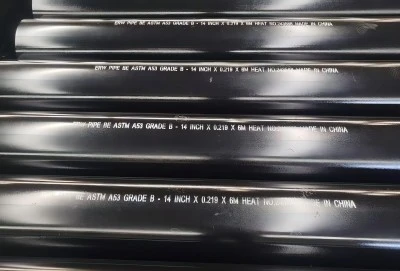
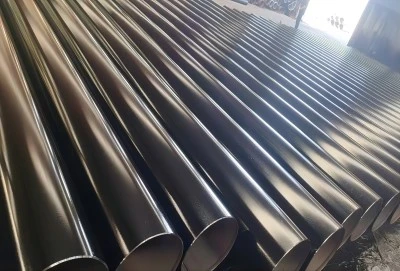
Anti-corrosion steel pipes are essential components in various industries, from oil and gas to water treatment and construction. Their ability to withstand harsh environmental conditions is crucial for maintaining the integrity and longevity of pipeline systems. In this article, we'll explore how anti-corrosion steel pipes perform under different climatic conditions and why they're the preferred choice for many applications.
|
|
|
Marine Climatic Conditions
Marine environments present some of the most challenging conditions for steel pipes. The combination of saltwater, high humidity, and fluctuating temperatures can accelerate corrosion and deterioration. However, anti-corrosion steel pipes are specifically designed to combat these harsh conditions.
In marine climates, these pipes are often coated with specialized materials such as epoxy or polyethylene. These coatings create a barrier between the steel and the corrosive elements, significantly extending the life of the pipe. Additionally, some anti-corrosion pipes utilize cathodic protection systems, which use an electrical current to prevent corrosion.
The performance of anti-corrosion steel pipes in marine conditions is remarkable. They can maintain their structural integrity for decades, even when constantly exposed to saltwater spray and high humidity. This durability makes them ideal for offshore oil rigs, coastal industrial plants, and marine transportation systems.
Moreover, these pipes are resistant to biofouling, which is the accumulation of microorganisms, plants, algae, or animals on wetted surfaces. This resistance helps maintain the pipe's efficiency and reduces maintenance costs in marine applications.
High Temperature And High Humidity Environment
High temperature and high humidity environments pose another set of challenges for steel pipes. These conditions can accelerate chemical reactions that lead to corrosion and can also promote the growth of corrosion-causing microorganisms.
Anti-corrosion steel pipes are engineered to withstand these extreme conditions. They often incorporate advanced alloys that resist high-temperature corrosion, such as chromium-molybdenum steels. These alloys form a protective oxide layer when exposed to high temperatures, further enhancing their corrosion resistance.
In high humidity environments, anti-corrosion pipes may be coated with moisture-resistant materials or treated with hydrophobic compounds. These treatments repel water and prevent moisture from penetrating the pipe's surface, thereby reducing the risk of corrosion.
The performance of these pipes in high temperature and high humidity conditions is impressive. They can maintain their structural integrity and corrosion resistance even in tropical climates or industrial settings where temperatures and humidity levels are consistently high. This makes them ideal for use in power plants, chemical processing facilities, and geothermal energy systems.
Furthermore, anti-corrosion steel pipes in these environments often incorporate advanced insulation systems. These systems not only protect against corrosion but also help maintain the temperature of the fluids flowing through the pipes, improving overall system efficiency.
Weather Resistance
Weather resistance is a critical factor in the performance of anti-corrosion steel pipes, especially in regions with varied or extreme weather conditions. These pipes must withstand not only corrosion but also physical stresses caused by temperature fluctuations, wind, and precipitation.
Anti-corrosion steel pipes demonstrate excellent weather resistance due to their robust construction and protective coatings. They can endure freeze-thaw cycles without cracking or splitting, making them suitable for use in cold climates. The pipes' coatings also provide UV protection, preventing degradation from prolonged sun exposure in hot, sunny environments.
In areas prone to high winds or seismic activity, anti-corrosion steel pipes show remarkable resilience. Their strength-to-weight ratio allows them to flex without breaking, reducing the risk of leaks or ruptures during extreme weather events or earthquakes.
The weather resistance of these pipes extends to their performance in acidic rain conditions. Many industrial areas and urban centers experience acid rain, which can accelerate corrosion in standard steel pipes. However, anti-corrosion pipes are designed to resist chemical attack from acidic precipitation, maintaining their integrity even in these harsh conditions.
Moreover, anti-corrosion steel pipes often incorporate advanced monitoring systems that allow for real-time assessment of their condition. These systems can detect early signs of wear or damage, enabling proactive maintenance and ensuring optimal performance regardless of weather conditions.
Contact Information
The performance of anti-corrosion steel pipes across various climatic conditions is a testament to their advanced engineering and design. From marine environments to high temperature and humidity settings, and through diverse weather conditions, these pipes demonstrate exceptional durability and longevity.
Their ability to resist corrosion, withstand physical stresses, and maintain structural integrity makes them an invaluable asset in numerous industries. As climate change continues to present new challenges, the importance of reliable, weather-resistant infrastructure cannot be overstated.
For those seeking high-quality anti-corrosion steel pipes, LONGMA GROUP offers a range of products designed to meet diverse environmental challenges. Their specialized anti-corrosion coatings and varied size options make them suitable for a wide array of industrial applications. To learn more about their products and how they can meet your specific needs, don't hesitate to reach out to them at info@longma-group.com.
Investing in anti-corrosion steel pipes is not just about meeting current needs; it's about future-proofing your infrastructure against the unpredictable forces of nature. As we've seen, these pipes are up to the task, no matter what climate conditions they face.