
One of the most important choices that industrial operators have to make today is how to protect their steel infrastructure. When pipes break down because of rust, the expenses go far beyond just fixing them. Production stops, environmental dangers rise, and safety concerns rise sharply. Corrosion not only weakens and shortens the life of a material, but it also costs a lot of money. Companies who are putting money into long-term pipeline projects need to know how to choose the best anti-corrosion steel pipe in order to be successful.
The problem isn't that there aren't enough defensive remedies; it's that there are too many. Each approach has its own pros and cons that make it better for certain climatic situations. For example, classic epoxy systems and sophisticated three-layer polyethylene coatings are both good options. Even if the coating works well in other situations, making the wrong choice might lead to early failure. The goal is to choose the right coating technique for your specific needs, the climate it will be used in, and your budget.
|
|
|
Understanding Anti-Corrosion Steel Pipe Fundamentals
Before getting into particular coating processes, it's important to understand what corrosion is. Corrosion is a chemical process that happens when metal comes into contact with an electrolyte. This makes the metal weaker. Steel pipes are always under attack from chemicals, moisture, oxygen, and soil compounds. These things operate all the time to tear down protective barriers and assault the metal structure underneath.
Corrosion can be either bad or quite mild, depending on the climate. Corrosion happens more quickly in places with high humidity, saltwater exposure, or temperatures that change a lot. Salt spray is a constant problem for coastal sites. Pipelines that are buried underground have to deal with groundwater and soil chemistry. In industrial settings, chemicals are added that speed up the breakdown process. Every situation needs a different way to defend itself.
Modern anti-corrosion steel pipe solutions work through multiple protective mechanisms. Some create physical barriers preventing corrosive substances from reaching metal surfaces. Others employ sacrificial protection, where reactive metals corrode preferentially to shield the base material. Advanced systems combine these approaches, delivering comprehensive protection that extends pipeline service life from years to decades.
The economic implications prove substantial. Pipeline operators who invest wisely in superior coating systems experience dramatically reduced maintenance demands. Unplanned shutdowns decrease. Replacement cycles extend. Over a pipeline's operational lifetime—often spanning 30 to 50 years—the initial coating investment represents a fraction of total ownership costs, yet it fundamentally determines long-term viability.
Comprehensive Analysis of Leading Anti-Corrosion Coating Methods
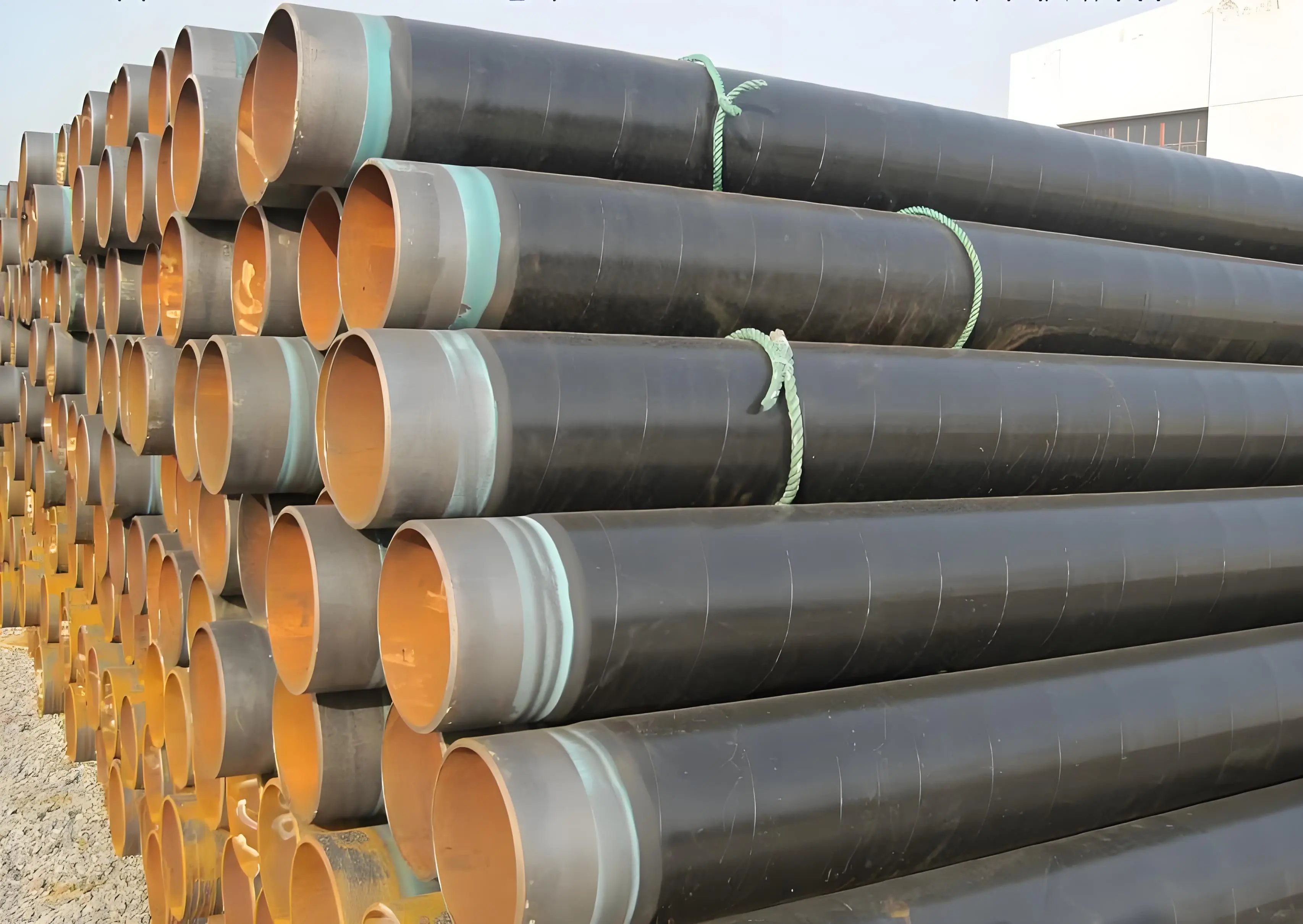
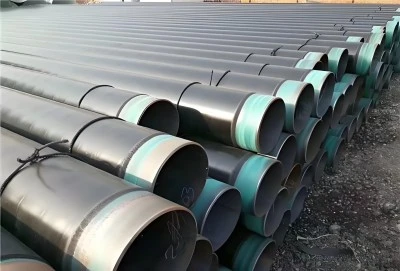
The 3PE coating comprises three layers and is the most common way to stop corrosion in China and across the world. This three-layer polyethylene system is made up of epoxy powder, glue, and polyethylene in a complex way. The petroleum pipeline sector has employed the three-layer polyethylene (3PE) anticorrosive coating a lot since it is resistant to corrosion, lets water vapour through, and has strong mechanical qualities.
Fusion-bonded epoxy powder makes up the initial layer. It is usually more than 100 micrometres thick. This epoxy foundation sticks immediately to steel surfaces that have been prepared, which gives it great adhesion and protection against rusting. The intermediate layer has an adhesive component that is between 170 and 250 micrometres thick. This sticks the epoxy to the outer polyethylene layer. The last layer of polyethylene, which is 2.5 to 3.7 millimetres thick, protects against physical damage during installation and use.
What makes 3PE work so well for pipes that are buried? 3PE anti-corrosion is great for underground pipes, oil and gas pipelines, and other projects because it is waterproof, moisture-proof, and resistant to corrosion. Epoxy's chemical resistance and polyethylene's mechanical toughness provide a strong barrier. Field tests show that the service life is more than 50 years under typical soil conditions.
Fusion-bonded epoxy coatings are another important method for protecting pipelines. Epoxy powder coating is one of the most sophisticated exterior anti-corrosion coatings for pipelines because it is very resistant to corrosion, insulating, and long-lasting. FBE coatings are applied using electrostatic spraying technology. When they come into touch with heated pipe surfaces, they quickly cure and produce thick protective layers.
Single-layer FBE systems work exceptionally well for moderate environments and applications requiring thin-film protection. Double-layer FBE configurations enhance performance significantly. The bottom layer provides corrosion resistance while the upper layer adds mechanical damage resistance. This dual-layer approach extends temperature tolerance and improves impact resistance during handling and installation.
Epoxy coal tar coatings deliver robust protection for demanding applications. Coal tar epoxy, made from epoxy resin and coal tar asphalt, exhibits excellent water and chemical resistance, corrosion resistance, good adhesion, mechanical strength, and insulation properties. These coatings excel in marine environments and industrial settings where chemical exposure remains constant.
The application process typically involves multiple layers. Steel surfaces receive thorough cleaning and priming before technicians apply successive coats of epoxy coal tar material. Glass cloth reinforcement between layers enhances mechanical strength. Final topcoats seal the system, creating a comprehensive protective envelope. While labor-intensive, this method proves cost-effective for critical infrastructure requiring maximum protection.
Zinc-based protective systems operate through sacrificial protection principles. When exposed to corrosive elements like salt and water, the zinc layer will corrode first, sacrificing itself to protect the steel underneath. Hot-dip galvanizing and zinc-rich primers exemplify this approach. Even when the coating sustains scratches or damage, surrounding zinc continues protecting exposed steel, preventing rust creep.
Understanding the distinction between coating families helps in selection. Barrier Coatings form an impermeable layer that blocks corrosive agents like moisture and oxygen from reaching the metal surface. Epoxy and polyurethane systems exemplify barrier protection. Sacrificial coatings like zinc offer a different mechanism, actively corroding to preserve base metals. Hybrid systems combine both approaches for enhanced protection.
Critical Selection Factors for Anti-Corrosion Coating Success
Environmental assessment forms the foundation of proper coating selection. Consider where your anti-corrosion steel pipe will operate. Underground installations face soil chemistry, bacterial activity, and groundwater exposure. Above-ground pipelines contend with UV radiation, temperature fluctuations, and atmospheric pollutants. Marine environments introduce saltwater spray and constant humidity.
Operating temperature significantly influences coating performance. Three Layer Polyethylene is suitable for service temperatures from 60°C to 80°C (85°C peaks).Applications requiring higher temperature tolerance need alternative solutions. Three Layer Polypropylene is suitable for service temperatures up to 135 °C (140°C peaks). Matching coating temperature limits to actual operating conditions prevents premature failure.
Mechanical protection requirements vary by installation method. Directional drilling subjects pipes to severe abrasion as they traverse underground paths. Such applications demand coatings with exceptional impact and abrasion resistance. Conversely, pipes installed in open trenches face less mechanical stress, allowing thinner coating systems. The outer layer, usually over 2.5 mm thick, resists scratches, impacts, and mechanical wear.
Chemical compatibility cannot be overlooked. What substances will contact your pipeline? Water transmission requires food-grade compatible coatings. Chemical process lines need resistance to specific compounds transported. The coating should remain stable when exposed to acids, alkalis, salts, industrial wastewater, and chemical atmospheres. Testing coating samples against actual service fluids prevents costly incompatibilities.
Project timeline and application logistics matter practically. Some coating systems require specialized equipment and controlled factory conditions. Others allow field application with portable equipment. Spray application, dipping, or brushing methods each offer distinct advantages depending on the complexity of the equipment and the required thickness of the coating. Balancing quality requirements with practical constraints ensures successful implementation.
Budget considerations extend beyond initial coating costs. The pipeline coating increases the pipes durability so they can be deployed with minimum maintenance cost even in the harshest environments. Superior coatings command higher initial prices but deliver decades of maintenance-free service. Lesser coatings might reduce upfront investment yet require frequent repairs and premature replacement. Life-cycle cost analysis reveals the true economic picture.
Regulatory compliance shapes coating selection for many industries. Pipeline standards specify minimum coating requirements based on application type and environmental exposure. The coating must prevent penetration of liquid or gas, effectively protecting the pipe surface from corrosion. Ensuring your chosen method meets applicable standards avoids regulatory complications and ensures insurance coverage.
Implementation Best Practices for Maximum Coating Performance
Surface preparation determines coating success more than any other factor. Before opening a single can, professionals ensure the metal is spotless. Contaminants like oil, grease, rust, and mill scale prevent proper adhesion, leading to premature coating failure. Abrasive blast cleaning represents the gold standard for surface preparation.
Clean the steel surface using a cleaning solvent emulsion to remove oil, grease, dust, lubricants, and similar organic matter.This initial cleaning removes surface contaminants that interfere with subsequent treatments. Following solvent cleaning, mechanical methods remove rust and oxides. Wire brushing works for light corrosion, while heavy rust demands sandblasting or shot blasting.
Surface profile creation enhances coating adhesion dramatically. The steel needs the right anchor profile, a slightly rough texture that gives the coating something to grip; if it is too smooth, the paint may peel.Blast media selection—whether steel grit, aluminum oxide, or garnet—determines the resulting surface texture. Specifications typically call for profiles between 40 and 100 micrometers depth, varying by coating type.
Coating application technique impacts final performance significantly. For powder coatings like FBE, maintaining proper steel temperature ensures complete fusion and curing. Liquid coatings demand attention to film thickness, application speed, and environmental conditions. The thickness of the anti-corrosion coating must exceed its critical thickness in order to play a protective role, generally 150μm ~ 200μm.
Quality control throughout application prevents defects. Hitting that target ensures there's enough zinc to provide full galvanic protection while maintaining the coating's integrity; if it is too thin, the steel may be left exposed. Wet film gauges during application and magnetic thickness gauges after curing verify coating meets specifications. Holiday detection identifies coating discontinuities requiring repair before installation.
Environmental control during application proves essential for liquid coating systems. Temperature and humidity affect curing rates and final properties. Coal tar epoxy requires a longer curing time post-application, making it susceptible to adverse effects from weather conditions during this period.Factory-controlled environments eliminate these variables, ensuring consistent coating quality.
Post-application handling requires care to preserve coating integrity. Even tough 3PE coatings can suffer damage from improper storage or rough handling. Establishing protective protocols—including proper stacking, padded contact points, and careful transport—maintains coating quality from factory to final installation. Field repairs using compatible materials address any damage discovered before commissioning.
Making the Right Choice for Long-Term Pipeline Protection
Choosing the best anti-corrosion coating process requires careful thought about several elements that depend on each other. The selection is based on things like the environment, how the machine works, mechanical stresses, chemical exposures, and budget limits. There is no one coating option that works for all uses. To be successful, you need to adapt the coating technique to the needs of the job.
The technology for anti-corrosion steel pipes is getting better and better all the time. Modern coating technologies offer levels of protection that were unthinkable just a few decades ago. Anti-corrosion technology makes pipes last much longer and cuts down on the money lost because of corrosion. Companies that buy better coating systems save money on maintenance, have longer-lasting assets, and have more reliable operations.
For pipeline operators in a wide range of fields, including oil and gas, water distribution, chemical processing, and power generation, the choice of coating is a strategic investment in the long-term health of the infrastructure. The initial prices of different coating techniques might be different, but in the long run, quality always wins out over cost. Even if the initial cost is lower, a coating system that lasts 50 years without needing to be replaced costs a lot less than one that needs to be replaced every 15 years.
Working with experienced manufacturers gives you access to tried-and-true coating technology and application knowledge. Longma Group has been one of China's top manufacturers of ERW/LSAW steel pipes since 2003. They make large-diameter, thick-walled, double-sided submerged arc welded steel pipes. We can cover anything with an anti-corrosion layer, including 3PE, FBE, epoxy coal tar, and custom mixes made for tough jobs.
Our facility in Cangzhou City, Hebei Province—the heart of China's steel pipe manufacturing belt—combines decades of metallurgical expertise with state-of-the-art coating application technology. By the end of 2023, our annual output exceeded 1,000,000 tons, serving critical infrastructure projects worldwide. We manufacture LSAW (Longitudinal Submerged Arc Welded) and ERW steel pipes to the highest international standards.
Whether your project involves buried pipeline infrastructure, above-ground transmission systems, or specialized industrial applications, selecting the right anti-corrosion coating method determines long-term success. Our technical team provides expert consultation, helping you navigate coating options to identify the optimal solution for your specific requirements.
Don't compromise on pipeline protection. Contact Longma Group today to discuss your anti-corrosion steel pipe requirements. Our engineering team stands ready to recommend coating systems engineered for your application's unique challenges. Reach us at info@longma-group.com for technical consultation and quotations. Invest in quality coating today; enjoy decades of reliable pipeline performance tomorrow.
FAQs
Q1: How long does anti-corrosion coating last on steel pipes?A: Coating type and environment greatly impact lifespan. Heavy anti-corrosion coatings survive 10–15 years in chemical, marine, and solvent environments and over 5 years in acidic, alkaline, or saline environments. Three-layer polyethylene systems perform well underground for 50 years. Surface preparation, application procedure, and service-appropriate coating choices increase durability.
Q2: What is the difference between 3PE and FBE coatings for pipelines?
A: A single-layer electrostatic powder coating for hot steel pipes is Fusion Bonded Epoxy (FBE). It coats and primes nicely and is chemically resistant. 3PE anticorrosion coating is made of epoxy powder (FBE > 100 um), adhesive layer (170 um to 250 um), and polyethylene (2.5 mm to 3.7 mm). The three layers are combined, processed, and glued to anticorrosion steel pipes for a good coating. Subterranean pipelines at risk of soil stress and physical damage benefit from 3PE mechanical protection.
Q3: Can anti-corrosion coatings be applied in the field, or must they be factory-applied?
A: Coating type and project demands determine these options. Complex systems like 3PE require factory-controlled conditions, specialist equipment, and exact temperature control. These factory-applied coatings are assured quality and coverage. Girth weld protection, repairs, and small works benefit from field-applied coatings. Pipeclad 5000's corrosion and chemical resistance benefits girth weld and spot repair. Field coatings are brushed, rolled or sprayed on-site. Joint and repair work commonly uses factory main-line coating and field-applied materials.
Q4: How does surface preparation affect anti-corrosion coating performance?
A: Surface preparation is crucial for coating performance. Professionals remove corrosion, oil, grease, and prior coatings that may hinder bonding. For heavy rust and scale, abrasive blast cleaning is recommended. Surface preparation failure causes coating adhesion failure regardless of quality. Under stress or environmental exposure, contaminants degrade connections. Since industrial standards need Sa 2.5 or near-white blast cleanliness, coatings stick to clean steel. Proper surface preparation ensures decades of coating performance.