
Corrosion represents one of the costliest challenges facing industrial infrastructure worldwide. Annual losses exceed billions of dollars across oil, gas, water, and chemical processing sectors. Fusion Bonded Epoxy (FBE) coated steel pipe has emerged as the industry standard for combating this persistent threat. This thermosetting polymer coating creates impermeable barriers protecting pipelines in the harshest environments imaginable—from deep underwater installations to corrosive soil conditions. Understanding FBE coating applications helps engineers and project managers make informed decisions that extend asset lifecycles while reducing maintenance expenditures.
|
|
|
Understanding FBE Coating Technology and Its Protective Mechanisms
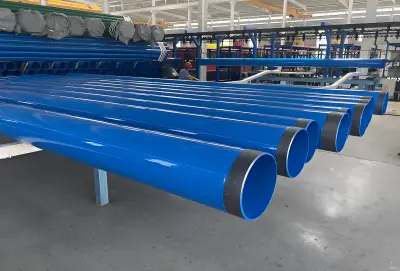
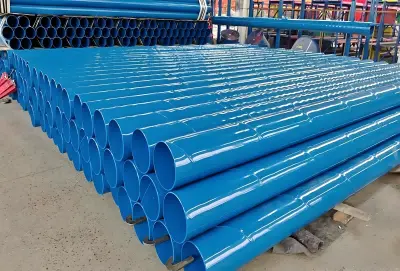
FBE coated steel pipe employs fusion bonded epoxy powder as a protective barrier against environmental degradation. Unlike liquid coatings that require solvents and extended drying periods, FBE applies as dry powder through electrostatic spray processes. The steel pipe surface receives heating to temperatures between 180 and 250 degrees Celsius before application begins. This preheating serves multiple critical functions in the coating process.
When electrostatically charged epoxy powder contacts the heated steel surface, dramatic transformation occurs. The powder particles melt instantly upon contact, flowing across the metal substrate. This liquefaction enables complete wetting of microscopic surface irregularities created during blast cleaning preparation. As the molten epoxy spreads, chemical cross-linking begins immediately. This thermosetting reaction proves irreversible—once cured, the coating cannot return to its original powder form.
The molecular bonding between epoxy and steel creates exceptional adhesion strength. Laboratory testing demonstrates adhesion values exceeding 3,000 PSI in properly applied systems. This chemical fusion far surpasses mechanical bonding achieved by conventional paint systems. The resulting coating withstands soil stress, impact damage, and flexing without delamination or cracking.
Chemical Composition and Performance Characteristics
Modern FBE formulations contain solid epoxy resins, curing agents, and specialized additives. The resin component provides backbone structure and chemical resistance. Curing agents initiate cross-linking reactions transforming powder into solid coating. Additives modify properties including flexibility, impact resistance, and flow characteristics during application.
The coating exhibits remarkable chemical resistance across broad pH ranges. Acids, alkalis, and organic solvents encounter substantial barriers when attempting to penetrate properly applied FBE layers. This chemical inertness makes FBE coated steel pipe suitable for transporting aggressive fluids including crude oil, refined petroleum products, and industrial chemicals. The coating maintains integrity in environments that rapidly destroy unprotected steel.
Temperature resistance represents another critical performance parameter. Standard FBE formulations function effectively from minus 30 to positive 100 degrees Celsius. This temperature range encompasses most buried and underwater applications worldwide. Specialized formulations extend operational limits for extreme environments including Arctic installations and high-temperature industrial processes.
Application Methods and Quality Control Procedures
Surface preparation determines coating performance more than any other factor. Abrasive blast cleaning removes mill scale, rust, and contaminants while creating roughened profiles enhancing mechanical bonding. Industry standards specify near-white metal cleanliness levels designated SA 2.5 or NACE Number 2. These stringent requirements ensure optimal adhesion between epoxy and steel substrates.
Profile depth measurements verify surface roughness following blast cleaning. Typical specifications require 37 to 100 micrometers surface profile. Deeper profiles increase effective surface area, improving coating adhesion. However, excessive roughness can create peaks protruding through coating layers. Careful control maintains profiles within specified ranges throughout production operations.
Coating thickness verification occurs continuously during application. Electromagnetic gauges measure film thickness at multiple locations on each pipe. ISO 21809 standards establish minimum thickness requirements ranging from 250 to 500 micrometers depending on application classification. Thickness uniformity prevents weak spots where accelerated corrosion could initiate failures during service.
Critical Industrial Applications Across Major Sectors
Oil and gas transmission systems represent the largest application sector for FBE coated steel pipe. These pipelines span continents transporting crude petroleum from production fields to refineries and distribution centers. External coating protects against soil-side corrosion while internal applications prevent product contamination and flow restriction. The coating market for oil and gas applications reached 12 billion dollars in 2020, reflecting widespread industry adoption.
Offshore platforms and subsea pipelines face particularly aggressive corrosion environments. Saltwater exposure accelerates electrochemical reactions destroying unprotected steel within months. FBE coated steel pipe maintains integrity for decades in marine environments. The coating resists cathodic disbondment—a failure mode where protective coatings separate from metal surfaces under cathodic protection systems commonly employed in offshore installations.
Natural gas distribution networks increasingly specify FBE coatings for new construction and rehabilitation projects. The coating provides barrier protection while maintaining compatibility with cathodic protection systems. Gas utilities appreciate the environmental benefits of FBE application—zero volatile organic compound emissions during powder coating application contrast sharply with solvent-based alternatives requiring emission controls and worker respiratory protection.
Municipal Water and Wastewater Infrastructure
Water transmission pipelines benefit tremendously from FBE protective systems. Municipal networks transport potable water through thousands of kilometers of buried pipe. External FBE coating prevents soil corrosion while maintaining water quality. The smooth coating interior reduces friction losses improving hydraulic efficiency. This dual benefit—corrosion protection plus improved flow characteristics—makes FBE coating economically attractive despite higher initial costs compared to bare steel alternatives.
Internal coating applications prove particularly valuable for drinking water systems. FBE formulations approved for potable water contact contain no toxic components that could leach into transported fluids. The coating prevents iron oxide formation that causes red water complaints and metallic taste issues. Water utilities extending pipeline service life through rehabilitation projects frequently specify internal FBE coating as cost-effective alternatives to complete replacement.
Wastewater collection systems present unique challenges including hydrogen sulfide gas production and bacterial activity. FBE coated steel pipe resists these aggressive conditions better than many alternative materials. The coating withstands bacterial attack and remains stable in environments where concrete pipes suffer acid degradation. This durability reduces maintenance requirements and extends replacement cycles for aging wastewater infrastructure.
Chemical Processing and Industrial Applications
Chemical manufacturing facilities utilize FBE coated steel pipe throughout their operations. Process piping systems transport raw materials, intermediate products, and finished chemicals requiring corrosion-resistant materials. Engineers select FBE coatings for compatibility with specific chemicals processed. While the coating resists most industrial chemicals effectively, strong oxidizing acids and certain organic solvents may require supplementary protection or alternative coating systems.
Power generation plants incorporate extensive piping networks for cooling water circulation, steam distribution, and auxiliary systems. Coal-fired facilities face corrosive flue gas condensates and coal ash handling challenges. Nuclear installations demand materials meeting rigorous quality standards with complete traceability documentation. FBE coated steel pipe serves both sectors, providing reliable corrosion protection while satisfying stringent regulatory requirements.
Mining operations employ FBE coated pipe for tailings transport, process water distribution, and dewatering applications. The harsh mining environment—including abrasive slurries, acidic drainage, and mechanical damage risks—tests material performance limits. FBE coating provides baseline corrosion protection while the pipe's structural steel withstands mechanical loads. This combination delivers service life measured in decades rather than years observed with unprotected alternatives.
Longma Group's Manufacturing Excellence in Cangzhou
Located in Cangzhou's industrial heartland within Hebei Province, Longma Group manufactures FBE coated steel pipe meeting international quality standards. The company's 230,000-square-meter facility integrates advanced coating technology with ERW and LSAW pipe production capabilities. This vertical integration enables precise quality control from raw steel through final coating application.
Since 2003, Longma Group has specialized in large-diameter, thick-walled steel pipe production. Annual capacity exceeding one million tons supports major infrastructure projects across global markets. The company maintains ISO 9001 certification and welcomes third-party inspections, demonstrating commitment to quality assurance and customer satisfaction.
Technical Standards and Specification Requirements
International standards govern FBE coating application ensuring consistent quality across manufacturers and geographic regions. CSA Z245.20 represents the most widely recognized standard, originating from Canadian pipeline construction practices. This comprehensive specification defines surface preparation requirements, coating thickness classifications, and performance testing protocols. North American oil and gas projects typically reference CSA Z245.20 in procurement specifications.
ISO 21809-1 provides global standards for external coatings on buried and submerged pipelines. This International Organization for Standardization specification addresses polyolefin coatings including three-layer systems employing FBE primers. European and Asian projects commonly reference ISO standards in technical requirements. The specification establishes testing procedures verifying adhesion, impact resistance, and cathodic disbondment resistance.
API 5L governs steel pipe specifications for petroleum and natural gas applications. When combined with appropriate coating standards, API 5L pipes serve demanding transmission applications where corrosion resistance proves critical. ASTM A53 addresses general-purpose pipe applications including water, steam, and gas distribution. These pipe standards integrate with coating specifications creating comprehensive material requirements for project procurement.
Coating Thickness Classifications and Performance Testing
Coating thickness selection depends on environmental exposure severity and expected service life. Class 1A coatings specified at 350 to 500 micrometers suit standard soil conditions with normal corrosivity. Class 2A coatings ranging from 400 to 600 micrometers address more aggressive environments including marine installations and highly corrosive soils. Project engineers evaluate site-specific conditions when specifying coating classes.
Holiday detection testing identifies coating defects including pinholes and thin spots that compromise protection. High-voltage detectors apply electric fields across coating surfaces. Defective areas create current paths triggering audible and visual alarms. This non-destructive testing method screens 100 percent of coated pipe surfaces, ensuring complete coverage before shipment.
Adhesion testing validates bonding strength between epoxy and steel substrates. Pull-off testers apply controlled forces perpendicular to coated surfaces. Properly applied coatings withstand forces exceeding 3,000 PSI without delamination. Cathodic disbondment testing simulates long-term exposure to cathodic protection systems. Coated pipe samples undergo electrochemical testing at elevated temperatures. Results quantify coating resistance to disbondment under service conditions.
Multi-Layer Coating Systems and Advanced Applications
Three-layer polyethylene (3LPE) and three-layer polypropylene (3LPP) systems employ FBE as foundation layers. These multi-layer systems combine FBE corrosion resistance with mechanical protection from polyolefin outer layers. The FBE primer bonds chemically to steel while providing excellent adhesion for subsequent layers. Copolymer adhesive layers join FBE and polyolefin components. Polyethylene or polypropylene outer layers resist mechanical damage during installation and service.
These advanced systems deliver superior performance in demanding applications. Offshore pipelines face installation stresses, seabed movement, and fishing gear impacts requiring robust mechanical protection. Arctic installations encounter ice scour and permafrost movement challenging coating integrity. Multi-layer systems address these extreme conditions, extending service life beyond single-layer coating capabilities.
Double-layer FBE systems apply modified epoxy topcoats over standard FBE primers. This configuration enhances water permeability resistance while maintaining single-layer application simplicity. The base coat provides adhesion and corrosion protection. The topcoat offers improved moisture barrier properties and resistance to cathodic disbondment. Double-layer systems cost less than three-layer alternatives while delivering performance exceeding single-layer coatings.
Secure Superior Corrosion Protection with Longma Group
Industrial infrastructure demands materials combining structural strength with exceptional corrosion resistance. FBE coated steel pipe delivers both requirements, protecting critical assets for decades in the harshest service conditions. Longma Group manufactures these advanced protective systems in Cangzhou's premier steel pipe manufacturing cluster, combining technical expertise with production capacity serving major projects worldwide.
Our comprehensive capabilities span pipe manufacturing through coating application. ERW and LSAW production technologies create structural pipe meeting international specifications. State-of-the-art coating facilities apply FBE systems complying with CSA Z245.20, ISO 21809-1, and other recognized standards. Quality control laboratories verify coating thickness, adhesion, and holiday detection ensuring every pipe meets specification requirements.
Technical support continues throughout project lifecycles. Our engineering team assists with coating specification development, ensuring optimal protection for specific environmental conditions. Production scheduling accommodates project timelines from small pilot installations to major transmission systems. Documentation packages include mill test certificates, coating certificates, and third-party inspection reports supporting regulatory approvals and project commissioning.
Protect your infrastructure investment with proven FBE coating technology. Contact Longma Group's technical sales specialists at info@longma-group.com to discuss your corrosion protection requirements. We provide detailed technical specifications, competitive pricing, and delivery schedules customized to your project needs. Experience the manufacturing excellence and customer service that has made Longma Group a trusted partner for industrial pipe systems since 2003.
FAQs
Q1: What distinguishes FBE coating from traditional liquid paint systems for pipeline protection?
A: FBE coating uses electrostatic spray application of dry powder, eliminating solvents in liquid paint systems. The solvent-free application emits no volatile organic compounds, improving worker safety and environmental compliance. The thermosetting chemical process bonds steel substrates irreversibly, producing adhesion strengths of 3,000 PSI. Traditional paints have little adherence due to mechanical bonding. FBE cures in seconds on warmed steel, speeding manufacturing. Liquid systems need hours or days to dry before handling. FBE is better for industrial pipeline corrosion prevention due to these key distinctions.
Q2: Can FBE coated pipe withstand installation stresses during horizontal directional drilling operations?
When installed appropriately, FBE coatings remain intact during horizontal directional drilling. The coating is flexible and impact-resistant, absorbing pullback bending stresses. However, coating compositions for directional drilling improve mechanical qualities including flexibility and abrasion resistance. Project specifications should include directional drilling so suppliers may supply appropriate coating systems. Drag forces and severe radius bends can harm any coating system, thus installers must avoid them. The right drilling fluid and entrance angle reduce coating stress during installation.
Q3: How does coating thickness selection impact long-term corrosion protection performance?
A: Coating thickness affects protective barrier efficacy and lifespan. Thicker coatings can withstand pinholes and poor protection. Standard burial circumstances with modest corrosivity fulfill 350–500 micrometer CSA Z245.20 Class 1A criteria. Class 2A coatings at 400–600 micrometers manage high service temperatures, corrosive soils, and marine systems. Too much thickness might create installation stress and brittleness. Engineers should consider soil resistivity, pH, and moisture while choosing coating thickness. For particular environmental conditions, lab testing and field experience databases establish appropriate thickness.