
Overview Of Polyethylene Coated Pipes
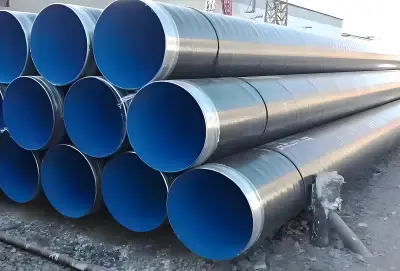
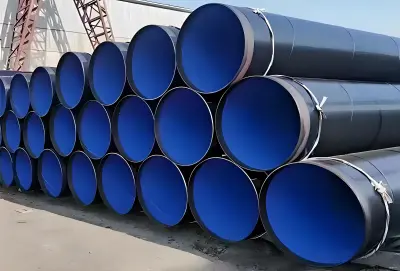
Due to their distinctive properties and benefits, polyethylene coated pipes are becoming increasingly popular in water distribution systems. Combining steel's strength with plastic's resistance to corrosion and flexibility, these pipes have a steel core coated in polyethylene. Typically, the polyethylene coating is applied by extrusion or fusion bonding, creating a protective layer that is seamless and adheres tightly to the steel surface.
The excellent resistance to corrosion of polyethylene-coated pipes is one of their most important features.The polyethylene layer acts as a barrier, protecting the steel core from chemical and electrochemical corrosion that can occur in various soil conditions. This protection is particularly valuable in areas with aggressive soil environments or where water quality might be corrosive to traditional metal polyethylene coated pipes.
Another significant advantage of polyethylene coated pipes is their flexibility. The polyethylene coating allows for some degree of pipe movement without cracking or breaking, which is beneficial in areas prone to ground shifts or seismic activity. This flexibility also makes installation easier, as the polyethylene coated pipes can better accommodate minor misalignments or bends in the pipeline route.
Furthermore, the products are known for their smooth inner surface, which reduces friction and improves flow efficiency. This smooth surface also inhibits the buildup of mineral deposits and biofilm, contributing to better long-term performance and water quality.
|
|
|
Safety Of Polyethylene Coated Pipes
Food grade polyethylene: When it comes to drinking water applications, the safety of polyethylene coated pipes is of paramount importance. It's crucial to emphasize that the polyethylene used for coating drinking water pipes must be food grade and meet relevant food safety standards. Food grade polyethylene is specifically formulated to be safe for contact with consumables, including drinking water.
The production of food grade polyethylene involves careful selection of raw materials and additives that are deemed safe for food contact. These materials undergo rigorous testing to ensure they do not leach harmful substances into the water. The U.S. Food and Drug Administration (FDA) has established regulations for food-contact materials, including polyethylene, under Title 21 of the Code of Federal Regulations (21 CFR). Similarly, the European Union has regulations such as EU Regulation No. 10/2011 on plastic materials and articles intended to come into contact with food.
National standards: Various countries and regions have established specific standards for drinking water pipe materials, including polyethylene coated pipes. In the United States, the American Water Works Association (AWWA) has developed standards such as AWWA C215 for extruded polyolefin coatings for steel water pipes. The National Sanitation Foundation (NSF) also provides certification for materials used in drinking water systems through standards like NSF/ANSI 61.
In Europe, the European Committee for Standardization (CEN) has developed standards such as EN 10310 for polyethylene coated steel tubes for water and wastewater applications. These standards ensure that polyethylene coated pipes meet strict requirements for safety, performance, and durability in drinking water systems.
Long-term use safety: Numerous studies and long-term field experiences have demonstrated the safety of it for drinking water applications. A comprehensive study published in the Journal of Water Supply: Research and Technology-AQUA examined the long-term performance of polyethylene pipes in drinking water distribution systems. The study found no significant adverse effects on water quality over extended periods of use.
Research conducted by the Water Research Foundation has also shown that properly manufactured and installed polyethylene pipes do not contribute to the degradation of water quality. These studies have included analyses of potential contaminants such as organic compounds, heavy metals, and microbiological growth, consistently demonstrating the safety of polyethylene materials in contact with drinking water.
Advantages Of Polyethylene Coated Pipes
Corrosion resistance: One of the primary advantages of polyethylene coated pipes is their exceptional corrosion resistance. The steel core is prevented from being corroded by soil or water thanks to the polyethylene coating's physical barrier. This protection is particularly important in areas with aggressive soil conditions or where water may have corrosive properties.
The corrosion resistance of polyethylene coated pipes not only extends their service life but also plays a crucial role in maintaining water quality. By preventing corrosion, these pipes effectively eliminate the risk of metal ions leaching into the water supply, which can occur with unprotected metal pipes. This advantage ensures that the water reaching consumers remains free from contamination caused by pipe degradation.
Sanitary safety: The smooth surface of polyethylene coated pipe offers significant sanitary benefits. Unlike some traditional pipe materials that may develop rough or pitted surfaces over time, polyethylene maintains its smooth surface throughout its service life. This smoothness is crucial in preventing the adhesion and growth of biofilms, which can harbor harmful bacteria.
Studies have shown that the smooth surface of polyethylene pipes significantly reduces bacterial adhesion compared to other materials. According to a study that was published in the Journal of Environmental Engineering, surfaces made of polyethylene had lower rates of biofilm formation than surfaces made of cast iron or concrete.
This quality is especially important in drinking water systems, where preserving the microbiological quality of the water is critical to public health.
Long service life: Polyethylene coated pipes are renowned for their long service life, which can significantly reduce the frequency of pipe replacement in water distribution systems. The combination of the steel core's strength and the polyethylene coating's durability results in a pipe system that can withstand decades of use under various environmental conditions.
A study published in the journal Polymer Engineering & Science examined the long-term performance of polyethylene pipes and coatings. The research found that properly manufactured and installed polyethylene materials can maintain their structural integrity and performance characteristics for over 50 years. This longevity not only reduces the need for frequent replacements but also minimizes the disruptions and costs associated with pipeline maintenance and renewal.
Polyethylene Coated Pipe Supplier
When selecting a polyethylene coated pipe supplier for drinking water applications, it's crucial to choose a manufacturer with a proven track record of quality and compliance with relevant standards. LONGMA GROUP has established itself as a reliable supplier of it, offering customization options to meet the unique needs of each project.
LONGMA GROUP's commitment to quality is reflected in its adherence to international standards and its use of food-grade materials for drinking water applications. Their team works closely with clients to deliver tailored solutions that align with project specifications, ensuring that the products meet both regulatory requirements and performance expectations.
The company's ability to customize its products is particularly valuable in the water industry, where different projects may have varying requirements based on local conditions, water chemistry, and system design. This flexibility allows for the optimization of pipe systems for specific applications, potentially improving overall system performance and longevity.
For those in the process of selecting a polyethylene coated pipe manufacturer for drinking water projects, LONGMA GROUP welcomes inquiries at info@longma-group.com. Their team can provide detailed information about their manufacturing processes, quality control measures, and how their products can be tailored to meet specific project needs while ensuring the safety and quality of drinking water distribution systems.








