
Anti-Rust Mechanism Of Zinc Coated Steel Pipes
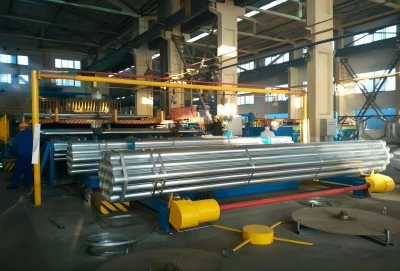
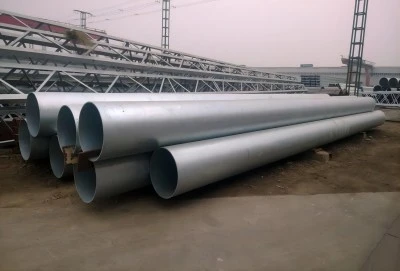
Zinc coated steel pipes, also known as galvanized pipes, are widely used in various industries due to their exceptional rust resistance. The anti-rust mechanism of these pipes is based on two primary principles: sacrificial anode protection and passivation layer formation.
Sacrificial anode protection is a fundamental concept in corrosion science that explains why zinc coated steel pipes are so effective at resisting rust. In this process, zinc acts as a sacrificial anode, undergoing oxidation reactions before the steel substrate. This phenomenon occurs because zinc is more electrochemically active than iron, the primary component of steel. When exposed to corrosive environments, zinc will preferentially corrode, protecting the underlying steel from oxidation.
The electrochemical process can be described by the following reactions: Zinc oxidation: Zn → Zn²⁺ + 2e⁻ Oxygen reduction: O₂ + 2H₂O + 4e⁻ → 4OH⁻ These reactions create a galvanic cell where zinc is the anode and steel is the cathode. As long as zinc is present on the surface, it will continue to oxidize, sparing the steel from corrosion. This sacrificial protection can extend the life of steel pipes significantly, often by several decades.
The second mechanism, passivation layer formation, further enhances the anti-rust performance of zinc coated steel pipes. When zinc is exposed to air, it reacts with oxygen and carbon dioxide to form a dense, adherent layer of zinc carbonate (ZnCO₃). This passivation layer acts as a barrier, reducing the rate of zinc corrosion and providing additional protection to the underlying steel.
The formation of the passivation layer can be represented by the following reaction: Zn + H₂O + CO₂ → ZnCO₃ + H₂ This zinc carbonate layer is highly stable and insoluble in water, making it an effective barrier against further corrosion. The passivation layer also has self-healing properties; if the coating is scratched or damaged, zinc compounds will quickly form over the exposed area, maintaining the protective barrier.
|
|
|
Advantages Of Zinc Coated Steel Pipes
Zinc coated steel pipes offer several advantages that make them a popular choice in various applications. Their excellent anti-rust performance is perhaps the most notable benefit. These pipes demonstrate superior corrosion resistance in a wide range of environments, including humid, acidic, and alkaline conditions. According to a study published in the Journal of Materials Engineering and Performance, zinc coated steel pipes can withstand up to 1000 hours in a salt spray test without significant corrosion, compared to only 10-50 hours for uncoated steel pipes.
The high cost-effectiveness of zinc coated steel pipes is another significant advantage. While the initial cost of galvanized pipes may be slightly higher than that of uncoated steel pipes, their long-term economic benefits are substantial. A lifecycle cost analysis conducted by the American Galvanizers Association showed that over a 60-year period, the total cost of owning and maintaining galvanized steel structures was 40% lower than that of painted steel structures. This cost advantage stems from the reduced need for maintenance and replacement over the pipe's lifetime.
The ease of construction is another benefit of zinc coated steel pipes. The galvanization process does not significantly alter the physical properties of the steel, allowing these pipes to be cut, welded, and threaded using standard tools and techniques. This simplicity in handling and installation can lead to reduced labor costs and faster project completion times. Furthermore, zinc coated pipes do not require additional protective coatings or treatments at the job site, further simplifying the construction process.
Perhaps one of the most compelling advantages of zinc coated steel pipes is their long service life. The durability provided by the zinc coating can extend the lifespan of steel pipes by 50 years or more in many environments. This longevity translates to reduced maintenance costs and fewer disruptions due to pipe replacements. A study by the International Zinc Association found that in industrial marine environments, where corrosion is particularly aggressive, galvanized steel structures had an average service life of 25-30 years without significant maintenance, compared to just 5-10 years for painted steel structures.
Selection And Use Of Zinc Coated Steel Pipes
The selection of appropriate zinc coated steel pipes is crucial for ensuring optimal performance and longevity in different environments. The choice depends on various factors, including the specific application, environmental conditions, and expected service life.
In general environments with moderate corrosivity, such as rural or urban areas with low pollution levels, standard hot-dip galvanized pipes are usually sufficient. These pipes typically have a zinc coating thickness of 60-100 μm and can provide protection for 50 years or more under these conditions.
For more corrosive environments, such as coastal areas or industrial zones with high pollution levels, pipes with thicker zinc coatings may be necessary. In these cases, pipes with zinc coatings of 100-200 μm or more might be recommended. Some manufacturers offer "super galvanized" pipes with even thicker coatings for extremely corrosive environments.
In highly acidic or alkaline environments, or where pipes are exposed to certain chemicals, additional protective measures may be needed. This could include the use of protective paints or coatings over the zinc layer, or the selection of alternative materials altogether.
It's also important to consider the internal environment of the pipe. For pipes carrying potable water, it's crucial to ensure that the zinc coating meets relevant health and safety standards. In some cases, pipes with special linings may be required.
When installing zinc coated steel pipes, care should be taken to avoid damaging the zinc coating. Any cuts or welds should be protected with zinc-rich paint or cold galvanizing spray to maintain the integrity of the corrosion protection. Additionally, when joining pipes, it's important to use compatible materials to avoid galvanic corrosion. For example, brass or stainless steel fittings are often recommended for use with galvanized steel pipes.
Regular inspection and maintenance can help extend the life of zinc coated steel pipes. While these pipes require less maintenance than uncoated steel pipes, periodic checks for signs of corrosion or damage to the zinc coating can help identify and address issues before they become serious problems.
Zinc Coated Steel Pipe Manufacturer
When it comes to selecting a manufacturer for zinc coated steel pipes, LONGMA GROUP stands out as a reliable option. Their commitment to quality is evident in their adherence to international standards, including API 5L, ASTM A53, EN10210, and AS/NZS 1163. These standards ensure that their zinc coated steel pipes meet rigorous specifications for dimensional accuracy, mechanical properties, and coating quality.
API 5L, developed by the American Petroleum Institute, is particularly important for pipes used in the oil and gas industry. It specifies the requirements for seamless and welded steel line pipe, including the zinc coating specifications. ASTM A53, set by the American Society for Testing and Materials, covers the manufacturing of black and hot-dipped zinc-coated welded and seamless steel pipe for various applications.
EN10210 is a European standard that specifies the technical delivery conditions for hot finished structural hollow sections of non-alloy and fine grain steels. This standard ensures that the pipes meet the requirements for use in construction and engineering applications across Europe. AS/NZS 1163 is a joint Australian and New Zealand standard that specifies requirements for cold-formed structural steel hollow sections, including those with zinc coatings.
By complying with these diverse international standards, LONGMA GROUP demonstrates its ability to cater to a global market with varying requirements. This compliance also speaks to the quality and versatility of their zinc coated steel pipes, making them suitable for a wide range of applications across different industries and geographical regions.
For those in the market for zinc coated steel pipes, LONGMA GROUP offers the opportunity to discuss specific requirements and explore customization options. Interested parties can reach out to them directly at info@longma-group.com to learn more about their products, discuss technical specifications, or request quotes tailored to their needs.