
Surface Preparation
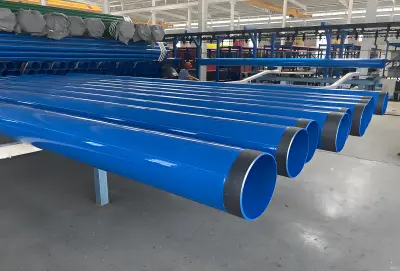
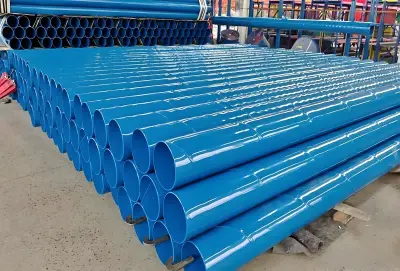
The technology behind epoxy fusion-bonded epoxy (FBE) steel pipe coatings begins with meticulous surface preparation. This crucial first step ensures optimal adhesion and long-term performance of the coating. The process starts with thorough cleaning of the FBE steel pipe surface to remove all contaminants, rust, and any existing coatings. This is typically achieved through a combination of mechanical and chemical cleaning methods.
Mechanical cleaning often involves the use of wire brushes, grinding wheels, or sandpaper to remove loose scales and rust. For more stubborn contaminants, high-pressure water jetting may be employed. Chemical cleaning utilizes solvents or alkaline solutions to remove oils, greases, and other organic contaminants that mechanical methods might miss. The choice of cleaning method depends on the initial condition of the pipe and the specific requirements of the coating system.
Following the initial cleaning, the surface undergoes profiling to enhance coating adhesion. This step creates a roughened surface that increases the surface area and provides mechanical anchoring points for the coating. The most common method for profiling is abrasive blasting, also known as sandblasting. This technique propels abrasive materials such as sand, steel grit, or aluminum oxide at high velocity against the pipe surface, creating a uniform roughness profile.
The profiling process is carefully controlled to achieve a specific surface roughness, typically measured in micrometers. The ideal profile depth can vary depending on the coating thickness and performance requirements, but it generally ranges from 50 to 100 micrometers. This precise surface preparation not only improves coating adhesion but also helps to remove any remaining contaminants or oxides that could compromise the coating's integrity.
|
|
|
Coating Application
Once the surface is properly prepared, the FBE coating can be applied using one of several methods. The most common technique is electrostatic spray application. In this process, the FBE powder is electrically charged as it's sprayed towards the grounded FBE steel pipe. The electrostatic attraction between the charged particles and the pipe surface ensures an even distribution of the powder and minimizes overspray.
The electrostatic spray method offers several advantages. It provides excellent control over coating thickness, allows for quick application, and can easily coat complex shapes and hard-to-reach areas. The powder particles are typically 20-80 micrometers in size, allowing them to flow smoothly through the spray equipment and adhere uniformly to the pipe surface.
Another application method is the fluidized bed coating technique. This process involves preheating the steel pipe to a temperature above the melting point of the epoxy powder, typically around 200°C (392°F). The heated pipe is then immersed in a fluidized bed of FBE powder. The powder particles melt upon contact with the hot surface, flowing together to form a continuous coating. This method is particularly effective for coating smaller diameter pipes or when a thicker coating is required.
Extrusion coating is a less common but sometimes preferred method for applying FBE to FBE steel pipes. In this process, the epoxy material is melted and forced through a die onto the pipe surface as it passes through. This technique allows for precise control over coating thickness and is often used for specialized applications where a very thick or multi-layer coating is needed.
Curing Process
The curing process is a critical step in the production of FBE-coated FBE steel pipe, as it determines the final properties of the coating. After the FBE powder is applied, the coated pipe enters a curing oven where it's subjected to elevated temperatures, typically ranging from 180°C to 250°C (356°F to 482°F). The exact temperature and duration of the curing process depend on the specific FBE formulation and the desired coating properties.
During curing, several chemical reactions occur within the epoxy material. The heat causes the powder particles to melt and flow together, forming a continuous film. Simultaneously, cross-linking reactions begin between the epoxy resin and the curing agent. These reactions create a three-dimensional network structure within the coating, dramatically increasing its strength, hardness, and chemical resistance.
The curing process is carefully controlled to ensure optimal cross-linking density. If the curing temperature is too low or the time too short, the coating may not fully cure, resulting in reduced performance. Conversely, if the temperature is too high or the time too long, the coating may become brittle or discolor. Modern FBE coating facilities use advanced temperature control systems and conveyor speeds to maintain precise curing conditions.
After the initial high-temperature cure, the coated pipe undergoes a controlled cooling process. This cooling stage is crucial for preventing thermal shock, which could lead to coating defects or loss of adhesion. The cooling rate is typically managed to minimize internal stresses within the coating and ensure optimal bonding with the steel substrate.
The cured FBE coating exhibits excellent chemical resistance, mechanical properties, and corrosion protection. The cross-linked structure provides a strong barrier against moisture, oxygen, and corrosive agents, while also offering good resistance to cathodic disbondment – a common failure mode in underground pipelines.
Contact Longma
LONGMA GROUP is a reputable manufacturer specializing in FBE-coated steel pipes. Their team of specialists can provide valuable insights into FBE coating technology and help ensure you choose the most suitable solution for your project needs. Their product line includes various types of FBE steel pipe coatings engineered to meet diverse industry requirements and environmental conditions. If you're in the market for high-quality FBE-coated steel pipes or seeking expert advice on selecting the right coating for your specific application, you can reach out to LONGMA GROUP at info@longma-group.com.








