
Rolled and welded steel pipe technologies are very useful for building big infrastructure projects because they are very strong, don't cost much, and can be used in a lot of different ways. For moving oil and gas, water supply networks, building bridges, and working abroad, these pipe systems work better than others. With their advanced production methods and high quality standards, both rolled and welded solutions offer long-lasting, reliable infrastructure that meets the needs of complex projects and makes the best use of procurement funds.
|
|
|
Understanding Rolled and Welded Steel Pipes: Definitions and Manufacturing Processes
Manufacturing Fundamentals and Process Distinctions
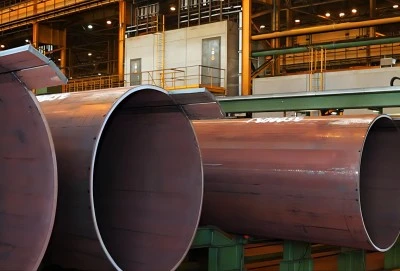
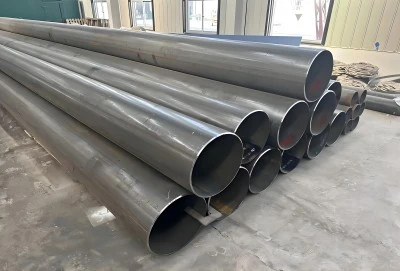
There are two main ways to make rolled and welded steel pipes today, each of which meets a different building need. Flat steel plates are carefully rolled and then carefully welded along the lengthwise lines in a very complex process that makes rolled steel pipes. This way of making things makes lines that are very accurate in size and have strong structures, which is especially useful for high-pressure uses.
Electric Resistance Welded (ERW) and Submerged Arc Welded (SAW) are two types of welding that are used to join steel pipes together. Electrical resistance is used in ERW technology to make strong, continuous welds. Granular flux is used to protect the welding arc in SAW methods, which make deep penetration welds that can be used for thick-wall uses. With these methods, producers can make pipes with a wide range of diameters and thicknesses.
International Standards and Material Grades
Following set worldwide standards for material composition, manufacturing tolerances, and performance traits is important for quality assurance. The API 5L standards spell out the rules for pipeline transportation systems. They cover grades from B to X80 for a range of temperature and pressure situations. Some ASTM standards, like A53, A500, and A252, set requirements for using them in structures, moving water, and foundation piling, in that order.
Material types have a direct effect on how well pipes work in building projects. Higher-grade steels have better tensile and yield strengths, which lets engineers define smaller wall sections while still meeting safety standards. This efficiency cuts down on the prices of materials and transportation, which is especially important for big projects that cover large areas.
Advantages of Rolled Steel Pipes for Large Infrastructure Projects
Superior Structural Performance and DurabilityRolled and welded steel pipes have great mechanical qualities that make them perfect for use in challenging infrastructure projects. The rolling process makes the pipe wall's grain structure similar. This gives the pipe consistent strength and expected behavior when under stress. This way of making things gets rid of any weak spots that might show up with other methods, so the finished product will work well for a long time.
The longitudinal welding method used to make rolled pipes makes seams that are strong and last a long time, even when there are high pressures inside and loads outside the pipe. Modern welding methods make sure that the base metals and filler metals completely fuse together. This creates joins that are often stronger than the pipe materials around them. This trait is especially useful in pipeline applications where system dependability has a direct effect on both operating safety and economic performance.
Enhanced Corrosion Resistance and Environmental Adaptability
Pipe systems are often put through tough weather conditions during infrastructure projects, which can speed up rust and shorten their useful lives. There are different types of protective coatings that can be put on rolled steel pipes. These include fusion-bonded epoxy, three-layer polyethylene, and zinc-rich starters that stop rust for a long time. The rolling process makes the surface smooth and even, which is perfect for coatings to stick to and cover.
Controlling the chemical makeup while rolling lets the process be optimized for a certain setting. Adding alloying elements like copper, chromium, and nickel makes it more resistant to rusting in the air, and keeping the carbon content under control keeps the metal's weldability and hardness. These changes to the materials make pipes last longer in naval, industrial, and clinical settings where corrosion is a big problem for upkeep.
Advantages of Welded Steel Pipes in Infrastructure Construction
Cost-Effectiveness and Manufacturing EfficiencyRolled and welded steel pipes have strong economic benefits for building projects that need to stay within budget. Compared to seamless options, the manufacturing method makes good use of raw materials, lowering waste and cutting down on production costs. ERW and SAW welding technologies allow for fast production rates that meet tight shipping and project plans.
Welded pipe production is very flexible, so it can meet particular needs without requiring large investments in tools. Manufacturers can change the wall thickness, diameter, and length to fit the needs of a particular project, which means that no heavy cutting or modification work is needed. This useful adaptability comes in handy for projects that need non-standard sizes or specific performance capabilities.
Diverse Welding Technologies and Applications
Today, different welding methods are used to make welded pipes that are best for different uses and performance needs. ERW technology is great at making pipes with sizes from 1/2 inch to 72 inches, which is a wide range that meets most infrastructure piping needs. The high-frequency welding process makes small heat-affected zones that keep the qualities of the base material and keep the wall thickness the same.
Continuous welding along helical lines is used to make spiral-welded pipes, which can be made from relatively thin steel strips to make pipes with large diameters. This method lowers the cost of raw materials while still getting great control over dimensions and structure performance. For water transportation projects and large-diameter culvert jobs where straight-seam welding isn't possible, spiral welding technology is a great alternative.
Comparative Analysis: Rolled vs. Welded Steel Pipes in Large Infrastructure
Structural Integrity and Performance CharacteristicsEngineering research shows that rolled and welded steel pipe methods have different performance traits that affect which one is chosen for a given application. Because they are made in a way that makes the walls the same thickness and the material qualities the same, rolled pipes usually have better burst pressure capabilities. This benefit is very useful in places with a lot of pressure, like oil and gas transportation lines.
The structural performance of welded pipes is good, and they can be made to fit a wider range of sizes. A controlled welding environment makes sure that the quality of the joints stays the same, and improved checking methods make sure that the integrity of the welds throughout production. These days, welded pipes are reliable and don't cost too much. They meet or exceed the performance standards for most infrastructure uses.
Economic Considerations and Project Timeline Factors
Material choices are often based on how much the project will cost, which is why cost analysis is so important for building infrastructure. Rolled pipes usually cost more at first, but they may pay for themselves in the long run by lasting longer and needing less upkeep. Welded pipes save you money right away because they require less material and can be delivered faster, which helps you meet tight project deadlines.
When planning a job and figuring out how much cash you need, lead time issues are very important. Due to the flexibility of manufacturing and the availability of tools, faster delivery plans are usually possible for welded pipe production. Rolled pipe production may need longer wait times for special grades or sizes, so it's important to plan ahead for purchases and keep track of supplies.
Procurement Insights for Rolled and Welded Steel Pipes
Supply Chain Management and Vendor SelectionReliable supply chain partnerships that make sure materials are available and quality is consistent are key to the success of building projects. When evaluating a vendor, you should look at their producing skills, quality processes, and track record of on-time deliveries. Manufacturers that have been around for a while and have a lot of certifications can guarantee that their products will meet project requirements and industry standards.
To lower the risk in the supply chain, you need to use a variety of buying methods and plan for possible problems. Regional methods for making things, moving goods, and keeping track of supplies all have an effect on the success of a project. Having partnerships with makers that keep enough stock on hand and allow for fluid production schedules help keep project delays and cost overruns to a minimum.
Quality Assurance and Compliance Requirements
Quality management systems make sure that the products provided meet the needs of the project and all applicable laws and rules. Product performance traits are confirmed by thorough testing methods that include mechanical testing, dimensional verification, and non-destructive examination. Documentation needs, like Material Test Certificates and Inspection and Test Plans, make it possible to track things and make sure that rules are being followed.
International approval standards, like API 5L and ISO 9001, show that a company is dedicated to quality and always making things better. These approvals give people faith in the quality and dependability of the products they make, which lowers project risk and helps meet long-term infrastructure performance goals.
Conclusion
Both rolled and welded steel pipe methods have their own benefits for big building projects, but the needs and performance goals of each project must be carefully considered. Rolled pipes work best in high-pressure situations where maximum structural stability is needed, while welded pipes are a cost-effective way to meet a wide range of infrastructure needs. When choosing materials, you should think about what you need for operations, how much money you have, and how well you expect them to work in the long run. By learning about these tools, you can make smart decisions about what to buy that will help your project succeed while staying within your budget and time frame.
Partner with Longma Group for Your Steel Pipe Infrastructure Needs
Longma Group is a reliable company that makes rolled and welded steel pipes. Their high-quality goods meet the strict needs of infrastructure. We can make products that meet API 5L, ASTM A53, ASTM A500, and ASTM A252 standards. The outside sizes can be from 1/2" to 72" and the thicknesses can be from SCH10 to SCH160. We make sure that your projects stay on schedule by keeping 50–150 tons of stock on hand and offering the fastest shipping times of 7 days or more. Email our tech team at info@longma-group.com to talk about your unique needs and find out how our knowledge can help you get the most out of your infrastructure investments.
FAQ
①What pressure ratings can rolled and welded steel pipes handle in infrastructure applications?Depending on the wall thickness and grade, rolled steel pipes can usually handle forces from 150 PSI to over 2,000 PSI. Similar pressure levels can be used for welded pipes. ERW pipes are usually rated for 150 to 1,500 PSI, and SAW pipes can handle higher pressures up to 2,500 PSI in some situations.
②How do delivery times compare between rolled and welded steel pipe orders?
When it comes to shipping times, welded steel pipes usually come faster. Standard specs can be had within 7–14 days from stock. For custom sales of rolled pipes, it may take two to six weeks, based on the size and grade needed. Both systems can accommodate expedited delivery for urgent project needs.
③What are the main ways that these types of pipes are different in how well they prevent corrosion?
When made from the same grade of steel and with the same protective layers, both rolled and welded pipes have the same rust protection. The most important thing is how the covering is applied and how it is exposed to the world, not how it was made. If you prepare the surface properly and choose the right finish, it will work the same way in most infrastructure uses.