
The load-bearing ability of hollow steel tube changes a lot depending on the thickness of its walls. Lightweight SCH10 configurations can support modest loads, while heavy-duty SCH160 configurations can handle the most extreme structural demands. When choosing materials for important infrastructure projects in oil and gas transportation, offshore platforms, and industrial manufacturing, it's important to understand these changes in ability.
Because they are strong for their weight and can be used in many ways, hollow steel tubes are essential in modern building, manufacturing, and industry settings. Engineers and people who buy things from businesses must know how load-bearing capacities change with tube diameter in order to choose the best materials and make sure safety and performance. Tube thickness has a direct effect on how strong, long-lasting, and suitable it is for different uses, from light frames to heavy-load structures. This guide helps people who have to make decisions understand technology issues and choose what to buy in a way that meets project needs and government rules.
|
|
|
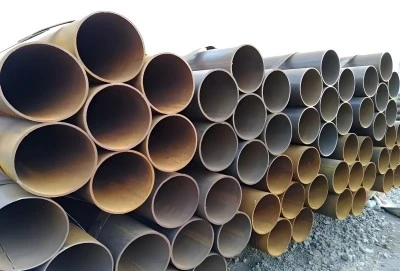
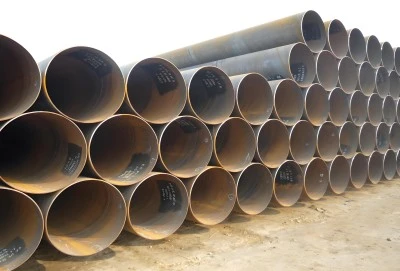
Understanding Hollow Steel Tubes and Their Thicknesses
Material Properties and Specifications
Hollow steel tubes come in a number of forms and materials, including galvanized steel, stainless steel, and round, square, and rectangular tubes. Each has its own mechanical qualities. As you can see, the output strengths of types S235, S275, and S355 are not all the same. S355 can hold more weight than S235. These types of steel meet EN10219 standards, which means that the quality will be the same on all foreign projects.
The tube's load capacity and longevity depend on its thickness and size, which can vary a lot. Modern production makes tubes with outer sizes ranging from 3 inches to 80 inches and wall thicknesses from SCH10 to SCH160. The yield strength, tensile strength, and modulus of elasticity of the tube are all directly affected by the wall thickness ratios that go with each schedule name.
Geometric Impact on Load Distribution
It is a well-known fact in engineering that wall thickness and load capacity are related. When walls are thicker, loads are spread out better around the tube's diameter. This lowers stress concentrations and improves the structure's general performance. When there are changing loads, pressure differences, and environmental stresses, like in offshore platform building and cable systems, this geometric edge is very important.
Load-Bearing Capacities by Tube Thickness: Detailed Analysis
Thin-Walled Configurations (SCH10-SCH40)Thin-walled tubes are good for making structures that are light, but they aren't as strong as thicker options. The axial loads that SCH10 configurations can handle are usually between 50 and 200 kN, based on the thickness and grade of steel. This means that they can be used in light industrial settings and for building frames. These specs work great when reducing weight is more important than carrying the most weight.
The performance qualities of thin-walled hollow steel tubes show that they are strong enough for many industrial uses without being too expensive. When working on water delivery projects, these designs are often used because the installation weight is a big factor and the internal pressure needs to be kept moderate.
Medium-Thickness Applications (SCH40-SCH80)
Medium-thickness tubes are a good compromise for many industrial frames. They can usually handle horizontal loads of 200 to 800 kN, but this depends on the size and type of material. Specifications for SCH80 provide better structural stability while still being cost-effective for big jobs. Often, these arrangements can be found in bridge building and industrial factory settings.
A study by engineers shows that choices with a middle thickness give the best value for money for most building uses. The extra money spent on materials compared to thin-walled options leads to proportionally greater gains in load capacity. This makes these specifications appealing to procurement managers who need to balance performance needs with budget limits.
Heavy-Duty Specifications (SCH120-SCH160)
Thick-walled tubes can handle big loads and are better at resisting rust, so they last longer. SCH160 configurations are necessary for building offshore platforms and high-pressure pipeline systems because they can handle axial loads of more than 1000 kN in bigger diameter uses. These standards give you better safety margins and longer service life in tough operational situations.
Heavy-duty tubes make great performance possible in tough settings because they are built to last. These designs are often used in oil and gas transportation projects where failures would have serious effects and need the highest level of dependability and structural integrity.
Comparing Hollow Steel Tubes to Other Materials and Forms
Advantages Over Solid Steel AlternativesWhen it comes to strength-to-weight ratio, hollow tubes usually beat solid bars. This means that when you use a lot of material, you save money. A 6-inch diameter SCH80 tube weighs about 60% less than a solid steel bar of the same size and strength, but it can still hold the same amount of weight in many situations. This edge in weight cuts down on shipping costs and makes installation easier.
Shape and thickness have a big effect on how well an application works. In some structural situations, where connection points and load transfer patterns support rectangle shapes, square tubes may work better than round tubes. The hollow design also lets repair workers and utility lines go through the inside, which adds practical value on top of the structural value.
Material Comparison with Aluminum
Compared to aluminum, hollow steel tube can hold more weight and fight corrosion better in harsh situations. Steel has a higher modulus of elasticity, which means it deflects less when it's loaded. This is important for keeping structure tolerances in precision uses. Even though aluminum is lighter, steel is stronger and better suited for high-stress situations like those found in industrial manufacturing and marine building.
When it comes to long-term reliability, steel is better in most industry settings. When surface processes and grade choices are made correctly, hollow steel tubes work better than aluminum tubes in corrosive conditions while still costing less per unit of load capacity.
How to Choose the Right Thickness for Your Hollow Steel Tube Needs?
Engineering Assessment CriteriaTo choose the right hollow steel tube width, you need to look at the design loads, the surroundings, and relevant standards like ISO, ASTM, and EN certifications. Static and dynamic forces, such as wind loads, seismic activity, and practical stresses that are unique to each application, must be taken into account in load estimates. Depending on how important the application is and what the rules say, safety factors are usually between 2.0 and 4.0.
Changes in temperature, contact to corrosives, and trends of mechanical wear are all environmental factors that need to be thought about. If the project is going to be in a marine setting, the walls may need to be stronger to account for corrosion. For thermal cycling uses, the specs need to be able to handle expansion loads without affecting the structure's integrity.
Procurement Strategy Considerations
Custom thickness choices allow for exact tailoring to project requirements, and buying in bulk often leads to better prices and more reliable supplies. Standard schedule labels are good for projects with open design parameters because they are available right away and have low prices. To reduce danger, it is still important to know about a supplier's quality, certifications, and production skills.
Procurement strategies that work well balance the needs of the specifications with the timetables for delivery and the budget. Building ties with certified suppliers who can provide full paperwork and quality assurance lowers the risk of the project and makes sure it meets foreign standards.
Manufacturing Process and Its Impact on Load-Bearing Capacity
Production Method InfluenceThe way tubes are made—seamless vs. welded—affects how thick they are consistently and how well they hold up. Seamless tubes are usually stronger than other types because the material qualities are the same all the way around. The ERW (Electric Resistance Welded) and LSAW (Longitudinal Submerged Arc Welded) processes are great quality options that are cost-effective for many uses.
When done right, modern welding methods can make welds that are as strong as or stronger than the base material. Advanced heat treatment methods strengthen welds, and high-tech testing tools find any problems, making sure that all manufacturing methods produce reliable results.
Quality Control Impact
Heat treatments and finishing methods improve the mechanical qualities and resistance to corrosion, which has a direct effect on how much weight something can hold and how long it will last. For regular performance, strict quality control is still necessary. This includes measuring the thickness accurately and following production standards. Companies that use ISO 9001 quality control systems show that they are dedicated to consistently producing high-quality goods.
Before shipping, thorough testing methods check the mechanical features, correctness of measurements, and quality of the surface. Material traceability from raw steel to final product makes sure that everyone is responsible and lets everyone in the supply chain check on performance.
Conclusion
Knowing how much weight something can hold at different wall widths helps people choose the right materials for important building projects. The link between thickness and capacity is based on well-known engineering principles. For example, SCH160 standards offer the highest level of strength, while SCH10 configurations offer lighter options. To choose the right specifications, you need to balance performance needs, weather conditions, and cost factors while also making sure you follow all safety rules and standards.
Partner with Longma Group for Superior Hollow Steel Tube Solutions
Longma Group is the biggest supplier of hollow steel tubes in China, and they have a wide range of products that can be used in most business situations. We have a huge selection of S235, S275, and S355 grade tubes in sizes ranging from 3" to 80" and thicknesses from SCH10 to SCH160, so you can be sure that they will meet your needs perfectly.
Our modern manufacturing methods, such as ERW and LSAW, ensure uniform quality, and our API 5L, ISO 9001, and EN10219 certifications back this up. We offer solid supply chain support for projects that need to be done quickly. We keep 50–150 tons of stock on hand, and our fastest shipping times start at 7 days. Email info@longma-group.com to talk about your needs for a hollow steel tube source and get personalized technical help from our engineering team.
FAQ
①Does increasing wall thickness proportionally improve load capacity?It's not a simple straight relationship that says increasing thickness will make the load capacity go up. Instead, it follows technical models. Load capacity usually goes up by more than twice as much when wall thickness is doubled. This is because section elasticity gets better and stress concentrations go down. The exact change relies on how the application is loaded, how help is set up, and how failures happen.
②What other factors beyond thickness affect hollow steel tube load capacity?
The type of steel has a big effect on how much it can hold. For example, S355 is about 50% stronger than S235. Quality of manufacture, heat treatment, and surface factors can also have an effect on effectiveness. The real capacity can be very different from the theoretical figures because of things like support spacing, connection details, and how the load is distributed.
③How do delivery times affect thickness selection for urgent projects?
Standard thickness plans usually allow for faster delivery than unique specs. SCH40 and SCH80 models usually keep supplies available, which lets you get your order within 7 to 15 days. Custom thickness requirements can make wait times much longer, so standard specs are better for jobs that need to be done quickly.








