
Finding reliable suppliers for ASTM A53 Gr B pipe involves evaluating manufacturers. You must also consider distributors and trading companies across global markets. Major sourcing destinations include established steel mills in China. Additionally, specialized pipe manufacturers in the Middle East play a key role. Furthermore, certified suppliers in Southeast Asia and authorized distributors in Australia and North America are vital. Key considerations include production capacity. Certification compliance is also critical. Moreover, delivery capabilities and technical support services matter when selecting your optimal procurement partner.
The global demand for carbon steel pipe continues expanding. This growth spans industries ranging from oil and gas transportation to structural applications. Consequently, pipeline engineers, project procurement managers, and plant equipment managers face increasing pressure. They must source high-quality materials. Simultaneously, they manage costs and delivery schedules. Therefore, understanding the landscape of ASTM A53 Gr B pipe suppliers becomes crucial for successful project execution.
Modern procurement strategies require comprehensive supplier evaluation. This goes beyond basic pricing considerations. Technical specifications are paramount. Additionally, manufacturing capabilities and quality control processes are vital. Finally, supply chain reliability determines long-term project success. This guide explores various sourcing channels. It provides practical insights for identifying trustworthy suppliers in today's competitive marketplace.
|
|
|
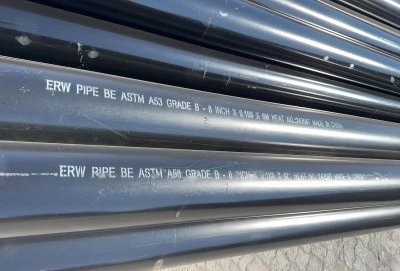
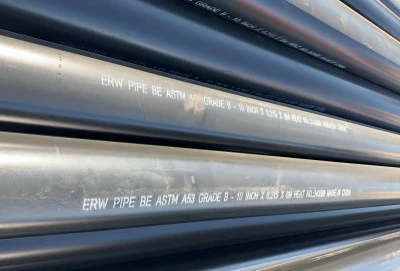
Understanding ASTM A53 Grade B Pipe Specifications and Applications
Chemical Composition and Mechanical Properties
ASTM A53 Grade B represents a versatile carbon steel pipe specification. Industries widely utilize it across multiple sectors. Specifically, the chemical composition includes controlled levels of carbon. It also contains manganese, phosphorus, and sulfur. This precise mix creates optimal mechanical properties for diverse applications. Grade B pipes demonstrate superior tensile strength compared to Grade A alternatives. They boast minimum yield strength requirements of 35,000 psi. Furthermore, they offer a tensile strength of 60,000 psi.
Manufacturing processes for these pipes accommodate both seamless and welded construction methods. Seamless variants offer enhanced pressure ratings. They also provide superior structural integrity. On the other hand, welded options provide cost-effective solutions for standard pressure applications. The flexibility in manufacturing approaches allows suppliers to optimize production. They can tailor output based on specific project requirements and budget constraints.
Primary Industrial Applications
Oil and gas transportation systems extensively utilize ASTM A53 Gr B pipe. They value its reliable performance under moderate pressure conditions. These pipes handle crude oil effectively. They also transport natural gas and refined products across distribution networks spanning thousands of miles. Pipeline engineers appreciate the consistent wall thickness. Additionally, the predictable performance characteristics facilitate accurate flow calculations. They also simplify pressure drop analysis.
Water supply infrastructure projects represent another significant application area. Municipal water systems benefit greatly. Irrigation networks and industrial cooling circuits also rely on these pipes. The corrosion resistance and structural stability offered by properly coated Grade B pipes are key. The availability of various coating options extends service life. These include galvanized finishes and fusion-bonded epoxy. Consequently, the pipes perform well even in challenging environments.
Structural applications leverage the mechanical properties of ASTM A53 Gr B pipe. Builders use them in building frameworks. They also employ them in support columns and industrial platforms. Construction projects requiring reliable load-bearing capabilities often specify these pipes. Furthermore, cost efficiency is a major factor. The weldability characteristics enable efficient fabrication. Installation procedures become easier across diverse structural configurations.
Global Supply Chain Analysis for Carbon Steel Pipes
Regional Manufacturing HubsAsia-Pacific regions dominate global steel pipe production. Specifically, China leads in manufacturing capacity and technological advancement. Major Chinese manufacturers operate integrated facilities. These combine raw material processing, pipe forming, and finishing operations. Consequently, these facilities achieve economies of scale. This supports competitive pricing. At the same time, they maintain international quality standards through advanced automation and quality control systems.
Southeast Asian countries including Malaysia, Thailand, and Indonesia have developed specialized sectors. They focus on pipe manufacturing serving regional markets. These manufacturers often specialize in specific diameter ranges. Some focus on coating applications. This creates niche expertise that attracts international buyers. Furthermore, the strategic geographic positioning facilitates efficient logistics. It connects them easily to Middle Eastern and Australian markets.
Middle Eastern pipe manufacturers have expanded capacity. They serve local oil and gas projects while developing export capabilities. Countries like Saudi Arabia and the UAE host modern facilities. These plants incorporate the latest welding technologies. They also use automated inspection systems. These manufacturers understand regional project requirements. They know the environmental challenges well. Therefore, they offer tailored solutions for demanding applications.
Market Demand Patterns
Global infrastructure development drives sustained demand for structural pipe applications. Emerging markets invest heavily in transportation networks. They also build water treatment facilities and industrial complexes. These projects require substantial quantities of carbon steel pipes. Project schedules often influence procurement timing. This creates seasonal demand fluctuations. Consequently, pricing and availability can vary.
Energy sector expansion generates consistent demand. This is particularly true in natural gas infrastructure requiring pressure-rated pipes. Pipeline projects spanning multiple years require reliable supply commitments. They also need flexible delivery scheduling. Suppliers capable of maintaining inventory levels gain competitive advantages. Those who adapt to project modifications also succeed in this market segment.
Maintenance and replacement activities create ongoing demand patterns. Aging pipeline networks require systematic upgrades. Repairs are also necessary. This generates predictable procurement cycles. Understanding these patterns helps suppliers. They can optimize inventory management. They can also improve capacity planning strategies.
Comparative Analysis of Sourcing Channels
Direct Manufacturer EngagementAdvantages:
- Competitive pricing through eliminated intermediaries.
- Direct technical support and customization capabilities.
- Quality control transparency and factory inspections.
- Long-term partnership development opportunities.
- Comprehensive documentation and certification.
Disadvantages:
- Higher minimum order quantities.
- Extended lead times for production scheduling.
- Complex international logistics coordination.
- Limited local inventory for urgent requirements.
- Language and time zone communication challenges.
Direct manufacturer relationships offer optimal pricing structures. They also provide technical collaboration opportunities. Large-scale projects benefit from customized specifications. Dedicated production runs are another plus. However, smaller procurement requirements may not meet minimum order thresholds. This necessitates alternative sourcing strategies.
Authorized Distributor Networks
Regional distributors maintain local inventory. They provide immediate availability for standard specifications. These partners understand local market requirements. They also know regulatory compliance needs. Technical support includes pipe cutting. Threading and basic fabrication services are also available. This reduces project complexity significantly.
Distributor relationships offer flexibility. You can adjust order quantities easily. Delivery scheduling is also adaptable. Emergency requirements can be met through existing inventory. Specification changes are handled via expedited manufacturer coordination. However, pricing typically includes distribution margins. This may impact project budgets.
B2B Trading Platforms
Digital procurement platforms connect buyers with multiple suppliers. They use standardized interfaces. These platforms facilitate price comparisons. They also aid in specification searches and supplier verification processes. However, direct communication limitations exist. This may affect technical discussions. Quality assurance coordination can also be difficult.
Platform-based transactions require careful supplier verification. Quality control planning is essential. While competitive pricing emerges through supplier competition, risks remain. Ensuring manufacturing quality and delivery reliability requires additional due diligence procedures.
Supplier Evaluation and Verification Strategies
Quality Management System AssessmentEffective supplier evaluation begins with a comprehensive quality management system review. ISO 9001 certification provides baseline quality assurance. Meanwhile, industry-specific certifications like API 5L demonstrate specialized capabilities. Manufacturing facilities should maintain documented procedures. These must cover raw material inspection, production control, and final testing protocols.
Third-party inspection services offer independent verification. They assess supplier capabilities and product quality. These services include facility audits. Production monitoring and shipment inspections are also part of the package. These steps provide confidence in supplier performance. Regular audit schedules maintain ongoing quality assurance. They also identify improvement opportunities.
Technical Capability Verification
Supplier technical capabilities must align with specific project requirements. They must also meet industry standards. Manufacturing equipment capacity determines achievable tolerances. It affects surface finishes and dimensional accuracy too. Welding certifications are crucial. Heat treatment capabilities also affect pipe performance characteristics. Compliance with ASTM specifications is mandatory.
Testing laboratory capabilities ensure accurate material certification. They also verify mechanical properties. Suppliers should maintain calibrated equipment for chemical analysis. Tensile testing and hydrostatic pressure testing are standard. Documentation systems must provide complete traceability. This must span from raw materials through finished products.
Financial Stability and Risk Assessment
Supplier financial stability affects delivery reliability. It also impacts long-term partnership viability. Credit assessments help identify potential risks. Financial statement analysis is also useful. These steps can prevent supply chain disruptions. Established suppliers with diversified customer bases typically offer greater stability. This compares favorably to newer or specialized operations.
Risk mitigation strategies include supplier diversification. Contingency planning is also wise. Multiple qualified suppliers provide backup options. This is crucial for critical procurement requirements. Clear contractual terms protect project interests. These terms should address delivery schedules, quality specifications, and penalty clauses.
Practical Procurement Guidelines and Best Practices
Minimum Order Quantities and Pricing StructuresUnderstanding supplier MOQ requirements enables effective procurement planning. It also helps with budget optimization. Manufacturers typically establish MOQs based on production efficiency. Raw material utilization also plays a role. Standard specifications often have lower MOQs. This compares to customized requirements that require dedicated production runs.
Pricing structures vary based on order quantities. Delivery schedules and payment terms also affect price. Volume discounts reward larger commitments. Conversely, extended payment terms may affect unit pricing. Transportation costs significantly impact total delivered pricing. This is particularly true for international shipments requiring specialized logistics coordination.
Payment Methods and Risk Management
International procurement involves various payment methods. Each has different risk profiles. Letters of credit provide security for both parties. They facilitate international transactions smoothly. Bank guarantees offer additional protection. Escrow services are also useful for large-value orders or new supplier relationships.
Payment timing affects supplier pricing. It also impacts service levels. Advance payments often generate discounts. However, they increase buyer risk. Progressive payment schedules offer a balance. Tied to production milestones, they manage cash flow requirements. At the same time, they maintain project momentum.
Quality Control Checkpoints
Implementing systematic quality control checkpoints ensures success. This applies throughout the procurement process. Pre-production meetings establish clear requirements. They also set inspection criteria. Production monitoring identifies potential issues early. This happens before they affect delivery schedules.
Incoming inspection procedures verify dimensional accuracy. They check surface quality and marking requirements too. Statistical sampling plans provide confidence. They assess overall shipment quality while managing inspection costs. Non-conforming material procedures ensure prompt resolution of quality issues.
Common Procurement Pitfalls
Inadequate specification clarity leads to quality disputes. It also causes delivery delays. Complete technical specifications are essential. They should include dimensional tolerances. Surface requirements, testing criteria, and marking standards must be clear. Regular specification reviews ensure continued relevance. This is important as project requirements evolve.
Insufficient supplier qualification creates quality risks. Delivery risks also increase. Comprehensive supplier evaluation prevents problems. Ongoing performance monitoring is also key. Backup supplier identification provides contingency options. This is vital for critical requirements.
Poor logistics coordination results in delays. Additional costs often follow. International shipments require careful planning. Customs clearance needs attention. Transportation scheduling and receiving facility coordination are critical. Professional logistics partners streamline complex international movements. They also manage documentation requirements effectively.
Contact Longma
Successful ASTM A53 Gr B pipe procurement requires comprehensive understanding. You must know global supply chains. Supplier capabilities are also key. Finally, market dynamics play a major role. Direct manufacturer relationships offer optimal pricing. They also provide technical support for large-scale projects. On the other hand, distributor networks provide flexibility. They offer local inventory access too. Digital platforms facilitate supplier discovery. They allow for price comparison but require careful quality verification.
Effective supplier evaluation encompasses quality management systems. Technical capabilities and financial stability assessment are also part of it. Practical procurement strategies address minimum order quantities. They also cover payment terms and quality control procedures. Understanding common pitfalls enables proactive risk management. Consequently, this leads to successful project execution across diverse industrial applications.
Choose Longma Group as Your Trusted ASTM A53 Gr B Pipe Manufacturer
Longma Group stands as a premier ASTM A53 Gr B pipe manufacturer. We possess over two decades of expertise serving global markets. Our comprehensive manufacturing capabilities are top-tier. International certifications validate our quality. Our customer-focused approach delivers exceptional value. We serve pipeline engineers, procurement managers, and engineering contractors worldwide. Contact our experienced team at info@longma-group.com. Discuss your specific requirements today. Discover how our advanced manufacturing facilities can support your next project with reliable, high-quality carbon steel pipe solutions.
FAQs
What factors determine ASTM A53 Grade B pipe pricing?Pricing factors include raw material costs. Manufacturing complexity also matters. Order quantities, delivery requirements, and coating specifications play a role. Market conditions and transportation costs influence pricing structures. Supplier capacity utilization is another factor. Volume commitments typically generate favorable pricing terms.
How do welded and seamless variants compare for different applications?
Seamless pipes offer superior pressure ratings. They provide structural integrity for high-stress applications. Welded variants provide cost-effective solutions. They are suitable for standard pressure systems and structural uses. Application requirements determine the optimal manufacturing method selection.
What delivery timeframes should buyers expect for standard orders?
Standard specification orders typically require 2-4 weeks. This applies to stock items from distributors. Manufacturer lead times range from 4-8 weeks. This depends on capacity and order size. Custom specifications may require 6-12 weeks for production and delivery.
Which certifications indicate reliable supplier quality?
ISO 9001 quality management certification provides baseline assurance. API 5L certification demonstrates pipe-specific capabilities. Third-party inspection services validate actual performance. Customer references provide further confirmation beyond certification requirements.
How can buyers verify supplier manufacturing capabilities?
Factory visits verify equipment capacity. Production audits check quality systems. Third-party inspections offer independent verification. Testing laboratory assessments confirm certification capabilities. Customer references provide performance validation.