
ASTM A53 Grade B requires hydrostatic testing. This procedure verifies structural integrity. It also ensures safe operation under pressure. This carbon steel pipe standard mandates water pressure testing. Consequently, manufacturers detect potential defects. They also validate mechanical properties. Furthermore, they confirm the pipe meets specified pressure ratings. The hydrostatic test subjects ASTM A53 Gr B pipe to high pressures. These pressures exceed normal operating conditions. Therefore, the test reveals weaknesses. These weaknesses could cause catastrophic failures. Such failures are dangerous in oil and gas transportation. They are also critical in water supply systems and structural applications.
|
|
|
Understanding ASTM A53 Grade B Specifications
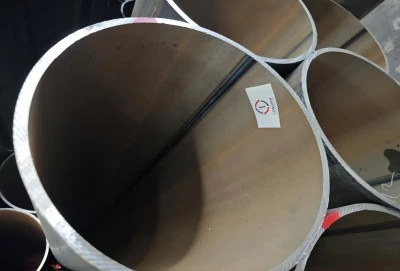
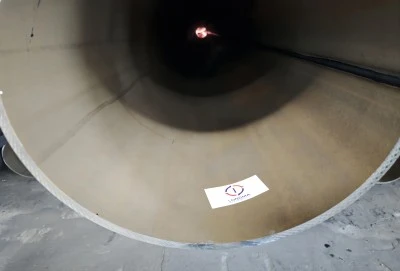
Carbon steel pipe manufactured under ASTM A53 Grade B standards serves critical infrastructure projects worldwide. This specification covers seamless and welded black steel pipe. Engineers design these for mechanical and pressure applications. Pipeline engineers recognize Grade B as the higher-strength option within the ASTM A53 family. It offers superior mechanical properties compared to Grade A variants.
The chemical composition includes controlled amounts of carbon. It also contains manganese, phosphorus, and sulfur. These elements contribute to the pipe's strength characteristics. Simultaneously, they maintain weldability. Tensile strength reaches approximately 60,000 psi minimum. Additionally, yield strength hits 35,000 psi. Such properties make these pipes suitable for demanding applications. For instance, they excel in offshore platform construction. They also work well in industrial manufacturing facilities.
Manufacturing processes include hot working for seamless variants. Electric resistance welding produces welded types. Both methods require careful quality control. This achieves consistent wall thickness. It also ensures dimensional accuracy. Pipe dimensions range from small bore applications. They extend to large-diameter installations. Thus, they accommodate diverse project requirements across global markets.
The Science Behind Hydrostatic Testing
Hydrostatic testing applies controlled water pressure. This verifies pipe integrity. It does so without risking explosive failures associated with pneumatic testing. Water's incompressible nature makes it ideal. It detects minute leaks. It also finds structural weaknesses. Test pressure typically reaches 1.5 times the pipe's rated working pressure. This creates stress conditions that exceed normal service requirements.
During testing, technicians monitor pressure gauges. They also inspect the pipe exterior. They look for signs of distortion or leakage. Any pressure drop indicates potential problems. These require investigation. The process validates that welded seams can withstand operational stresses. They must not separate. Seamless pipe variants undergo similar testing. This confirms material consistency. It also verifies manufacturing quality.
Temperature considerations affect test results. Steel properties change with thermal conditions. Therefore, testing typically occurs at ambient temperature. However, project specifications may require elevated temperature validation. Duration varies based on pipe diameter. Wall thickness also plays a role. Larger diameter ASTM A53 Gr B pipe requires extended hold periods. This ensures complete pressure equalization.
Regulatory Requirements and Industry Standards
International standards mandate hydrostatic testing. This applies to pressure-bearing pipes used in critical applications. ASME B31 piping codes reference these requirements extensively. This is particularly true for oil and gas transportation systems. Pipeline engineers must demonstrate compliance. They do this through documented testing procedures. Certified results are also necessary.
Regional variations exist in testing protocols. Some jurisdictions require witnessed testing. Qualified inspectors must be present. Documentation requirements include test certificates. Pressure charts are also standard. Photographic evidence of successful completion is often required. These records become essential components of project quality assurance packages.
Plant equipment managers often specify additional testing. They go beyond minimum requirements. This ensures long-term reliability. Enhanced testing protocols may include multiple pressure cycles. Extended hold periods are another option. Such measures provide added confidence. This is vital when deploying pipe systems in remote locations. It is also crucial for high-consequence locations where maintenance access proves challenging.
Quality Assurance in Manufacturing
Modern pipe manufacturing incorporates hydrostatic testing. It is a standard production step. It is not just an optional verification. Automated testing equipment enables consistent application of test pressures. This reduces human error risks significantly. Computer-controlled systems monitor multiple test parameters simultaneously. Consequently, they generate detailed reports for quality documentation.
Statistical process control methods help manufacturers. They identify trends that might indicate production issues. Regular calibration of test equipment is essential. It ensures accurate pressure measurement. It also guarantees reliable results. Quality management systems require thorough documentation. This covers testing procedures. It also covers personnel qualifications.
Third-party inspection services often witness hydrostatic testing. They provide independent verification of compliance. These services prove particularly valuable for international projects. In these cases, multiple regulatory frameworks apply. Certified test results from recognized inspection agencies facilitate customs clearance. They also aid regulatory approval processes.
Impact on Project Procurement and Specifications
Project procurement managers increasingly specify mandatory hydrostatic testing. This minimizes project risks. Early detection of pipe defects prevents costly field failures. It also avoids associated project delays. The investment in comprehensive testing typically pays dividends. It reduces maintenance costs. It also improves system reliability significantly.
Specification documents should clearly define testing requirements. These include pressure levels. Hold times are also important. Acceptance criteria must be clear. Ambiguous specifications can lead to disputes. They also cause project complications. Experienced procurement teams work closely with technical personnel. Together, they develop realistic yet comprehensive testing requirements.
Supplier qualification processes often emphasize testing capabilities. This sits alongside manufacturing capacity. Facilities equipped with modern testing equipment demonstrate commitment. They show dedication to quality and regulatory compliance. This capability becomes particularly important. This is true when supplying ASTM A53 Gr B pipe for critical infrastructure projects. Markets in the Middle East and Southeast Asia often demand this level of assurance.
Real-World Applications and Case Studies
Major pipeline projects consistently demonstrate value. Rigorous hydrostatic testing programs prove their worth. Offshore platform installations rely on tested pipe. This ensures safe hydrocarbon transportation. The marine environment is challenging. Water supply systems serving growing populations also depend on this. They cannot afford failures. Such failures might compromise public health and safety.
Industrial manufacturing facilities use pressure-tested pipe. They use it for steam distribution. Process fluids and compressed air systems also rely on it. Unexpected pipe failures in these environments can halt production. They also create safety hazards. Preventive testing helps avoid such scenarios. At the same time, it supports continuous operation requirements.
Structural applications benefit too. While not always pressure-bearing, hydrostatic testing helps. This applies when pipe members contribute to overall system integrity. Bridge construction projects may specify testing. This verifies that tubular members meet design assumptions. Such applications highlight versatility. ASTM A53 Gr B pipe goes beyond traditional pressure service.
Why Longma Group Leads in Hydrostatic Testing Assurance
At Longma Group, we take testing seriously. We do not view it as a mere formality. Instead, we see it as a critical safety check. Our facility houses advanced hydro-testing units. These units can handle high pressures. They can test pipes of various diameters simultaneously. Furthermore, our technicians are highly trained. They understand the nuances of the ASTM A53 standard perfectly.
We also maintain strict calibration schedules. Every gauge is checked regularly. Every sensor is verified. This ensures that the data we provide is accurate. When you receive a test certificate from Longma, you can trust it. It represents real, physical verification of the pipe's strength.
Additionally, we welcome client inspections. We believe in transparency. You can send your own inspectors. Alternatively, you can hire third-party agencies. We will facilitate their work. We will provide full access to our testing process. This openness builds trust. It is the foundation of our long-term client relationships.
Integrating Testing into Your Supply Chain
Procurement managers should prioritize testing early. Do not leave it to the last minute. Specify your testing needs in the initial inquiry. Ask suppliers about their testing capacity. Ask for sample test reports. This helps you gauge their professionalism.
Furthermore, consider the logistics of testing. Hydrostatic testing takes time. It adds to the production lead time. Factor this into your project schedule. A rushed test is a risky test. Allow sufficient time for thorough verification.
Finally, think about documentation management. You will receive many certificates. Have a system to organize them. Link them to specific batches of pipe. This traceability is crucial. If a problem arises later, you need to know exactly which pipe failed. You also need to know its test history. Good documentation saves time and money in the long run.
Choose Longma Group for Reliable ASTM A53 Gr B Pipe Solutions
Longma Group stands as a trusted ASTM A53 Gr B pipe manufacturer. We have over two decades of experience. We serve global infrastructure projects with pride. Our comprehensive testing facilities ensure quality. Every pipe meets rigorous hydrostatic testing requirements. Simultaneously, we maintain competitive delivery schedules. Contact our technical team at info@longma-group.com. Discuss your project specifications today. Experience the reliability that has made us a preferred supplier. We serve clients across 90+ countries worldwide.
Contact Longma
Hydrostatic testing represents a fundamental requirement. It is essential for ASTM A53 Gr B pipe applications. It provides essential verification of structural integrity. It also confirms pressure capability. This testing process protects investments. It ensures regulatory compliance. Moreover, it supports safe operation across diverse applications. Understanding these requirements enables informed procurement decisions. It leads to successful project outcomes. The commitment to comprehensive testing distinguishes professional suppliers. It contributes to infrastructure reliability worldwide. Modern manufacturing capabilities combined with rigorous testing protocols deliver quality assurance. Today's critical projects demand nothing less.








