
Global industrial initiatives need materials that are both very strong and very cheap. Zinc coated pipe is now an essential part of the water infrastructure, oil and gas transportation, and construction industries across the world. Knowing the technical details, application needs, and sourcing plans is the key to a project's success. This complete guide covers everything procurement managers need to know about choosing zinc-coated pipe for tough industrial uses.
|
|
|
Essential Technical Specifications and Manufacturing Processes for Zinc Coated Pipe
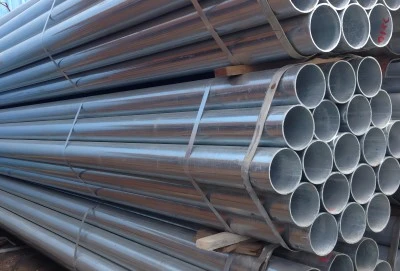
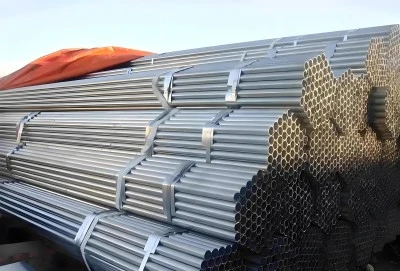
Zinc coated pipe undergoes sophisticated manufacturing procedures that determine performance characteristics. The process begins with steel pipe production through either Electric Resistance Welding or Longitudinal Submerged Arc Welding methods. Once fabricated, pipes receive protective zinc coatings through carefully controlled application techniques.
Hot-dip galvanization is still the most common way to coat things in industry. Steel pipes go into tubs of molten zinc that are kept at around 450 degrees Celsius. This immersion makes it possible for zinc and steel substrates to bind through metallurgy. The coating that comes out usually weighs between 60 and 200 grams per square meter, depending on the requirements and the conditions in which it will be used.
Another sophisticated coating method is arc spray application. This method uses electric arcs that are quite hot to melt zinc wire all the time. Compressed air breaks up the molten zinc into tiny droplets that stick evenly to the surfaces of the revolving pipes. The technique makes coatings that fulfill ISO 8179-1 criteria, which say that ductile iron applications should have 200 grams per square meter. Many manufacturers apply this standard to steel pipes that need the same level of protection.
In addition to pipe production criteria, coating parameters decide how well corrosion prevention works. ISO 21809-1 sets standards for epoxy coatings that are fused together and put on top of zinc layers. This two-layer method offers great protection in harsh settings when a single coat isn't enough.
DIN 30670 and DIN 30678 govern polyethylene coatings for buried pipelines. These German standards specify minimum coating thicknesses, adhesion requirements, and testing protocols. Many international projects reference these specifications even when constructing outside Europe, reflecting their comprehensive technical requirements and proven field performance.
AWWA C210 and C213 standards apply specifically to water transmission applications in North America. C210 addresses liquid epoxy coatings while C213 governs fusion-bonded epoxy systems. Projects involving municipal water systems or public infrastructure typically mandate compliance with these American Water Works Association standards.
Critical Application Analysis: Matching Pipe Specifications to Project Requirements
Water infrastructure projects consume vast quantities of zinc coated pipe annually. Municipal distribution networks transport potable water through millions of meters of piping. The zinc coating prevents iron oxide contamination that could affect water quality or taste. Studies conducted by water utility organizations demonstrate that properly coated pipes maintain water quality standards for 50 to 100 years under normal soil conditions.
Wastewater collection systems present different challenges than clean water distribution. While zinc coatings provide excellent external protection, internal surfaces may require additional linings. Cement mortar lining combined with external zinc coating creates comprehensive protection systems. This dual approach addresses both soil-side corrosion and internal chemical attack from wastewater constituents.
Oil and gas transmission pipelines operate under extreme pressure and temperature conditions. Zinc coated pipe serves gathering systems, distribution networks, and processing facility piping. The sacrificial nature of zinc coating provides cathodic protection at damaged points where mechanical impact or installation stress compromises coating integrity. This self-healing characteristic proves invaluable in remote pipeline installations where inspection and maintenance present logistical challenges.
Industrial Manufacturing and Process Applications
Chemical processing facilities utilize zinc coated pipe throughout their operations. Process piping transports various chemicals, solvents, and intermediate products. Engineers select zinc coatings for compatibility with specific chemical environments. While zinc resists most atmospheric conditions excellently, strong acids and alkalis require supplementary protection systems or alternative materials.
Power generation plants incorporate zinc-coated pipe in cooling water systems, steam distribution networks, and auxiliary systems. Fossil fuel facilities face corrosive environments from combustion gases and cooling water chemistry. Nuclear plants demand materials meeting stringent quality standards with complete traceability. Renewable energy installations including geothermal and biomass facilities also specify zinc-coated pipe for various auxiliary systems.
Mining operations rely on zinc coated pipe for slurry transport, dewatering systems, and process water distribution. The harsh conditions in mining environments—including abrasive materials, chemical exposure, and mechanical stress—test material performance. Zinc coatings provide baseline corrosion protection while allowing easier cleaning and maintenance compared to unprotected steel alternatives.
Construction and Structural Engineering Uses
Building construction incorporates zinc-coated pipe in multiple applications. Plumbing systems for water supply and drainage utilize smaller diameter pipes meeting residential and commercial building codes. Fire protection sprinkler systems employ zinc-coated pipe to ensure decades of reliable service with minimal maintenance. The coating prevents internal tuberculation that could restrict water flow and reduce system effectiveness.
Scaffolding and temporary structures use zinc coated pipe extensively. Construction projects worldwide employ these materials for worker access platforms, material storage frameworks, and safety barriers. The coating extends service life despite repeated assembly, disassembly, and outdoor storage between projects. This durability translates into lower lifecycle costs for contractors maintaining equipment inventories.
Permanent structural applications include handrails, guard rails, and architectural features. Architects and engineers appreciate the natural appearance of galvanized finishes. The coating develops a stable zinc patina over time, creating attractive weathered appearances while maintaining structural integrity and corrosion resistance.
Strategic Sourcing Considerations for International Procurement
China has emerged as the dominant global supplier of zinc coated pipe for industrial projects. The nation's integrated steel industry combines raw material access, manufacturing capacity, and cost efficiency. Understanding regional specialization helps procurement teams identify optimal supply sources.
Cangzhou in Hebei Province represents China's premier steel pipe manufacturing cluster. The region hosts hundreds of manufacturers producing millions of tons annually. Geographic advantages include proximity to steel mills supplying raw materials and access to Tianjin port facilitating international exports. This industrial concentration creates competitive pricing while supporting specialized manufacturing capabilities.
Transportation infrastructure connecting Cangzhou to global markets enables reliable delivery schedules. Highway networks link manufacturers to Tianjin port within two hours. Rail connections support bulk shipments to inland Chinese markets and overland routes to Central Asian destinations. This multimodal infrastructure ensures supply chain flexibility for international buyers.
Evaluating Manufacturer Capabilities and Quality Systems
Successful procurement requires thorough manufacturer evaluation. Production capacity represents an obvious consideration—facilities must handle order volumes without compromising delivery schedules. However, technical capabilities matter equally. Manufacturers should demonstrate proficiency in multiple pipe diameters, wall thicknesses, and coating specifications.
Quality management certifications provide objective evidence of organizational capabilities. ISO 9001 certification verifies quality management systems meeting international standards. Product-specific certifications from API, ASTM, or equivalent organizations demonstrate technical competence. Third-party inspection agreements with SGS, Bureau Veritas, or TÜV offer independent quality verification.
Testing laboratory capabilities separate capable manufacturers from basic suppliers. Modern facilities maintain in-house laboratories equipped for dimensional inspection, mechanical testing, and coating evaluation. Equipment includes spectrometers for chemical analysis, tensile testing machines, and sophisticated coating thickness measurement systems. These capabilities enable rapid quality verification without relying on external laboratories.
Understanding Pricing Structures and Cost Optimization
Zinc coated pipe pricing reflects multiple factors beyond basic material costs. Raw steel prices fluctuate with global commodity markets. Zinc costs vary based on mining production and industrial demand. Energy expenses for heating galvanizing baths and operating production equipment affect manufacturing costs significantly.
Order quantities influence unit pricing through economies of scale. Manufacturers achieve optimal efficiency with large production runs of standard specifications. Custom dimensions, special coatings, or unusual length requirements typically command premium pricing. Procurement teams can optimize costs by standardizing specifications across projects when feasible.
Transportation and logistics expenses represent substantial portions of delivered costs for international orders. Container shipping rates fluctuate seasonally and with market conditions. Buyers should request pricing terms clearly specifying responsibilities for freight, insurance, and customs duties. FOB, CIF, and DDP terms carry different risk allocations and cost structures.
Longma Group: Two Decades of Manufacturing Excellence in Cangzhou
Since 2003, Longma Group has established itself among China's leading steel pipe manufacturers. Located in Cangzhou's industrial heartland of Hebei Province, the company combines strategic positioning with comprehensive technical capabilities. The facility spans 230,000 square meters and employs over 300 workers, including 60 technical specialists dedicated to engineering, quality control, and process optimization.
Production capabilities encompass both ERW and LSAW technologies, enabling manufacture of large-diameter and thick-walled pipes meeting diverse project requirements. Annual production capacity exceeding one million tons positions Longma Group to serve major infrastructure projects globally. The company maintains multiple international certifications and welcomes third-party inspections, demonstrating commitment to quality and transparency.
Partner with Longma Group for Your Next Industrial Project
Selecting the right zinc coated pipe supplier determines project success from procurement through final commissioning. Longma Group combines manufacturing expertise with customer-focused service, supporting clients from initial specification development through delivery and beyond. Our technical team assists with material selection, ensuring products match application requirements precisely.
Our production capabilities accommodate projects of any scale. Whether you require 50 tons for a municipal upgrade or 5,000 tons for pipeline construction, we maintain capacity to fulfill orders while meeting demanding schedules. Strategic inventory management for common specifications enables rapid response, while custom production capabilities address unique project requirements.
Quality assurance represents our fundamental commitment to customers worldwide. Every pipe undergoes rigorous inspection before shipping. We welcome third-party inspections and provide comprehensive documentation supporting customs clearance and project commissioning. Our quality records demonstrate consistent performance across thousands of successful projects.
Begin planning your next project with confidence. Contact Longma Group's international sales team at info@longma-group.com to discuss your zinc coated pipe requirements. We provide detailed technical specifications, competitive pricing, and delivery schedules customized to your project timeline. Experience the quality and service that has made Longma Group a trusted partner for global industrial projects since 2003.
FAQs
Q1: What advantages does zinc coated pipe offer compared to uncoated steel alternatives?Zinc-coated pipe prevents corrosion by blocking and sacrificing. Zinc coatings protect steel from moisture and oxygen. Zinc corrodes more than steel when coatings fail due to its lower electrode potential. Protecting exposed areas from rust extends service life. Studies suggest appropriately galvanized pipes last 50–100 years in normal soil and climate, compared to 15–25 years for bare steel. Despite higher initial material costs, durability reduces replacement costs and service disruptions, enhancing lifecycle value.
Q2: How should buyers evaluate coating thickness specifications for different applications?
Service life and environmental exposure determine coating thickness. Hot-dip galvanizing coats typical structure with 60–90 microns (430–610 kilos/square meter). Water transport projects commonly utilize 86-micron AWWA-compliant heavy coatings. Marine environments and industrial pollution might need 130 grams per square meter. 200 grams per square meter is typical for ISO 8179-1 arc-spray. Buyers should consult corrosion specialists or industry standards for specific scenarios. Thick coatings protect longer but cost more, necessitating cost-benefit analysis for economic optimization.
Q3: What documentation should buyers require to ensure quality and regulatory compliance?
A: EN 10204 Type 3.1 mill test certificates (MTC) describe chemical composition, mechanical properties, and dimensions. Coating certifications should examine zinc coating thickness, adherence, and homogeneity. Reputable third-party inspections confirm quality. MSDSs address handling and environmental regulations. Conformance certificates are API 5L, ASTM A53, or similar. Traceability papers linking pipelines to production and raw material sources enhance quality investigations. This documentation aids customs, project acceptance, and asset management.








