
It doesn't rust, is strong, comes in many sizes, can be used in many situations, can be checked for quality, and is easy to ship all over the world. These are the seven best things about galvanized mild steel pipe for business-to-business projects. Zinc that sticks to low-carbon steel keeps water out and doesn't hurt the surface too much. This helps utility builders, EPC contractors, and distributors finish projects faster and with fewer problems. You can check and prove the coating when you hot-dip galvanize something, which makes going over bids easier. I am going to list all the great things about this guide. Before you order a pipe, I also show you how to pick a good one.
|
|
|
Why Galvanized Mild Steel Pipe Remains a Practical B2B Choice?
What Galvanized Mild Steel Pipe Is?
Mild steel pipe with a zinc coating and less than 0.25% carbon is known as galvanized mild steel pipe. The shell is made of zinc, the base is made of steel, and the pipe is finished. When you heat steel and molten zinc together, an iron-zinc alloy forms on top of the pure zinc. To stay safe, they had to build that wall and give up something. Multiple sellers use the terms "carbon steel," "mild steel," and "low-carbon steel" to refer to the same type of steel. Make sure to specify the exact standard, such as ASTM A53 or API 5L, along with the size and wall thickness when you ask for something.
Where Buyers Use It?
People buy copper-coated steel pipe so that it can be used to put out fires, move water, water crops, make fences and guardrails, and support heavy machinery. Many types of air are bad for bare steel, which is why it is used on farms and in greenhouses. On highway projects where guardrails and sign posts will get wet, UV light and road salt are used. Fire sprinkler lines are also made out of it. For these kinds of projects, you might need UL or FM approvals. Make sure you know the rules before you pick a provider. Take care that the pipe you use is right for the job. Each job has its own code and pressure needs.
What to Confirm Before You Order?
Before you ask for prices, I think you should make a short list of things you know for sure. Check the schedule, the pipe standard, the size, and the wall thickness. Next, check that the way you are galvanizing and the coating mass or thickness that the specification calls for are correct. You need to add the length, the end finish, the paperwork, and the steps for checking it. Last, find out how often, how much, and how much the supplier has exported before. Our galvanized mild steel pipes have outside diameters that range from 60.3 mm to 1422 mm and wall thicknesses that range from 6.02 mm to 50.8 mm. It will save you time if you compare these figures to your drawings right away. Quotes change all the time after the fact because we need more details at this point.
7 Benefits That Matter on B2B Projects
Benefit 1: Improved Corrosion Resistance for Longer Service Life
Water can't get to the steel because it has zinc on it. If steel gets scratched, the zinc close by will rust first and fill in the hole. Rust costs a lot of money, so this is important. A 2013 study by NACE International called IMPACT said it cost about US$2.5 trillion, which is 3.4% of the world's GDP. What makes a difference is still how thick the coating is, how clean the surface was, how well it was put on, and how hot or cold it is. If the line stays dry inside, it can last for many years. On the other hand, zinc breaks down faster in salty or factory air. Something different might be needed if you want to use it in rough places like the ocean, with acidic chemicals, or when it's hot outside. I believe it is best to match the expected life to the site's needs.
Benefit 2: Lower Total Cost Compared with Some Alternative Materials
The price per meter doesn't always show what's going on. A quote takes into account the steel price, the diameter, the wall thickness, the zinc coating, the threading, the testing, the packaging, the freight, and the order size. Galvanized pipe usually costs more than steel that hasn't been coated when you buy it. In the long run, though, it can save you money because it doesn't need to be fixed or replaced as often. It takes longer to make this metal, so it costs more at first. Steel is stiffer and stronger than PVC, but PVC is sometimes less expensive. I think you should get a cost quote that includes technical compliance when it is delivered.
Benefit 3: Strong Mechanical Performance for Construction and Infrastructure
The steel base of the pipe makes it stiff, strong, and able to hold weight. That holds things in place, like utility lines, fences, handrails, guardrails, scaffolding, and building supports. Heat iron and zinc together and add them to steel. The layers they make are often stronger than the steel itself. This means that when you touch it, the coating doesn't come off right away. The size, thickness, grade of steel, support spacing, and weight of something all show how well it works. It is true that Schedule 80 pipe has a thicker wall than Schedule 40 pipe when the sizes are the same. That makes it stronger against pressure and stress, but it costs more and weighs more. You can pick the schedule from the diagrams, calculations, and codes that are useful.
Benefit 4: Versatile Sizes, Dimensions, and End Configurations
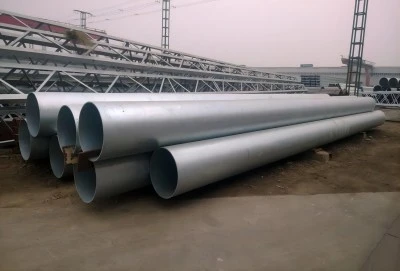
The range of sizes is important because each site has different project needs. Our galvanized mild steel pipe meets all of these standards: API 5L, ASTM A53, EN 10210, and AS/NZS 1163. The outside measurements range from 60.3 mm to 1422 mm, and the inside measurements range from 6.02 mm to 50.8 mm. The outside diameter of a pipe changes no matter what size it is. How thick the wall is changes along with the inside diameter. The flow rate goes up as the diameters get bigger. Taller walls cost more to ship, take longer to build, and weigh more. We also take care of the ends of connections that mate. Just tell us what you need, and we'll make sure you get it.
Benefit 5: Suitable for Multiple Water, Utility, and Industrial Applications
Pipe can be used for many things after it has been galvanized, such as water lines, fire stopping, irrigation, compressed air, railings, building frames, and repairs. Make sure you know the rules in your area, the temperature, the flow, the pressure, and the chemistry of the water before each use. Zinc coatings can stand up to temperatures of 200°C. Water can't stay in galvanized pipe for long because the zinc wears off and the steel can rust inside. The surface is not the same as the ground. If the soil is acidic or has a lot of chloride, zinc can break down in less than five years. Cover it with something bituminous or wrap it up to keep it safe. People who want to buy it should not use it for things that aren't right for them before they fail in the field.
Benefit 6: Dependable Manufacturing Options and Quality Verification
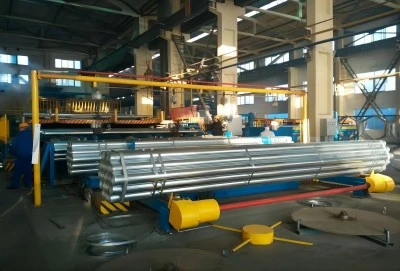
The first steps in making something are to clean and shape the coil. Size, welding, surface treatment, galvanizing, inspecting, and packing are some of the other steps. When it is dipped after being put together, it has more than 45 microns of zinc on it. It's better to do light work inside or with galvanized pipe. About 20 microns can go through this kind of pipe. The thickness of most hot-dip coatings is between 42 and 85 microns, or 300 to 600 g/m². Follow the wires, look at the coating, and use a magnet to test its mass, according to ASTM E376. This will tell you how thick something is. An Inspection and Test Plan, a Manufacturing Procedure Specification, and a Material Test Certificate will be given to you by this company. We can also follow your pipe from the raw materials to the finished product.
Benefit 7: Easier Procurement Through Global Supplier and Stock Options
You can buy this pipe from any business that manufactures, sells, ships, or trades it. Look at the resources, standards, quality control, export experience, traceability and client references each organization can provide. Pipes can be ordered in any length, breadth or finish. The stock pipe can be used for both short term and long term demands. Since 2003, it has been manufacturing ERW and LSAW steel pipe. Annual traded steel will be more than 1,000,000 tons by the end of 2023. It will go to more than 90 nations. There are a few things you should know about a quote before you accept it: These include the minimum order quantity, how the price is calculated, how you will pay, how long it will take to load the container, how you will examine it and the Incoterms.
Galvanized Mild Steel Pipe Comparisons for Better Decision-Making
Versus Black Steel and Uncoated Carbon Steel
That’s because carbon steel and black steel pipe don’t have a layer of zinc on them. You have to paint them or cover them some other way because water makes them rust a lot of the time. “Galvanized pipe is already protected so it’s easier to coat lines that aren’t.” Black steel, if properly coated, is still serviceable for underground lines or dry interior service. For underground oil, water and gas pipelines, FBE, 3LPE or 3PE paints can be a better choice than zinc. We offer this coating as well. Both the pipe and the safety kit are named. You should have each provider write down what coating grade that is.
Versus Stainless Steel
Stainless steel is better for hard, clean or hot use, but it costs more. Galvanized pipe is generally less expensive for outside constructions, guardrails, irrigation and water that is not intended to be drunk. Stainless steel is excellent for lines that handle food, pharmaceuticals or severe chemicals. When doing comparisons, you should consider the grade, coating, pressure, temperature, maintenance, any applicable codes, and what they are going to cost over their complete life. Everyone is working on the same project and contributes where they can do the best. Read all your specs through before you make your decision.
Versus PVC Pipe
PVC is light, not corrosive and easy to handle. It is also less rigid, offers less protection against impact and cannot stand greater temperatures. Galvanized steel holds its shape better over a larger support spacing and can bear more load, impacts and being placed up outside. Alternatively, you may assemble the parts differently. PVC pieces are joined with silicone-based glue. Galvanized steel joints can be threaded, grooved or welded. One thing doesn’t always win. The choice of which one to employ should be based on building codes, fluid, pressure, and temperature. Then consider the expense of each option over time.
Selecting, Inspecting, and Buying the Right Pipe
How to Select the Best Galvanized Mild Steel Pipe?
First, explain the service in terms of the weather, the fluid, the pressure, the temperature, the flow, and the place of installation. Next thing to do is to figure out what the tech needs are. The list should contain the following items: pipe standard, steel grade, nominal size, wall thickness, coating process, coating requirement, length, end finish and test required. Third, make sure the correct coating is utilized for the hazards, like air from the shore, buried service or a lot of use and wear. Fourth, compare the companies on the compliance with technical requirements, availability of items, lead time, how you package, inspect, ship and provide customer support after the sale. Fifth, make sure you have adequate fuel on hand ahead of time. It’s not only the price that makes consumers want to order again. Also, the ability to talk to others and to see things clearly are quite crucial. Our staff can chat to you about your requirements for ASTM A53, API 5L, EN 10210 or AS/NZS 1163 before we start fabrication.
Quality-Control Checklist Before Ordering
This type of examination ensures that the size, coating or documentation are all correct. Ensure you are aware of the depth, length, tolerance, straightness, roundness, weld condition, end finish and theoretical weight of the item before ordering. Then consider the type of galvanizing, the thinnest or average coating thickness, and the surface condition (bare areas, peeling, and roughness). Finally, ask the supplier what they do to ensure the chopped ends are safe. Check the varied quantities, bundle labels, certificates and marks that allow tracking against the purchase order before the products are shipped. For large projects, it's a good idea to view the cargo records externally and photograph them. They provide evidence to your QA/QC team in the event of a dispute.
Common Procurement Mistakes to Avoid
Most issues in procurement are caused by people not knowing enough about it. Prices per item do not include such things as testing, certification, coating, threading, packaging, freight and further testing. These prices are what those who wish to buy look at. Some people have difficulty distinguishing nominal from real dimensions. Grab some dimensions tables . Read over schedule 40 or 80 and see what you need to do . Some consumers never get written documentation that the water is safe to drink or galvanize incorrectly. They ache more when you move them . White rust can form if pipes are tied down firmly and kept damp with little air flowing through them. Heavy deposits will eat away thick zinc. Before shipping, as a group, you should decide how to pack, maintain dry, load, lift, and meet the destination's needs. Also, repair cut ends and field welds with cold galvanizing compound.
Conclusion
In order to make galvanized mild steel pipe, a low-carbon steel body is mixed with zinc. The zinc coating keeps the metal from rusting because it shapes itself against it. It's easier to get materials from around the world because of these seven benefits. They also make them stronger, more resistant to corrosion, cheaper over their whole life, more useful, and make sure the quality. Black steel, stainless steel, and PVC can all work well in some situations, so you shouldn't just buy what's cheapest. It's important that the wall is the same size, thickness, use, standards, and place where it's put up. When there is food service, chemical service, or potable water service, extra care needs to be taken. After being checked for thickness, size, certificates, packaging, and delivery terms, the pipe meets the needs. When given the right information, galvanized mild steel pipe can be a good choice for many business-to-business projects because it lasts a long time.
FAQ
What is the difference between hot-dip and pre-galvanized pipe?
Pre-galvanized pipe is made from strip that has been coated with zinc before it is galvanized. In this way, the zinc doesn't hurt the weld seam. A lot of the time, the coating is 20̼ thick. Hot-dip pipe is dipped after it has been joined together. As long as it's more than 45 microns thick, it can be used outside.
Is galvanized mild steel pipe suitable for drinking water?
No, most of the time. Most building codes today say you can't do it because the zinc wears off and the steel inside can rust. It seems good for building, fire, and water that you can't drink. To be sure, write down the rules in your area.
Can I weld galvanized mild steel pipe?
Yes. To avoid holes and dangerous zinc oxide fumes, you should grind off the zinc before you weld. In order to protect the metal again after welding, you should use a cold-galvanizing compound. Also, make sure there is enough air flow where you work.
Why does some galvanized pipe show white powder?
That is white rust, which is also known as wet storage stain. This can happen when galvanized surfaces that are too tight are pressed together in damp places where air can't move. Heavy deposits can wear down the zinc, so you shouldn't use something that has a lot of them.
Request a Galvanized Mild Steel Pipe Quote from Longma Group
Since 2003, it has sold ERW and LSAW steel pipe to more than 90 different countries. These are the sizes of hot-dip galvanized mild steel pipes that we sell. They meet A53, EN 10210, API 5L, and AS/NZS 1163. It's also true for ITP, MPS, and MTC. We'll send you a quote by email at info@longma-group.com if you tell us your size, wall thickness, quantity, and the port where the cable is going. To find out more, please visit longma-group.com.