
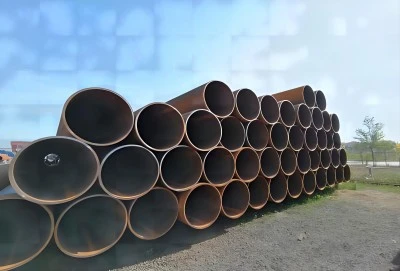
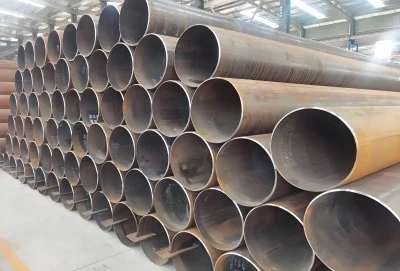
It is important to know about API 5L grades in order to choose the right pipeline material for moving oil and gas. The American Petroleum Institute (API) Spec 5L standard sets the requirements for line pipes used to carry oil, natural gas, and water. The API 5L X56 pipe stands out as the best choice between strength and cost-effectiveness among the different grades, which range from Grade B to X80. X56 grade line pipe works well in both coastal and marine situations because it has a minimum yield strength of 56,000 psi, which is about 390 MPa. This high-strength low-alloy (HSLA) steel pipe is very resistant to pressure and can be welded very easily. This makes it a popular choice for intermediate transfer projects that need to be durable and affordable at the same time.
|
|
|
Understanding API 5L Steel Grades for Seamless Pipes
For oil and gas infrastructure around the world, the API 5L standard is the most important thing that makes sure pipelines are safe. This guideline covers both seamless and welded steel pipes, making sure they meet strict standards for safely and quickly moving hydrocarbons. The main difference between seamless and welded pipes is how they are made. Seamless pipes are made from solid steel billets that don't have any horizontal joints, so their strength is the same all the way through.
What Makes API 5L Standards Critical?
When a pipeline breaks, it can do terrible damage to the environment and cause businesses to lose money. Because of this, API 5L sets clear standards for mechanical properties, limits on chemical makeup, and testing methods. There are two levels of goods in the standard, called PSL1 and PSL2. PSL1 is the basic quality that can be used for most pipeline uses. PSL2 adds more controls over the chemicals that are used, requires impact testing (Charpy V-Notch), and has tighter non-destructive examination rules. Hydrogen Induced Cracking (HIC) and Sulfide Stress Corrosion Cracking (SSCC) are very dangerous in sour service conditions, which is why PSL2 pipes are made for them.
Commonly Used API 5L Grades
In API 5L grades, the "X" symbol means high-strength types, and the number next to it shows the minimum yield strength in thousand psi. Grade X52 (52,000 psi) is good for moderate-pressure uses, while X60 (60,000 psi) and X65 (65,000 psi) are better for high-pressure uses like long-distance communication. X70 (70,000 psi) and X80 (80,000 psi) are used in situations with very high pressure, but they cost more and need to be welded in a certain way. While X65 and X70 materials are more expensive, the API 5L X56 pipe grade is a good compromise because it is stronger than X52 without being as expensive.
Chemical Composition and Mechanical Performance Factors
Weldability is directly affected by carbon content. PSL2 X56 pipes reduce carbon to 0.24% at most, which means they can be used with normal field welding methods without requiring a lot of pre-heating. Manganese (up to 1.40%) makes the metal stronger and tougher, and strict limits on sulfur (0.015% max) and phosphorus (0.025% max) keep out harmful particles that cause cracks. The carefully balanced makeup of X56 pipes give them their unique ability to be shaped, welded, and keep their shape under tough operating conditions.
Technical Deep Dive: Mechanical Properties and Manufacturing of API 5L X56 Pipes
Engineers and purchasing managers can better match the powers of materials to the needs of a project when they know the technical details of different types of line pipe. API 5L X56 pipes have mechanical qualities that help with problems that come up in real life when building and running pipelines.
Key Mechanical Properties
With a minimum yield strength of 56,000 psi, X56 pipes don't bend permanently when put under forces that would damage lower-quality materials. Tensile strength is at least 71,000 psi (490 MPa), which gives you extra protection against breaking. The elongation values make sure that the material is flexible enough to bend in the field during installation. This is especially important in areas with changing elevations or obstacles in the way. Charpy V-Notch impact testing must be done at 0°C or lower according to PSL2 standards. This makes sure that the pipe stays tough in cold places and doesn't let brittle fractures spread, which is very important for pipelines that cross temperature zones or work in the winter.
Heat Treatment and Microstructure Enhancement
The manufacturing method has a big effect on how well the finished pipe works. To normalize heat treatment, steel is heated above its critical temperature and then cooled in still air to smooth out the grain structure and make it stronger. Quenching and tempering can improve mechanical qualities even more, creating a nanoscale that is strong and flexible in the best way possible. These heating processes also make things less likely to rust by spreading out carbides evenly and getting rid of internal stresses that make certain corrosion paths more likely. Longma Group uses modern heat treatment methods to strengthen welds and make pipes last longer, so our X56 goods go above and beyond what the API requires.
Seamless Pipe Manufacturing Techniques
Solid steel billets from respected mills like Shagang, Shangang, and TISCO are used to start the production of seamless pipes. The steps in making steel are carefully controlling the chemical makeup, heating the billet to the right temperature for forging, piercing to make the first hole, and hot rolling to get the right size. A mandrel is used in rotary pierce mills to make the hole in the pipe while keeping the wall thickness the same. After more sizing and finishing steps, the pipe's final diameter and wall thickness are achieved within very close limits. This uniform design gets rid of the longitudinal weld seam that is present in ERW or LSAW pipes. This makes the hoop strength the same all the way around the pipe.
Quality Control Measures
Strict checking procedures make sure that every pipe meets the standards. A chemical composition study checks that the alloy's content fits the design parameters. Tensile strength, yield strength, and extension are measured mechanically on samples from each heat lot. Ultrasonic testing finds problems inside that can't be seen from the outside. During hydrostatic testing, pipes are put under forces that are higher than their standard working conditions. This makes sure that the structure is solid. Any internal irregularities can be seen on an X-ray. From the time the raw materials are received until the final inspection, our traceability systems keep track of each pipe. This gives us full paperwork for technical approval and regulatory compliance.
Comparative Analysis: API 5L X56 vs Other Common Pipe Grades
To choose the best pipe type, you have to weigh the technical needs against the costs of the job. Different grades are used in different working situations, and knowing these differences helps you make smart choices.
Strength and Pressure Rating Comparison
With a minimum yield strength of 52,000 psi, X52 pipes are good for gathering systems and moderate-pressure transfer where choices are based on how much the materials cost. The API 5L X56 pipe has a yield strength that is about 8% higher than X52. This means that walls can be thinner for the same pressure grade or thicker for higher working pressures. This means that large-diameter, long-distance projects will use less material and have lower shipping costs. The X60 and X65 grades are stronger than the X50 grade, but they need more complex welding techniques and heat input control. X70 needs special welding supplies and experienced welders, which makes field building more difficult and costs more.
The Barlow formula tells us that hoop stress is equal to pressure times diameter divided by two times wall thickness. This shows how the pressure-containing capacity relationship works. Higher yield strength materials let design forces go up or wall thickness go down, but procurement managers need to think about more than just raw strength numbers.
X56 Versus Carbon Steel and Stainless Steel Alternatives
Standard carbon steel pipe, like ASTM A53 Grade B, is cheaper at first, but it doesn't have the yield strength needed for high-pressure transfer. This means that the walls have to be larger, which wastes the material savings. In harsh settings, stainless steel is better at resisting corrosion than HSLA types like X56, but it costs a lot more. The X56 grade is a good compromise between strength and weight. It is stronger than carbon steel but lighter, and protection coats (3LPE, FBE) keep metals from rusting at a fraction of the cost of stainless steel. Because of these factors, X56 is a good choice for projects where rust can be controlled by outside systems instead of choosing an expensive metal.
Application-Specific Grade Recommendations
X52 or Grade B pipe is often used in gathering systems that work below 1,000 psi because it has good strength ratios and costs less. The better qualities of X56 make midstream transmission lines between 1,000 and 1,500 psi safer while lowering the thickness of the walls. X60, X65, or X70 are often used for high-pressure trunk lines above 1,500 psi, but this depends on the design pressure and the shape of the route. Offshore platforms and underwater pipes are in harsh, corrosive environments that require PSL2 materials that must be tested for impact. X56 PSL2 is used in many offshore uses because it is stronger and costs less than higher grades.
Conclusion
Choosing the right line pipe grades has a direct effect on the long-term costs, operating safety, and success of a pipeline project. For many oil and gas uses, API 5L X56 pipes are the best choice because they have good mechanical qualities, can be welded, and are affordable. Procurement managers and engineers can make choices that are in line with project needs when they understand the technical specifications, manufacturing methods, and comparative benefits. If you need X56 grade line pipe for coastal gathering systems, midstream transfer, or offshore production sites, you should give it a lot of thought. The grade is a good base for pipeline infrastructure that meets the world's energy needs because it has balanced performance traits, a track record of reliability, and wide governmental acceptance.
FAQ
What is the difference between API 5L X56 PSL1 and PSL2?
PSL1 is the normal quality level that meets the basic chemical and mechanical needs of general pipeline work. Along with tighter limits on sulfur and phosphorus and lower carbon equivalent, PSL2 requires Charpy V-Notch impact testing to be done at certain temperatures and improves non-destructive examination. PSL2 materials are very tough and don't crack easily when exposed to hydrogen. This makes them ideal for use in sour service environments, at low temperatures, and in important pipeline parts where failure would have serious effects. When working conditions include corrosive fluids, extreme temperatures, or when legal standards call for better material qualities, projects should select PSL2.
How does seamless pipe compare to welded pipe in API 5L X56 grade?
Seamless pipes are strong all the way around because they don't have any lengthwise weld gaps. This means they work the same way when they're under pressure inside and outside. Pipes that have been welded (ERW, LSAW, SSAW) have longitudinal or spiral seams that are inspected separately and may have slightly different features at the joint zone. While seamless construction usually comes with a higher price tag, it is ideal for situations where weld quality is an issue or where specific requirements call for it. It is cheaper to buy welded pipes, and they come in bigger sizes. Both types meet API 5L standards when they are made and checked correctly, so the choice depends on the project needs, the diameter needed, and the budget.
What testing should I require when procuring API 5L X56 pipes?
Material compliance and fitness for service are proven through thorough testing. Need a chemical makeup study to make sure the alloy level is within the limits set by the standard. Tensile, yield, and extension tests are used to confirm strength traits. Hydrostatic testing shows that pipes are pressure-tough by putting them under pressures higher than their design limits. Ultrasonic testing finds cracks inside and changes in wall thickness. Charpy V-Notch impact tests at certain temperatures should be done on PSL2 materials. Welded pipes can have flaws in the weld found with X-rays or eddy currents. When the importance of the project calls for more oversight, a third-party review offers independent confirmation. Reliable makers make sure that all required tests are part of their normal processes and include approved paperwork with every shipment.
Partner with a Trusted API 5L X56 Pipe Manufacturer
Longma Group has been making high-quality products for more than 20 years and can help you with your pipeline tasks. As one of the biggest companies that sells API 5L X56 pipes, we can make more than 1,000,000 tons of pipes every year in our 230,000-square-meter factories. Our wide range of products includes sizes from 1/2" to 80", wall thicknesses from Schedule 10 to Schedule 160, and they come in both PSL1 and PSL2 standards. We use a variety of manufacturing methods, such as ERW, LSAW, DSAW, and SSAW, to make sure that your project needs are met exactly. We get our raw materials from top mills like HBIS, Bao Steel, and Shougang, and our quality control systems are certified by API 5L and ISO. This means we can always meet your quality standards. Our engineering support team helps you choose the right materials, gives you full paperwork packages, and does manufacturing work like beveling, coating application (FBE, 3LPE), and custom end treatments. Get in touch with our technical experts at info@longma-group.com to talk about your unique pipeline needs and see why we're a trusted partner in more than 90 countries.








