
When choosing pipeline materials for important infrastructure projects, it's very important to know the difference between API 5L steel pipe PSL1 and PSL2 requirements. PSL1 (Product Specification Level 1) sets the fundamental chemical and mechanical qualities and quality standards for products. PSL2, on the other hand, has tougher quality control procedures and better testing processes. The decision between these criteria has a direct effect on the safety, compliance, and long-term performance of projects that involve moving oil and gas, building offshore platforms, and distributing water.
|
|
|
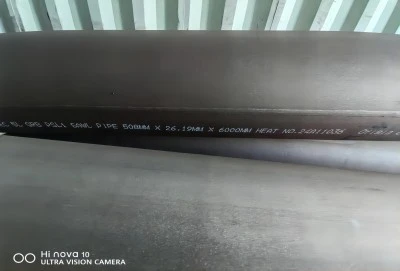
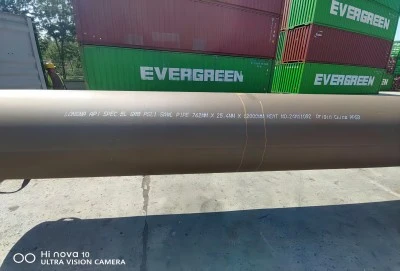
Understanding API 5L Steel Pipe Specifications and Grades
The American Petroleum Institute established the API 5L standard to govern line pipe specifications for the petroleum and natural gas industries. This complete standard covers both seamless and welded steel pipes that are used to move oil, gas, and water for a variety of industrial purposes.
Technical Foundation of API 5L Standards
API 5L standards tell manufacturers what they need to do to make line pipes, how to test them, and how to make sure they are of good quality. The standard applies to pipes with outer diameters of 1/8" to 80" and wall thicknesses of SCH10 to SCH160. These standards make sure that pipes can handle the tough circumstances that pipeline networks across the world face.
There are various grades in the classification system, and each one is based on yield strength. The lowest level of strength is Grade B, which has a yield strength of at least 35,000 psi. The material can take more and more strength as the grade goes up, such as X42, X46, X52, X56, X60, X65, X70, and X80. The number stands for the minimum yield strength in thousands of psi, which helps engineers choose the right materials depending on safety and operational pressure needs.
Distinguishing PSL1 and PSL2 Classifications
Product Specification Levels are levels of quality set by the API 5L standard that provide different criteria for chemical composition, mechanical properties, and testing methods. PSL1 provides basic quality assurance that works for most uses, whereas PSL2 adds further controls for key service contexts.
The technological variations between these levels go beyond only the basic properties of the materials. They also involve full quality control systems. PSL2 standards involve stronger rules for the chemical makeup of materials, include tighter limits on carbon equivalent and other alloying elements. These tighter standards make pipelines easier to weld, tougher, and more stable right away.
Key Differences Between PSL1 and PSL2: Impact on Procurement and Application
To understand the real-world effects of choosing a PSL level, you need to look at the specific technical and operational distinctions that affect project outcomes. These differences have an impact on everything from the expenses of buying things to the expenditures of maintaining them over time and their safety performance.
Chemical Composition and Mechanical Property Variations
PSL2 has to have better control over the chemical makeup, specifically the levels of sulfur, carbon, and phosphorus. These tighter tolerances make the materials more uniform and better at doing their jobs. The carbon equivalent computation is tighter in PSL2. This makes it easier to weld and less prone to break when exposed to hydrogen.
varying levels of API 5L steel pipe standards also have quite varying criteria for mechanical properties. For the same grades, PSL1 and PSL2 have the same minimum yield and tensile strength requirements. However, PSL2 needs Charpy V-notch impact testing. This test looks to determine if the material can break easily at low temperatures, which is especially critical for pipes that function in harsh places.
Enhanced Testing and Quality Control Requirements
The testing methods needed to get PSL2 certification are a major step up from what was needed for PSL1. These stronger rules make it more probable that materials will operate as planned, but they also change the schedules for projects and the abilities of suppliers.
PSL2 stipulates that all welds must be examined without breaking them, and that either ultrasonic or radiographic technologies must be used to inspect all longitudinal and circumferential seams. This detailed testing procedure looks for defects that might compromise the pipeline's integrity over time. PSL2 also says that you have to test the material's strength at particular temperatures, generally -10°C (14°F), to make sure it can be used in cold weather.
Documentation requirements also get stricter under PSL2. Suppliers must keep detailed records of how materials may be traced, heat treatment certificates, and comprehensive test results. This superior paperwork makes it easy to obey the regulations in other countries' markets and helps with managing project quality.
Comparing API 5L PSL1 vs PSL2 with Other Industry Standards
When choosing materials for a pipeline, it's common to look at several standards to choose the best one for the needs of a particular project. Comparing API 5L specs to other standards like ASTM A106 and API 5CT might help you figure out which one is best for your needs and how well it works.
API 5L Versus ASTM A106 Performance Characteristics
ASTM A106 seamless carbon steel pipes are used for the same things, but they are produced and verified for quality in different methods. API 5L is more about using pipelines to move things, whereas ASTM A106 is more about building things without seams that can handle high temperatures.
The chemical composition requirements for these standards are considerably varied. API 5L PSL2 contains tougher requirements for figuring out the carbon equivalent and sulfur content. When used in pipelines, this makes it easier to weld and less likely to break in the environment. Every standard has its own set of temperature restrictions. ASTM A106 is meant to perform well at high temperatures, while API 5L is made to work best at standard and somewhat higher temperatures.
Practical Application Case Study: X42 vs X60 Grade Comparison
It is very crucial to pick the proper specs when you look at how well X42 and X60 grades operate in both PSL1 and PSL2 combinations. X42 grade material has a minimum yield strength of 42,000 psi, which makes it appropriate for normal pipeline service and applications with moderate pressure.
The X60 grade material has a minimum yield strength of 60,000 psi, which makes it stronger and lets it handle higher pressures and thinner walls. When they meet PSL2 criteria, both classes gain better controls over their chemical makeup and have to pass impact tests. This makes them more dependable and endure longer.
The price difference between these options is because of the materials utilized and how hard they are to create. X60 PSL2 normally costs 15% to 25% more than X42 PSL1, however this investment is often worth it because it requires less wall thickness and allows you more freedom to operate.
Procurement Insights: Buying API 5L Steel Pipe PSL1 and PSL2 for Global Projects
Successful pipeline material procurement requires balancing technical requirements with commercial considerations such as cost, delivery schedules, and supplier capabilities. Understanding market dynamics and supplier qualifications becomes essential for optimizing project outcomes.
Strategic Supplier Selection and Qualification
Different suppliers have different capacities when it comes to PSL2 manufacture. Higher quality control standards necessitate more advanced manufacturing facilities and quality management systems. Longma Group and other top manufacturers have a lot of certifications, such as API 5L, ISO 9001, and specific quality management systems that meet PSL2 manufacturing needs.
When you check a supplier's credentials, you look at their ability to make API 5L steel pipe, their testing facilities, and their quality management systems. To make PSL2, you need extensive heat treatment skills, a full set of non-destructive testing tools, and strict quality control methods. Suppliers must show that they always follow stricter rules for chemical composition and mechanical properties.
Market Dynamics and Procurement Strategies
Steel pipe prices fluctuate a lot all over the world due of the cost of raw materials, the quantity of manufacturing capacity, and the way people want them in different places. Items in PSL2 normally cost more since they need greater quality control and there aren't many suppliers.
When you buy things may have a major impact on how much a project costs. Buying in bulk, for instance, can save you money and make it easier to plan delivery. For major projects, the finest suppliers occasionally give volume discounts of 5% to 15%. So, it's essential to prepare ahead for advancements that will happen in more than one phase.
International shipping and logistics are very important for initiatives that happen all over the world. Delivery times might be as short as seven days for standard standards and as long as several weeks for more complicated ones. Experienced suppliers offer comprehensive logistical support, such helping with export papers, scheduling delivery, and getting through customs.
Company Introduction
Since 2003, Longma Group has been one of the best makers of steel pipes, offering superior API 5L solutions. We can build both ERW and LSAW pipes, so we can satisfy all of your pipeline demands, no matter how basic or complicated they are.
Our facilities are 230,000 square meters big and can create more than 1 million tons of goods every year. They can take on big jobs and always finish them on schedule. In both PSL1 and PSL2 configurations, we have a lot of different grades, such as B, X42, X46, X52, X56, X60, X65, X70, and X80.
There are many different certifications and standards for quality management systems, such as API 5L, ISO 9001, and some that are only for certain industries. We can do all of the PSL2 tests, such Charpy impact testing, non-destructive inspection, and thorough chemical analysis. Getting raw materials from top domestic suppliers like Shagang, Shangang, and Baosteel makes sure that the quality stays high from the start of production.
Conclusion
You need to carefully think about the project's needs, your risk tolerance, and the conditions in which it will be used before choosing between API 5L steel pipe PSL1 and PSL2 standards. PSL2 has tougher restrictions on chemical composition, required impact testing, and a full non-destructive inspection, which makes it perfect for important applications where dependability is the most important thing. PSL1 offers affordable solutions for common tasks while yet meeting important quality criteria. Knowing these differences helps you make smart buying decisions that take into account safety, performance, and cost for effective project outcomes.
Contact Longma Group for Your API 5L Steel Pipe Requirements
Longma Group delivers comprehensive API 5L steel pipe solutions tailored to your specific project requirements. Our extensive manufacturing capabilities support both PSL1 and PSL2 specifications across all major grades with delivery times starting at 7 days. Contact our technical team at info@longma-group.com for detailed consultations, competitive quotations, and expert guidance on optimizing your pipeline procurement strategy. As a trusted API 5L steel pipe manufacturer, we combine decades of industry experience with advanced production technologies to ensure your project success.
FAQ
What are the main applications where PSL2 is preferred over PSL1?PSL2 specifications are typically required for high-pressure pipelines, offshore applications, arctic service conditions, and critical infrastructure where failure consequences are severe. The enhanced testing requirements and stricter quality controls provide additional assurance for demanding operating environments.
How significant is the cost difference between PSL1 and PSL2 pipes?
The cost premium for PSL2 typically ranges from 10-20% compared to equivalent PSL1 specifications, reflecting enhanced testing requirements, stricter quality controls, and more comprehensive documentation. This investment often proves economical considering improved reliability and reduced maintenance requirements.
What certifications should I verify when purchasing API 5L pipes?
Essential certifications include valid API 5L certification, ISO 9001 quality management certification, and material test certificates demonstrating compliance with specified chemical and mechanical properties. Reputable suppliers provide comprehensive documentation including mill test certificates and inspection reports.








