
To get the most out of API 5L welded pipe maintenance, you need to follow regular inspection routines, rust protection strategies, and the right way to handle the pipe. These normal steel lines need to be checked regularly for damage to the welds, wear and tear from the environment, and buildup of mechanical stress. Maintenance programs that work well combine preventative steps with quick repairs to keep pipelines in good shape and reduce the number of unexpected breakdowns and expensive downtimes that happen in oil, gas, and water transportation.
|
|
|
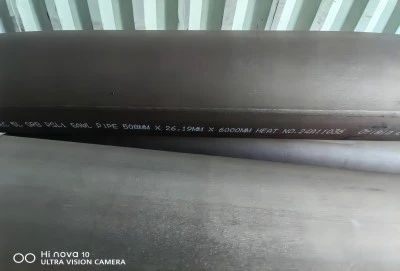

API 5L Welded Pipes and Their Maintenance Challenges
API 5L welded pipes are the most important part of modern pipeline infrastructure because they are very strong and can be used in a wide range of industry settings. The American Petroleum Institute has approved these standard steel pipes, which means they will always be of high quality and work well in tough conditions.
Common Grades and Their Specific Properties
The API 5L standard includes different grades, each of which is designed to meet particular operating needs. Grade B pipes are good for low-pressure uses because they have good structural stability. For moderate-pressure uses, X42 and X52 grades are better because they have higher tensile strength. For high-pressure oil and gas transmission pipes, grades with better mechanical qualities, such as X60, X65, and X70, are recommended.
Each grade has its own set of chemical compounds and mechanical qualities that are best for a certain type of service. Pipes of the X42 grade usually have fixed amounts of carbon, manganese, and silicon, which gives them a minimum yield strength of 42,000 psi. On the other hand, X65 grade pipes use modern metallurgy to achieve yield strengths of up to 65,000 psi. This means they can be used in high-stress pipeline uses.
Manufacturing Methods and Their Impact on Durability
Electric Resistance Welding (ERW), Longitudinal Submerged Arc Welding (LSAW), Double Submerged Arc Welding (DSAW), and Spiral Submerged Arc Welding (SSAW) are some of the different ways that modern API 5L welded pipes are made. ERW pipes are great for smaller diameters because they can be precisely measured, while LSAW pipes are better for bigger diameters because they can weld better. These differences in how things are made have a direct effect on how much upkeep is needed and how long people expect things to last.
Primary Maintenance Challenges
When maintaining welded steel lines, pipeline experts and procurement managers often run into the same problems. Corrosion is still the biggest problem, especially in naval settings or systems that move acidic fluids. External corrosion happens when the pipe is exposed to earth conditions or the air, and internal corrosion happens when the pipe interacts with media that is being carried.
Another big problem is erosion, which is especially a problem in systems that deal with rough materials or fluids moving quickly. When chemical attack and mechanical wear happen together, they speed up the loss of material, which could lower the pipe wall thickness below safe working limits. Stress corrosion cracks can appear at welded joints in certain environments, and they need special checking methods to be found early.
Core Principles for Maintaining API 5L Welded Pipes Effectively
Maintenance plans that work well are based on tried-and-true ideas that cover both preventative and corrective actions. These methods help make pipes last as long as possible while keeping operations safe and effective.
Regular Inspection Protocols
Visual checks are the basis of good maintenance programs because they let you find surface flaws, covering wear, and damage to the outside of things early on. Inspectors who are qualified look at the outside of pipes for signs of corrosion, mechanical damage, or problems in the protective layer. For internal checks, special tools like clever pigs are used to look at the inside of things without stopping service.
Ultrasonic testing gives exact measures of wall thickness and shows where corrosion or erosion has caused material thickness to decrease. This non-destructive testing method lets you keep a close eye on the state of pipes over time, which helps you make choices about maintenance based on data. Radiographic testing checks the quality of the weld and finds interior flaws that could weaken the structure.
Corrosion Protection Strategies
Multiple protection methods that are suited to specific working conditions must be used together for corrosion control to work well. Coatings on the outside, such as fusion-bonded epoxy (FBE), three-layer polyethylene (3LPE), and three-layer polypropylene (3LPP), protect against damage from the climate. To keep protecting things, these coverings need to be checked and fixed up on a regular basis.
Electrochemical rust can be stopped by cathodic protection systems, which make the pipe surface less acidic than the air around it. In impressed current systems, safe current levels are kept up by outside power sources, while in sacrificial anode systems, the levels are kept up by galvanic action between metals that are not the same. These systems keep up with the necessary amounts of safety throughout the pipeline network by being checked on a regular basis.
Proper Handling and Storage Practices
The way API 5L welded pipe units are handled before they are installed has a big effect on how well they work and how often they need to be maintained. For proper storage, pipes should be kept above ground level so that wetness doesn't build up and the pipes don't touch the ground. Protective end caps keep the insides clean and stop mechanical damage while the item is being moved or stored.
During the packing and unloading process, there should be no extra bending stresses or contact damage that could lead to stress concentration spots. Specialized moving equipment spreads the weight evenly across the pipe sections, which stops any bending or damage to the coating in one area. These methods keep the purity of the pipe from the time it is manufactured until it is installed, which lowers the need for future upkeep.
Proven Durability Improvement Methods for API 5L Welded Pipes
Improving the longevity of a pipeline means using advanced upkeep methods and picking the best materials for each job. These methods improve operating dependability while extending the life of the service.
Advanced Repair Techniques
Today's repair methods can fix small problems without replacing the whole pipe. Composite wrap systems strengthen the structure of pipes whose walls are getting thinner because of rust or erosion. These methods attach high-strength composite materials to the outside of the pipe, recovering its structural integrity and stopping it from breaking down any further.
Repairs with a full-encirclement welded tube can fix bigger problems for good. Welders who are qualified put steel sleeves around broken parts of pipes to make new pressure limits that meet or go beyond the original pipe standards. These fixes are put through a lot of tests to make sure the welds are good and the structure is strong enough.
Premium Material Selection
Long-term longevity is greatly affected by choosing the right pipe types for specific uses. High-strength types like X70 and X80 lower the wall thickness needed for a given working pressure. This could lower the corrosion limits and make the service life longer. These types are also tougher, so cracks don't spread when they're loaded and unloaded over and over again.
Specialized metal formulas make them more resistant to corrosion in harsh settings. Some types of low-alloy steel have chromium, molybdenum, and other alloying elements added to them to make them more resistant to certain types of acidic media. These materials are very expensive, but they work better than others in tough situations.
Manufacturing Technology Advancements
These days, modern welding technologies make better welds than older machines. Controlled atmosphere welding methods keep changes in the qualities of heat-affected zones to a minimum, which makes it less likely that stress corrosion cracks will happen. Advanced non-destructive testing is used during production to find problems with lines before they are put to use.
Heat treatment methods improve the mechanical qualities and get rid of any leftover stresses that could cause the material to break too soon. Normalized and tempered pipes are tougher and have more consistent features than pipes that have not been normalized or tempered. These improvements to the manufacturing process directly lead to less upkeep being needed and longer service life.
Procurement Tips for Securing Durable and High-Quality API 5L Welded Pipes
To do buying right, you need to carefully evaluate suppliers and use smart sourcing methods that balance quality, cost, and delivery needs.
Supplier Evaluation Criteria
Suppliers who are qualified keep their API 5L certifications up to date and show consistent quality performance through detailed manufacturing methods. ISO 9001 quality management systems make sure that production methods and quality control steps are always the same. Extra certificates, such as ISO 14001 for environmental management and OHSAS 18001 for safety management, show that the business is doing a great job overall.
An evaluation of a manufacturing potential looks at things like production capacity, the level of sophistication of the tools, and the level of technical knowledge. To make sure that the quality of the products is always the same, modern factories use automatic welding systems, full non-destructive testing, and statistical process control. Supplier checks compare what the supplier says they can do with what they actually can do.
Order Management Best Practices
Creating detailed specifications that spell out technical needs, testing standards, and delivery goals is the first step in managing orders well. Standard specifications, such as API 5L PSL1 or PSL2, set the minimum standards. Additions made for a particular project take into account special operating conditions or user preferences.
Coordinating delivery schedules makes sure that project deadlines, manufacturing wait times, and quality testing needs are all met. Most of the time, rush orders hurt quality control or make costs go up a lot. Early planning for buying gives enough time for proper testing and production while getting the best prices.
Quality Assurance and Documentation
Complete documentation packages help with both completing a job and planning for future upkeep. Material test papers show that each pipe heat or lot has the right chemical make-up and mechanical properties. The manufacturing process standards list the conditions for welding, heat treatment, and quality control that are used during production.
Inspection services by a third party make sure that a product meets certain standards without any bias. Some of these services are mill inspections during production and pre-shipment checks at source sites. Reports from independent inspections give people more faith in the quality of the product and that it meets the needs of the project.
Conclusion
Effective API 5L welded pipe care requires thorough understanding of material qualities, environmental obstacles, and proven security strategies. Maintenance plans that work are based on regular check schedules, steps to stop corrosion, and the right way to handle things. Modern mending methods and carefully chosen luxury materials make things last longer and lower their long-term costs of operation. Strategic methods to buying things that focus on qualifying suppliers, quality control, and detailed paperwork make sure that pipeline systems work reliably for as long as they're supposed to.
Contact Longma Group for Premium API 5L Welded Pipe Solutions
Longma Group is a top maker of API 5L welded pipe products with more than 20 years of experience and a track record of on-time delivery. Our wide range of products includes grades B through X80 in ERW, LSAW, DSAW, and SSAW forms, with widths from 3" to 80" and wall thicknesses from SCH10 to SCH160. Advanced production facilities and strict quality control make sure that the products are always of the highest quality. They are backed by full API 5L, ISO 9001, and environmental management standards. Experience our dedication to providing excellent customer service, reasonable prices, and dependable shipping plans that help your project succeed. Email us at info@longma-group.com right now to talk about your unique needs and find out why engineers all over the world trust Longma Group for their most important pipeline apps.
FAQ
①How often should API 5L welded pipes be checked to make sure they last as long as possible?How often you inspect relies on how the system is being used, the surroundings, and the pipe grade. For high-pressure transmission systems, full checks are usually needed once a year. For low-pressure distribution networks, the time between inspections may be extended to three to five years. More regular tracking, maybe every 6 to 12 months, is needed in corrosive environments or for sites that are offshore.
②Which ways of protecting welded steel lines from corrosion work the best?
When you mix cathodic protection with external coating methods like 3LPE or FBE, you get full corrosion control. Injections of rust inhibitors or protective lining systems can be used for internal security. Environmental tracking and regular checks on the state of the coating make sure that the security system works well for the whole time it's supposed to.
③Can API 5L welded pipes be used instead of seamless pipes in important transit applications?
Modern welded pipes made with improved methods like LSAW can be used instead of smooth pipes in many important situations. Welded pipes meet strict performance standards because the right grade is chosen, testing requirements are raised, and quality control measures are put in place. Most of the time, choosing soldered pipes is the better option because they are cheaper, unless there are technical reasons why seamless construction is better.
④What factors decide which API 5L grade is best for a given application?
Grade selection choices are based on operating pressure, environmental factors, and safety standards. Stronger grades, like X60 or X65, are needed for systems with higher pressure, while places that are acidic may need better metalwork no matter what the pressure is. Economic analysis compares the prices of materials to how long they are expected to last and how much upkeep they need.