
Precision steel plate forming and longitudinal submerged arc welding are both parts of the API 5L X46 pipe production process. This makes high-strength line pipe that can carry oil, natural gas, and water in tough circumstances. Controlled heat input and automatic welding settings make this method very reliable. It makes pipes with a minimum yield strength of 46,000 psi (317 MPa) and a maximum tensile strength of 63,100 psi (434 MPa). During the whole production process, strict controls on the chemical makeup are kept in place. This makes sure that the oil and gas transmission systems around the world works reliably.
|
|
|
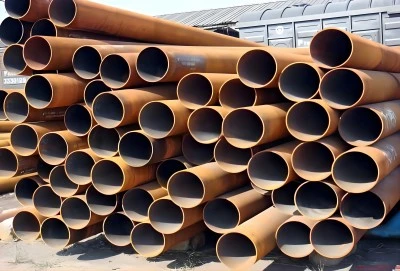
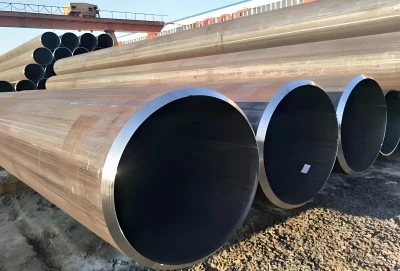
Detailed API 5L X46 LSAW Pipe Manufacturing Process
When you understand the steps involved in making something, you can see why LSAW technology produces better quality API 5L X46 pipes than other ways. Quality controls are built into every step of the production process to make sure that the end product meets the strict API 5L standards.
Raw Material Selection and Inspection
Certified steel plates from respected mills like Shagang, TISCO, and Bao Steel are used to start the manufacturing process. Material that comes in is chemically analyzed to make sure that the amounts of carbon, manganese, sulfur, and phosphorus are within the limits that were set. Each batch of plates comes with a mill test certificate that shows the full chain of events from making the steel to delivering the final pipe. This paperwork is very important for making sure that projects meet high standards and that regulations are followed.
Plate Forming and Edge Preparation
Some steel plates are sent to forming equipment, which uses controlled mechanical or hydraulic pressure to turn flat materials into cylinder forms. The making process keeps exact measurements, so the API 5l X46 pipe's width and wall thickness stay the same all the way along its length. After forming, the edge is prepared, and beveling tools make the right weld groove shape. The angle, land, and root hole sizes are very important because they have a direct effect on the quality of the weld penetration and fusion.
Longitudinal Submerged Arc Welding (LSAW) Technology
The most important thing about API 5l X46 pipe is the LSAW process, which has clear benefits over ERW or spiral welding. In submerged arc welding, continuous wire electrodes are fed below grainy flux, which keeps the molten weld pool clean from outside contaminants. This makes welds that are very clean and have almost no holes or other flaws.
The horizontal seam direction has a number of technical advantages. Weld inspection is easy when the seam runs parallel to the pipe plane. This makes it possible to do a full ultrasonic examination without having to do a lot of complicated probe movement. The straight seam design also makes it easier to do radiography tests when the project requirements call for them. When heat is managed and the right filler metal is used, the mechanical properties in the weld zone often exceed the strength of the base material.
Large sizes from 16 inches to 80 inches (406 mm to 2032 mm) and heavy wall thicknesses from SCH10 to SCH160 can be made with LSAW pipes. Because it can work with a wide range of sizes, LSAW is the best choice for trunk transmission lines and high-pressure gathering systems where pipe breakdowns can have very bad effects.
Heat Treatment and Stress Relief
Post-weld heat treatment gets rid of the stresses that were created during the welding and shaping processes. Controlled heating processes release locked-in stresses that might cause stress corrosion cracks or changes in the shape of the material while it is in use. The thermal process also cools down the area next to the weld that was affected by the heat, which improves the microstructure's hardness and flexibility. Using the right heat treatment can make something last a lot longer, especially in places where the temperature or pressure changes often.
Rigorous Quality Control and Testing
Before a API 5l X46 pipe is shipped, it is checked for soundness using thorough inspection procedures. Non-destructive testing includes looking at weld gaps with 100% ultrasound to find internal flaws like not fusing, slag spots, or porosity. The whole length of the weld is scanned by automated UT systems, which record the results for quality control and customer review.
During hydrostatic testing, the pressure inside each pipe is raised above its design working pressure. This is usually maintained for at least five seconds to make sure the stability of the pressure limit. This test proves that the pipe can safely hold working pressures with enough room for error. An X-ray, a dimensional inspection to check for ovality and straightness standards, and damaging mechanical testing on production samples to check for tensile properties, impact toughness, and weld ductility through flattening tests are some of the other tests that may be done.
Best Practices for Maintaining and Using API 5L X46 LSAW Pipes
Protecting the purity of API 5L X46 pipe from delivery to operating service life increases their value and lowers the chance that they will break down and cause problems or safety risks.
Proper Handling and Storage
When pipes arrive at job sites, they need to be handled carefully so that they don't get mechanical damage that could weaken the structure. Point loading, which can dent or bend pipe bodies, should not happen with lifting equipment that uses cushion slings. Level support must be provided in storage areas to avoid sagging or ovalization, and wood dunnage must be used to separate pipe layers and keep materials above ground moisture.
Beveled ends need extra care because damage to the weld preparation means they have to be re-machined, which costs a lot of money. Protective end caps keep bevels safe from damage and dirt while they are being stored and transported. Coating systems used to stop rust should stay in place, and any damage should be fixed on-site before installation.
Corrosion Protection Strategies
For underground pipes, the best defense against soil-side rust is an external coating device. Fusion Bonded Epoxy (FBE) coatings are common because they stick well and are resistant to chemicals. Three-layer polyethylene (3LPE) systems are also common because they protect well against mechanical damage and keep water out. Which coating to use depends on how corrosive the dirt is, how it will be installed, and how long it is expected to last.
Cathodic protection works with coating systems by using electricity to start electrochemical processes that stop rust. Systems that use impressed current or sacrificial anodes keep the surfaces of API 5l X46 pipes at safe potentials. This makes them last decades longer than setups that aren't protected. Monitoring safety levels on a regular basis makes sure that the system works well for as long as the pipeline is in use.
Inspection and Maintenance Programs
Regular inspections find possible problems before they become major problems that need immediate fixes. External inspections check the state of the coating, find places where shifting dirt may have put stress on the API 5l X46 pipe, and use potential measurements to confirm the cathodic protection system's effectiveness. Using intelligent pigs for an internal check finds rust, dents, or cracks that need to be fixed.
Some maintenance tasks might include fixing damaged coatings, making changes to the cathodic protection system to keep the current flow at its best, and checking the stability of the pipelines by looking at inspection data to guess how long they will last. Preventative maintenance programs greatly lower the number of unexpected breakdowns, which increases the useful life of assets and safeguards workers' safety and the environment.
Conclusion
Every step of the process of making API 5L X46 pipe needs to be done with great care, from choosing approved raw materials to making sure they meet API 5L standards through rigorous quality testing. When compared to other methods, longitudinal submerged arc welding produces more stable welds, making pipes that can be used reliably in tough oil and gas transportation uses. Procurement experts can make better decisions about which suppliers to use and how to write specifications if they understand how things are made, how to compare grades, and how the supply chain works. The service life of pipes is extended by proper installation methods and ongoing repair programs. This protects infrastructure investments and ensures operating safety and dependability in a wide range of global markets.
FAQs
What distinguishes API 5L X46 LSAW pipes from ERW pipes?
API 5L X46 pipe production using LSAW technology utilizes submerged arc welding, which makes the weld go deeper and fuse better than the resistance welding process used in ERW making. The LSAW method is better for high-pressure transmission lines because it can handle thicker walls and bigger widths. ERW pipes work well in smaller capacity and lower-pressure situations where choosing the right material is based on how much it costs.
How does PSL2 specification affect procurement costs?
PSL2 material usually costs 10–15 percent more than PSL1 material because it has to go through more tests, have tighter chemical composition limits, and have to be impact tested. Better quality control, on the other hand, lowers the chances of rejecting materials in the field and gives you more faith in how well materials will work in tough service conditions. PSL2 is often chosen for projects with strict safety standards or harsh working conditions to reduce long-term operations risks.
Can API 5L X46 pipe be used in sour service environments?
Standard X46 material is not naturally good for bad service with hydrogen sulfide. Specifications for purchases must clearly say that sour service grades with the designations X46MS or X46NS must be made in line with NACE MR0175/ISO 15156 standards. These special grades have extra testing and changes to the chemistry that make sure they are resistant to sulfur stress cracking in fluids that contain H2S.
Partner with a Trusted API 5L X46 Pipe Manufacturer
Longma Group is ready to help you with your pipeline building projects by providing you with high-quality API 5L X46 pipe that is made to exact specifications. Our 230,000-square-meter factory uses cutting-edge LSAW technology and strict quality control to send more than 1,000,000 tons of steel to customers in 90 countries every year. We only get our raw materials from the best local mills, like Shagang, TISCO, and Bao Steel. This way, we can be sure that each batch will have the same chemical makeup and mechanical qualities.
We have been a trusted pipe provider for a long time, and our many certifications, such as API 5L monogram permission, ISO 9001:2016, ISO 14001, and ISO 18001, show that we care about quality, the environment, and worker safety. Our skilled technical team can create unique solutions for you, such as fabrication services, the application of anti-corrosion coatings, and full paperwork packages that meet the quality standards of your project. We offer dependable material supply and quick technical help, whether you need standard specs sent to you within seven days or custom configurations made for specific uses. Email our team at info@longma-group.com to talk about your pipe needs and get thorough quotes that are made to fit your project.








