
API grade pipes are standard pipeline steel goods that are made to strict standards set by the American Petroleum Institute. As the backbone of the oil and gas delivery system, these pipes move hydrocarbons and industrial fluids across countries under harsh conditions of pressure and temperature. Of the different types that are available, API 5L X52 pipe is widely used in both onshore and offshore settings because it has good mechanical qualities and is inexpensive. This guide talks about the technical needs and buying factors that pipeline engineers, project managers, and supply chain workers need to think about when choosing line pipe for important infrastructure projects. Understanding these standards has a direct effect on the safety of projects, following the rules, and the long-term efficiency of operations in global markets.
|
|
|
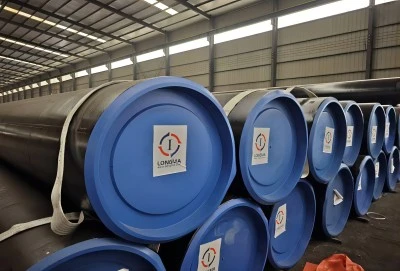
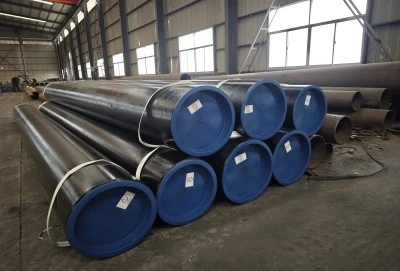
Comprehensive Overview of API 5L X52 Pipe
The minimum yield strength for API 5L X52 pipe is 360 MPa (52,000 psi), and the minimum tensile strength is 460 MPa. This puts it in the middle of Grade B and better grades like X60 or X65. This amount of strength can handle mild to high internal forces while still being flexible enough for field bending and installation. The grade number is based on ISO 3183 equivalent L360, which is widely used in European and Asian pipeline standards.
Chemical Composition and Alloying Strategy
The chemical makeup of X52 steel matches the amount of carbon (usually no more than 0.28%) with the amount of manganese (about 1.40%). This makes the steel strong without making it hard to weld. Niobium, vanadium, and titanium are microalloying elements that improve the structure of the grains, making the steel stronger and more resistant to impact, especially in PSL2 versions. Lower levels of sulfur and phosphorus make sour gas less likely to crack when hydrogen is added, which is an important thing to think about in places where there is a lot of hydrogen sulfide. Controlled rolling and faster cooling during production improve the texture even more without having to do a lot of heat treatment.
Manufacturing Methods and Their Implications
We use different types of welding to make X52 line pipe, based on the width and wall thickness needs. Electrical Resistance Welding, or ERW, works well with smaller widths from 1/2" to 24". It has tight limits for size and high production rates for distribution systems. Longitudinally Submerged Arc Welding, or LSAW, can be used for jobs with diameters from 16" to 80". High-pressure trunk lines can be fully welded through on both sides. SSAW (Spirally Submerged Arc Welding) makes it possible to make big diameters with smaller plate widths at a lower cost, but cyclic loading uses need to be reviewed by an engineer. Seamless versions don't have any weld lines at all, and they are best for high-pressure applications that need to be very strong. Longma Group's factories can handle wall thicknesses ranging from SCH10 to SCH160 (6.35mm to 59.54mm) across this range of production needs. We also have the ability to heat treat materials to make welds more uniform and increase their overall toughness.
Certification Requirements for International Trade
The success of procurement rests on using known quality certifications to check the credentials of suppliers. Periodic checks of API 5L monogram licensing show that manufacturers are following the requirements of the standard. ISO 9001 approval proves that quality management methods are used consistently throughout production. Each pipe lot comes with a material test certificate that has records of the chemical analysis results, the mechanical property test data, and the nondestructive examination records. For PSL2 orders, you need to include extra paperwork like the results of a Charpy V-notch impact test at certain temperatures, which is important for placements in cold climates. We keep our API 5L, ISO 9001, ISO 14001, and OHSAS 18001 certifications up to date. This way, buyers can see the whole process, from where the raw materials come from to the final review.
API 5L X52 Pipe in Application: Use Cases and Suitability
API 5L X52 pipes are used in a variety of utility systems where modest strength is needed and cost is a factor. It can handle the normal working pressures found in transmission networks, gathering systems, and delivery structures in the oil and utility industries.
Oil and Gas Transportation Infrastructure
Long-distance crude oil pipelines use X52 pipe for sections that work below 1,440 psi design pressure. This is because its 360 MPa yield strength offers enough safety factors according to the ASME B31.4 code. This grade is required by natural gas transmission systems for country distribution networks and remote platform tie-ins where corrosion protection through coating systems is needed because of the environment. The grade's ability to be welded makes it easier to make branch connections and hot taps in the field during system extensions. This speeds up installation times compared to higher-strength options that need special welding techniques.
Sour Service and Corrosive Environments
When made according to NACE MR0175/ISO 15156 standards, X52MS or X52QS versions don't crack when stressed with sulfur in sour gas areas. We make these special types of steel using clean steel methods that keep sulfur levels low and shape of inclusions under control. This is proven by hydrogen-induced cracking tests on production samples. Downstream processing plants that deal with high-H2S sources require these versions for pipes that connect to each other because failure would have bad results. Coatings on the outside, like fusion-bonded epoxy, polyethylene systems, or hot-dip galvanizing, make things last longer in a wide range of soil types, from alkaline deserts to acidic marshes.
Comparative Analysis with Adjacent Grades
When deciding between X52 and nearby grades, you have to weigh the needs of the machine against the costs. X42 pipe costs 8–12% less, but its walls need to be bigger to get the same pressure ratings. This could mean more material mass and higher welding costs for big projects. X60 has a 17% higher yield strength, which means it can have smaller walls and less weight, but it costs more and may need to be heated up before welding in cold weather. The best medium ground for many uses is X52, which has the right amount of strength for modest pressures while still being easy to work with. To find the most cost-effective grade, pipeline engineers do a thorough stress analysis that takes into account internal pressure, external loads, changes in temperature, and fitting methods.
Procurement Considerations for API 5L X52 Pipes
When looking for suppliers of line pipe for big building projects, you have to look at more than just unit price. You have to look at scientific, economic, and logistical factors as well. When building relationships with vendors, procurement teams need to look at how well the vendors can make things, how reliable their service is, and how well they can help customers after the sale.
Supplier Qualification and Certification Verification
Pipe makers with a good reputation keep API 5L product specification licenses that can be checked online at the American Petroleum Institute's register. Before sending out buy orders, procurement workers should make sure that the license is real and covers everything that needs to be covered. This is because unlicensed suppliers can't legally use API monograms, even if they say they are compliant. Third-party testing companies like Bureau Veritas, SGS, and TÜV can check the properties and dimensions of materials on their own, which is especially helpful for foreign trade. We only get our raw materials from approved Chinese steel mills like Shagang, HBIS, and Baosteel. This way, we can be sure that the chemistry and mechanical qualities stay the same from the coil input to the finished pipe. Our inspection procedures include using optical emission spectrometry to look at the chemical make-up, checking the tensile and yield strengths, acoustic testing of weld cracks, hydrostatic pressure testing at 100% of the minimum yield strength, and x-rays when needed.
Pricing Dynamics and Market Factors
X52 line pipe prices change based on the cost of hot-rolled coil steel, the amount of energy used, how complicated the production process is, and how much demand there is in each area. Welded pipe types usually cost 20–35% less than seamless pipe types of the same size because they are easier to make. Premiums are charged for large-diameter LSAW pipe because it needs special tools for shaping and welding. Costs go up by $50 to $200 per ton for coating application, based on how complicated the system is (single-layer fusion-bonded epoxy vs. three-layer polyethylene with glue). Order amounts have a big effect on unit prices, and production runs of more than 500 tons get the best economies. We have low prices for project orders and can deliver standard sizes and styles within seven days, including 6–18 meter lengths with straight or beveled ends.
Documentation and Regulatory Compliance
Engineering workers need full sets of paperwork to support pipeline building permits and operator approval. We offer full Inspection and Test Plans with quality control checkpoints, Manufacturing Procedure Specifications with production parameters, Material Test Certificates with chemical and mechanical properties, and Nonconformance Reports for any problems found during production. For goods to be sent to markets in the European Union, they need to have Factory Production Control approval that shows they follow the Construction Products Regulation. In NACE service settings, projects need sulfide stress cracking test reports and HIC test findings. Understanding these paperwork needs during the planning phase of buying avoids delays in getting materials and starting building.
Conclusion
API grade pipes are the building blocks of today's energy transportation systems. The API 5l X52 pipe provides excellent mechanical qualities and cost-effectiveness for a wide range of pipeline uses. By knowing the technical differences between PSL1 and PSL2 versions, as well as the different ways they can be made and the approval requirements, you can make smart choices about what to buy that balance performance needs with project budgets. A good material choice takes into account not only the need for instant power, but also long-term reliability, regulatory compliance, and the supplier's abilities. X52 has a history of working well in both normal and difficult service environments, so it can be used in oil and gas, water transmission, and industrial pipeline projects as long as they are properly defined and come from approved makers.
FAQs
What distinguishes PSL1 from PSL2 in API 5L X52 pipe?
PSL2 sets stricter limits on chemical makeup, mainly lower maximums for carbon, sulfur, and phosphorus. These limits make it easier to join and lower the risk of embrittlement. It calls for Charpy V-notch impact tests at certain temperatures to make sure the material is tough, sets maximum yield strength limits to keep the material flexible, and needs full paperwork that connects finished pipe to heat numbers. For general uses where these improved controls aren't needed, PSL1 is a good choice because it saves money for less important services.
Can X52 pipe handle low-temperature pipeline operations?
Standard X52 can handle mild cold, while PSL2 grades that have been tested for impact can handle temperatures as low as -20°C, based on the test temps that were set. Specifications for buying things should make it clear what the lowest design temperatures are. This way, providers can provide materials that have been tested and shown to be tough at those temperatures. Projects in the Arctic or at high elevations usually need PSL2 and more impact testing than what is normally needed.
How do I verify legitimate API 5L certification?
The manufacturer's license number can be found on mill test papers. To find it, go to the American Petroleum Institute website and look for the API Composite List. Licensed sites are audited on a regular basis to make sure they are meeting the standards. If a seller says "API equivalent" or "API standard" without actually having a license, you should be wary. These suppliers can't legally use API monograms and may not have proper quality controls.
Partner with a Trusted API 5L X52 Pipe Manufacturer
With full manufacturing skills covering ERW, LSAW, and SSAW production technologies, Longma Group is ready to meet your pipeline material needs. We have been a trusted API 5L X52 pipe provider since 2003. Our approved line pipe meets international standards and is used in projects in the Middle East, Southeast Asia, Australia, and other places around the world. Our yearly production capacity of more than 1,000,000 tons makes sure that large-scale building projects can always get what they need, and our seven-day expedited delivery service meets the needs of urgent project plans. We do all kinds of manufacturing work, like beveling, coating with FBE and polyethylene systems, and providing full paperwork packages to support engineering reviews. You can talk to our expert sales team at info@longma-group.com about your specific needs, get detailed quotes, and see the quality control procedures that have made us the go-to partner for pipeline builders and procurement managers all over the world. You can look at our full line of products and certifications at longma-group.com.