
Surface roughness isn't just a feature in the manufacturing process; it's also a performance measure that tells you how well your pipeline will work over time. Every time I work on a global project with procurement managers and pipeline engineers, we always talk about how tiny surface textures affect everything from corrosion protection to pressure drops. The stiffness of API 5L X65 pipe has a direct effect on how fluids move, how much it costs to run, and how well it keeps transfer systems that handle oil, gas, and water operating.
This guide is for B2B workers who are looking for high-performance pipeline materials. It covers technical specs, comparative views, and buying strategies. Whether you're in charge of a long-distance gas pipeline project in the Middle East or the building of an offshore platform in Southeast Asia, knowing the guidelines for roughness will help you choose materials that meet international standards and work best for your project's performance and budget.
|
|
|
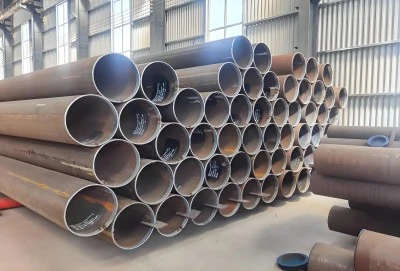
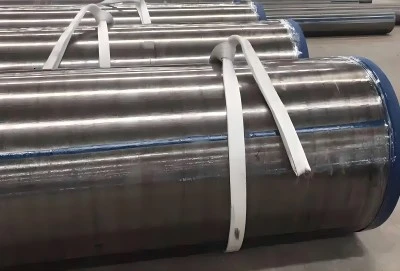
API 5L X65 Pipe Roughness Importance
Surface roughness in API 5L X65 pipe is the microscopic bumps on the inside and outside surfaces. It is usually measured as Ra values that range from 3.2 to 12.5 micrometers, based on the manufacturing method and the needs of the application. These surface features directly affect the physical resistance inside the pipeline, which in turn affects how well the flow works and how much energy is used. Smoother inside surfaces lower noise and keep pressure drops to a minimum, which means that the pipeline will need less pumping over its lifetime. The roughness of the outside affects how well coatings like 3LPE or FBE stick to rust protection systems, which are very important for pipes that work in harsh conditions. Engineers can balance the costs of making something with its long-term performance benefits by understanding these factors.
How Roughness Affects Flow Dynamics
When moving fuels or water through pipelines that are hundreds of kilometers long, even small changes in the roughness inside the pipes can cause noticeable differences in the amount of pressure lost. The roughness coefficient is a very important part of figuring out friction factors, as shown by the Darcy-Weisbach equation. When the roughness number is higher, the boundary layer gets thicker. This makes the flow more turbulent, which needs more pumping power. When working with high-pressure gas transmission lines at pressures above 1000 psi, lowering the internal roughness from 12.5 micrometers to 6.3 micrometers can save big companies up to six figures of energy each year.
Measurement Standards and Quality Benchmarks
Contact profilometry and optical scanning techniques that measure surface roughness according to ISO 4287 standards are normal ways to measure things in the industry. Manufacturers use tighter surface quality controls on API 5L X65 pipe made to PSL2 standards than they do on PSL1 pipe. Before a coating is applied, the surface is often prepared by grit blasting to meet certain cleanliness standards (Sa 2.5 per ISO 8501-1) and roughness profiles between 40 and 75 micrometers so that the coating sticks well. These specs are very important when choosing pipes for sour service areas where the consistency of the coating keeps catastrophic rust failures from happening.
Technical Overview of API 5L X65 Pipe: Composition, Properties & Manufacturing
Micro-alloying elements like Niobium, Vanadium, and Titanium are added to X65 grade steel's chemical makeup. These elements improve the steel's mechanical qualities while changing the surface characteristics during manufacture. This grade has a minimum yield strength of 450 MPa and a maximum tensile strength of 535 MPa. It is the best of both worlds when it comes to structural performance and weldability. The controlled Carbon Equivalent (CE) makes sure that field welding can happen without needing too much pre-heating. Depending on the thickness of the wall, temperatures between 50°C and 150°C are usually given. Sulfur and phosphorus levels are still tightly controlled by PSL2 rules to stop hydrogen-induced cracking in sour service applications.
Manufacturing Processes and Surface Quality
Different welding methods create different roughness patterns that affect which applications are best for them. ERW (Electrical Resistance Welding) pipes made with high-frequency induction welding usually have smoother inside surfaces with Ra values between 3.2 and 6.3 micrometers. This makes them perfect for uses where flow economy is very important. LSAW (Longitudinally Submerged Arc Welding) methods make weld zones a little rougher but offer better dimensional stability for api 5l x65 pipes with diameters from 16 to 80 inches. SSAW (Spirally Submerged Arc Welding) methods can meet length needs that are flexible between 6 and 18 meters while keeping the right amount of roughness for most transmission uses. When you heat treat something after welding, you smooth the microstructures and lower the internal stresses that could cause surface flaws. At our factories, we get high-quality steel plates from well-known mills like Shagang, TISCO, and Bao Steel. This way, we can be sure of the consistency of the material quality, which leads to consistent surface finishes.
Quality Control Testing Regimes
During production, thorough testing methods check both the mechanical features and the quality of the surface. Hydrostatic testing at pressures determined using API 5L formulas checks the stability of the structure, and ultrasonic testing finds breaks in the ground that could affect the long-term performance. Chemical composition analysis shows that the amounts of alloying elements stay within the allowed ranges, and Charpy V-Notch impact testing according to PSL2 standards proves that the material is tough enough to break at normal working temperatures. Before applying a layer, the surface is checked for roughness using visual methods or mechanical profilometers. These multiple quality assurance steps give buying teams written proof that they are following the rules. They are backed up by Material Test Certificates and Inspection Test Plans, which make it easier for regulators to approve the work.
Application Areas and Best Practices for Using API 5L X65 Pipes Considering Surface Roughness
High-pressure gas transmission systems that go across continents are the main use case where optimizing roughness yields big benefits. Internal surface smoothness directly leads to fewer compressor stations being needed and lower running costs over the decades-long lives of pipelines. Long-distance natural gas export pipes need api 5l x65 pipe strength to keep pressure ratings high while keeping wall thickness low. Roughness requirements are usually limited to Ra 6.3 micrometers or better to keep flow rates high. Offshore platform building and subsea riser systems need to be strong mechanically and resistant to corrosion. The outside of the structure needs to be rough so that thick coating systems can work in marine settings.
Roughness Considerations in Sour Service
When pipes carry crude oil or natural gas that contains wet Hydrogen Sulfide, the material requirements go beyond the basic X65 name to include sour service qualifications like X65MS or X65QS grades. To lower the risk of Sulfide Stress Corrosion Cracking, these versions have hardness limits that are usually capped at 22 HRC or 250 HV10. These metallurgical factors interact with surface roughness because more severe surface flaws can collect stresses that cause cracks in places that are prone to it. For sour service uses, the specs for buying things should require more testing, such as HIC (Hydrogen Induced Cracking) and SSCC evaluations according to NACE MR0175 standards. The surface should also have to be prepared in a way that gets rid of stress concentration sites.
Maintenance Strategies and Inspection Protocols
As a best practice, intelligent pigs with ultrasound or magnetic flux leakage sensors should be used for regular internal inspections. These sensors should check for changes in wall thickness and internal roughness. Over time, measures of increased roughness show that scale growth, rust, or erosion damage is happening, which hurts the flow and the structure's strength. Setting up standard documents for roughness during commissioning lets you do useful trend analysis over the lifecycle of an asset. Cleaning pig runs keep flow capacity by getting rid of deposits that make the surface rougher. How often they are cleaned depends on the properties of the fluid being moved and the trends in pressure drop that can be seen. External coating state checks using holiday detection and adhesion tests make sure that protective systems stay strong, stopping corrosion that could finally get through and damage internal surfaces.
Conclusion
Surface roughness is an important design factor that has a big impact on how well a pipeline works, how much it costs to run, and how much upkeep it needs over its many-decade service life. To choose API 5L X65 pipe with the best roughness features, you must weigh the costs of production against the benefits over its lifetime, such as lower pumping costs, better corrosion resistance, and longer check intervals. With the right surface preparation, this grade's technical properties—450 MPa yield strength, controlled chemical composition, and proven fracture toughness—ensure reliable performance in tough situations, such as offshore building and the transfer of sour gas. When procurement workers understand these links, they can make smart choices that match the material requirements with the needs of the project and the available budget.
FAQs
How does pipe roughness impact overall pipeline efficiency?
The frictional resistance and turbulent flow patterns are directly affected by the pipe roughness of the internal surface. Smoother surfaces lower pressure drops and lower the amount of energy needed for pumping. Studies show that lowering Ra values from 12.5 micrometers to 6.3 micrometers can increase flow efficiency by 3–5% in long-distance transmission systems. This can lead to big cost saves in running the systems.
What industry standards govern acceptable roughness levels?
While API 5L specifications mostly talk about mechanical properties and sizes, surface roughness requirements usually use industry standards for ISO 4287 measurement. Values for this can be anywhere from 3.2 to 12.5 micrometers, based on the coating needs and service conditions.
Can surface finish be improved after manufacturing?
Some post-production methods, like applying an internal coating or mechanical polishing, can lower the actual surface finish, but they are more expensive and difficult to do. Most apps get the best results when they define the right manufacturing methods and quality controls during the first production run instead of trying to fix things after the fact.
Partner with Longma Group for Superior API 5L X65 Pipe Solutions
Longma Group is a reliable API 5L X65 pipe manufacturer that has worked on building projects around the world for more than 20 years in the Middle East, Southeast Asia, and Australia. Our wide range of industrial skills, including ERW, LSAW, and SSAW processes, lets us find the best ways to meet your unique performance and roughness needs. With more than 1,000,000 tons of production every year and API 5L approval along with ISO 9001 quality management validation, we provide consistent material quality backed by full paperwork such as MTCs, ITPs, and MPS reports that meet the needs of engineering contractors. With our manufacturing services, which include beveling, finishing application, and custom end treatments, we can give you complete solutions that make the buying process easier. Our technical team works with you to find the best API 5L X65 pipe options for sale that improve project performance and value, whether you need standard specifications delivered within seven days or custom grades for sour service uses. Contact us today at info@longma-group.com to talk to one of our experienced professionals about your pipeline material needs.