
When procuring line pipe for oil and gas transmission projects, understanding the distinction between API 5L X65 PSL1 and PSL2 specifications is critical. The API 5L X65 pipe serves moderate-to-high pressure applications, with PSL1 offering standard quality requirements suitable for general service, while PSL2 provides enhanced testing, tighter chemical composition controls, and superior traceability designed for demanding environments. Selecting the appropriate specification directly impacts project safety, regulatory compliance, and long-term operational reliability, making this knowledge essential for procurement directors managing EPC contracts across international markets.
|
|
|
Understanding API 5L X65 Pipe and Its Standards
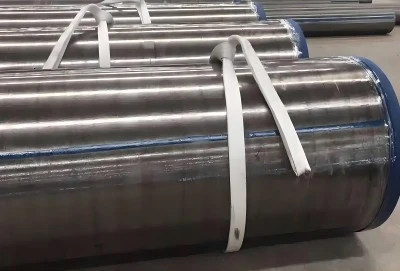
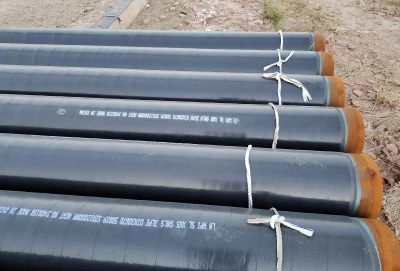
For the purpose of transporting oil, natural gas, and water over long distances, Api 5l x65 pipe is a high-strength carbon steel pipe. As the name suggests, "X65" means that the minimum yield strength is 65,000 psi, which is about 450 MPa. This grade performs well under pressure and is cheaper than higher grades.
The American Petroleum Institute standards set the technical requirements for making pipes, testing them, and making sure they are of good quality. This specification comes from those standards. Working with EPC contractors in the Middle East and Southeast Asia has taught us that X65 grade pipes are the best choice for projects that need to be both structurally sound and cost-effective. This is true for both onshore transmission systems and offshore subsea flowlines.
What Are PSL1 and PSL2 Specifications?
Product Specification Levels describe how strict quality control is used during production. The first standard, PSL1, has basic chemical and mechanical requirements. The second standard, PSL2, has stricter tolerances, requires impact testing, and requires more detailed documentation. This difference is very important when third-party inspectors look over material certificates or when owner specs call for higher levels of assurance.
Both specs make sure that pipes meet basic performance standards, but PSL2 needs extra checks to be made during production. This includes stricter rules on carbon equivalents to make it easier to weld, Charpy V-notch tests to make sure it's tough at certain temperatures, and stricter non-destructive examination methods. Because of these stricter standards, PSL2 is the best option when pipeline breakdowns could have serious effects on safety or the environment.
Why Standards Matter in B2B Procurement?
Procurement professionals can avoid problems with the supply chain and project delays by following well-known international standards. When buying from makers in other countries, making sure the pipes meet the terms of the contract and pass owner checks without being rejected, which can be very expensive, is important.
We've seen that projects in controlled markets, like the US, the EU, and Gulf Cooperation Council countries, usually call for PSL2 because of tighter safety rules. The people in charge of buying things have to make sure that the certifications of suppliers are still valid and that the mill test reports are exactly what the project calls for. Any difference in the testing records, chemical make-up, or mechanical properties can lead to the need for a second inspection or the material being turned down at the construction site.
Key Technical Differences Between PSL1 and PSL2
There are more technical differences between these two specification levels than just different quality grades. They are based on very different ways of qualifying materials and controlling the process.
Chemical Composition and Mechanical Properties
PSL2 sets stricter limits on a number of important factors that affect how well pipes work. Stricter controls are put on the carbon content to make it easier to weld, and the manganese levels are tweaked to make the steel stronger without losing its flexibility. PSL2 requirements set lower maximum levels for sulfur and phosphorus, which can make things break easily.
The two levels have very different ways of checking mechanical properties. Both need tensile testing to make sure the minimum yield strength of 65 ksi is met, but PSL2 needs extra impact testing with Charpy V-notch specimens. This test shows how pipe material reacts to low temperatures or sudden loads. This is important information to know when designing systems for the arctic or deepwater uses where brittle fracture could be very dangerous.
Under PSL2, the yield-to-tensile ratio is also specified. This makes sure that pipes keep their ductility while also being strong. This quality is very important during installation, when bending loads or field changes need material that can bend a little without breaking.
Manufacturing Process and Inspection Requirements
Welded types of Api 5l x65 pipe can be made using ERW, LSAW, or SSAW processes. Each method works with a range of diameters and wall thicknesses, from 1/2-inch to 80-inch outside diameters and SCH10 to SCH160 wall thicknesses.
For PSL2 approval, there must be more process controls during heat treatment and welding. Longitudinally submerged arc-welded pipes need to be heated after the welding process to remove any remaining stresses and improve the microstructure of the weld. This step of thermal processing takes a long time, but it makes the weld joint much stronger and less likely to crack and spread.
Under PSL2, inspection rules get a lot stricter. In PSL1, the pipe body and weld seam must be looked at visually and their sizes must be checked. In PSL2, the whole pipe body and weld seam must be tested ultrasonically. A x-ray check makes sure the inside is sound by finding tiny flaws like slag inclusions or missing fusion that could lead to service failures. Hydrostatic testing confirms that there are no leaks at pressures calculated from the minimum yield strength. This is the last check that needs to be made before the shipment.
Enhanced Durability and Corrosion Resistance
Traceability of materials is another important difference. Third-party inspection companies, such as SGS or Bureau Veritas, must verify EN 10204 Type 3.2 material certificates that PSL2 needs. This line of paperwork is very important when owner agents do mill audits or when regulatory agencies look into service failures that happened years after the installation.
More care is taken with corrosion resistance in PSL2 because impurities are better controlled and NACE MR0175 standards for sour service environments can be followed if desired. When pipes carry fuels that contain wet hydrogen sulfide, the choice of material is very important to keep sulfide stress cracks from happening. For sour service, PSL2 pipes go through extra testing and approval to make sure they are resistant to this type of rust.
Welding and Handling Guidelines for API 5L X65 PSL Pipes
When you install pipes correctly, you protect their integrity and avoid field damage that could affect how well they work in the long term.
Best Practices for Welding Both Specifications
The carbon equivalent and strength level of Api 5l x65 pipe must be taken into consideration when welding it. Depending on the width of the wall and the temperature outside, the preheat temperature is usually between 50°F and 150°F. The interpass temperature is managed to keep the grain growth from getting too big in the heat-affected zone.
The choice of filler metal must match or beat the strength of the base metal while still being tough enough. Electrodes or solid wires with low hydrogen levels stop hydrogen from cracking the weld metal and the base material next to it. In PSL2 applications, extra toughness tests are often needed on welded production joints to make sure the whole weldment meets impact requirements.
Standards for non-destructive testing of field welds are spelled out in the project specifications. For example, 100% radiographic or ultrasonic testing of butt joints is common. Acceptance criteria are in line with API 1104 or ASME B31.4/B31.8, depending on the type of service. PSL2 projects often have stricter standards than code minimums.
Handling and Storage Recommendations
The process of handling pipes starts in the factory and goes through shipping, storage, and installation. Using padded slings or pipe cradles to lift things the right way keeps the coating from getting damaged and the surface from getting dents that could cause corrosion or act as stress concentrators.
Using wood dunnage or rack systems that spread weight evenly, storage setups should keep pipes off the ground. Beveled ends need safety caps to keep them from getting damaged or contaminated, which could lower the quality of the weld. When storing coated pipes, the amount of exposure allowed depends on the type of coating. Some systems can be stored outside for a long time, while others need to be covered to protect them from UV damage.
Before they are installed, pipes are visually checked to make sure they don't have any damage from shipping, coating holidays, or dimensional changes. If any problems are found during the receiving check, the supplier should be notified right away and the problem should be fixed before the building crews start working. This way, costly schedule delays caused by material problems can be avoided.
Conclusion
The choice between api 5l x65 pipe PSL1 and PSL2 has a big impact on the practical results and risks of a project. PSL2 provides full quality assurance through better testing, stricter specifications, and thorough documentation—aspects that are necessary for systems with a lot at stake and service settings that expect a lot. When standard quality levels are allowed by operating conditions and regulatory frameworks, PSL1 offers cost-effective solutions. Instead of defaulting to either extreme, procurement professionals get the best results by matching specification levels to project-specific needs. Technical evaluation and supplier qualification are both important parts of successful material sourcing because they help build partnerships that support multiple project cycles with consistent quality and reliable delivery performance.
FAQ
Can PSL1 Pipes Be Upgraded to PSL2 Standards?
After production is finished, it is not possible to change existing PSL1 pipes to meet PSL2 standards. Specific process controls, heat treatment methods, and testing protocols must be followed during production in order to meet PSL2 standards. Pipes made to PSL1 standards don't have the detailed paperwork and extra tests that are needed for PSL2 certification. This means that upgrades can't be made after production without the pipes being completely remanufactured.
How Does PSL2 Certification Affect Delivery Times?
PSL2 certification usually adds two to four weeks to delivery times compared to PSL1 equivalents because of more testing and paperwork that needs to be done. It takes time in the production cycle to do impact testing, increased non-destructive examination coverage, and third-party certificate validation. Manufacturers who keep PSL2 inventory on hand can sometimes meet faster wait times, but full production cycles are usually needed for unique requirements.
Are There Regional Preferences for PSL1 vs PSL2?
Regional preferences are based on the laws and business practices in that area. Because of rules, North American projects often choose PSL2 for transmission systems that connect states, while some growing markets accept PSL1 for less important uses. Development banks usually require PSL2 for all international projects they fund, no matter where they are located, because it meets their standards for risk management and responsibility.
Partner with Longma Group for Reliable API 5L X65 Pipe Supply
Longma Group can help you with your pipeline projects by making certified API 5L X65 PSL1 and PSL2 pipe that meets strict international standards. We can produce steel with diameters from 1/2 inch to 80 inches and wall thicknesses from SCH10 to SCH160 using ERW, LSAW, and SSAW welding methods. Before being shipped, each pipe goes through a full set of tests, including chemical analysis, proof of mechanical properties, acoustic examination, and hydrostatic pressure testing, to make sure it meets all the requirements. For standard specifications, our fastest delivery time is seven days, which helps meet tight project deadlines without lowering the quality.
Since 2003, we have been a reputable Api 5l x65 pipe maker. We also have ISO 9001 and extensive factory production control data. Our consistent quality starts with the raw materials we get from top domestic mills like HBIS and Bao Steel. Then, our advanced inspection equipment and experienced technical staff make sure that every heat meets the requirements. Our team can give you full solutions that are made to fit the needs of your project, whether you need standard pipe or services that add value, such as beveling, coating, or custom length cutting.
Email our technical experts at info@longma-group.com to talk about your specific needs. We give you thorough quotes, examples of mill test certificates, and expert support to help you make smart buying choices that balance low costs with quality guarantee so that the project is completed successfully.