
Pipeline engineers and procurement managers use the API 5L X70 Yield Strength and Tensile Strength Chart as a professional guide when they have to figure out complicated project requirements. The minimum yield strength and tensile strength of API 5L X70 pipe, also known as ISO code L485, are 485 MPa (70,300 psi) and 570 MPa, respectively. These numbers don't just mean numbers; they directly affect the safety, operating efficiency, and cost-effectiveness of pipelines used for oil and gas transfer, water distribution, and building offshore platforms. The factors on the chart help with choosing materials that have an effect on project schedules, costs, and the long-term stability of the infrastructure.
|
|
|
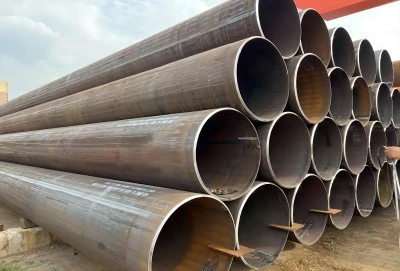
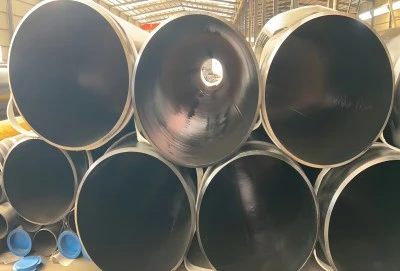
API 5L X70 Pipe Specifications and Mechanical Properties
The mechanical performance of pipeline materials is what makes the difference between a project's success or failure. The API 5L X70 pipe specifications find a good mix between strength and weldability. This makes a material that can be used in harsh conditions without losing its ability to be built.
Mechanical Property Requirements
As the yield strength range for X70 grade goes from 485 MPa to 635 MPa, engineers can predict how the material will behave when it is stressed. Tensile strength factors range from 570 MPa to 760 MPa, which makes sure that the material can bend without breaking. Under PSL2 rules, the yield-to-tensile ratio stays at 0.93. This is an important factor that decides how much warning a pipe gives before it breaks. This ratio makes sure that the material is flexible instead of rigid, which lets problems be found before they cause the material to break in a big way.
The elongation qualities depend on the thickness of the wall, but they usually allow the bending that is needed during installation. Charpy V-Notch impact tests at low temperatures confirms fracture toughness, which is very important for Arctic uses or when temperatures change with the seasons. To make sure the api 5l x70 pipe won't break under thermal stress, the specification calls for tests to be done at temperatures between -20°C and -60°C, based on the working conditions.
Chemical Composition Standards
Under IIW rules, carbon equivalent values must stay below 0.43%, which has a direct effect on how well the metal can be welded in the field. Niobium, vanadium, and titanium are micro-alloying elements that help polish the grains. This is how the typical X70 strength is reached, not by adding too much carbon. This method keeps the ability to weld while giving the material high-performance dynamic qualities.
Sulfur and phosphorus content are strictly limited to keep the steel structure from having weak spots. These flaws make areas that are weak, which can cause cracks to start when cycling loads are applied or hydrogen is exposed. Because of the higher quality needs of high-stakes pipeline uses, the PSL2 standard sets stricter chemical tolerances than the PSL1 specification.
How to Read and Use the API 5L X70 Yield Strength and Tensile Strength Chart?
Technical charts can show useful information, but if you don't read them correctly, you could make mistakes that cost a lot of money. The difference between good engineers and great ones is how they use and take information from strength charts.
Chart Parameter Interpretation
The chart shows the lowest and highest numbers for both the yield and tensile strengths. Minimum values are properties that are sure to be true; they set the speed level that all api 5l x70 pipes must reach. Maximum values stop values that are too strong, which could make welding harder or show that the material isn't right. When you choose materials based on typical or average values instead of guaranteed minimums, you are taking a chance because the material that is supplied may legally not meet the design assumptions.
Temperature has a big effect on mechanical qualities. As temperature drops, strength goes up and hardness goes down. Unless stated otherwise, the chart numbers are based on items being at room temperature. For uses that involve high temperatures, you need to look at extra data or test the product under service conditions.
The thickness of the wall affects how strong something is in ways that the simple figure doesn't show. Because of different cooling rates during production, walls that are thicker may have a slightly lower yield strength. However, this effect is still small within normal pipeline wall ranges. For most uses, ratios of diameter to thickness are more important than exact sizes.
Application in Design Calculations
When figuring out api 5l x70 pipe pressure, the minimum yield strength number is used, along with the right safety factors based on the site class and service conditions. A common formula is P = 2St/D × F × E × T, where S is the minimum yield strength that was stated, t is the wall thickness, D is the outside diameter, and F, E, and T are the design, weld joint, and temperature factors, respectively.
Engineers have to think about how strength will decrease in the heat-affected area next to the girth welds. Modern welding methods make join metal that is the same strength as the base material. However, the HAZ goes through temperature processes that can change the microstructure. A joint efficiency factor is used in conservative design practice to account for this limited property change.
When heat cycles happen, the hoop expands and contracts, which causes stresses that aren't just caused by internal pressure. In addition to the strength numbers shown on the standard chart, thermal stress analysis needs information on the elastic modulus and the thermal expansion factors. Most of the time, you can find these extra qualities on mill test papers or material data sheets.
Common Interpretation Errors
It is very dangerous to mix up minimum yield strength and final strength. Tensile strength shows where the material breaks, while yield strength shows where permanent damage starts. Designs that are built on tensile strength values don't have enough safety cushion, so they could fail suddenly with no notice.
When the yield-to-tensile ratio isn't taken into account, specs are made that allow materials that aren't flexible enough. Even if an API 5L X70 pipe meets the bare standards for yield and tensile strength, it may still fail if its Y/T ratio is close to 0.93, which means it can only deform so much before it breaks. The number is more than just a measure of strength; it also shows quality.
When you extrapolate chart data outside of its original scope, you add doubt. Values are for straight pipe that is supplied in its original state. When you bend, cold form, or weld, you change the qualities of the area in ways that need more testing or research.
Procurement Insights for API 5L X70 Pipes
To source materials for pipelines around the world, you need to know both scientific and business issues. When buying is done right, quality assurance, price limits, and on-time delivery are all taken into account.
Cost Influencing Factors
Base prices are based on the diameter and thickness of the wall of the pipe. Large-diameter heavy-wall specs fetch higher prices because they are harder to make. Because not as many mills have the tools to make 48-inch diameter api 5l x70 pipes, they cost more per ton than 24-inch materials.
Because of the extra tests and tighter tolerances needed, PSL2 approval adds 8–12% to the cost of materials compared to PSL1. Because of different ways of making steel and extra testing rules, sour service standards (Annex H) or low-temperature service requirements (Annex G) add another 15 to 20 percent to the cost.
Geographical factors have a big effect on the delivered cost. For rural areas, the cost of getting materials from the factory to the project site can be as much as or more than the cost of the materials themselves. Asian steel mills are close to projects in the Middle East or Southeast Asia, but projects in Australia have to pay more for supplies because they are farther away.
The time of the market has a big effect on prices. Prices for steel change based on how much capacity is being used around the world, the cost of raw materials, and area demand trends. Forward contracts let you lock in prices during market downturns, which gives you budget stability and the chance to save money.
Supplier Evaluation Strategies
The most basic title is API 5L certification, but not all certifications show the same level of skill. The mill's API license should be checked to make sure it is still valid and covers the necessary grades, sizes, and PSL levels. The API puts out a public record that lets verification happen quickly.
Assessing a company's manufacturing potential keeps deliveries from being held up by providers who take on more orders than they can handle. Find out about the annual output, normal wait times, and present order backlog. When mills are close to full, they may have to deal with quality issues or schedule gaps.
ISO 9001 approval of a quality management system shows that production is well organized, but certification by itself doesn't ensure quality. Check out the supplier's testing tools, checking methods, and ways of dealing with problems that don't meet standards. Suppliers should be happy to give tours of their facilities and process paperwork.
Reference projects show how things work in the real world. Talk to procurement managers from past customers to find out how reliable the delivery service is, how good the products are, and how quickly the company responds to problems. Because their customers want them to, suppliers who work with big energy companies or building firms usually keep better standards.
Conclusion
The api 5l x70 pipe Yield Strength and Tensile Strength Chart gives engineers the information they need to choose the right materials for pipelines, which can affect their safety, performance, and the cost of the project. Engineers and buying workers can choose materials that meet project needs without over-engineering if they know how to read minimum yield strength of 485 MPa and tensile strength of 570 MPa. The X70 is the standard for high-pressure transmission systems around the world because it strikes the perfect balance between mechanical performance and ease of construction. For projects to be successful, technical knowledge needs to be combined with practical methods for buying things that make sure they are of good quality, delivered on time, and don't cost too much. The information in this article gives people who work in the process the knowledge they need to make smart choices about choosing materials and where to get them.
FAQs
What yield strength value should I use for design calculations?
For design estimates, the minimum yield strength of 485 MPa (70,300 psi) must be used, not average or typical numbers. This cautious method gives enough of a safety margin because the delivered material properties change within a reasonable range. The highest yield strength of 635 MPa is an upper limit that stops materials from being too hard, which makes welding more difficult.
How does welding affect mechanical properties?
The heat-affected zone next to the welds goes through temperature processes that change the microstructure, which could make the area less tough. Using the right pre-heat, interpass temperature control, and low-hydrogen products in modern welding methods makes weld metal that is the same strength as the source material. In important situations, post-weld heat treatment may be needed to get the qualities back to being regular. Welded parts are proven to work well by mechanical testing.
Can X70 pipe handle corrosive environments?
When used in acidic settings, standard X70 carbon steel needs to be protected with coatings, cathodic protection, or both. For sour service uses that involve hydrogen sulfide, you need material that is made to Annex H standards and has been validated by HIC tests. Coatings like three-layer polyethylene, fusion-bonded epoxy, and specialized systems protect against rust and can last more than 50 years if they are used correctly and kept up.
Partner with Longma Group for Certified API 5L X70 Pipe Supply
When buying things for important pipeline systems, you need a supplier that can make the goods, have scientific knowledge, and supply them on time. Since 2003, Longma Group has been making high-quality LSAW and ERW steel pipes. Each year, they make more than 1,000,000 tons of steel pipes for projects in 90 countries. We offer API 5L X70 pipes with PSL1 and PSL2 certifications, diameters ranging from 1/2 inch to 80 inches, and wall thicknesses ranging from SCH10 to SCH160. For typical setups, we can deliver within 7 days.
Our wide range of certifications includes API 5L, ISO 9001, ISO 14001, and occupational health and safety management systems. These make sure that quality is uniform and can be tracked from the time we source raw materials to the time we check the finished product. We get our steel from top local mills like Shagang, HBIS, and Bao Steel, and we use modern heat treatment and inspection procedures all the way through the production process. Your project's legal needs are met by full documents such as Material Test Certificates, Inspection and Test Plans, and Manufacturing Procedure Specifications.
Whether you're an API 5L X70 pipe provider looking for a trusted manufacturing partner or an engineering contractor in need of expert help, our team is here to meet your needs. Longma Group can be reached at info@longma-group.com to talk about your project needs and find out how our knowledge can help you save money by providing quality products, reasonable prices, and reliable delivery times.