
ASTM A53 Gr B pipe has no single, direct equivalent in EN, DIN, or JIS. Each system sets its own grades, chemistry limits, test rules, and size tables. Engineers often compare it with EN 10217-1 or EN 10216-1 pressure tubes, EN 10255 tubes for welding and threading, and JIS G3452 or G3454 carbon steel pipe. Older DIN standards are now largely folded into the EN series. These comparisons help you build a shortlist, but they do not approve a substitute. In this guide, I show how to check chemistry, strength, dimensions, testing, and certificates so your team can decide with confidence and protect the schedule.
|
|
|
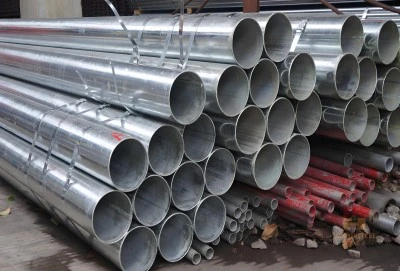
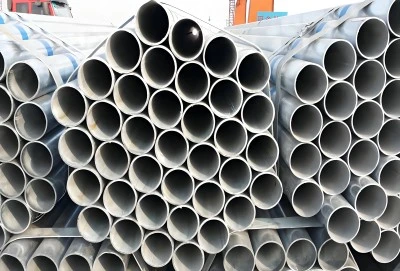
What Is ASTM A53 Grade B Pipe?
Type F, Type E, and Type S Explained
For three kinds of black and hot-dipped zinc-coated steel pipe, ASTM A53 is the norm. You can only get an A for Type F. Type E comes in two grades, A and B. Type S doesn't have a weld line because it is fired and then cooled. It comes in Grades A and B as well. Grade B is an ASTM name and isn't used everyplace. If a drawing says "A53 Gr B," I always ask what kind is needed for the job. The type often affects how it is made, how it is checked, and how much it costs.
Chemistry and Mechanical Properties
More than 0.30% carbon, 1.20% manganese, 0.05% phosphorus, and 0.045% sulfur is not allowed in Type E and Type S Grade B. Copper, nickel, and zinc can only go up to 0.40%. Molybdenum can only go up to 0.15% and vanadium can only go up to 0.08%. At least 240 MPa (35,000 psi) of strength must be present, and when stretched, at least 415 MPa (60,000 psi) must be present. The standard gives a method for finding out the shortest length. That number comes from the material and the thickness of the wall. They only give you ideas; they don't tell you for sure what will happen. I never just look at the grade's name; I always check it against the numbers on the mill license.
Sizes, Schedules, and Weight
This time, we see NPS 1/8 to NPS 26. That's the range of sizes for our ASTM A53 Gr B pipes. We always have 200 to 300 tons of them on hand. Sizes range from SCH10 to SCHXXS. The schedule only says how thick the walls are, not what kind of material they are made of. The measurements in ASME B36.10M can give you a rough idea of how much it weighs. A piece of NPS 2 Schedule 40 pipe weighs 5.44 kg/m, which is 3.65 lb/ft. Make sure you know each one's ASTM version, pipe type, size and shape limits, and mill test certificate (MTC) before you compare them. Each of these can change the way things go in business or tech.
Are EN, DIN, and JIS Standards Direct Equivalents to ASTM A53 Grade B?
Why Similar Names Do Not Mean Equal Pipe
Two lines that work together can look different on paper. ASTM, EN, and JIS all have their own types of licenses, ways of making things, chemical limits, strength ranges, wall tolerances, and chemical limits. It's possible for a grade that looks close in one place to be wrong in another. 415 MPa is the lowest tensile strength in ASTM A53 Gr B pipe. On the other hand, many EN and JIS grades have different weight and test rules. That's why I start with each cross-reference table. The real standards and the order papers are looked at next to each other before a choice is made.
EN and JIS References to Check
There are three main types of EN tubes: welded pressure tubes (EN 10217-1), non-welded tubes (EN 10216-1), and tubes that can be welded and threaded (EN 10255). Each type is bought by a lot of people. EN 10255 is not the same as Grade B because it only covers low-pressure fluid pipes. JIS G3452 is for regular carbon steel pipes, JIS G3454 is for high-pressure service, JIS G3455 is for pressure service, and JIS G3461 is for tubes for boilers and heat exchangers. What each one does will tell you which one is best for your business.
DIN References and Written Approval
Third, many DIN pipe standards have been changed or made to work with EN standards. In this case, DIN 2440 changed its name to EN 10255 and EN 10216 mostly took over DIN 1629. There could still be a DIN number on a picture. Check to see if it's still true before you quote against it. Before you make any changes, I think you should get written permission from the project engineer, the end user, or the person in charge of inspections. It doesn't matter what the sign means. One piece of paper protects your plan because it keeps deliveries from being turned down when they get there or while they are being checked. It needs to be sent with the purchase order to the supplier.
Technical Comparison and Equivalency Decision Matrix
What to Compare Line by Line
Comparisons should be based on the same things for each product: what it is used for, how it is made, how it is delivered, how big it is, what tests it has, what paperwork it comes with, and those tests. ASTM A53 Gr B pipe is a good example of why these points should be checked the same way for every option. Learn the differences between carbon, manganese, phosphorus, sulfur, yield strength, tensile strength, and extension. Remember that the limits can change based on the brand and the width of the wall. Then look at what tests need to be done, like hydraulic tests and tests to see how it bends or flattens. It doesn't take long to make a sheet that the engineer, the inspector, and your supplier can all use. You need to check something or ask a question before you place the order if a column has a blank cell.
MTC, EN 10204 3.1, 3.2, and Third-Party Reports
You can see the data for heat chemistry and mechanics on a standard MTC. An EN 10204 3.1 certificate must come from a person who is authorized by the manufacturer and not in the production department. A 3.2 certificate can be stamped by someone named in the order or by the buyer's authorized person to show that it is valid. The company you hire for an inspection report from a third party has a different record. Before you get quotes, you should know what kind of paper you need for your project. Getting an award at a higher level might take longer and cost more. At Longma Group, we sell MTC, ITP, and MPS papers. During the question step, we both agreed on the kind of award.
Equivalency Decision Matrix
You can copy and paste this short matrix into your project file:
| Check | Question to ask | Verification point |
|---|---|---|
| Scope | Same job and service? | Standard text |
| Manufacturing route | Type E or Type S? | Order and MTC |
| Chemistry and strength | Do limits match? | Heat test results |
| Dimensions | Same OD and wall? | Tolerance table |
| Testing and certificate | Same tests and 3.1? | Test reports |
You can only use a replacement if the chemistry, strength, size, fashion method, usefulness, testing, keeping track of, and written approval are all taken care of. I don't think substitution should be done in systems with a lot of laws, critical steam, high pressure, or that are very tightly integrated without a formal design review.
Type S vs Type E Pipe, and Selection for Pressure, Steam, and Structural Use
Type S vs Type E: How to Choose
For big jobs, high temperatures, or important tasks, Type S pipe is often the best choice, but it isn't always the best choice. Longma Group makes ERW pipes in a lot of different sizes. It's cheap, easy to make, and comes in a lot of different sizes for most general pipe systems. Some of the things that are different are pressure, temperature, width, fluid, checking the weld seam, hydrostatic testing, manufacturing needs, delivery time, budget, and more. Tell us in the request if your standard needs Type S so we have it on hand. A short decision grid is used to keep engineers and buyers on track with their talk. This matrix shows how technical risk and total cost are linked to ASTM A53 Gr B pipe.
Pressure and Steam Service
It doesn't matter what Grade B is called; what matters are the planning conditions. Before putting something under pressure or fluid, you should check the design pressure, temperature, scheduling, corrosion limit, allowed stress, joint efficiency, and the governing code, like ASME B31.3 for process plumbing. When you use steam, you can check for heat expansion, good welds, insulation, rust, and how the machine is being used. ASME B31.1 is what power pipes use most of the time. ASTM A106 is what builders think of when they need to do work that is hot and under a lot of stress. It only talks about pipes that don't have a weld line in them. Always get project approval and check a general pressure chart with experts before using it.
Structural Applications
A53 pipe can hold weight and joins well if you build or support something light. ASTM A500, on the other hand, is made just for that and comes in Grades A, B, and C. This is where rigid tubing works best. This company also makes ASTM A500 and ASTM A252. We could talk about which standard is best for putting up or building. First, make sure you read what the job needs. If it says A53, do what it says. After reading it, you should follow the building rules that are written in it. The price difference between two items isn't worth it if you choose the wrong measure.
Size, Inspection, and Buying Guide for Global B2B Procurement
Choosing NPS, Schedule, and Ends
Before you choose the right pipe size, you need to know how much flow and pressure drop are allowed. Then, look at the tools, valves, and parts that are already there to make sure they match. When the plan for an NPS is changed, the outside width stays the same, but the wall thickness changes. Schedule 80 is bigger than Schedule 40, but it can hold more weight. But it costs more and has less flow area. Also, it's heavy and tough to weld. Along with the length (3–12.5 m), the shape of the ends (straight or curved), and the package, you can also make your choice. Fit-up shocks don't happen on-site when you check the measures as soon as you get them.
Inspection, Testing, and Documents
The standard says that the hydraulic pressure needs to be checked after every stretch. Sometimes different kinds of nondestructive testing can be used instead, so make sure your needs are taken into account when you place the order. The material is also chemically tested, stretched to see how much it can bend and stretch, bent or flattened, and its sizes are checked. ASTM A90/A90M says that the zinc layer on galvanized pipe needs to be checked for weight. Most of the time, both sides must weigh at least 1.8 oz/ft². Whether it's metal, black, or covered, choose the right finish for the job. You should ask for the MTC, a packing list, a certificate of origin, test reports, coating certificates, and so on. Clear paper is safer when you receive, set up, or check something.
Buying Guide for Global B2B Procurement
You need to know the Incoterms, grades, length, ends, schedule, pipe type, size, grade B, quantity, inspection level, certificates, destination, and surface treatment before you ask for quotes for ASTM A53 Gr B pipe. The price depends on how it was made, how big it is, how thick its walls are, the market for steel, tests, finishing, packing, freight, and when it will be shipped. It's best to buy in bulk for extras and short-term needs. To get things in the right size, it's best to make them to order. 200–300 tons are always in stock, and it doesn't take more than 7 days to ship. Our steel comes from Bao Steel, TISCO, Shagang Steel, and HBIS. From the raw materials to the clean lines, we keep track of everything we sell. The company has customers in more than 90 countries. The supply chain is less risky because of good logistics planning and checks that happen before the goods are sent out.
Conclusion
To make ASTM A53 Gr B pipe, carbon steel is used. This pipe has a type system, chemistry limits, and minimum strengths of 240 MPa yield and 415 MPa tensile. Different standards like EN, DIN, and JIS cannot be used in place of each other because they cover different things and are made, tried, and accepted in different ways. They are only used to check things against each other. Things that have been carefully checked, have the right amount of certification, and have written permission from an expert or inspection authority should only be compared. You can use both Type E and Type S. The best one will depend on the building code, the amount of use, and the right standard for working with structures, steam, or pressure. It's less likely that materials will be turned down and installation will be held up if you choose the right size, schedule, paperwork, and inspection.
FAQ
Is EN 10255 an exact equivalent of ASTM A53 Grade B?
The grades, limits, and tests for Grade A EN 10255 tubes in low-pressure fluid service are not the same as those for Grade B.
Is Type S pipe always better than ERW pipe?
Type S isn't always better at everything. ERW pipe, on the other hand, works well in many general systems when the design code and specs allow it.
Which documents should I request?
You should ask for the MTC, test results, records of how the heat was used, certificates of sealing, and proof that the item came from a certain place. If the project needs it, add an EN 10204 3.1 license or a report from a third party.
What should I include in a quotation request?
Send the Grade B ASTM edition along with the type of pipe, its size, schedule, number, length, ends, surface treatment, inspection level, certificates, Incoterms, the address where the pipe is going, and the date you need it shipped.
Request an ASTM A53 Gr B Pipe Technical and Commercial Review
The Longma Group will look over your needs as a buyer's manager, expert, contractor, or dealer. They will do this for both business and technical reasons. Tell them the weight, length, use, level of inspection, schedule, type (E or S), number, location, arrival date, and surface treatment. We have 200 to 300 tons of ASTM A53 Gr B pipes in stock. We can check out what we have in stock, give you a price, arrange for a review, and pack your things to send abroad. Contact us at info@longma-group.com or go to longma-group.com to learn more.