
The ASTM A671 CB60 pipe goes from being a welded assembly to a high-integrity pressure vessel part when it is heated. When manufacturers roll ASTM A515 Grade 60 steel plates and join them together using electric-fusion welding, the steel goes through three thermal cycles: normalizing, stress relieving, and tempering. These cycles smooth out the grain structure, get rid of any remaining stresses, and give the steel the mechanical properties it needs to work at -29 °C. This controlled heating and cooling is what makes or breaks a pipe's ability to meet ASME Section VIII codes and last through decades of changing pressure in power plants or refineries.
|
|
|
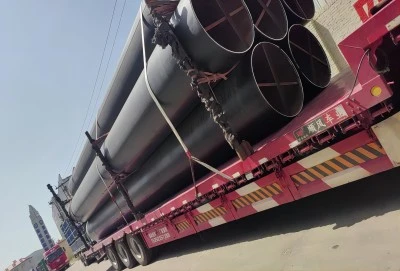
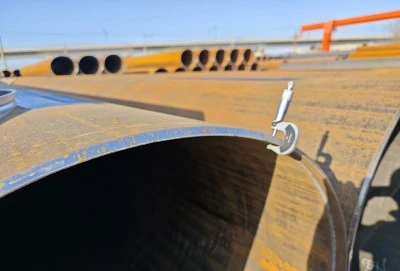
ASTM A671 CB60 Pipe Heat Treatment
Electric-fusion-welded pipes are very reliable because they are treated with heat. Without it, even high-quality base materials could become brittle, weld holes, or break down too soon when exposed to heat.
What Makes CB60 Grade Unique
ASTM A671 CB60 pipes are made from ASTM A515 Grade 60 pressure vessel plates, which is a fine-grained, fully killed steel with a minimum tensile strength of 414 MPa and a yield strength of 220 MPa. "CB" grades are different from "CC" grades, which are made for colder environments, because they can handle service at intermediate temperatures. The base chemistry controls the amount of carbon (up to 0.24%), manganese (0.60-0.90%), and silicon (0.15-0.40%). This makes sure that the metal is easy to weld and responds consistently to heat treatment. This mix lets all the oxygen leave the material, getting rid of any gas pockets that might weaken the weld when it's heated.
Because killed steel has a uniform fine grain structure, its change behaviour during heating cycles can be predicted. Normalizing CB60 material at 900–940 °C makes the microstructure recrystallize evenly, getting rid of cold work and weld heat-affected zones. This uniformity means that the Charpy impact values and crosswise bend ductility can be relied on. These are important qualities for pipes that carry steam or cryogenic fluids.
ASTM Standards Governing Heat Treatment
The ASTM A671 standard requires different classes, such as Classes 12, 13, 22, 32, and others, with their own specific heat treatment and inspection rules. Class 22, which is the most common level for CB60 pipes, needs to be normalized or stressed relieved, and all longitudinal welds must be x-rayed 100% of the time. The requirements for Class 32 are higher and include normalizing, tempering, and full radiography. This makes it suitable for the toughest pressure vessel uses.
Heat treatment charts that record time-temperature profiles for each production lot are used to prove compliance. The people in charge of buying things should ask for Material Test Certificates (MTC) that list specific heat treatment batches, furnace calibration records, and hardness tests done after the treatment. These papers show that the pipes went through the right number of thermal cycles and not just a quick annealing process that hides stresses.
Core Heat Treatment Processes for ASTM A671 CB60 Pipes
Knowing how each thermal cycle works helps you judge the skills of a provider and figure out why performance problems are happening in the field.
Normalizing: Refining Grain Structure
To normalize, the whole pipe system is heated to 900–940 °C, which is above the point at which austenite forms, and then cooled in still air. This cycle breaks down carbides, evens out the differences in chemistry between the base plate and the weld metal, and creates a fine-grained, uniform ferrite-pearlite microstructure. The effect is better hardness and ductility than the material was before it was welded.
Normalizing gets rid of the rough areas next to fusion lines that happen in EFW pipes that haven't been heated. By making the heat-affected zone smaller, normalized ASTM A671 CB60 pipes have the same mechanical properties all the way around. This is very important when pressure vessels are loaded and unloaded many times or when temperatures change quickly during startup and shutdown.
Stress Relieving: Eliminating Residual Stresses
Due to different temperature expansion, welding creates locked-in tensile forces near fusion zones. When pipes are stressed, they are heated to 595–650 °C, which is below transformation temperatures. They are then left to soak for 1–2 hours per 25 mm of wall thickness, and they are slowly cooled in a boiler. This subcritical annealing lets atoms move around and relieve internal stresses without changing the microstructure that was set up during the previous processing.
Stress corrosion cracking happens faster with residual stresses, and fatigue life is shortened. Class 22 CB60 pipes that have been treated to relieve stress can handle changing pressures in power plant steam headers, where pipes that have not been treated would crack very small. The right amount of stress release also keeps the measurements stable, so they don't change when the part is machined or installed in the field.
Tempering: Balancing Strength and Toughness
After normalizing, Class 32 pipes heat the material back up to 650–700 °C during tempering. This second cycle forms small carbides and softens martensite or bainite that can form when heavy-wall sections are cooled by air. The result is a microstructure that is perfectly balanced, keeping its high tensile strength while making it more resistant to impact and more flexible.
When used in cold environments, like LNG holding tanks or air separation units, tempered CB60 pipes work better than other types of pipes. The refined carbide distribution stops cracks from spreading, so pipes can take in energy during sudden changes in temperature or pressure without breaking in a big way.
Case Study: Refinery Low-Temperature Process Piping
It was improved at a refinery in the Middle East by adding 24-inch CB60 Class 32 pipes that can work at -25 °C. Charpy impact values below 20 J at design temperature were found in pre-project tests of samples that had not been heated. This is not acceptable for ASME compliance. Production pipes reached 60+ J impact energy after full normalizing and hardening processes with controlled cooling rates were put in place. In eight years of use, during multiple turnarounds, these pipes have had no weld failures, proving that the money spent on strict heat treatment protocols was well spent.
Reliability isn't the only cash benefit. By choosing ASTM A671 CB60 pipes that had been properly heat-treated, the refinery avoided the higher cost of stainless alloys while still getting the same low-temperature performance. Compared to other standards, this material optimization cut the project's capital costs by 18%.
Conclusion
When ASTM A671 CB60 pipe is heated, it changes from a common material to an engineered pressure vessel part. The controlled temperature cycles—normalizing, stress relieving, and tempering—improve the microstructure, get rid of locked-in stresses, and make sure the mechanical qualities are up to the task of being used in high-pressure steam systems and cold storage tanks. To make sure that a supplier can do heat treatment correctly, certifications, equipment audits, and written process qualification must be used. After delivery, proper handling and proactive inspection keep these metallurgical benefits for decades of use, maximizing return on investment while ensuring operational safety in oil and gas, power generation, and industrial manufacturing settings.
FAQs
What temperature range is used for normalizing CB60 pipes?
Normalizing usually happens between 900 and 940 °C, which keeps the ASTM A671 CB60 pipe above the highest temperature at which regular austenite formation takes place. As the metal cools in still air, a fine-grained ferrite-pearlite lattice forms that is stronger than the metal when it was first bonded.
How does Class 22 differ from Class 32 heat treatment?
Class 22 needs to be normalized or relieved of stress and has 100% radiography. It is good for moderate-pressure services. Class 32 requires both normalizing and tempering to be done with a full radiography check. This gives the steel better toughness at low temperatures and resistance to pressure cycling for important uses.
Can field welding compromise factory heat treatment?
Of course, unless the right heat treatment after welding comes after the field joints. During welding, new heat-affected zones are created, which have residual stresses and a different microstructure. Field PWHT processes that are the same as factory cycles keep the metal integrity of the whole pipe system.
Why is CB60 preferred over seamless pipe for large diameters?
Above a 24-inch diameter, seamless pipe is too expensive and can't be delivered. It is possible to get the same level of toughness or even better toughness in the weld zone when CB60 is electric-fusion-welded with a Class 22 or 32 heat treatment. This is true even for heavy walls and large bores.
Partner with Longma Group for Superior ASTM A671 CB60 Pipe Quality
Longma Group has been making EFW pipes for 20 years and has state-of-the-art heat treatment facilities to make sure that your ASTM A671 CB60 pipes meet the strictest pressure vessel codes. As a top ASTM A671 CB60 pipe maker, we keep our ISO 9001, API 5L, and occupational health certifications up to date and only buy raw materials from top Chinese mills like HBIS and Bao Steel. Our automated heat treatment ovens provide exact thermal cycles with full paperwork, including heat treatment charts, MTC certificates, and radiographic reports, to help you meet the standards of your project. Email our engineering team at info@longma-group.com to talk about your needs and get detailed proposals based on our track record of success in power generation, refinery, and cryogenic storage projects around the world.








