
When your petrochemical plant or power plant needs pipes that are stable and can handle high temperatures, choosing the right standard becomes very important. ASTM A671 CB70 pipe has been used successfully in high-temperature situations where the structure's strength and ability to withstand pressure must not be weakened. This pipe grade has a minimum tensile strength of 70 ksi (485 MPa) and is made from ASTM A515 Grade 70 pressure vessel quality steel plate using Electric Fusion Welding (EFW). It is one of the best options in the CB series. Made to work in tough industrial settings, ASTM A671 CB70 pipe meets the dual challenge of being able to handle big diameters while still keeping excellent weld quality and precise dimensions under high service conditions.
|
|
|
Understanding ASTM A671 CB70 Pipe Specifications and Properties
The controlled chemical makeup and strong mechanical properties of ASTM A671 CB70 pipe are what make it work technically. By knowing these specs, buying managers and pipeline engineers can make sure that the materials they use meet the exact needs of the project.
Chemical Composition and Alloying Elements
ASTM A515 Grade 70 steel plate is the base material for this pipe grade. It has a uniform carbon content that ranges from 0.27% to 0.31%, based on the thickness of the plate. Manganese levels between 0.85% and 1.20% make the material stronger and easier to shape, and silicon levels between 0.15% and 0.40% help remove oxygen during production. This mix strikes the best balance between being able to weld and having good mechanical properties. ASTM A671 CB70 pipe is a type of alloy steel that doesn't use chromium or molybdenum to make it strong. Instead, it uses carbon-manganese chemistry, which is cheaper while still meeting strict standards for pressure vessels.
Mechanical Properties and Performance Characteristics
The mechanical properties of ASTM A671 CB70 pipe are very good, which directly translates to operating efficiency. Tensile strength of the material is between 485 MPa and 620 MPa (70 to 90 ksi), and yield strength is at least 260 MPa (38 ksi). Standard tests usually show elongation percentages above 17%, which means the material is flexible enough for installation in the field and thermal cycling. This grade is unique because it has both high strength and kept toughness, which is especially useful in situations where pressure or temperature changes often. The electric fusion fused seam is tested mechanically the same way the parent material is, which makes sure that the pipe body is strong all the way through.
Heat Treatment and Microstructure Optimization
Post-weld heat treatment is a very important part of making ASTM A671 CB70 pipe more useful. Stress relief at controlled temperatures between 1100°F and 1250°F gets rid of any remaining stresses from the welding process and improves the structure of the grains. This thermal processing makes the dimensions more stable and makes it less likely that stress rust cracks will happen in service. The heat treatment standards are based on the Class designation in ASTM A671 specs. For example, Class 22, which is usually used for important purposes, requires stress relief and a full radiographic exam. This care with metallurgical conditioning makes sure that the pipe keeps its mechanical properties even after being at operating temperatures for a long time.
Standard Dimensions and Manufacturing Tolerances
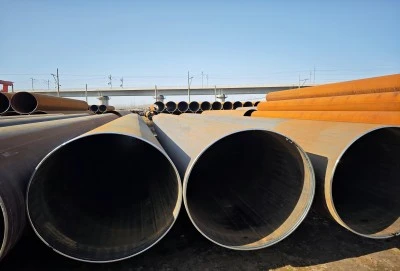
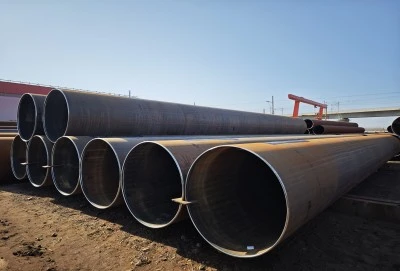
As an EFW product, ASTM A671 CB70 pipe works great in large-diameter situations where seamless manufacturing isn't possible or wouldn't be cost-effective. The outside diameter of standard production ranges usually go from 16 inches to 100 inches, and wall thicknesses are designed to meet certain pressure ratings. As per ASTM standards, manufacturing tolerances are kept within ±1% for diameter changes and within ±12.5% for wall thickness changes for most sizes. This level of accuracy in measurements makes field placement easier and cuts down on installation time for big jobs. You can choose where the longitudinal seam goes in relation to pipe supports or stress points. This gives you more design options than with seamless options.
ASTM A671 CB70 Pipe Manufacturing and Quality Assurance
Any pipe system's dependability depends on how well it was made and how often it was checked for quality. When buying teams understand these production and testing processes, they can more accurately judge the skills of suppliers.
Electric Fusion Welding Process and Controls
Pressure vessel quality plate from approved mills like Shagang, HBIS, or Bao Steel is the first step in making EFW. This makes sure that the base material can be tracked from making steel to building pipes. Before going into the making press, the plate edges are carefully machined to make the best fit-up shape. Electric resistance welding uses carefully controlled current to forge the lengthwise seam at temperatures close to 2500°F. This makes a strong metal link without the need for filler material. To keep the heat input steady, real-time tracking systems keep an eye on welding factors like current density, forge pressure, and travel speed. This method makes a weld zone with a finer grain structure and mechanical properties that are the same as or better than those of the parent plate.
Inspection and Testing Procedures
Quality control for ASTM A671 CB70 pipe includes several inspection steps that work together to make sure the quality of the product. Optical emission spectroscopy is used to check the steel's chemical makeup and make sure it meets the standards for A515 Grade 70 before it is formed. Using calibrated X-ray or gamma-ray equipment, a 100% radiographic examination (for Class 22 pipes) finds any internal breaks in the longitudinal seam after welding. Transverse tension tests across the weld seam and guided-bend tests to check ductility are two types of mechanical testing. When you do hydrostatic testing, the internal pressure is 1.5 times the maximum working pressure for a set amount of time. This finds any leak lines before the product is shipped. Charpy V-notch impact tests can be asked for in low-temperature applications to make sure the toughness is still true at the design minimum temperatures.
Certification Requirements and Supplier Evaluation
Reputable manufacturers keep a lot of certifications that show they manage quality in a structured way. ISO 9001 approval means that quality systems have been in place for a while and have clear methods and ways to keep improving. Even though API 5L certification isn't directly related to making A671, it shows that you know how to make and test welded pipes. Each package should come with a Material Test Certificate (MTC) that has heat numbers, chemical analyses, mechanical test results, and paperwork for hydrostatic test pressure. When looking at possible sources, buying teams should check the manufacturing facility's inspection capabilities. This includes checking the calibration records of radiographic equipment, the availability of third-party witness testing, and the ability to trace dimensional inspection equipment to national standards.
Procurement Considerations for ASTM A671 CB70 Pipe
When you strategically source pressure pipes, you have to balance scientific needs, business terms, and the logistics of the supply chain. When choosing suppliers, procurement managers with a lot of experience look at more than just unit price.
Pricing Factors and Market Dynamics
Prices for ASTM A671 CB70 pipe depend on a number of factors, such as the cost of the base steel plate, the pipe's width and wall thickness, the Class name that is needed, and the number of pipes that are ordered. At the moment, plate prices are changing based on the cost of raw materials and how much mill capacity is being used. Because they need heavier plates and special forming equipment, pipes with larger diameters cost more. Optional protective coats, such as FBE (Fusion Bonded Epoxy) or 3PE (three-layer polyethylene), raise the cost of the pipe by 8–15% but make it last longer in harsh settings. When an order is over 200 tonnes, volume commitments usually lead to discounts of 5–12%. However, procurement teams have to weigh the price advantages against the costs of keeping inventory.
Supplier Selection Criteria and Regional Considerations
China has become a major center for making large-diameter welded pipe. Companies like Longma Group can make more than a million tonnes of pipe every year. These factories use up-to-date forming and welding tools and have low labour costs, so they can usually offer price cuts of 15 to 25 percent compared to North American or European factories. But when making procurement choices, people should also think about things like how well they can communicate, how consistent the quality is, how reliable the lead time is, and how full the paperwork is. Suppliers who keep up with foreign certifications and work on projects with references from other countries show that they can meet Western tech standards. Regional factors also involve import taxes, freight costs, and possible supply chain problems that might make buying from within the country or close by more appealing, even if the unit prices are higher.
Order Terms and Logistics Planning
For specialised specifications like ASTM A671 CB70 pipe, the minimum order quantity is usually between 20 and 50 tonnes, depending on the diameter. This is because manufacturers tailor production runs to meet specific requirements. Standard lead times are 8 to 12 weeks from the time an order is confirmed until production, testing, and paperwork are ready. You might be able to get faster schedules if you pay more or use up all of your inventory. Transportation issues have a big effect on total landing costs, especially for big pipes that need special tools to haul. Smaller diameters (up to 24 inches) can be shipped in containers. For larger sizes, break-bulk ships with cranes at the destination ports are needed. To keep items from getting damaged in transit, procurement teams should check the packing methods, making sure that they include protected caps, bevelled ends, and the right kind of blocks.
Applications and Industry Use Cases for ASTM A671 CB70 Pipes
Knowing about normal service settings helps project engineers figure out when ASTM A671 CB70 pipe is the best specification choice out of all the options that are available.
Power Generation and Steam Distribution Systems
Large-diameter pipes are used a lot in thermal power plants to move feedwater, saturated steam, and condensate at temperatures up to 450°F and pressures above 600 psi. ASTM A671 CB70 pipe works well in these situations because it can handle high pressures and comes in sizes ranging from 24 to 60 inches in diameter. This was used in the Mobil Oil Australia project, where ASTM A671 CB70 pipe moved process steam through a lot of plant infrastructure. The thermal conductivity of the material makes it good at moving heat, and its structure stability keeps the system reliable even when temperatures change every day. The acceptable cost of materials and good high-temperature strength of ASTM A671 CB70 pipe make it a good choice for the large amounts of pipes that are needed in utility-scale power plants.
Petrochemical Processing and Refinery Operations
In chemical plants and refineries, ASTM A671 CB70 pipe is used in all of the process units that handle heated crude oil, intermediate products, and different process streams. This grade is often used in fractionating columns, heat exchanger circuits, and reactor feed systems where the working temperature stays below 800°F and rust issues can be controlled with the right lining or coating systems. Because the pipe is so easy to weld, it can be changed and connected in the field during plant expansions or turnarounds. In sour service environments with hydrogen sulphide, ASTM A671 CB70 pipe can be qualified through HIC (Hydrogen Induced Cracking) testing and hardness verification according to NACE MR0175 standards. This means that it can be used in more difficult process conditions where the choice of material has a direct effect on safety and operational continuity.
Industrial Utility Systems and Offshore Installations
Utility delivery networks bring steam, compressed air, and cooling water to production tools in factories across many businesses. The tough design of ASTM A671 CB70 pipe makes it perfect for these tough uses where system failures stop whole operations. Offshore platforms are especially tough places to work because they are exposed to marine environments and have limited space, so they need materials with high strength that don't have thick walls that weigh a lot. The mechanical qualities of ASTM A671 CB70 pipe along with the right anti-corrosion coatings make it last longer in these harsh environments. Hot-dip galvanising or 3LPE coating methods can be used to protect the outside, and interior linings can be added if the process chemistry needs more protection.
Conclusion
In conclusion, the ASTM A671 CB70 pipe works well in high-temperature industrial piping systems that must keep pressure inside and keep the structure strong. It is a good choice for power generation, petrochemical processing, and heavy industry uses because it is cheap, has a tensile strength of 70 ksi, and is available in big diameters. The electric fusion welding method creates uniform quality in sizes that can't be made seamlessly. Strict testing procedures make sure that every pipe meets strict standards for pressure vessels. To do good buying, you need to look at the certifications of suppliers, know how the market works, and make sure that the testing paperwork matches the project requirements. When ordered and put in correctly, ASTM A671 CB70 pipe will work reliably for decades in harsh thermal environments.
FAQ
1. What maximum temperature can ASTM A671 CB70 pipe withstand safely?
ASTM A671 CB70 pipe is made to work well in low- and ambient temperatures, and it usually does well up to 650°F (343°C). Above this range, rust and creep deformation happen faster in carbon steel. For uses that need temperatures above 750°F, alloy steel types like ASTM A691 with chromium and molybdenum should be considered because they are stronger at high temperatures and don't rust.
2. How does CB70 compare with stainless steel regarding corrosion resistance?
Stainless steels like 304 and 316 are better at resisting corrosion than carbon steel ASTM A671 CB70 pipe. ASTM A671 CB70 pipe works well and costs a lot less in settings that are slightly corrosive or where coatings on the outside protect the metal. When acids or chlorides are used in the process chemistry or when product pollution from corrosion products is not appropriate, stainless steel is needed.
3. What certifications should I verify when purchasing CB70 pipe?
Material Test Certificates (MTC) with chemical analysis and mechanical test results, radiographic examination reports confirming the quality of the weld, hydrostatic test records, and dimensional inspection data are some of the documents that are needed. Quality management systems are more trustworthy when suppliers have certifications like ISO 9001 and production process standards (MPS).
Partner with a Trusted ASTM A671 CB70 Pipe Manufacturer
Longma Group can help you with your high-temperature pipe needs by making approved ASTM A671 CB70 pipe that meets strict international standards. Our 230,000-square-meter factory makes more than a million tonnes of steel every year. It uses cutting-edge EFW technology and has a wide range of testing options, such as 100% radiography examination and hydraulic testing. Our ISO 9001 and API 5L certifications show that we handle quality in a structured way, and the fact that we only buy raw materials from top local mills like HBIS, Shougang, and Bao Steel guarantees consistent base material quality. To make your engineering review processes run more smoothly, we offer full paperwork packages that include ITP, MPS, and MTC. As part of our fabrication services, we can bevel the pipe, apply coatings (FBE, 3LPE, hot-dip galvanising), and do custom end treatments to make it ready for installation. As a well-known ASTM A671 CB70 pipe supplier that works with customers in over 90 countries, we know how hard it can be for project managers to find the right supplies. That's why we offer flexible order terms, low prices, and on-time deliveries. Email our technical team at info@longma-group.com to talk about the details of your project and get a detailed quote that fits your needs.








