
The ASTM A672 B60 pipe has a minimum yield strength of 60 ksi (413.7 MPa) and a tensile strength range of 415 to 550 MPa. This makes it a great choice for medium-pressure steam systems and process lines in refineries. Electric fusion welding is used to make this pipe from Series B carbon-manganese steel plate. It is strong and easy to join. Its shape allows it to work steadily up to about 370°C, meeting the important needs of power generation, petrochemical processing, and industrial heat exchange tasks that must remain reliable even when temperatures change and pressure is maintained.
|
|
|
ASTM A672 B60 Pipe Specifications and Mechanical Properties
Understanding the Core Material Composition
The base material is the first thing that an electric-fusion-welded pipe is built on. The ASTM A672 B60 pipes utilize Series B carbon-manganese steel plate, typically conforming to ASTM A515 Grade 60 specifications. This mild carbon-manganese mix strikes an important balance between mechanical strength and field weldability, which is something that procurement managers and pipeline engineers think about a lot when they are choosing materials for complicated installs.
The chemicals used have a fixed amount of carbon—usually no more than 0.24% for a normal plate thickness—and manganese—between 0.60% and 0.90%. This carefully chosen formula makes the grain structure more uniform during rolling and welding, which has a direct effect on the pipe's ability to handle cyclic loading and thermal expansion in service environments. To keep the material from breaking easily and to make sure that large-diameter pipe runs behave consistently, the amounts of silicon, phosphorus, and sulphur are strictly controlled.
Tensile and Yield Strength Characteristics
The limits of what industrial piping systems can actually hold in terms of pressure are set by mechanical performance metrics. The ASTM A672 B60 pipe standard requires a minimum yield strength of 60 ksi (413.7 MPa). This gives design engineers a safe area to work with when they're figuring out the maximum working pressures based on ASME B31.3 or similar standards. Tensile strengths usually fall between 415 and 550 MPa (60 to 80 ksi), which means that there is enough flexibility left over after the elastic deformation zone.
The B60 grade's strength profile puts it between the lower-strength A55 types and the higher-alloy C-series choices. This makes it a good value for medium-pressure uses. This positioning is good for project managers because it keeps structure margins large enough for steam distribution networks, backup power station pipes, and refining medium-temperature process lines. This is because it avoids over-specification and the material premiums that come with it.
Impact Toughness and Elongation Values
Impact resistance is especially important for pipes that have to handle sudden changes in temperature or pressure during starting. Charpy V-notch testing is not required by the base ASTM A672 B60 pipe specification unless it is specified by class designation. However, many engineering contractors specify Class 22 or Class 32 variants that include normalising heat treatment. This heat treatment improves the hardness of the notches and lowers the chance of brittle fractures starting in areas where the heat from the welding has affected the grain structure.
In a standard 2-inch gauge length, ASTM A672 B60 pipe material usually has elongation values that are higher than 22%. This means that it can deform plastically without breaking. This flexibility comes in handy during installation in the field, when pipes have to be bended in cold weather or when thermal expansion causes stress to build up in certain places, like at supports and anchors. The B60 grade has a good mix between toughness and strength, which makes it perfect for large-diameter forming operations where plate consistency directly impacts manufacturing yield rates.
Heat Treatment and Its Role in Property Enhancement
The final mechanical properties that are brought to the job site are greatly affected by the heat treatment protocols that were used. An optional stress-relief treatment is especially important for heavy-wall fabrications, like pipes with walls thicker than 1.5 inches, where leftover stresses from welding and making processes could make the shape less stable or speed up the start of fatigue cracks when loaded and unloaded repeatedly.
For higher pipe classes, the normalising treatment includes heating the formed pipe to around 900–950°C and then cooling it with controlled air. This thermal cycle evens out the microstructure, gets rid of hardness differences caused by welding along the seam, and makes the material tougher overall. Plant equipment managers who are in charge of vital infrastructure often ask for normalised pipes to be used in situations where unplanned shutdowns would cost a lot of money. They do this because they know that the extra cost of better heat treatment reduces risk in a measured way.
Testing Methodologies for Quality Verification
Thorough testing procedures make sure that the mechanical properties match what was expected during design. The yield and ultimate strength values are checked by tensile testing on samples taken from pipe bodies and longitudinal weld seams. Tests are usually done every 500 feet between production lots, and if the first samples don't meet the minimum standards, they have to be replaced. This is done to make sure that all batches are the same, which is emphasised by the specification.
As the last check before shipping, hydrostatic testing puts each pipe length under pressures that are higher than what is expected in normal use by legal amounts. Radiographic analysis, which covers 100% of Class 22 and higher grades, finds internal weld discontinuities that could be stress concentration sites or fatigue crack starting points. Testing the hardness of the welds across all of them shows that the heat used during fabrication did not create any brittle spots that could break during service.
Manufacturing Process and Its Impact on Mechanical Properties
Plate Material Sourcing and Quality Control
The first step in making something is choosing plate material from approved mills. Reliable manufacturers get steel plate from integrated mills that follow strict rules for rolling and controlling chemicals. Longma Group works with top Chinese sources like Shagang, Shangang, TISCO, BX Steel, Shougang, HBIS, and Bao Steel to make sure that all of our production runs have the same composition and mechanical properties.
When plate material comes in, it is inspected by optical emission spectrometry to check the chemistry, ultrasonic testing for internal laminations, and measuring to make sure it is the right size. This quality gate upstream stops faulty base material from getting into the production stream. This is a very important control point because plate flaws can't be fixed by welding or heat treating them again. Traceability systems connect each finished pipe to its source plate heat number. This lets you figure out what went wrong if problems happen in the field years after the installation.
Electric Fusion Welding and Seam Integrity
ASTM A672 B60 pipes are different from both seamless and submerged-arc-welded pipes because they are welded using an electric fusion process. The edges of formed plates are carefully machined to make the joint shape uniform. Next, high-frequency induction heating raises the temperature of the mating surfaces to the forging temperature. Mechanical force completes the join through solid-state bonding instead of liquid metal fusion. This makes a small area that is touched by heat where grain growth is low.
This way of welding makes seams whose mechanical properties are very close to those of the base material. This keeps the joints from being too weak, which can happen with traditional arc-welded joints. Controlling parameters like heating power, squeezing force, and welding speed is very important for the quality of the weld. These days, modern factories use computers to keep an eye on things. Statistical process control charts keep an eye on these parameters in real time and alert the operator when values start to stray too far from the set control limits.
Dimensional Precision and Wall Thickness Tolerances
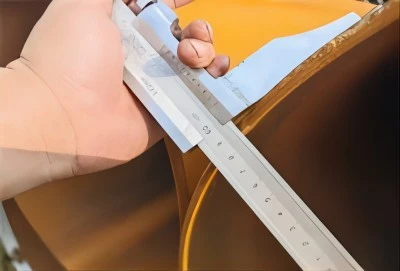
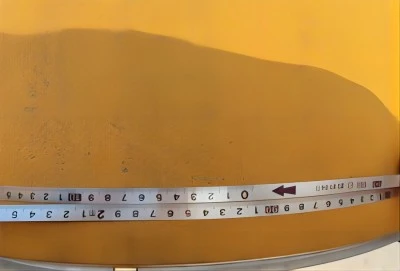
When making large-diameter pipes, it's important to have precise control over the dimensions that affect how much pressure they can hold. Changes in wall thickness cause stress concentrations under internal pressure, which could lower the safe working limits below what was calculated in the design. It is required that the wall thickness of ASTM A672 B60 pipe is kept within ±12.5% of the standard specification during manufacturing. This is a tighter requirement than many other common pipe types.
For pipes going to be connected with flanges or welded in the field, controlling the outside diameter tolerance is just as important. The ovality, which is the difference between the largest and smallest diameter measurements, needs to stay within certain limits so that the gasket fits properly and there are no problems with welding alignment. When used during production, advanced ultrasonic wall thickness scanners find spots of thinning that might not be visible with human checking. This makes sure that the pipes supplied meet the structural assumptions built into the engineering designs.
Procurement Considerations for ASTM A672 B60 Pipes
Market Pricing Dynamics and Budget Planning
The costs of materials for ASTM A672 B60 pipes are based on the price of base steel plates, the difficulty of making the pipes, and the requirements of the specification class. Plate steel prices have been stable since 2021–2023, when they were very volatile. This makes the market more stable in 2024, which is better for planning project budgets. Standard-wall B60 pipe usually costs between $1,200 and $1,800 per metric tonne FOB manufacturing site. Pipes that need to be normalised with heat treatment and better non-destructive testing cost 15 to 25 percent more.
There are chances to buy in bulk for projects that need a lot of it. Orders of more than 500 tonnes often get bulk savings of 5 to 8 percent, which is important for big projects like building a power plant or expanding a refinery. During the engineering development stages, procurement managers should talk to possible suppliers to lock in prices before full buying authorisation. This will protect project budgets from changes in the market during the long design and approval cycles that are common for large capital projects.
Supplier Qualification and Certification Requirements
To find good providers, you need to look at their manufacturing skills, quality system certifications, and product approvals. ISO 9001 certification is the standard and shows that quality management systems and methods for ongoing growth have been documented. Even though API 5L certification doesn't directly apply to A672 standards, it does show that the manufacturing process is sophisticated and has a quality culture that is useful for making complex pipes.
Each shipment lot comes with a material test certificate (MTC) that lists the chemical makeup, mechanical qualities, and results of a non-destructive examination. Engineering contractors often need extra paperwork like manufacturing procedure specifications (MPS), qualifications for welding procedures, welder certifications, and detailed inspection and test plans (ITP). Suppliers who can show they can do good paperwork lower project risk by leaving a paper trail that is needed for legal compliance and planning for future upkeep.
International Logistics and Delivery Lead Times
When you work on a global project, logistics get more complicated, which slows down the buying process. Manufacturing lead times for ASTM A672 B60 pipes are usually between 8 and 12 weeks, from when the buy order is placed to when the pipes are ready to be shipped, given that the raw materials are available and meet the standard requirements. Custom sizes, stricter testing procedures, or unique coating applications can make lead times 14 to 16 weeks, which means that buying plans need to be adjusted.
International shipping takes longer and is more complicated. Pipes with a width of less than 12 inches can be shipped in containers, which speeds up the shipping process and makes handling easier. Large-diameter pipes need to be delivered by break-bulk vessels or specialised heavy-lift equipment. Depending on how busy the ports are and how many vessels are available, this could add 4 to 8 weeks to the delivery plan. When experienced suppliers keep in touch with goods forwarders and logistics providers, it's easier to clear customs and coordinate inland transportation, which lowers the risk of missing a deadline.
Conclusion
The mechanical qualities of ASTM A672 B60 pipes give them the balanced performance profile needed for tough industrial uses like medium-pressure steam systems, refinery process lines, and power generation infrastructure. The 60 ksi yield strength requirement, along with the right heat treatment and strict quality checks, makes the steel reliable enough for procurement managers and pipeline engineers to rely on for important installs. An study of B60's mechanical properties and cost positioning against other specifications shows particular application areas where they provide the best value. Understanding the manufacturing process boosts trust in the quality of the product, and detailed buying advice helps project teams choose suppliers, make budgets, and coordinate logistics more efficiently.
FAQ
1. What mechanical properties define ASTM A672 B60 performance capabilities?
The minimum yield strength that meets the requirements is 60 ksi (413.7 MPa), and the minimum tensile strength must be between 415 and 550 MPa. In standard gauge lengths, elongation usually goes over 22%, which shows that the material is sufficiently flexible. The end toughness is affected by the heat treatment class name. Normalised ASTM A672 B60 pipes are better at resisting impact.
2. How does ASTM A672 B60 compare to ASTM A53 for high-pressure applications?
B60 has a yield strength that is almost twice as high as A53 Grade B (60 ksi vs. 35 ksi), which means that it can withstand much higher pressures at the same wall thickness. Because it is stronger, B60 is better for medium-pressure steam service and large-diameter uses where uniform production isn't possible.
3. What criteria identify reliable ASTM A672 B60 suppliers?
Qualified suppliers keep their ISO 9001 certification up to date, provide full material test certificates, and show systems for tracking fabrication. Manufacturing facility audits that check the facility's ability to use heat treatment, non-destructive testing tools, and quality control methods give buyers more confidence when making important purchasing choices.
Partner with Longma Group for Certified ASTM A672 B60 Pipe Solutions
Longma Group is ready to help you with your next important infrastructure project by providing you with high-quality electric-fusion-welded pipes that meet the strict ASTM A672 B60 pipe mechanical property standards. We have been making ASTM A672 B60 pipes since 2003 and have advanced production tools and quality systems that are certified to ISO 9001, ISO 14001, and OHSAS 18001 standards. Our factories make more than a million tonnes of goods every year, which are used on big projects in more than 90 countries, such as famous sites in the Middle East, Australia, and Southeast Asia.
We only buy quality steel plate from the best mills, like Shagang, Shangang, TISCO, BX Steel, Shougang, HBIS, and Bao Steel. This way, we can be sure that the mechanical qualities are always the same and that we can track the raw material all the way to the finished product. In addition to making pipes, we also offer fabrication services like welding, end treatments, and anti-corrosion coatings like FBE, 2PP, 3LPE, and hot-dip galvanising. These services are delivered as turnkey solutions that make the buying process easier for you.
Email our expert team at info@longma-group.com to talk about your particular needs. We can help you with custom quotes for large orders, expert advice on choosing materials, or full paperwork packages with ITP, MPS, and MTC certificates. Our solutions are tailored to meet the needs of your project and your budget. Let us show you why engineering contractors and purchasing managers around the world choose Longma Group as their top ASTM A672 B60 pipe supplier.








