
For the highest quality electric-fusion-welded carbon steel pipes, the ASTM A672 B70 pipe is the best choice. It was designed to meet the strictest needs of modern power plants. This pipe grade is made from ASTM A515 Grade 70 plate material using advanced fusion-welding techniques. It has a minimum yield strength of 70 ksi (482.65 MPa), making it the strongest option in the Series B classification. Power plants all over the world use this standard when they need to move high-pressure, high-temperature steam and can't risk compromising the structure or the plant's ability to run reliably. Its special carbon-manganese mix gives it great performance qualities that solve important engineering problems that procurement managers and plant equipment engineers working on big building projects face.
|
|
|
Understanding ASTM A672 B70 Pipe Specifications and Properties
Chemical Composition and Material Foundation
The B70 grade uses a specially designed carbon-manganese steel plate that strikes a good balance between strength and ease of fabrication. The highest amount of carbon is usually 0.31%, the highest amount of manganese is up to 1.20%, and the lowest amount of silicon is between 0.15 and 0.40%. This exact chemical design makes it easy to weld while still keeping the structural stability needed for long-term use in high temperatures. The silicon-killed production method makes sure that the material is clean by getting rid of impurities that could hurt its long-term performance in harsh or hot settings.
Mechanical Property Benchmarks
This standard is different from lower-strength options because of its mechanical properties for ASTM A672 B70 pipe. Tensile strength must be at least 70 ksi (485 MPa), and yield strength must be at least 38 ksi (260 MPa). For thermal expansion cycles that are common in power generation systems, elongation values make sure that the material is flexible enough. These qualities stay the same even when used continuously up to 400°C, which is a temperature range that is common in warming and main steam uses. The material keeps its strength very well at high temperatures, which keeps it from failing because of creep, which happens with materials that aren't up to par over long periods of time.
Heat Treatment Classes and Quality Standards
There are different types of heat treatments to meet the needs of different projects. Normalisation is done on Class 10 pipes, stress relief is done on Class 11 pipes, both is done on Class 12 pipes, and along with stress relief, all Class 22 pipes must have a radiography test. With these treatment choices, engineers can make sure that the state of the material exactly matches the pressure-temperature rates and quality assurance needs. The heat treatment smooths out the microstructure and finetunes the grain structure. It also removes any stresses that were left over from the fusion-welding process, which makes the pipe more stable in its dimensions and reliable mechanically over its lifetime.
Comparing ASTM A672 B70 Pipe with Alternative Pipe Materials
Advantage Over ASTM A106 Seamless Pipe
When project requirements call for heavy-wall, large-diameter pipes that are longer than 24 inches, seamless manufacturing is either too expensive or not possible at all. There are size limits on the ASTM A106 seamless standard that come from the rotating piercing and extrusion methods. Electric-fusion-welded construction gets around these problems and provides better size standards at widths where seamless production fails. Cost comparisons always show that fusion-welded options are better for large-bore applications. This is because they use 20–30% less material and still contain pressure just as well.
Performance Comparison with API 5L Line Pipe
API 5L grades are mostly used for oil and gas gearbox in areas with normal temperatures. The ASTM A672 B70 pipe standard is especially for moderate-temperature service, which is where API 5L materials would deform more quickly due to creep. At high temperatures, changes in chemical makeup become very important. The silicon-killed production and controlled carbon-manganese ratio give thermal stability that regular line pipe grades can't match. When choosing between these standards, procurement managers need to carefully look at the working temperature profiles. This is because using the wrong API 5L pipe in power plant steam service can cause early failure and expensive system downtime.
Differentiation from ASTM A671 Specification
Both the ASTM A671 and the ASTM A672 use electric-fusion welding technology, but their temperature ranges are very different. The ASTM A671 grade is for use in air and lower-temperature settings, while the ASTM A672 B70 grade is for use in moderately heated settings like those used in power generation. Plates come from different places. For example, ASTM A671 lines use standard carbon steel plates, while ASTM A672 B70 uses the more durable ASTM A515 Grade 70 plate that was made especially for use in pressure vessels. This basic difference leads to significantly better performance in systems that move steam, where thermal cycling and high temperatures that last for a long time test the properties of materials.
Manufacturing and Quality Assurance of ASTM A672 B70 Pipes
Raw Material Selection and Traceability
To make high-quality products, you need to get your raw materials from reputable steel mills in China, like Shagang, Shangang, TISCO, BX Steel, Shougang, HBIS, and Bao Steel. These suppliers keep a close eye on the chemicals they use and make sure that every plate heat passes a full mill test. Material tracking systems keep track of the steel production process from analysing the ladle to rolling the plates. This makes it possible for engineering companies to get all the information they need for important service uses. This base of raw materials makes sure that all production batches are the same and gets rid of any low-quality materials that could weaken the system.
At Longma Group, we use strict processes for checking all of our materials before they are used in production. Positive material identification testing is done on each plate to make sure that the chemistry meets the requirements. Dimensional inspection checks that the thickness tolerances are met, which stops walls from being too small, which would lower the pressure rating. By looking at the plate's surface, you can find laminations, seams, or other flaws that could spread during the making process. These quality gates keep bad raw materials out of the production streams, which keeps our clients safe from costly field failures.
Pipe Forming and Welding Excellence
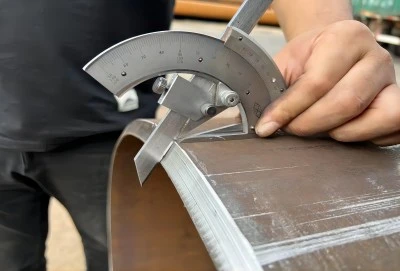
Electric-fusion welding joins plate edges by heating them up against resistance, making a strong metal link without adding any filling material. Compared to other submerged-arc welding methods, this one creates narrow heat-affected zones that keep microstructural changes near the join line to a minimum. When forming, precision press-brake or roll-forming equipment is used to keep the tolerances for size within the limits set by ASTM. Weld seam alignment systems make sure that the edges are properly prepared and fit together, which are important factors that determine the quality of the final joint and its long-term dependability under repeated pressure loads.
Heat cleaning steps taken after welding are very important for how well the ASTM A672 B70 pipe performs. Stress-relieving thermal cycles lower the residual stresses that were created during shaping and welding. This keeps the part from warping when it is machined or installed later. Normalising treatments improve the structure of the grains, level out differences in the microstructure, and make the mechanical properties best across the whole pipe cross-section. Temperature tracking and time-at-temperature controls make sure that the heat treatment works, and equipment in the boiler and chart recording show that the process was followed correctly.
Inspection Protocols and Quality Documentation
Comprehensive quality control methods check that the product meets standards at many steps of production. By taking an x-ray of the whole length of the weld seam, you can see any interior breaks that can't be seen with the naked eye. The ASTM standards set the acceptance criteria that make sure the structure is strong. During hydrostatic testing, each pipe is put under pressures that are higher than its maximum operating conditions. This confirms that the pipes can contain pressure and shows any problems with the workmanship before they are shipped. Ultrasonic wall thickness measurement makes sure that the material is spread out evenly, so there are no thin spots that could affect the pressure number.
Each output lot is tested mechanically to make sure that the tensile strength, yield strength, and elongation numbers meet the criteria. Welding processes don't make brittle areas that are easy to crack until they are tested for hardness in join zones and heat-affected areas. Charpy V-notch impact testing checks how tough a material is, which is especially important for uses that may experience sudden changes in temperature or pressure. Documentation packages that come with orders help engineering companies keep track of everything and make sure they are following the rules. For each pipe heat, the material test certificates list the chemical composition analysis and mechanical property results. Manufacturing procedure specs spell out the methods of production, quality standards, and acceptance criteria that are used during the whole process. These papers meet the quality standards for the project and provide lasting records that will support decades of safe operation.
Practical Considerations and Maintenance for Power Plant Applications
Installation Best Practices and Welding Requirements
The service life is increased and early failures are avoided by using the right installation methods. Welding in the field needs to be done by trained welders who know how to work with carbon-manganese steel. For heavy-wall sections, preheating is necessary to stop hydrogen from causing cracks in heat-affected areas. Interpass temperature control keeps the microstructure developing in the best way possible, preventing too much hardness that weakens the material's toughness and makes it more likely to crack. Post-weld heat treatment for critical joints reduces residual stresses and softens hard spots, making sure that the properties of the weld match those of the base material.
The way pipes are handled protects their purity while they are being moved and stored. Lifting tools and methods keep thin-wall sections from deforming and protective coatings from getting damaged. The way things are stored gives them enough support to keep their shape and avoid falling. Protecting the environment while storing things outside stops rust from starting, which could damage the surfaces inside. These seemingly small things have a big effect on the quality of the installation and the long-term performance of the system, so they need to be carefully thought out during the project completion stages.
Corrosion Management Strategies
Even though carbon-manganese steel is generally resistant to rust, power plant settings often contain harmful chemicals that need to be protected. Coatings that are put on the inside during production stop rusting from steam vapour and impurities that build up during operation cycles. Coatings on the outside of structures keep them safe from corrosion caused by air, insulation, and soil for sections that are buried. Cathodic protection systems add extra safety for underground sites where damaged coatings could let electrolytic attack happen on bare steel.
Regular checking programs find corrosion before it reduces the thickness of the wall and threatens the stability of the pressure. Ultrasonic thickness measurements set the starting point and keep track of the rate of material loss, which lets you plan maintenance ahead of time. External corrosion under insulation is seen visually during outages. This is a common way for steam piping systems to fail. An internal check with remote video or robotic systems shows buildup of deposits, damage from erosion and rust, and targeted attacks that need to be fixed. These preventative steps extend the life of equipment and stop major breakdowns that would require long plant outages.
Regulatory Compliance and Safety Considerations
Power plant piping systems are closely watched by regulators who make sure they follow strict rules about pressure equipment and protecting the environment. Design experts have to make sure that the ASTM A672 B70 pipe specs follow the rules for pressure vessels and power boilers in their area. To do welding procedures, you need to be qualified according to ASME Section IX or an international standard that is similar. The people who do non-destructive exams need to have up-to-date certifications that show they know how to read x-rays or use sound testing methods.
Environmental laws are making it harder for pipe systems to release fugitive emissions, which is leading to the use of leak-tight joint designs and more frequent inspections. As part of workplace safety rules, workers must have the right tools for moving things, be protected from falls when working at heights, and follow confined space rules when doing internal inspections. Proof of following the rules is kept in the plant's fixed records and can be checked during licence renewals and probes into accidents. Choosing to buy high-quality pipe from reliable makers lowers the risk of not following the rules and shows that you did your research when choosing the materials.
Conclusion
It is impossible to find a better standard than ASTM A672 B70 pipe for moving high-pressure steam in current power plants. It is the best choice for pipeline engineers and procurement managers who have to deal with tough operating conditions because it has a high yield strength, is stable at high temperatures, and has been proven to be reliable. Paying close attention to the materials used, the suppliers, and the installation methods guarantees decades of safe, effective service serving the world's most important infrastructure.
FAQ
1. Can ASTM A672 B70 pipe withstand high-temperature steam applications?
This grade's mechanical properties stay the same in continuous service up to 400°C. This makes it a good choice for main steam and reheat piping systems in thermal power plants, where high temperatures make it hard for materials to work well.
2. How do I verify supplier authenticity and material certifications?
Reliable manufacturers give full material test certificates, mill test reports, and proof of third-party inspections. Before you make your final procurement choices, make sure you have proof of API certifications, ISO quality system compliance, and credentials for the production site.
3. Are customization options available for specialized project requirements?
Leading suppliers allow for a lot of customisation, such as non-standard lengths, advanced coating systems, and heat treatment classes that are specific to each project and its pressure-temperature service conditions.
4. What distinguishes B70 from lower-strength B60 and B65 grades?
The B70 grade has a minimum yield strength of 70 ksi thanks to improved carbon-manganese chemistry. It has the highest pressure-bearing capacity in Series B classifications and allows for better thin-wall designs that lower the cost of materials.
Partner with Longma Group for Premium ASTM A672 B70 Pipe Solutions
Longma Group is a top ASTM A672 B70 pipe supplier with over 20 years of proven performance. They offer fusion-welded carbon steel pipe that is both engineering excellence and industrial precision. Our 230,000-square-meter, state-of-the-art plants make more than 1,000,000 tonnes of steel every year for power projects in 90 countries. We keep a lot of certifications, like API 5L, ISO 9001, and health and safety at work standards, to make sure that every pipe meets the highest quality standards. Email our expert team at info@longma-group.com to talk about the details of your project, get detailed quotes, or set up material samples that show how committed we are to quality and dependability in important power plant uses.