
It's very important to find a trusted ASTM A672 C60 pipe supplier when your project needs electric-fusion-welded pipes that can handle high temperatures and high pressures. These high-integrity pipes are made from pressure-vessel quality plate that meets ASTM A516 Grade 60 standards. They are strong enough to be used in power plants, petrochemical refineries, and major energy sites because they can be welded. Because the bevel ends are precisely machined for the best weld preparation, they make installation easier while keeping the structure's integrity in tough operational conditions.
|
|
|
Understanding ASTM A672 C60 Pipe Specifications and Characteristics
When compared to Series A and B options, Series C luxury carbon-manganese base steel plates are the purest and provide the technical basis for these pipes. This material architecture directly addresses problems that pipeline engineers and procurement managers face when they have to balance the need for performance with the need to stay within budget.
Material Composition and Mechanical Properties
The minimum yield strength for ASTM A672 C60 pipes is 60 ksi (413.7 MPa), which gives them the structural strength needed for high-pressure uses. The controlled chemical makeup has manganese levels of 0.60% to 1.20% and carbon levels that depend on thickness between 0.21 and 0.27%. This makes for the best mix between being able to weld and having good mechanical performance. This very clean steel plate has very small amounts of impurities that are managed. This makes the grains inside the plate thinner, which makes it better at resisting high temperatures and oxidation than A and B grades of the same strength. Tensile strength is between 415 and 550 MPa, or 60,000 and 80,000 psi. This is strong enough for pressure-bearing uses.
Temperature Performance and Service Reliability
One thing that makes it stand out is the long-term continuous service temperature ceiling, which goes up to 425°C, which is the highest temperature allowed by the ASTM A672 standard. This is possible because the material is very easy to bond and keeps its impact toughness over a wide range of temperatures, so it keeps working the same way even after being heated and cooled many times. This thermal stability is good for plant equipment managers in thermal power plants or refineries because it cuts down on unexpected repair and increases the equipment's useful life. The higher cost of the raw materials is justified by the higher level of long-term service dependability compared to Series A and B equivalents. This is especially true for high-temperature equipment that is very important and failure has serious effects.
Dimensional Standards and Bevel End Specifications
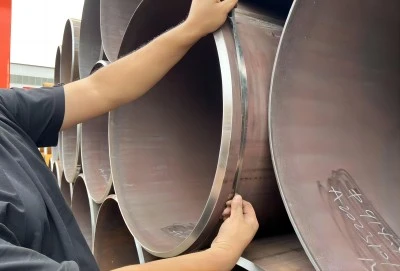
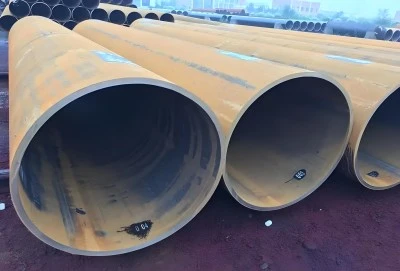
Precision in manufacturing ensures consistent dimensions across large-diameter, heavy-wall designs where smooth options are either too expensive or technically impossible to make. Bevel tips are designed to work better with welds because they have exact angles and land sizes that make it easier to do full entry welds. ASTM A672/A672M quality standards say that the longitudinal weld must be x-rayed 100% of the time for most high-pressure classes. This gives procurement professionals proof that the weld is solid. The electric-fusion-welding (EFW) process makes longitudinal seams with a high level of integrity that can match or beat the mechanical properties of the base material.
Comparing ASTM A672 C60 Pipes with Other Pipe Grades
Project procurement managers can make data-driven choices about where to get materials that meet both technical and financial needs when they know how this standard stacks up against other materials.
ASTM A672 C60 versus ASTM A671 CC60
Both standards are based on the same base material, ASTM A516 Grade 60 plate, but they are used for very different things. ASTM A672 C60 pipe is used for high-pressure work at moderate temperatures. It has stricter heat treatment standards to make sure it can hold pressure. On the other hand, A671 is designed for use in atmospheric and lower-temperature situations where service conditions are not as strict. The testing methods are very different. A672 calls for weld samples to be taken from 500-foot lengths of pipe, with options for resampling if the first tests fail. On the other hand, A671 calls for samples to be taken from 200-foot lengths, with no resampling options. This difference is important when buying teams look at quality assurance procedures and possible project delays caused by accepting materials.
Comparison with API 5L X52 and ASTM A106
API 5L X52 line pipe is mostly used for transporting oil and gas. It has a yield strength of 52 ksi and is made in a way that makes it ideal for horizontal installation and field welding. ASTM A106 seamless carbon steel pipe, on the other hand, is good for moderate-temperature use but doesn't have the heavy-wall and large-diameter capabilities of electric-fusion-welded products. This is where A672 C60 comes in. It offers pressure-vessel quality material in sizes and wall thicknesses that can't be made cheaply with seamless production. The controlled grain structure and heat treatment flexibility (Classes 10, 11, 12, 22) make it possible to customise to specific design rules. This gives engineering companies more options than standard grades can provide.
Cost-Efficiency Analysis for Large-Scale Projects
When a project needs large-diameter, thick-wall pipe and seamless options would cost too much and take too long to make, ASTM A672 C60 is the most cost-effective choice. The EFW manufacturing process achieves economies of scale that lower the price per tonne for large orders, and the bevel end preparation eliminates the need for extra machining during installation, saving money. This cost-performance ratio is useful for structural engineers, especially when they are designing systems where the extra cost of materials leads to measurable cost savings in maintenance over time and higher safety margins.
Procurement Considerations for ASTM A672 C60 Pipe With Bevel End
When looking for these speciality lines, you need to do more than just compare prices. Procurement managers have to look at a lot of different factors that affect the total cost of ownership and the time it takes to complete a job.
Certification and Quality Assurance
Real ASTM A672 C60 pipe material comes with a lot of paperwork, like Mill Test Certificates (MTC), reports from x-rays, and records of the heat treatment process. A supplier's ISO 9001 certification shows that they are dedicated to quality management systems, while API 5L certification (which does not directly apply to A672) shows that they are skilled in a wider range of industrial processes. Engineering companies like suppliers who give full Inspection and Test Plans (ITP) and Manufacturing Procedure Specifications (MPS). This is because these papers make it easier for project partners and regulatory bodies to give their permission. Traceability from where the raw materials come from to where the finished goods are sold makes sure that everyone is responsible and makes it easier to find the root cause of problems in the field.
Supply Chain Reliability and Lead Times
The availability of both welded configurations has a big impact on the schedule for the project. Lead times for large orders are usually between four and eight weeks, but they vary on the diameter, wall thickness, and heat treatment class. Suppliers with a large selection of different sizes in stock can speed up delivery for pressing needs, while make-to-order suppliers may be able to offer more customisation at the cost of longer lead times. International export rules, such as those about customs paperwork and shipping logistics, add more factors that procurement teams need to think about when they are planning. Schedule changes are less likely to happen when you have strategic partnerships with your suppliers that put communication and proactive order management first.
Pricing Structures and Order Quantities
Minimum order quantities (MOQ) are very different between manufacturers. Some need full truckloads or containers, while others will work with smaller lot sizes for a higher price. Volume-based price levels encourage buying in bulk, which gives procurement managers chances to get better deals when coordinating needs across multiple projects. The higher cost of raw materials for Series C steel plate compared to Series A or B options usually makes up 8 to 15 percent of the total cost of the pipe. However, this difference becomes smaller when you consider the longer service life and lower failure risk in important applications.
Applications and Industry Use Cases of ASTM A672 C60 Pipes with Bevel End
Real-life usage examples show why pipeline engineers and plant equipment managers choose this grade for tough settings where the performance of the material has a direct effect on safety and profits.
Power Generation Infrastructure
In thermal power plants, the main steam pipes that are subject to high temperatures and constant pressure work under conditions that would wear down less durable materials. The structural stability of ASTM A672 C60 pipes stays the same even after decades of use because they have a high creep resistance that stops dimensions from changing in a way that could lower system efficiency. The bevel end configuration makes sure that there are full-penetration welds that eliminate any possible leak paths. This is an important requirement because failing steam systems can have disastrous effects. This material has been proven to be reliable in base-load and peaking production plants by large utility projects in Australia, the Middle East, and North America.
Petrochemical and Refining Operations
In chemical plants and factories, high-temperature reactor pipe deals with aggressive process streams at high temperatures, which speeds up the breakdown of materials. Hydrogen-induced cracking (HIC) is a common way for hydroprocessing units to fail. Series C steel plate's controlled grain structure makes HIC less likely to happen. The material is resistant to thermal wear, so it keeps its mechanical qualities even after being started up and shut down many times. This is useful for key pressure-bearing process lines that need to last a long time. For certain uses, like distillation column interconnects and high-pressure tank pipes, the right material must be chosen based on its strength, temperature capability, and weld integrity.
Midstream Energy and Compressor Stations
Heavy-wall gas transfer lines and compressor station pipes need to be very hard to break so they don't break easily in cold climates. This problem is solved by the fact that A672 C60 has stable impact toughness across a wide range of temperatures. Also, the high-integrity longitudinal welds make sure that the pipe body and seam weld have the same mechanical qualities. Bevel ends make field welding easier, which means faster installation schedules and lower labour costs. Procurement managers who are in charge of building pipelines in tough environments like them.
Conclusion
Choosing an ASTM A672 C60 pipe provider that can provide certified quality, full paperwork, and reliable logistics is a strategic buying choice that affects the timeliness of projects, the safety of operations, and the long-term performance of assets. The Series C material grade is better at withstanding high temperatures and providing reliable service compared to other standards. This is why it is used in important power production, petrochemical, and midstream energy applications. Bevel end preparation speeds up installation in the field and makes sure the weld is strong, which cuts down on both labour costs and schedule risk. Knowing the technical differences between A672 and similar grades helps you make smart decisions about where to get the materials you need for your job within your budget.
FAQ
1. What distinguishes Class 22 from other ASTM A672 classifications?
The designation "Class 22" means that the ASTM A672 C60 pipe is made from "killed steel," goes through a "normalising heat treatment," and has a full x-ray of the longitudinal weld seam. For high-pressure uses, this combo gives the best grain structure refinement and proven weld stability.
2. Can these pipes serve in sour service environments?
As long as the material meets the highest hardness standards of NACE MR0175/ISO 15156 and the hydrogen-induced cracking (HIC) test, ASTM A672 C60 pipes can be used in sour environments. During sourcing, these extra requirements should be made clear in the procurement specifications.
3. How does electric-fusion-welding compare to seamless pipe manufacturing?
EFW technology makes it possible to make heavy-wall, large-diameter shapes that aren't possible with uniform methods. As required by ASTM A672/A672M standards, modern production controls make sure that the longitudinal weld matches or exceeds the properties of the base material. This is shown by radiographic and mechanical testing methods.
Partner With Longma Group for Your ASTM A672 C60 Pipe Requirements
For important high-pressure and high-temperature uses in power generation, industrial, and energy infrastructure projects, Longma Group provides approved electric-fusion-welded ASTM A672 C60 pipes. Our manufacturing methods are ISO 9001:2016 approved, and we offer value-added services like precise beveling and anti-corrosion coatings. These give procurement managers a one-stop option that makes managing the supply chain easier. You can email our technical sales team at info@longma-group.com to talk about the details of your project, get detailed quotes, or set up factory inspections that show how committed we are to quality.








