
When you're looking for pipes for harsh, high-pressure environments—especially bad service conditions where hydrogen sulfide can seriously damage the pipes' integrity—the right material standard can mean the difference between a successful operation and a costly failure. ASTM A672 C60 pipe that meets the requirements of NACE MR0175 is a well-designed option for these tough uses. This electric-fusion-welded pipe is made from premium Series C carbon-manganese steel plate and has a minimum yield strength of 60 ksi. It is also very resistant to sulfide stress cracking, which makes it essential for oil and gas transmission, refinery operations and building offshore platforms where safety and dependability are paramount.
|
|
|
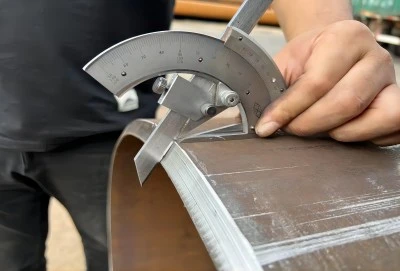
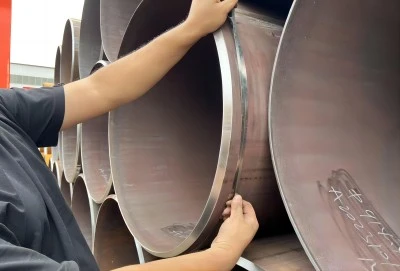
Understanding ASTM A672 C60 Pipe and NACE MR0175 Compliance
What Makes ASTM A672 C60 Special?
Electric fusion welding (EFW) is used to make ASTM A672 C60 pipe from pressure vessel quality plate that meets ASTM A516 Grade 60 standards. The letter "C" means that Series C premium carbon-manganese base steel plate is being used. This type of plate is more pure than Series A and B options. This steel plate is very clean and has smaller grains and fewer flaws, which makes it better at resisting creep and oxidation at high temperatures.
The chemical makeup is carefully managed to make it easier to weld while keeping the structure strong. Depending on the width of the wall, the carbon content stays between 0.21 and 0.27%, and the manganese content stays between 0.60 and 1.20%. This balance makes sure that the material is easy to weld and tough at the notch, which is important for keeping the joint's integrity in harsh working settings. The pipe's tensile strength is between 415 and 550 MPa, and its yield strength is at least 413.7 MPa. This means it can hold a lot of pressure.
NACE MR0175: The Sour Service Standard
NACE MR0175, which is now part of ISO 15156, sets strict material requirements for tools used in the natural gas, petrochemical, and oil industries where hydrogen sulfide is present. This standard talks about three types of failures—sulfide stress cracking (SSC), hydrogen-induced cracking (HIC), and stress-oriented hydrogen-induced cracking (SOHIC)—that can cause huge breaks in bad service conditions.
In order to meet the standards of NACE MR0175, you have to carefully choose the materials you use, control the manufacturing processes, and follow strict testing methods. To keep carbon steel parts from being susceptible to SSC, the standard sets maximum hardness limits, which are usually 22 HRC (Rockwell C scale). According to NACE TM0284, the material must go through HIC testing and show that the crack length ratio (CLR), crack thickness ratio (CTR), and crack sensitivity ratio (CSR) are all below certain levels.
How ASTM A672 C60 Meets NACE Requirements
To use ASTM A672 C60 pipe that meets NACE MR0175 standards, you need to pay close attention to manufacturing factors and quality control. The pipe goes through certain heat treatment classes. Usually, Class 22 is used, which involves restoring the normal shape of killed steel and then taking a full x-ray of all the longitudinal welds. This heat process smooths out the grain structure, makes the metal tougher, and makes sure the hardness stays within safe limits.
When NACE compliance is required, material traceability is very important. Each piece of pipe must be linked to its original mill test papers, which list the chemical make-up, mechanical qualities, and heat treatment conditions. HIC tests certificates show that the pipe is resistant to damage caused by hydrogen, and hardness studies show that the pipe body and heat-affected areas are within the maximum hardness limits.
Technical Specifications and Performance Comparison
Dimensional Standards and Tolerances
ASTM A672 pipes come in standard pipe sizes from 10 inches to 72 inches in diameter, and for high-pressure uses, the wall thickness can go up to several inches. The outside width, wall thickness, and length limits for manufacturing are based on ASTM standards. Standard lengths are usually between 20 and 40 feet, but different lengths can be made if needed for transportation reasons or the needs of the project.
The electric-fusion-welding method makes it possible to make heavy-wall, large-diameter pipes that would be too expensive or technically impossible to make as seamless pipes. When it comes to specifying trunk lines, compressor station piping, and offshore platform interconnects where large diameters and pressure ratings meet, this feature is especially useful for pipeline engineers and procurement managers.
Mechanical Properties and Heat Treatment Classes
ASTM A672 C60 pipe has mechanical properties that go beyond its basic strength values. These properties include toughness, ductility, and thermal stability. Impact toughness, which is tested with Charpy V-notch tests, shows that the pipe can keep from breaking easily at service temperatures. Stable impact toughness over a wide temperature range provides consistent performance after repeated thermal cycling, which happens a lot in steam service and process uses that start up and shut down many times.
The ASTM A672 standard includes different heat treatment classes that let you fit the properties of the material to the needs of the design. In Class 10, the furnace is normalized but not relieved of stress. This level of service is good for mild circumstances. After welding, Class 12 adds a stress release heat treatment. This lowers any remaining stresses that could lead to stress corrosion cracks. Class 22, which includes both normalization and a full x-ray check, is the highest quality level and is suitable for high-pressure, critical uses and sour service settings.
Performance Comparison with Alternative Specifications
When comparing different types of materials, knowing the relative benefits helps make specifications better. ASTM A53 Grade B is less expensive, but it's not as strong (minimum yield of 240 MPa vs. 413.7 MPa for C60) and doesn't meet the standards for pressure vessel quality plates. API 5L Grade X60 is also very strong, but it's made for line pipe applications, which have different requirements for testing and manufacturing.
There is a trade-off between strength and toughness between ASTM A672 C60 and C70. While C70 has a higher yield strength (485 MPa minimum), C60 is better at being welded and tough against impact, which makes it safer for uses where preventing brittle fracture is more important than increasing tensile strength. The smaller grain structure of Series C material makes it more resistant to high-temperature creep and oxidation than Series A and B grades with the same strength. This makes the higher cost of the raw material worth it because it lasts longer in important uses.
Practical Applications and Case Studies
Industries and Environments Where C60 Excels
ASTM A672 C60 pipe that meets NACE MR0175 standards is used in many important businesses. In the transfer of oil and gas, the pipe handles sour fuel and sour gas, which need materials that can handle high levels of hydrogen sulfide. When building an offshore platform, these pipes are used for important process systems that can't fail because they could shut down production and pose safety risks. Chemical and refinery plants use C60 pipe in main steam systems, high-temperature reactor pipes, and distilling column interconnects because it can withstand temperatures up to 425°C for a long time.
This grade is required by power plants for the main steam and reheat pipes in thermal power plants where there is steady pressure and thermal cycles. The good weldability and stable impact toughness over a wide temperature range make sure that the performance stays the same during startup, full-load operation, and shutdown. The finer internal grain structure provides better high-temperature creep resistance, which increases the service life in situations where high temperatures are combined with long-term mechanical stress.
Real-World Performance and Longevity
Performance records in sour service applications show the value of materials that are properly defined. In places with a lot of H2S, compressor stations have been running for decades with NACE-compliant pipes that haven't shown any signs of sulfide stress cracking, while nearby equipment made from materials that weren't compliant broke down early, needing expensive repairs and more downtime.
Chemical processing plants have said that maintenance intervals are longer when ASTM A672 C60 with NACE compliance is used for important process lines. The better long-term service reliability cuts down on unplanned shutdowns, lowers the cost of emergency repairs, and raises the safety performance of the whole plant. The premium material is more expensive than its Series A and B counterparts in terms of raw materials, but when you add up the costs of installation, upkeep, and repair, the premium material always comes out on top for long-lasting uses.
Installation and Maintenance Best Practices
Paying attention to how ASTM A672 C60 pipe is installed is important for getting the most out of its rust protection and service life. As required by the codes, welding procedures must be qualified, and the preheat temperature, interpass temperature, and post-weld heat treatment must be carefully controlled. For a welder to be qualified, they should be able to show that they can make good welds that meet strength limits and impact toughness standards.
Monitoring for early signs of decline is a big part of ongoing upkeep. Welds and heat-affected areas are checked for continued compliance with NACE limits by hardness surveys that are done on a regular basis. Ultrasonic thickness readings keep track of any wall loss caused by rust or erosion inside the wall. Visual inspections show any external corrosion, coating wear, or mechanical damage that needs to be fixed. Performing these maintenance tasks helps keep things resistant to corrosion and makes sure they will work reliably for a long time in harsh environments.
Conclusion
ASTM A672 C60 pipe that meets the standards of NACE MR0175 is a well-thought-out option for situations where maintaining the integrity of the pressure containment system and resistance to rust cannot be compromised. Premium Series C steel plate, controlled manufacturing processes, thorough testing, and full certification all work together to make sure that the material will work reliably in harsh service environments. The starting cost of the materials is higher than normal carbon steel alternatives, but the overall cost of installation, operation, upkeep, and replacement shows that the right design is the smart choice from an economic point of view. For important projects in the oil and gas, chemical processing, power generation, and industrial sectors, buying from certified manufacturers with proven skills, quality systems, and technical support is the only way to make sure they are completed successfully.
FAQ
1. What distinguishes ASTM A672 from A671 specifications?
ASTM A672 is for high-pressure service at moderate temperatures and has stricter heat treatment requirements. A671 is for atmospheric service and lower temperatures. Pipes like A672 C60 and A671 CC60 may be made from the same base plate materials and have similar final mechanical properties, but they need to be tested in very different ways. As a result of the more critical nature of high-pressure service uses, A672 requires weld samples to be taken from 500-foot lengths of pipe, with the option of resampling if the first samples fail. On the other hand, A671 only allows samples to be taken from 200-foot lengths.
2. Can this pipe grade be used in seamless configurations?
ASTM A672 only talks about electric-fusion-welded pipe made from plate material, not pipe that is made without any seams. The types of seamless carbon steel pipes that are the same would be in line with ASTM A106 or A53. The EFW method of manufacturing lets you make pipes with big diameters and thick walls that would be too expensive or technically impossible to make as seamless pipes. This makes A672 very useful for high-pressure, large-diameter applications.
3. What does Class 22 designation signify?
Class 22 in the ASTM A672 standard means that the pipe is made from killed steel that has been normalized, and the lengthwise weld has been x-rayed 100% of the way. This rating means that the quality must meet very high standards and be suitable for very important high-pressure tasks where weld stability is very important. The normalization heat treatment smooths out the grain structure and makes the metal stronger. A full x-ray check makes sure that the weld is sound along the whole length of the pipe.
Partner with Longma Group for Your ASTM A672 C60 Pipe Requirements
Longma Group is a reliable ASTM A672 C60 pipe supplier that has been making high-integrity welded pipe for important uses around the world for more than 20 years. We can make things that meet all of ASTM A672's requirements, such as Class 22 heat treatment and NACE MR0175 compliance testing. With a production capacity of more than 1,000,000 tonnes per year and a wide range of certifications, such as API 5L and ISO 9001, we provide the quality security and supply stability that big projects need. Our technical team works with engineers and procurement managers to make sure that the material specifications exactly match the needs of the application. Our full documentation packages also make it easier to check the quality of the project. Email our team at info@longma-group.com to talk about your specific project needs and find out how working with an expert supplier can lower the risk of buying things and make sure they work well in your toughest situations.








