
ASTM A691 3Cr pipe is an electric fusion welded alloy steel pipe specifically engineered for demanding industrial heating systems where reliable performance under extreme conditions is non-negotiable. Manufactured with approximately 3% chromium alloy steel plates and subjected to rigorous post-weld heat treatment, this specification delivers the strength, corrosion resistance, and thermal stability essential for high-temperature, high-pressure operations. Procurement managers and project engineers working across petroleum refining, power generation, and petrochemical facilities understand that selecting the right piping material directly impacts operational safety, system longevity, and total cost of ownership. This guide delivers practical insights into material specifications, application scenarios, quality benchmarks, and procurement strategies, empowering B2B professionals to make informed decisions that optimize both performance and budget. Whether you're sourcing for a new plant installation in the Middle East or retrofitting equipment in Southeast Asian facilities, understanding the technical and commercial aspects of this alloy pipe class is crucial to project success.
|
|
|
Understanding ASTM A691 3Cr Pipe – Chemical, Mechanical, and Dimensional Essentials
The ASTM A691 3Cr pipe standard describes electric-fusion-welded steel pipe that is meant to be used in high-pressure situations at normal temperatures. The ASTM A691 3Cr pipe designation means that the alloy has about 3% chromium in it. Adding chromium changes the way the material reacts to stress and exposure in a fundamental way, making it more resistant to oxidation and more stable mechanically than regular carbon steel.
Chemical Composition and Alloying Strategy
When the ASTM A691 3Cr pipe is exposed to high temperatures, the limited amount of chromium creates a protective oxide layer on the surface. This slows down rusting by a large amount and increases the service life in places up to 1,100°F. In addition to chromium, common compositions include manganese to make the metal harder, silicon to remove oxygen, and trace elements that are carefully balanced to make the metal easier to weld while still maintaining its mechanical integrity. This exact method of alloying makes it possible for the material to withstand sulfur-containing gases and toxic chemicals that are common in refinery hydrocracking units and catalytic reforming operations.
Mechanical Properties and Performance Parameters
ASTM A691 3Cr pipe must go through a post-weld heat treatment to make sure that any residual stresses are removed and the mechanical properties meet the requirements. Depending on the heat treatment class, the normal tensile strength is between 60,000 and 85,000 psi, and the yield strength is high enough to meet pressure vessel codes. Controlling the hardness is very important, and the highest value that is usually allowed is 225 HBW to keep things from breaking and to keep the ability to be welded in the field. Charpy V-notch impact testing confirms low-temperature hardness, showing that the material won't break easily even when temperatures change or when operations are interrupted.
Dimensional Standards and Manufacturing Tolerances
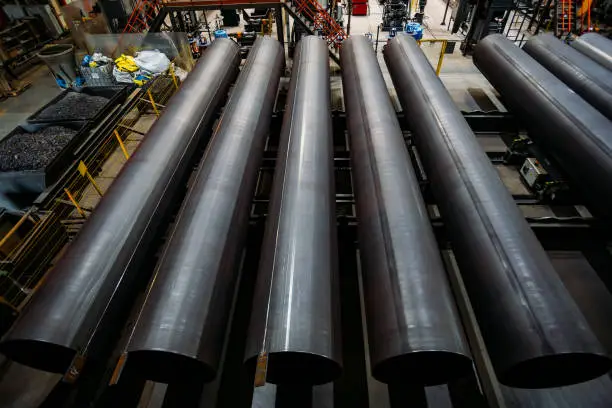
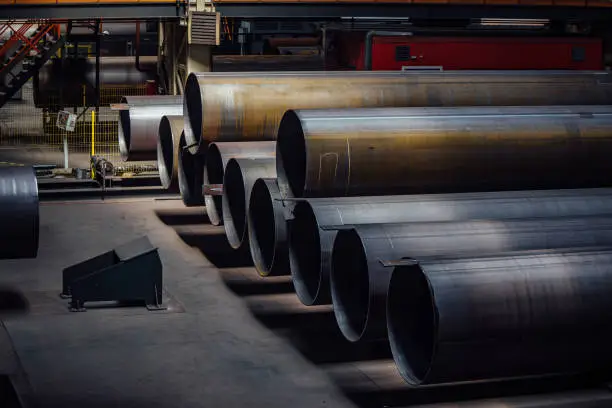
With electric fusion welding, thick walls on ASTM A691 3Cr pipes with big diameters (often 24 inches or more) can be made, which would be technically difficult or too expensive to do with smooth manufacturing methods. ASTM standards are used to set the tolerances for wall thickness, the outside diameter, and the straightness requirements. This makes sure that the parts can be used with flanges, fittings, and other system parts. Lengths offered usually run from 20 to 40 feet per pipe segment, but custom lengths can be made by working with the mill to avoid having to weld as much in the field and save money on installation labor.
Applications and Benefits of ASTM A691 3Cr Pipe in Industrial Heating Systems
Industrial heating systems need materials that can keep working even when they are under a lot of heat, changing pressure, and chemically harsh conditions. The ASTM A691 3Cr pipe metal makeup solves these problems in a number of high-stakes situations where failure would have major safety and financial effects.
Primary Application Scenarios in Process Industries
Power generation facilities use ASTM A691 3Cr pipes a lot in their main steam lines and reheat systems. The long-term dependability of these pipes depends on how resistant the material is to creep. The added chromium makes fossil fuel plants work better when they're close to their design temperature limits. This means that inspections and unplanned maintenance shutdowns happen less often. In the hydrocracking and hydrotreating units of oil plants, where hydrogen is present in large amounts, ASTM A691 3Cr pipes are used because they are very resistant to hydrogen embrittlement. The material is good for petrochemical complexes because it can handle sulfur compounds and acidic condensates. This is especially useful in ammonia synthesis plants and large-scale heat exchanger networks that are constantly exposed to harsh chemicals.
Performance Advantages Over Alternative Materials
Compared to regular carbon steel, ASTM A691 3Cr pipes have much better resistance to oxidation. This means that they don't need to be inspected as often and their lifespan costs are lower, even though the initial cost of the materials is higher. The ASTM A691 3Cr pipe specification is a cost-effective alternative to higher-alloy stainless steels for uses that don't need full stainless corrosion resistance but need more than what carbon steel can do. The electric fusion welding process makes it possible to make large-diameter, heavy-wall shapes for a lot less money than seamless pipe alternatives. This means that budget-conscious projects can afford complicated piping systems without sacrificing safety or performance standards.
Documented Performance in Global Projects
A big oil refinery in Australia that works with the MOBIL OIL AUSTRALIA project has been using ASTM A691 3Cr pipes in high-temperature service for more than twenty years with no problems. Inspection records show that the pipes have had very little wall loss and no pressure boundary failures. Similar systems in Middle Eastern factories have shown that they work reliably in temperatures above 120°F, where outside factors make interior thermal stresses even higher. These real-life validation cases give procurement teams faith that ASTM A691 3Cr pipe that is properly defined and made will work as promised in a wide range of operating conditions and locations.
How to Choose the Right ASTM A691 3Cr Pipe For Your Industrial Heating Needs?
To choose the right ASTM A691 3Cr pipe, you have to weigh technical needs against practical issues. Buying choices are affected by things like working conditions, source skills, regulatory compliance, and overall cost.
Technical Specification and Performance Evaluation
Before you start the selection process, you should be clear on the working parameters, such as the maximum and minimum service temperatures, the design pressure ratings, the fluid makeup (including any corrosive elements), and how often the temperature is expected to change. Depending on these factors, either Class 22 (normalized and tempered) or Class 42 (quenched and tempered) heat treatment is needed. This is because each class has different mechanical property profiles that are best for different service conditions. Charpy impact requirements become very important for installations in cold places or systems that cool down quickly, because tough materials keep catastrophic brittle fractures from happening.
Supplier Qualification and Quality Verification
Manufacturers with a good reputation have full quality management systems that are certified to ISO 9001 standards. Some certifications, like API, show that the products can be used in pressure piping applications. Factory inspections should make sure that the raw materials come from well-known steel mills. Using materials from Shagang, HBIS, or similar companies guarantees stable chemical and mechanical properties. Check to see if the maker has the right testing tools for chemical analysis, mechanical testing, non-destructive examination, and 100% radiographic testing of longitudinal welds. Using PMI analyzers for positive material identification gives you extra peace of mind that the chromium content meets the requirements, which keeps you from mixing up materials during fabrication, which can be very expensive.
Commercial Considerations and Risk Management
It should be clear in price quotes how much materials cost and how much fabrication services cost. This way, you can compare suppliers who use different manufacturing methods. Large-diameter pipe orders often qualify for volume discounts, but procurement teams have to weigh the savings in unit costs against the costs of keeping inventory and the project's cash flow needs. Lead time commitments become important parts of construction schedules. Check with suppliers about their production capacity and the number of orders they already have to see if they can give you a realistic delivery date. Support after the sale, such as tracking documentation for materials, extra testing upon request, and technical advice during installation, adds a lot of value above and beyond the purchase price. This is especially true for large, complicated projects that span multiple continents.
Conclusion
ASTM A691 3Cr pipe is a tried-and-true option for industrial heating systems that need to work reliably in harsh temperature and pressure conditions. The added chromium gives the material better resistance to rust and mechanical stability, which increases its service life while keeping its cost-effectiveness compared to higher-alloy options. A successful procurement depends on detailed technical specifications, qualified suppliers, and business negotiations that are based on knowledge of the market and quality control standards. Longma Group can manufacture, has many certifications, and has a history of success on foreign projects. This makes us a trusted partner for B2B workers who need to buy pipes in complex global markets.
FAQ
Why does ASTM A691 3Cr pipe work well in heating systems for businesses?
The 3% chromium content makes an oxide layer that protects against oxidation at high temperatures up to 1,100°F. A post-weld heat treatment makes sure that the weld is strong and has the right mechanical properties for long-term pressure service. This mix covers the main reasons why industrial heating systems break down.
How does the resistance to rust of ASTM A691 3Cr pipe compare to that of stainless steel?
While stainless steels are better at resisting rust in some conditions, ASTM A691 3Cr pipe is better for situations that don't need full stainless performance because it protects well enough against oxidation and sulfur-containing atmospheres at a much lower cost.
Which certifications should buyers look for most when they're sourcing?
An ISO 9001 quality management certification gives you basic peace of mind, while an API certification shows that you know how to work with pressure pipes. For engineering approval and government compliance, it is necessary to have material test papers that show the chemical makeup, mechanical properties, and results of non-destructive testing.
In real life, what makes EFW different from seamless pipe?
Electric fusion welding makes it cheaper to make large-diameter, heavy-wall pipes than seamless pipes. The right PWHT makes sure that the properties of the weld zone fit the properties of the base material for pressure uses.
Partner with a Trusted ASTM A691 3Cr Pipe Manufacturer
Longma Group offers complete ASTM A691 3Cr pipe options, backed by 20 years of manufacturing quality and project knowledge around the world. Our combined production plants get their raw materials from top steel mills like Shagang, HBIS, and Bao Steel. This makes sure that the chemistry and mechanical properties are always the same and meet the strictest requirements. We offer full traceability paperwork and customizable manufacturing services, such as end treatments and anti-corrosion coatings, and are certified in ISO 9001, API 5L, and environmental management. Purchasing managers and project engineers looking for a dependable ASTM A691 3Cr pipe supplier can take advantage of our technical support, low prices, and history of on-time deliveries in over 90 countries. Email our team at info@longma-group.com to talk about your project needs and get a thorough quote that is tailored to your requirements and delivery timeline.