
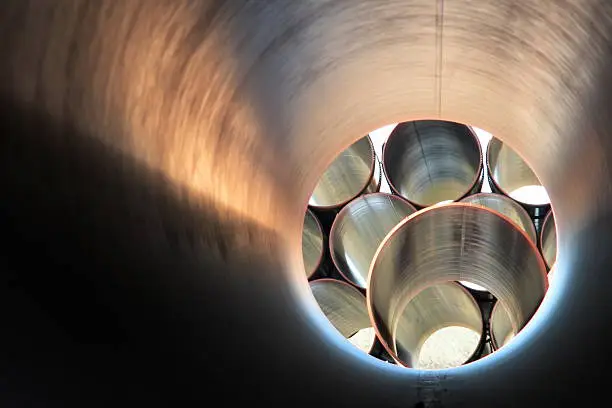
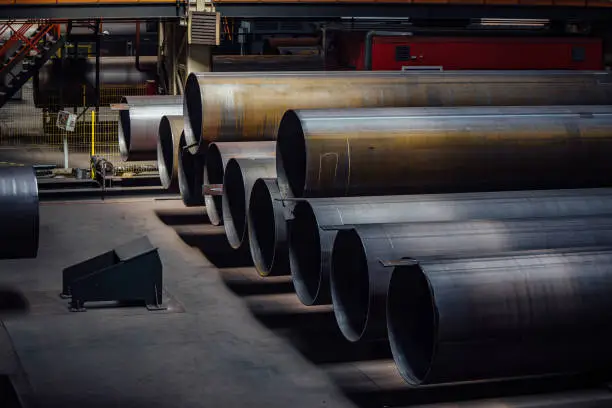
When it comes to sourcing reliable alloy steel piping for high-pressure, high-temperature service, ASTM A691 5Cr pipe stands out as a proven solution. Manufactured through electric-fusion-welding (EFW) using approximately 5% chromium alloy steel plates, this pipe grade offers exceptional heat resistance and long-term durability in demanding industrial environments. Paired with Fusion Bonded Epoxy (FBE) coating, these pipes deliver superior corrosion protection, extending operational life across oil refineries, thermal power plants, and hydroprocessing units. At Longma Group, we specialize in producing these high-performance pipes backed by stringent quality controls and comprehensive certifications, meeting the critical needs of procurement managers and engineering contractors worldwide.
|
|
|
Understanding ASTM A691 5Cr Pipe: Composition, Properties, and Standards
The technical base of ASTM A691 5Cr pipe is its carefully controlled chemical make-up and manufacturing standards. This special metal has between 4.00 and 6.00% chromium to prevent oxidation and between 0.45-0.65% molybdenum to improve creep strength when exposed to high temperatures for a long time. In contrast to seamless options like ASTM A335 P5, the EFW manufacturing process makes it possible to make large-diameter pipes with custom wall thicknesses that would be technically difficult or too expensive to make using seamless methods.
Chemical Composition and Heat Treatment
The alloy's balanced chemistry makes sure that it always works well in tough situations. The carbon percentage is usually between 0.10 and 0.20%, which makes it easier to weld while still being strong enough. Manganese (0.30-0.80%) makes things harder and counteracts the bad affects of sulfur. Post-weld heat treatment (PWHT) is still needed to soften the martensitic structure that forms during welding so that the end product is both flexible and tough.
Mechanical Properties and Performance Parameters
The minimum tensile strength is 60 ksi (415 MPa), and the minimum yield strength is 30 ksi (205 MPa). However, the real numbers often go above and beyond these limits. The material stays structurally stable even when heated and cooled many times. In gauge length testing, the elongation values usually go over 20%. Because of these features, the pipe can handle sudden changes in pressure and temperature that happen in industrial operations and power plant steam systems.
Class Designations and Certification Requirements
ASTM A691 uses a Class system (like Class 12, 22, or 42) to describe how to heat treat things and how they must be examined without damaging them. Class 22, which is often used for 5Cr applications, requires that longitudinal welds go through a normalization and tempering heat treatment as well as 100% radiographic testing. Manufacturers have to give full Material Test Certificates (MTC) that include records of chemical analysis, mechanical tests, heat treatment settings, and non-destructive examinations. Our quality management system at Longma Group is certified by ISO 9001, and we also hold API 5L certification and ISO 14001 environmental management credentials. This way, we can fully track our products from the time they are sourced to the time they are inspected for quality.
Advantages of FBE Coating on ASTM A691 5Cr Pipes for Industrial Use
While the base metal is naturally resistant to high-temperature corrosion, adding the Fusion Bonded Epoxy covering makes it even more resistant to a wide range of breakdown processes. FBE coating technology has changed the way pipelines are protected because it is better at sticking to surfaces, being tough, and being resistant to chemicals than older coating systems. When thermosetting epoxy powder melts, it chemically links to the hot pipe surface, making a barrier that is usually 250 to 500 microns thick. This is called fusion bonding.
Before getting into the specific benefits, it's important to know why FBE technology has become the go-to solution for safety on big industrial projects. Because of how well the coating works, upkeep costs go down, service times get longer, and safety margins get bigger in important infrastructure applications:
- Extended Service Life Through Corrosion Prevention: The FBE layer is very strong against soil-side rust, chemical attack from process fluids, and cathodic disbondment. Field data from offshore platforms and buried pipeline systems shows that if properly applied and maintained, service life extensions can last longer than 30 years. This is a big improvement over traditional coating systems in harsh environments.
- Thermal Performance and Adhesion Stability: The covering stays intact from -40°C to 110°C, including changes in temperature that cause it to expand and shrink without cracking or peeling. This thermal stability is very important for steam heads and hot oil transfer lines, whose surface temperatures change when they are turned on and off.
- Impact Resistance and Mechanical Protection: The FBE covering is very resistant to damage caused by mechanical forces during shipping, handling, and installation. The crosslinked polymer structure can handle hits that would damage coats that are easily broken. This means that the protective integrity stays the same even when pipes are bent or aligned in the field.
- Rapid Application and Quality Assurance: Modern FBE application facilities can coat more than 15 meters per minute while keeping the thickness under control. Automated electrostatic spray systems make sure that the surface is evenly covered, and before the pipes leave the production line, inline inspection equipment checks for holidays, adhesive, and thickness in real time.
All of these benefits add up to measured value throughout the duration of a project. Our combined coating plant at Longma Group uses FBE with automatic methods that meet industry standards, such as ISO 21809-1 for exterior coatings. As part of our quality control process, we test the peel strength (at least 100 N/cm), look for holidays at 2.5 kV per millimeter of covering thickness, and clean the whole surface to SA 2.5 cleaning grade. Non-destructive testing methods check the integrity of the coating without damaging the protective barrier. This makes sure that every ASTM A691 5Cr pipe meets the requirements before it is shipped.
Comparing ASTM A691 5Cr Pipes with Alternative Pipe Grades and Materials
Knowing how ASTM A691 5Cr pipe works compared to other materials is very helpful when making decisions about what to buy. Several grades of alloy can be used in high-temperature situations, but each has its own pros and cons based on how it is made, its chemical makeup, and its price.
ASTM A691 5Cr versus ASTM A335 P5 Seamless Pipe
Even though both materials have similar chemistry, buyers can tell them apart by how they are made. Because it doesn't have any longitudinal welds, ASTM A335 P5 seamless pipe should be better for uses that need to control pressure. However, diameter and wall thickness limits mean that seamless manufacturing isn't always possible. For example, it's hard to find tubes larger than 24 inches in diameter. This problem can be solved with ASTM A691 5Cr welded pipe, which makes it possible to make large-diameter systems needed for major steam lines and reactor outlet pipes when seamless options are not available or are too expensive.
Comparison with Carbon Steel and Stainless Steel Alternatives
Carbon steel lines, like API 5L Grade B, are cheaper at first, but they can't handle oxidation and sulfidation at high temperatures well. When used in refineries where temperatures are higher than 400°C, carbon steel corrodes more quickly and needs to be replaced more often. On the other hand, austenitic stainless steels (304, 316) are very good at resisting corrosion, but they cost a lot more and can't handle as much stress at high temperatures.
The 5% chromium alloy is the best of both worlds because it performs at high temperatures similar to low-grade stainless steels while keeping costs close to carbon steel, with alloy prices usually 40–60% lower than austenitic grades. This balance between cost and efficiency is what makes it so popular in the petrochemical and power production industries, where project profits require value optimization.
Performance in Sour Service Environments
ASTM A691 5Cr pipe is resistant to hydrogen-induced cracking and sulfide stress corrosion in sour service environments as long as it is heat-treated and hardness-controlled properly. To meet the standards of NACE MR0175/ISO 15156, materials must have maximum hardness limits (usually 22 HRC) and extra impact tests must be done at certain temperatures. These factors must be written down in the material certification so that qualified goods can be told apart from normal production that might not meet sour service requirements.
Conclusion
In demanding industry settings, picking the right pipe material and protective coating system has a direct effect on project performance, running costs, and safety margins. It has been shown that ASTM A691 5Cr pipe with an FBE finish works well in high-temperature, high-pressure settings where regular carbon steel doesn't work or where stainless steel options are too expensive. When you do strategic procurement, you need to carefully evaluate suppliers, look over all of their documentation, and check how well they can provide technical support. Procurement workers get reliable materials that meet project requirements and maximize lifecycle value by working with qualified makers who uphold strict quality standards and full certifications.
FAQ
Why is ASTM A691 5Cr pipe preferred for high-temperature applications?
The 5% chromium presence makes it more resistant to oxidation and stronger at high temperatures than carbon steel. It also keeps its mechanical qualities when exposed to high temperatures for a long time. Adding molybdenum makes the material more resistant to creep, which means it can handle constant high-pressure steam and process fluids without deforming too much over long periods of time.
How does FBE coating durability compare to uncoated pipe?
The FBE coating greatly increases the service life by protecting against both external corrosion from the environment and internal attack from process fluids. Field performance data shows that FBE-coated systems can last more than 30 years in harsh environments, while uncoated steel would need to be replaced every 10 to 15 years. This means that, even though the initial investment is higher, the overall cost savings are much higher over the life of the system.
What certifications should buyers request from suppliers?
Documents that are needed include Material Test Certificates with full chemical analysis and mechanical testing results, manufacturing procedure specifications, dimensional inspection reports, heat treatment records that show time-temperature profiles, non-destructive examination records that explain radiographic film interpretation, and coating inspection reports that show test results for thickness, adhesion, and holiday. ISO 9001 certification and API monogram licensing give you even more peace of mind about the control of the manufacturing process.
Partner with a Trusted ASTM A691 5Cr Pipe Manufacturer
Longma Group has been making alloy steel pipes for 20 years and has worked on big projects all over the world, including in the Middle East, Australia, and Southeast Asia. We can make large-diameter EFW pipes, use modern heat treatment facilities, and have integrated FBE coating lines. All of these are backed by ISO 9001, API 5L, and ISO 14001 certifications. We offer full paperwork packages that include ITP, MPS, and MTC. This makes sure that the project is approved smoothly and that all regulations are met.
Our focus on the customer goes beyond just selling pipes. We also offer fabrication services, technical advice, and support after the sale that is specifically designed for engineering contractors and procurement managers who are in charge of large industrial projects. You can talk to our technical team at info@longma-group.com about your unique needs, get full product specs, or set up facility audits. As a top ASTM A691 5Cr pipe provider, we offer quality-assured solutions that improve project performance and help us meet tight delivery deadlines in global markets.