
When EPC companies select alloy piping for high-temperature, high-pressure service, they demand materials that deliver proven performance alongside verifiable quality. ASTM A691 5Cr pipe stands out as an electric-fusion-welded (EFW) alloy steel pipe manufactured from pressure-vessel-quality plate containing approximately 5% chromium and 0.5% molybdenum. This material addresses two persistent challenges: sourcing large-diameter seamless pipes economically and achieving superior resistance to sulfidation and hydrogen-induced cracking in refinery environments. EPC-approved suppliers combine rigorous ASTM compliance with comprehensive documentation, ensuring procurement teams receive materials that meet both engineering specifications and project timelines without compromise.
|
|
|
Understanding ASTM A691 5Cr Pipe: Specifications and Key Properties
Before you can choose the right material for your pipes, you need to know what its basic properties are and how the manufacturing process affects how well it works.
Chemical Composition and Alloy Design
The substance has between 4.00% and 6.00% chromium, which makes it very resistant to rusting even when exposed to high temperatures for a long time. The amount of molybdenum in steel is between 0.4 and 0.65%, which makes it stronger and more stable when it is heated and cooled. The amount of carbon is kept between 0.10 and 0.20% so that the metal can be welded and still be strong. This exact metal formula sets the ASTM A691 5Cr pipe grade apart from lower-chromium versions. It provides better protection in sulfur-containing media and petroleum streams, which quickly break down carbon steel.
Mechanical Performance Standards
This pipe grade has a minimum tensile strength of 60 ksi (415 MPa) and a minimum yield strength of 30 ksi (205 MPa), which is strong enough for use in pressure vessels. Most elongation values are higher than 20%, which makes sure that the material is flexible enough to handle installation loads and operating changes. As the temperature rises, the material keeps these properties even at levels where regular carbon steel would lose a lot of strength. This means it can be used continuously at temperatures close to 1050°F (565°C).
Manufacturing Process and Heat Treatment
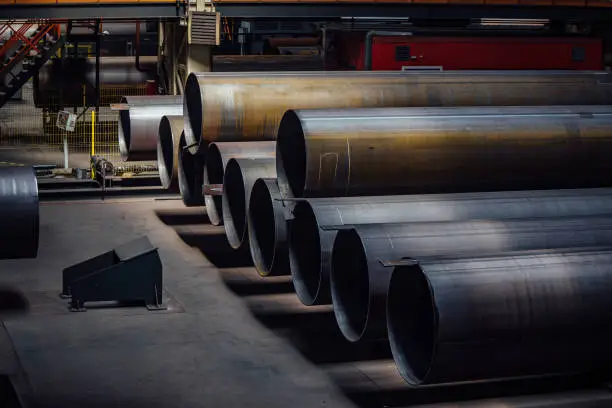
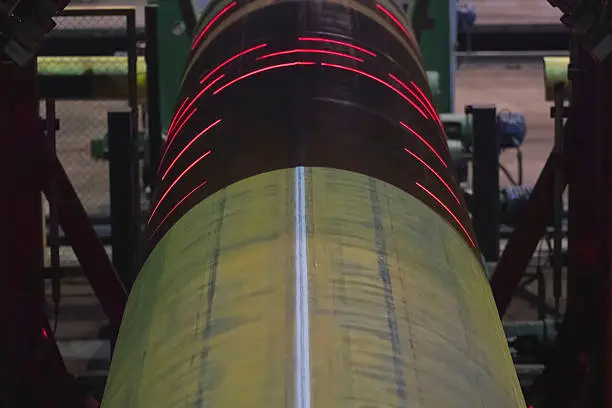
Electric-fusion welding lets you make things out of pressure-vessel-quality plate stock. This lets you make big pipes with custom wall thicknesses that aren't possible with seamless manufacturing. Post-weld heat treatment (PWHT) is still required for the 5Cr grade. It softens the martensitic structure that forms during welding so that the microstructure is uniform and the seam is flexible enough. Class markings, like Class 22 or Class 42, tell you whether the pipe needs stress-relieving treatment or full stabilization and tempering, as well as what kind of x-rays are needed. These controls in the manufacturing process make sure that all kinds of products have the same quality and work the same way.
Dimensional Standards and Pressure Ratings
The standard covers pipes with diameters from 10 mm to 48 mm and wall thicknesses of 3 inches or more, based on the pressure needs. To make sure that standard flanges and fittings work, dimensional tolerances are set according to ASTM standards for diameter, wall thickness, and straightness. Ratings for pressure depend on the temperature of service, the width of the wall, and the maximum force that is allowed by the ASME Boiler and Pressure Vessel Code. Procurement teams can use these well-known design parameters to choose pipe sizes that meet the project's pressure and temperature needs without making the costs of materials too high.
Comparing ASTM A691 5Cr Pipe with Alternative High-Performance Pipes
When buying workers know how this EFW alloy pipe stacks up against other materials, they can make better choices that balance performance needs with price limitations.
ASTM A691 5Cr vs. ASTM A335 P5
Both materials are made up of about 5% chromium and 0.5% molybdenum, which are related chemicals. The main difference is how the steels are made: ASTM A335 P5 is seamless, while ASTM A691 5Cr pipe is made by electric-fusion welding plates together. Because seamless pipe production is limited by size, it's hard to find ASTM A335 P5 in sizes bigger than 24 inches or wall thicknesses greater than 2 inches. The EFW construction of these pipes makes it possible to make heavy-wall, large-diameter piping systems for less money per ton. This is a useful choice when seamless options are too expensive or lead times get in the way of project deadlines.
Performance in High-Temperature Steam Service
Above 750°F, carbon steel pipes quickly lose their mechanical strength, which means they can't be used in high-pressure steam headers or reheat lines. The 5% chromium in A691 5Cr pipes gives them the creep-rupture strength they need to be exposed to high-pressure steam all the time. The molybdenum adds to their resistance to graphitization and fraying over time. This material fills the performance gap between cheaper austenitic stainless steels and cheaper carbon steels. It has good mechanical qualities and corrosion protection at a price range that works for many EPC budgets.
Cost-Effectiveness Considerations
When compared to seamless pipe production, the EFW process wastes less material, which means that the cost per ton for large-diameter uses is lower. By choosing A691 5Cr pipes for services where seamless construction doesn't improve functionality, project teams can save a lot of money. The material is easy to weld and can be bought from a number of certified sources. This makes the buying process fair, which helps EPC companies get better prices while still meeting quality standards.
Sourcing ASTM A691 5Cr Pipes: Procurement Considerations for EPC Companies
Strategic procurement methods that balance quality security with supply chain effectiveness are needed to carry out a project successfully.
Supplier Certification and Compliance Verification
EPC firms need suppliers with current API 5L certifications, ISO 9001 quality management systems, and ASTM product certifications for A691 materials. As part of the verification process, Mill Test Certificates (MTC) should be looked over. These show the chemical make-up, mechanical qualities, and heat treatment history for each production lot. Suppliers with a good reputation give full paperwork packages that include Inspection and Test Plans (ITP), Manufacturing Procedure Specifications (MPS), and results from non-destructive examinations that show the product meets the project requirements.
Longma Group keeps these important certifications up to date and only buys raw materials from well-known Chinese steel mills like Shagang, TISCO, and Bao Steel. This makes sure that quality is consistent from the foundry stage on. Our traceability systems keep track of materials from the plate stock all the way through to the final inspection. This gives EPC procurement teams the clear documentation they need to make sure quality and follow the rules.
Lead Times and Minimum Order Quantities
Lead times for ASTM A691 5Cr pipes are usually between 8 and 12 weeks, but they vary on the diameter, wall thickness, and number of pipes requested. While each supplier has their own minimum order quantities, most fall between 20 and 50 tons for smooth production runs. Early on in the planning phase, project managers should talk to suppliers about aligning production plans with building timelines. This way, expensive delays in the project won't happen because of a lack of materials.
Understanding these real limitations allows procurement teams to set up buying plans that balance the costs of keeping inventory with the chance of schedule changes. When project deadlines get squished or changes happen to the scope, suppliers who offer flexible minimum quantities and fast production options can be very helpful.
Value-Added Services and Fabrication Capabilities
Leading providers give more than just base pipe material. They also do fabrication work, like beveling, end-threading, and custom-length cutting, which cuts down on the work that needs to be done in the field. Anti-corrosion treatments like hot-dip galvanizing, FBE coating, and 3LPE coating make things last longer in harsh environments, protecting the money you spent on the materials in the first place. These value-added services bring together the supply chain, making it easier to coordinate and lowering the risk of quality gaps between different suppliers.
Our facilities offer a full range of manufacturing services, such as welding, perforating, and expanding, as well as a full range of anti-corrosion treatment choices. This unified method lets EPC companies get materials that are ready to be installed and exactly what the project calls for. This speeds up the building process and cuts down on the need for welding in the field.
Why EPC Companies Prefer ASTM A691 5Cr Pipe Suppliers with Proven Quality?
The relationship with the supplier goes beyond just buying things; it turns into a strategic partnership that helps the project succeed.
Quality Assurance Systems and Documentation
Trusted suppliers use strict quality control measures all the way through the manufacturing process. These include inspecting incoming materials, keeping an eye on the work in progress, and testing the finished product before shipping. Ultrasonic testing, x-ray examination, and spectroscopic analysis are examples of advanced inspection tools that check the qualities of a material against what the standard calls for. This organized method lowers the chance of getting materials that don't meet standards, which could cause expensive delays in the project or failures in the field.
Professional sellers are different from commodity dealers because their documentation is more complete. To meet project quality goals and government rules, EPC companies need thorough material traceability, test reports, and compliance certifications. Suppliers who know these paperwork requirements and send full packages with every order of ASTM A691 5Cr pipes have worked with engineering and building companies before.
Technical Support and Engineering Consultation
Suppliers with technical knowledge can help with choosing materials, writing specifications, and fixing problems on complicated projects. Knowledgeable providers can suggest the right Class labels based on the conditions of service, give advice on how to weld and choose the right filler metal, and help with figuring out the pressure-temperature rate. This way of working together helps engineering teams get the best specifications, so they don't end up with too many details that drive up costs or too few details that cut into safety margins.
Our technical team helps clients throughout the entire lifecycle of a project by giving them advice on choosing materials, suggesting welding procedures, and making sure that all the rules are followed. This knowledge is especially useful for projects with strange service conditions or that need to understand unique requirements.
Long-Term Partnership Benefits
Getting to know dependable suppliers and building relationships with them makes buying things easier for many projects. Preferred sellers know how to buy things for an organization, what standards of quality are expected, and what paperwork is needed. This makes it easier to manage repeat orders. Building trust through consistent quality and on-time delivery lets procurement teams focus on managing higher-risk parts of the supply chain instead of constantly screening new vendors.
Conclusion
To find ASTM A691 5Cr pipe for tough EPC jobs, you need to carefully look at the properties of the material, the supplier's skills, and the logistics of the supply chain. The EFW construction method makes it possible to get large-diameter, heavy-wall pipes at a low cost, which isn't possible with seamless manufacturing. A good procurement process combines technical needs with practical ones, like making sure that certifications are valid, managing wait times, and building relationships with suppliers. EPC companies get the most out of working with suppliers who provide stable quality, thorough documentation, and quick expert help throughout all stages of a project.
FAQ
What distinguishes Class 12, 22, and 42 designations?
Class numbers show the type of heat treatment and the level of inspection. Students in Class 12 get a stress-relieving treatment that includes a spot x-ray. Spot radiography is used to fully normalize and reduce Class 22. Normalization, tempering, and a 100% radiography examination are all part of Class 42, which is the top level of quality assurance. Usually, the project standards say which Class designation to use based on the seriousness of the service and the code requirements.
Can this material handle sour service environments?
Controlling the hardness of a material and making sure it meets NACE MR0175/ISO 15156 standards determine whether it can be exposed to hydrogen sulfide. ASTM A691 5Cr pipes that have been properly heat-treated and meet certain hardness limits can be used in sour environments. However, these requirements should be made clear in the project specifications, and suppliers must provide verification testing.
What welding filler metals are appropriate?
Filler metals need to be made of the same stuff as the base material. For protected metal arc welding, they usually need E8018-B6 electrodes, but other methods may need similar supplies. Matching the chemistry of the filler makes sure that the qualities of the weld metal match those of the base material. This keeps the joint's rust resistance and mechanical performance high.
Partner with a Trusted ASTM A691 5Cr Pipe Manufacturer
For twenty years, Longma Group has been making high-quality alloy steel pipes for EPC projects around the world. With more than 1,000,000 tons of production capacity yearly, full ASTM A691 certifications, and state-of-the-art heat treatment facilities, we can meet tight project deadlines without lowering quality standards. We offer EFW pipes in sizes ranging from 1Cr to 2-1/4Cr, which are used for a wide range of tasks in the industrial, power generation, and refinery industries. Our promise to provide full documentation, which includes ITP, MPS, and MTC packages, makes sure that your purchasing process goes smoothly from the quote stage to the final delivery. Get in touch with our technical team at info@longma-group.com to talk about your project's needs and get competitive quotes from a reputable ASTM A691 5Cr pipe supplier.








