
When engineering projects need very strong structures, ASTM A252 steel pipe is the best choice for foundations. These welded steel cylinders are very strong and can hold a lot of weight, thus pipeline engineers, structural engineers, and project procurement managers all over the world need them. There are three different grades in the standard, and each one is designed to provide the best load-bearing capability while also serving as permanent structural elements or forms for cast-in-place concrete foundations.
|
|
|
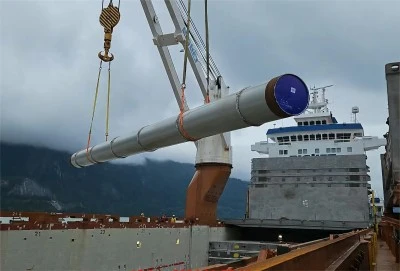
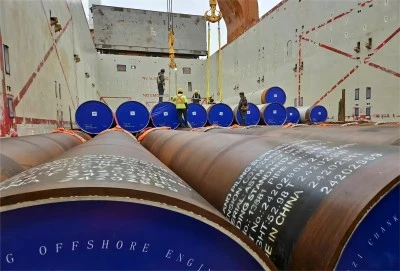
Understanding Key Parameters of ASTM A252 Steel Pipe Specifications
The ASTM A252 standard lists three important grades that affect mechanical qualities and whether or not a material is suitable for a certain use. Grade 1 has a yield strength of 30 ksi and a tensile strength of 50 ksi, which makes it good for routine foundation work. Grade 2 raises these values to 35 ksi yield and 60 ksi tensile strength, which is good for moderate load needs. Grade 3 has the best performance for demanding structural uses, with a yield strength of 45 ksi and a tensile strength of 66 ksi.
When figuring out how much weight a wall can hold, wall thickness tolerances are quite important. The specification allows for a wall thickness difference of up to 12.5%, which engineers must keep in mind when figuring out the parameters of a section. This tolerance has an effect on how to figure out how much weight a connection can hold and how to construct it. A252 doesn't have any rules about chemical composition like ASTM A500 does. Instead, it focuses on mechanical performance over specific metallurgy.
The outer diameters of the products made range from 219.1 mm to 1016 mm, while the thicknesses range from 8.18 mm to 25 mm. Standard lengths are between 3 and 18 meters, however special requirements can make them longer. These size ranges meet the needs of many different types of foundation engineering projects, including those in industrial manufacturing and offshore platform development.
Core Structural Benefits and Load-Bearing Advantages
ASTM A252 steel pipe is great for deep foundations when the soil conditions call for strong structural solutions. The welded design gives the pipe a consistent strength along its whole length, which gets rid of weak spots that are frequent in alternative foundation systems. This even distribution of strength makes it possible to estimate how loads will move from superstructures to bearing strata.
The main strength benefit of these steel pipes is their ability to handle axial compression. The round cross-section makes the most of the material and is very resistant to buckling. Depending on the soil conditions and the size of the pipes, engineers can safely say that these pipes can handle vertical loads of more than 500 tons per pile. The steel's ductility lets it change shape in a controlled way when it is under a lot of stress, which stops it from breaking in a big way.
The pipe's moment capacity and interaction with the earth help it resist lateral loads. The round shape gives the material the same bending strength in all directions, which is important for building offshore platforms and bridge foundations. When oil and gas are moved, there are many situations where both axial and lateral loads are present. This shows how flexible ASTM A252 requirements are.
Concrete-filled applications enhance load capacity significantly. The steel shell confines concrete under compression, increasing overall pile capacity by 20-40% compared to open-ended configurations. This composite action proves invaluable for heavy industrial structures where maximum load capacity drives foundation design decisions.
Longma Group's ASTM A252 Excellence Versus Industry Standards
Our manufacturing approach sets new benchmarks in ASTM A252 steel pipe production through advanced quality control systems and precision engineering. While industry standards permit significant wall thickness variations, we maintain tighter tolerances that enhance structural predictability. This precision manufacturing reduces safety factors required in foundation design, optimizing material usage and project costs.
Raw material sourcing from premium domestic steel mills including Shagang, Shangang, and Bao Steel ensures consistent mechanical properties exceeding ASTM minimum requirements. Our quality assurance program traces material composition throughout production, providing engineering documentation that many competitors cannot match. This traceability becomes crucial for projects requiring material certification and third-party verification.
Heat treatment procedures strengthen weld zones to match base material properties. Our sophisticated inspection equipment detects microscopic inconsistencies that could compromise long-term performance. These quality measures translate into steel piling with enhanced fatigue resistance and extended service life compared to standard industry offerings.
Delivery capabilities distinguish our service model from conventional suppliers. With 50-100 tons inventory and 7-day delivery schedules, we support urgent project timelines without compromising quality standards. This rapid response capability has proven essential for projects across the Middle East, Australia, and Southeast Asia where construction schedules drive procurement decisions.
Optimizing Performance Through Strategic Application Methods
Proper installation techniques maximize the load-bearing benefits inherent in ASTM A252 steel pipe specifications. Driving methods must account for steel grade properties and soil conditions to prevent material overstress during installation. Grade 3 specifications tolerate higher driving stresses but require careful hammer selection and monitoring to prevent yield exceedance.
Pre-drilling strategies enhance pile capacity in dense soil conditions where driving resistance could limit penetration depth. This approach proves particularly valuable in offshore construction where predetermined pile lengths must achieve target bearing elevations. The combination of pre-drilling and driving optimizes both installation efficiency and final capacity.
Concrete placement procedures significantly influence composite pile performance. Quality concrete with appropriate slump characteristics fills the steel shell uniformly, eliminating voids that reduce load transfer efficiency. Proper concrete curing within the steel confinement develops the enhanced strength characteristics that justify composite design approaches.
Corrosion protection strategies extend service life and maintain structural integrity throughout design periods. Hot-dip galvanizing provides excellent protection for water supply system applications, while FBE coatings suit underground installations in aggressive soil conditions. Three-layer polyethylene systems offer premium protection for offshore platform foundations exposed to marine environments.
Critical Application Considerations and Design Requirements
Engineering calculations must account for the specific tolerances and properties defined in ASTM A252 specifications. The -12.5% wall thickness tolerance requires section property reduction beyond standard AISC factors when substituting for A500 materials. This consideration affects both axial capacity and connection design requirements throughout structural systems.
Weldability considerations emerge from the unrestricted chemistry permitted in A252 specifications. Variable carbon content and alloy compositions may require modified welding procedures compared to chemically controlled grades. Pre-welding material testing ensures connection reliability meets project performance requirements.
Soil-structure interaction modeling becomes critical for accurate capacity predictions. The steel pipe's stiffness characteristics influence load distribution between side friction and end bearing components. Proper geotechnical investigation and pile load testing validate design assumptions and confirm predicted performance levels.
Quality documentation requirements vary significantly across international markets. Projects in regulated industries demand comprehensive material traceability and testing records. Our Manufacturing Procedure Specifications and Material Test Certificates satisfy the most stringent documentation requirements encountered in global engineering projects.
Partner with Longma Group for Superior ASTM A252 Steel Pipe Solutions
Longma Group stands ready to deliver exceptional ASTM A252 steel pipe solutions tailored to your foundation engineering requirements. Our comprehensive manufacturing capabilities, quality certifications, and global supply chain position us as the preferred supplier for demanding structural applications. Contact our technical team at info@longma-group.com to discuss your project specifications and experience why leading engineering contractors choose our steel piling solutions for critical infrastructure projects worldwide.
Conclusion
ASTM A252 steel pipe specifications provide unmatched strength and load capacity for foundation applications across diverse engineering sectors. The three-grade system accommodates varying structural requirements while maintaining consistent quality standards essential for critical infrastructure. Understanding proper application methods, tolerances, and quality considerations ensures optimal performance throughout service life. With proven manufacturing excellence and global supply capabilities, the right partner transforms these technical advantages into successful project outcomes that meet the most demanding engineering requirements.
FAQs
Q1: What distinguishes ASTM A252 from other steel pipe standards?A: ASTM A252 specifically targets foundation applications with three grade options providing yield strengths from 30-45 ksi. Unlike structural pipe standards, A252 permits broader chemistry variations while maintaining mechanical property requirements. The specification includes foundation-specific tolerances and testing requirements not found in general construction standards.
Q2: How do wall thickness tolerances affect load capacity calculations?
A: The -12.5% wall thickness tolerance requires engineers to reduce section properties beyond standard factors used for tighter-tolerance materials. This reduction affects both axial compression capacity and moment resistance calculations. Proper engineering practice demands conservative assumptions when specifying A252 for critical load applications.
Q3: Can ASTM A252 steel pipes substitute for other foundation systems?
A: Steel pipe foundations offer advantages in challenging soil conditions where driven systems excel over drilled alternatives. The installation speed and load capacity often justify material costs compared to concrete alternatives. However, site-specific evaluation considering soil properties, environmental conditions, and load requirements determines optimal foundation selection.








