
When sourcing high-performance piping for refinery operations, identifying reliable suppliers of electric fusion welded chromium-molybdenum alloy pipes becomes paramount. The ASTM A691 1Cr pipe—fabricated from pressure-vessel-quality plate—offers exceptional resistance to high-temperature environments and hydrogen attack, making it indispensable for critical hydrocracking units, reformer pipelines, and waste heat recovery systems. Selecting the right supplier involves balancing manufacturing capability, certification compliance, delivery reliability, and post-sale technical support. This comprehensive guide examines the key criteria procurement managers should evaluate when partnering with suppliers to ensure refinery projects meet strict safety standards and operational timelines.
|
|
|
Understanding ASTM A691 1Cr Pipes for Refinery Applications
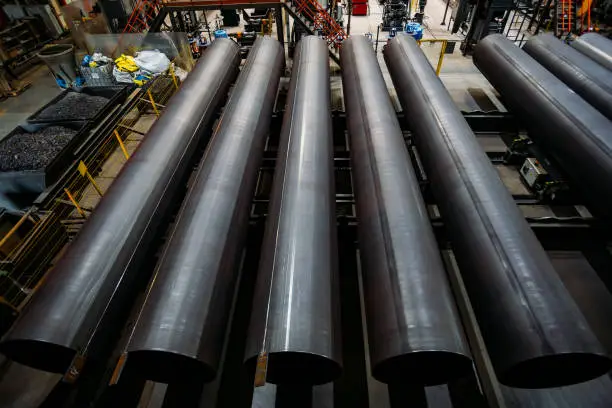
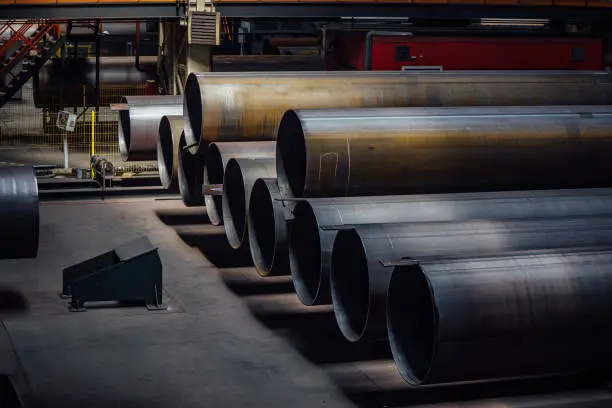
The ASTM A691 1Cr pipe standard describes electric fusion-welded pipes made from chromium-molybdenum alloy steel pieces that meet the ASTM A387 requirements. It is made up of about 1.0 to 1.5% chromium and 0.4 to 0.65% molybdenum. The name "1Cr" refers to this specific mix, which is designed to work well at high temperatures where carbon steel can't.
Chemical Composition and Mechanical Strength
The different alloy parts in these pipes do different jobs. Chromium improves resistance to oxidation, which keeps the surface from wearing away when it comes in contact with hot steam and burning gases. Molybdenum makes the material less likely to creep, which means that the pipe can keep its shape even when it is under a lot of thermal stress. These parts work together to make a material with a minimum tensile strength of 415 MPa and the right amount of flexibility to make the thick-walled, large-diameter shapes needed for refinery main pipes and distribution systems.
Heat Treatment and Quality Control Requirements
The quality of the manufacturing depends on strict rules for heat treatment after welding. Weld joints need to be stressed out in order to get rid of any remaining stresses that could cause them to crack or fail early. A full x-ray of the lengthwise gaps checks that the welds go all the way through and finds any problems below the surface. Transverse tension tests and guided-bend tests are used to make sure that the weld zones keep the same level of flexibility as the base metal for each production lot. These quality standards tell the difference between sellers who follow the rules and those who sell low-quality goods.
Performance Advantages Over Alternative Materials
Unlike ASTM A672 carbon steel pipes, the chromium-molybdenum alloy stays stable at temperatures up to 550°C, which is much higher than the point at which plain carbon steel starts to graphitise. The chemical makeup of ASTM A335 P11 seamless pipes is the same, but ASTM A691 1Cr pipes can be made with larger sizes because they are electric fusion welded, which isn't possible or cost-effective with seamless making. This benefit is very useful when projects at refineries need 36-inch or bigger distribution headers that can't be made efficiently by seamless mills.
High-temperature hydrogen attack weakens materials used in refineries. This is when atomic hydrogen diffuses into steel and reacts with carbides to make methane gas pockets that weaken the material. The ASTM A691 1Cr pipe grade has a base resistance that works well for modest hydrogen partial pressures that are common in hydrodesulfurization units and small hydrocracking operations. Installations that went well at facilities that process heavy crude from the Middle East show that the material is reliable in harsh conditions.
How to Choose the Best ASTM A691 1Cr Pipe Supplier for Your Refinery Project?
Comparing price quotes is only one part of choosing an ASTM A691 1Cr pipe supplier. Procurement teams need to come up with thorough evaluation criteria that are in line with the quality standards, delivery schedules, and long-term reliability expectations of each project.
Defining Project-Specific Requirements
Before you start asking suppliers for quotes, you should make sure you know the minimum order quantities, size requirements, and delivery times. When building a refinery, the plans are often very tight, and delays in materials can cause the project to go over budget, which costs a lot of money. Find out if the supplier keeps standard sizes in stock or only makes things when someone orders them. When project timelines get sped up because of delays in getting governmental approvals or weather-related delays, having stock on hand can greatly speed up the buying process.
Certification and Quality Management Systems
Suppliers should show that they follow the quality control standards set by ISO 9001 and, if necessary, have proper API 5L approval. Check to see if factories have written methods for keeping track of raw materials, controlling the welding process, keeping an eye on heat treatment, and doing non-destructive testing. Ask for proof of third-party inspection reports from reputable organisations that have checked out the supplier's quality systems. When manufacturers get plate material from famous steel mills like TISCO, HBIS, or similar foreign producers, they can be more sure that the chemical composition and mechanical qualities will stay the same.
Evaluating Manufacturing Capabilities
Tell the difference between trading companies that put together goods from different suppliers and integrated makers that handle the whole production process, from buying the plates to welding, heat treatment, and final testing. Integrated producers make it easier to track and hold them accountable. Check to see how well the provider can weld, how big their heat treatment furnace is, and how advanced their testing equipment is. Digital radiography and automated ultrasonic testing systems are used in more advanced facilities because they are better at finding flaws than film-based methods.
Reputation and Reference Verification
Reliability is shown by an industry's reputation. Suppliers who have worked on projects for big engineering firms in the past, like those working on the MOBIL OIL AUSTRALIA project or plant growth in the Middle East, have shown they can meet strict requirements. Check finish records and ask for references from people who worked on similar tasks recently. Third-party review sites and industry groups provide more proof of how well a supplier does in terms of on-time delivery, quick technical help, and how they handle claims.
Procurement Best Practices for ASTM A691 1Cr Pipes in Refinery Projects
Strategic methods to purchasing ASTM A691 1Cr pipes cut costs while lowering the risks of quality and delivery that come with foreign supply lines for goods and services.
Pricing Negotiation and Volume Discounts
Ask for detailed breakdowns that show the costs of base materials, manufacturing processing fees, inspection fees, and packaging costs. Knowing the different parts of a cost lets you negotiate more effectively on the parts where sellers are still flexible. Tiered pricing is often unlocked by making a volume promise, but procurement managers have to weigh the benefits of discounts against the costs of keeping supplies and the need to schedule projects in stages. Prices should be negotiated per metre or per tonne, based on the make-up of the order. It should also be made clear if the prices given include normal heat treatment and x-rays, or if these are extras that can be added on as needed.
Import Regulations and Logistics Management
To buy things internationally, you have to figure out how to deal with customs classes, tax rates, and trade compliance requirements. Make sure that suppliers give you all the necessary business paperwork, like certificates of origin, packing lists, and material certifications, in a format that the customs authorities in the destination country will accept. Hire goods forwarders who have experience with big industrial cargo to help you load containers most efficiently, get the right marine insurance and plan overland transfer to refinery sites that are far away. When planning the lead time, you should think about how long it takes to make the product, ship it internationally, get it through customs, and send it to the customer. For made-to-order production, this process usually takes 12 to 16 weeks.
Sample Orders and Pre-Shipment Inspections
Reduce the risk of poor supplier performance by placing small sample orders that let you check the quality of the actual product, the completeness of the documentation, and the speed with which the supplier responds to your communications before committing to the full project quantities. Set aside money for pre-shipment inspections by a third party at the manufacturer's site. These inspections are done by independent inspectors who check that the dimensions are correct, look over test results, and see the final clearance testing. This investment—usually 1% to 2% of the order value—reduces risk by a large amount by finding problems before they are shipped instead of after they are delivered to the building site.
Building Long-Term Supplier Relationships
Building relationships with dependable providers has benefits that go beyond individual projects. When you place another order, you'll get better service from suppliers who know your company's requirements, approval processes, and quality standards. Working together gives you access to new technologies, help with replacing materials when the standards are too strict, and priority scheduling for output when the industry is at full capacity. Keep track of delivery reliability, quality measures, and responsiveness on performance scorecards to help with objective provider evaluations and conversations about ongoing growth.
Conclusion
If you want to find good sellers of ASTM A691 1Cr pipes, you need to do more than just compare prices at first. What makes a supplier right for tough refinery jobs? The ability to make things, compliance with certifications, quality control systems, and expert help are some of the things that are looked at together. The ASTM A691 1Cr pipe standard has been shown to work well in high-temperature settings with hydrogen, where the dependability of the materials directly affects safety and the ability to keep operations going. Best practices in procurement stress the importance of validating samples, having a third party check them, and building long-term relationships. These reduce risks and improve total cost of ownership. By using the evaluation criteria and methods explained in this guide, project teams can be sure to find materials that meet strict requirements and help refinery building and maintenance programs run smoothly.
FAQ
1. What is the difference between ASTM A691 1Cr and seamless P11 pipes?
The chemical makeup of both materials is the same: 1.25% chromium and 0.5% molybdenum. This means that they are both equally resistant to rust and strong at high temperatures. The main difference is in how they are made: ASTM A691 1Cr pipes join plate edges with electric fusion welding, which makes lengthwise gaps that need to be heated up and x-rayed after the welding is done. Because they are made by rotary piercing solid billets, seamless P11 pipes don't have any welds. Large diameter needs—usually more than 24 inches—favor ASTM A691 1Cr pipe construction because seamless mills can't make parts that are too big. Code standards or engineering opinions about the reliability of the weld joint may force one manufacturing method to be used for a project.
2. Is post-weld heat treatment mandatory for all applications?
Stress-relieving heat treatment is usually required by ASTM A691 1Cr pipe standards to make materials more flexible again and less hard in weld zones and heat-affected areas. In the standard, treatment requirements are based on class names. For example, Class 11 requires a radiographic test but not PWHT, Class 12 adds PWHT requirements, and Class 22 requires both double radiography and heat treatment. For the most reliable welds, refinery applications that work at high temperatures always call for Class 22 material. Not applying the necessary heat treatment raises the risk of brittle fracture and cancels maker warranties.
3. How do I verify supplier certification authenticity?
Instead of relying only on certificates given by suppliers, ask for copies of certification papers directly from the organisations that issue them. The American Petroleum Institute's online directory can be used to check if a company has API certification. The database of the issuing registrar verifies the authenticity of an ISO registration. Check the certification scope to make sure it covers the exact types of products and manufacturing processes that are needed for your purchase. Doing facility audits or hiring third-party inspection companies is another way to make sure that written processes match up with real manufacturing practices.
Partner with Longma Group for Reliable ASTM A691 1Cr Pipe Supply
Decisions about procurement have a big effect on the success of a plant project. Longma Group has been making high-quality ASTM A691 1Cr pipes for more than 20 years and has strict quality systems that are certified to international standards. Each year, they can make more than a million tonnes of pipes. Together with project managers, our engineering team finds the best material specifications, welding methods, and heat treatment techniques for your particular working conditions.
We only buy from high-quality steel mills, so the metallurgical properties of every production lot are the same. Full sets of paperwork, including inspection and test plans and final material test certificates, make the approval process easier and meet government standards. Fabrication services that add value, like custom end preparations and anti-corrosion finishes, make your supply chain simpler while still allowing full tracking.
Email our technical experts at info@longma-group.com to talk about the needs of your refinery project and get full quotes that are made just for you. Procurement managers can look at all of our production services at longma-group.com and find out why engineering contractors in 90 countries choose Longma Group as their top chromium-molybdenum alloy pipe maker.








