
The worldwide gas infrastructure business needs very high quality and dependability, especially for projects in the UK where strict safety rules and bad weather make things even harder. China has become a major player in the production of epoxy-coated steel pipes as project procurement managers and pipeline engineers throughout the world look for ways to save money.
It is very important to choose the correct epoxy coated steel gas pipe. These specific pipes are the main parts of gas distribution systems. They keep important resources safe and make sure the public is safe. The epoxy coating process makes pipelines last much longer than uncoated ones because it protects them better against rust.
Chinese companies have put a lot of money into high-tech coating and quality control systems. Because of this dedication to quality, the goods meet worldwide standards including API 5L, ASTM A53, and EN10210. For projects in the UK, it is very important to understand the rules and technical requirements in order to make them work.
The need for dependable gas transportation pipeline solutions is expanding, which has led to new ideas in pipe coating technology. Modern epoxy resin coating methods have better adhesion and last longer in the tough weather conditions that are frequent in UK installations.
|
|
|
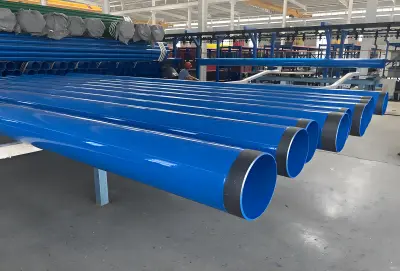
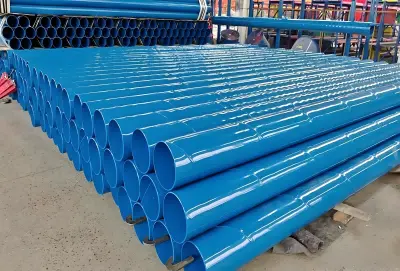
Why Focus on Epoxy Coated Steel Gas Pipes for Critical Infrastructure?
Safety of gas pipelines is still the most important thing when building new infrastructure. Epoxy-coated steel pipes are perfect for subterranean gas pipelines because they are more durable than other materials that can break down too soon. Epoxy-coated steel pipes don't rust at the molecular level, unlike regular steel pipes. This makes them a barrier against moisture and chemicals that can't be broken.
The specifications for the thickness of the coating make sure that it protects the same way in all kinds of weather. Professional engineers know that preventing gas line corrosion has a direct effect on the expenses of running a business and the safety margins. Epoxy coating adhesion provides a bond that is stronger than the substance below it when applied correctly. This means that the coating won't peel off when the pressure changes.
When it comes to industrial gas pipe systems that serve important buildings, dependability is a must. Epoxy-coated goods have enhanced steel pipe anti-corrosion qualities that mean less maintenance and a longer service life. This benefit is especially helpful for big engineering projects where the price of replacing things and the penalties for downtime can be quite high.
Selection Criteria for Premium Epoxy Coated Steel Gas Pipe Suppliers
Manufacturing Standards and CertificationsTop-tier epoxy coated steel gas pipe suppliers maintain comprehensive quality management systems certified to ISO 9001 standards. These certifications ensure consistent product quality and manufacturing procedures. The most reliable manufacturers possess API 5L certifications specifically for line pipe applications, demonstrating their ability to meet stringent petroleum industry requirements.
Environmental management systems compliance (ISO 14001) indicates a supplier's commitment to sustainable manufacturing practices. This certification becomes increasingly important for UK projects where environmental impact assessments scrutinize every component choice.
Technical Specifications and Compliance
Reputable suppliers offer coated steel pipe standards that align with international requirements. The ability to provide pipes meeting DIN 30670, DIN 30678, and AWWA C210 standards demonstrates manufacturing versatility. Suppliers should offer comprehensive documentation including Material Test Certificates (MTC) and Inspection and Test Plans (ITP).
The range of available pipe coating technology options reflects a supplier's technical sophistication. Advanced manufacturers provide customized coating solutions based on specific application requirements, soil conditions, and expected service life.
Production Capacity and Delivery Reliability
Large-scale engineering contractors require suppliers with substantial production capacity. Annual output exceeding 1,000,000 tons indicates the infrastructure necessary to handle major projects without compromising delivery schedules. Geographic proximity to shipping ports facilitates efficient logistics for international deliveries.
Leading Epoxy Coated Steel Gas Pipe Solutions from Longma Group
API 5L Grade B Epoxy Coated Steel Gas PipeProduct Overview:
Longma Group's API 5L Grade B epoxy coated steel gas pipe represents the gold standard for gas transportation pipeline applications. Manufactured using advanced LSAW (Longitudinal Submerged Arc Welded) technology, these pipes offer exceptional structural integrity and uniform wall thickness distribution.
Key Technical Advantages:
- Superior Weld Quality: Double-sided submerged arc welding ensures complete penetration and consistent mechanical properties
- Precise Dimensional Control: Outer diameter range from 60.3mm to 1422mm with wall thickness options from 6.02mm to 50.8mm
- Enhanced Coating Adhesion: Multi-layer epoxy coating system exceeding DIN 30670 requirements
- Comprehensive Testing: 100% non-destructive testing including ultrasonic inspection and hydrostatic pressure testing
Applications and Benefits:
This grade excels in moderate-pressure gas distribution systems where reliability and cost-effectiveness are priorities. The steel pipe corrosion protection provided by the advanced epoxy system extends service life to 50+ years in typical soil conditions. Engineering contractors appreciate the consistent quality that eliminates field rejection rates.
Quality Assurance Features:
Raw materials sourced from premium domestic steel mills including Shagang and Bao Steel ensure chemical composition consistency. Advanced heat treatment procedures optimize mechanical properties while maintaining coating integrity. Complete traceability documentation supports quality audits and regulatory compliance.
ASTM A53 Grade B Epoxy Coated Steel Gas Pipe
Product Overview:
Designed specifically for gas distribution systems in residential and commercial applications, these pipes combine proven ASTM A53 specifications with state-of-the-art epoxy coating technology. The ERW (Electric Resistance Welded) manufacturing process creates seamless performance characteristics ideal for underground installations.
Advanced Coating Technology:
- Multi-Layer Protection: Primer and topcoat system providing 400+ microns total thickness
- Chemical Resistance: Proven performance against soil chemicals and groundwater contaminants
- Temperature Stability: Maintains adhesion properties across -40°C to +80°C operating range
- Impact Resistance: Withstands installation stresses and soil movement without coating damage
Engineering Specifications:
The pipe's structural design accommodates various installation methods including open-cut trenching and directional drilling. Beveled ends facilitate welding operations while maintaining coating integrity at joint locations. Specialized handling equipment prevents coating damage during transportation and installation.
Project Suitability:
Particularly effective for UK projects involving challenging soil conditions or proximity to coastal environments. The enhanced gas line corrosion prevention properties address aggressive ground conditions common in industrial areas. Project managers report significant cost savings compared to alternative materials when considering total lifecycle costs.
EN10210 Structural Steel Gas Pipe with Epoxy Coating
Product Overview:
Engineered for structural applications requiring both load-bearing capacity and corrosion resistance, these pipes serve dual functions in complex infrastructure projects. The combination of high-strength steel substrate with premium epoxy coating creates versatile solutions for challenging applications.
Structural Performance Characteristics:
- High Strength-to-Weight Ratio: Optimized for applications requiring structural support
- Fatigue Resistance: Enhanced performance under cyclic loading conditions
- Dimensional Stability: Precision manufacturing ensuring consistent geometric properties
- Connection Compatibility: Compatible with various joining methods including welding and mechanical connections
Specialized Applications:
These pipes excel in offshore platform construction and bridge infrastructure where gas distribution systems integrate with structural elements. The epoxy coated pipe installation process accommodates complex geometries and space constraints typical in these environments. Marine applications benefit from enhanced salt spray resistance provided by the specialized coating formulation.
Global Market Analysis: UK Project Requirements and Regulatory Landscape
The UK gas infrastructure market operates under stringent regulatory frameworks established by the Health and Safety Executive (HSE) and Gas Safe Register. These regulations mandate specific performance standards for pipeline maintenance epoxy coating systems, creating opportunities for suppliers who understand compliance requirements.
Brexit implications have shifted procurement patterns, with engineering contractors seeking diverse supplier networks to ensure project continuity. Chinese manufacturers have adapted by establishing comprehensive documentation systems and quality assurance protocols that meet UK standards without requiring extensive re-certification processes.
The UK's commitment to net-zero emissions by 2050 has accelerated infrastructure modernization projects. Aging gas distribution networks require replacement with advanced materials offering extended service life and reduced maintenance requirements. Epoxy coated steel pipes align with these sustainability objectives while providing cost advantages over alternative materials.
Regional variations within the UK market reflect different soil conditions and environmental challenges. Scottish Highlands projects face different requirements compared to London urban installations. Successful suppliers demonstrate flexibility in coating specifications and technical support to address these variations.
Market Characteristics and Technical Considerations
Environmental Factors Affecting Pipe SelectionUK soil conditions vary significantly across regions, influencing epoxy coated steel gas pipe specifications. Clay soils in southern England create different corrosion challenges compared to sandy coastal areas or rocky Scottish terrain. Understanding these variables helps optimize coating thickness and formulation choices.
Climate considerations include temperature fluctuations, precipitation levels, and ground frost conditions. The steel gas pipe lifespan depends heavily on proper specification matching to environmental conditions. Advanced coating systems accommodate these variables through modified polymer chemistry and application techniques.
Regulatory Compliance Framework
UK gas safety regulations require comprehensive documentation for all pipeline components. Suppliers must provide detailed material certificates, coating specifications, and quality control records. The regulatory framework emphasizes traceability from raw material source through final installation.
Pipeline safety management regulations mandate specific performance standards for corrosion protection systems. Epoxy coating technology must demonstrate compliance through standardized testing protocols and long-term performance data. Successful suppliers maintain extensive test databases supporting regulatory submissions.
Purchasing Recommendations and Project Considerations
Supplier Evaluation CriteriaEngineering contractors should prioritize suppliers demonstrating comprehensive quality management systems and international certification. Manufacturing capacity alignment with project schedules prevents delays common in large-scale installations. Geographic considerations include logistics capabilities and technical support availability.
Financial stability assessment ensures supplier viability throughout extended project timelines. Established manufacturers with substantial registered capital provide confidence for major infrastructure investments. Longma Group's 441.8 billion registered capital exemplifies the financial strength required for reliable partnership.
Technical Specification Development
Project-specific requirements should address soil conditions, operating pressures, and expected service life. Coating specification development requires collaboration between suppliers and engineering teams to optimize performance characteristics. Advanced suppliers provide technical consultation services supporting specification development.
Testing and inspection protocols must align with project quality requirements and regulatory mandates. Comprehensive factory testing programs reduce field inspection costs while ensuring quality compliance. Pre-qualification testing validates coating performance under project-specific conditions.
Logistics and Installation Planning
International shipping considerations include packaging requirements, delivery scheduling, and customs documentation. Experienced suppliers provide comprehensive logistics support including specialized handling equipment and installation guidance. Coating protection during transportation and storage requires careful planning and execution.
Installation support services differentiate premium suppliers from commodity providers. Technical training programs ensure proper handling and installation techniques. Field support services address unexpected challenges during installation phases.
Industry Trends and Future Outlook
The global gas infrastructure market continues expanding, driven by urbanization and industrial development. Advanced epoxy coating technology development focuses on enhanced durability and environmental compatibility. Smart pipeline monitoring systems integration creates opportunities for enhanced coating performance verification.
Sustainability initiatives drive innovation in coating materials and application processes. Manufacturers invest in environmental compliance and energy-efficient production methods. These trends align with UK infrastructure modernization objectives and long-term environmental commitments.
Partner with Longma Group for Your Next Epoxy Coated Steel Gas Pipe Project
Longma Group stands ready to support your UK infrastructure projects with industry-leading epoxy coated steel gas pipe solutions. Our comprehensive manufacturing capabilities, international certifications, and proven track record across 90+ countries demonstrate our commitment to excellence. As a leading epoxy coated steel gas pipe supplier, we understand the unique requirements of UK projects and provide complete documentation packages supporting regulatory compliance. Contact our engineering team at info@longma-group.com to discuss your specific project requirements and discover how our advanced coating technology can enhance your infrastructure investment.
Conclusion
Selecting the right epoxy coated steel gas pipe supplier requires careful evaluation of technical capabilities, quality systems, and project support services. Chinese manufacturers have demonstrated their ability to meet international standards while providing competitive advantages for UK projects.
Longma Group's comprehensive approach to quality manufacturing, environmental compliance, and customer support establishes the foundation for successful project partnerships. Our extensive experience in global markets, combined with advanced manufacturing capabilities, ensures reliable delivery of premium products meeting the most demanding specifications.
The future of gas infrastructure depends on partnerships between experienced engineering contractors and capable manufacturers. By choosing suppliers who understand both technical requirements and regulatory frameworks, projects achieve optimal outcomes while maintaining cost effectiveness and schedule compliance.
FAQs
What coating thickness should I specify for my project?Coating thickness requirements depend on soil aggressivity, expected service life, and operating conditions. Standard applications typically require 400-600 microns total thickness, while aggressive environments may require enhanced coating systems exceeding 800 microns. Soil analysis and corrosion assessment studies provide guidance for optimal specification development.
How do I verify coating quality during manufacturing?
Comprehensive quality control programs include coating thickness measurement, adhesion testing, and holiday detection. Reputable manufacturers provide witness testing opportunities and detailed quality documentation. Third-party inspection services offer additional verification for critical applications.
What documentation is required for UK projects?
UK projects typically require Material Test Certificates, coating specification sheets, and manufacturing procedure documentation. Quality assurance records including inspection reports and test results support regulatory compliance. Traceability documentation linking raw materials to finished products ensures accountability throughout the supply chain.