
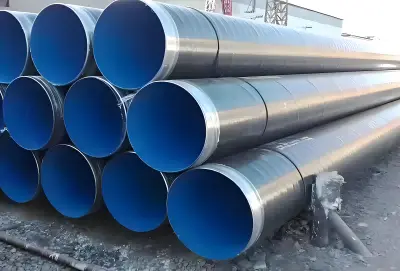
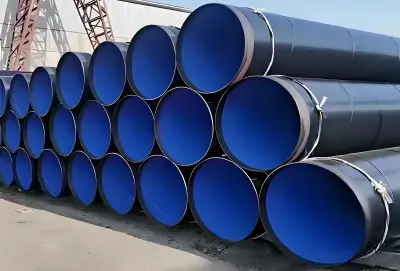
Over the past few decades, the choices for protective coatings for oil and gas pipelines have changed a lot. FBE coated steel pipe has been the most popular way to stop corrosion in the industry. Fusion bonded epoxy, on the other hand, develops a molecular link with the steel substrate. This means that it won't fracture, peel, or break down under stress like other coating systems. This makes a protective barrier that can handle the worst conditions seen in subterranean and underwater applications.
|
|
|
Understanding Fusion Bonded Epoxy Coating Technology
Fusion bonded epoxy represents a sophisticated approach to pipeline protection that differs fundamentally from paint or traditional coatings. The process begins with electrostatic application of dry epoxy powder onto heated steel surfaces. As the powder contacts the hot metal, typically maintained between 200 and 250 degrees Celsius, a chemical transformation occurs. The powder melts, flows across the surface, and undergoes cross-linking to form a permanent protective layer.
This reaction that sets the material in place cannot be undone. Even in very hot weather, the coating can't change back into powder once it has dried. This action creates a molecular structure that makes the bond very strong. Epoxy doesn't only lie on top of the steel; it chemically connects with the metal surface, making it harder for mechanical coatings to come off.
The efficiency of FBE coated steel pipe comes from the fact that it has several protection systems that function at the same time. The coating keeps moisture, oxygen, and corrosive substances from getting to the steel substrate by acting as a physical barrier. Its limited permeability implies that the epoxy coating keeps its protective role even when the soil is completely flooded or submerged in water.
The coating also acts as a dielectric insulator. When cathodic protection systems are used in pipeline networks, the FBE coating's high electrical resistance works with these systems instead than against them. The combination of coating and cathodic protection gives extra layers of protection against corrosion.
The coating's ability to bend is also very important for how well it works. When installing pipelines, they go through thermal expansion, ground movement, and handling stresses. FBE coatings can handle these stresses without breaking or losing their grip, so they stay protective throughout the life of the pipeline.
Critical Applications in Oil and Gas Infrastructure
The oil and gas industry needs dependable ways to move hydrocarbons across long distances and through difficult terrain. Pipelines have to deal with a wide range of environmental problems, from Arctic permafrost to tropical coastal areas. FBE coating technology has shown that it works well in these tough situations during many years of use in the field.
Onshore Pipeline Systems
Underground pipes that cross continents have to deal with different types of soil, groundwater chemistry, and temperature changes. Steel pipes that are buried in the ground are always in contact with water and electrolytes, which makes galvanic corrosion possible. Fusion bonded epoxy coating is a good way to keep steel safe from these corrosive conditions.
FBE coating's long-lasting properties are very helpful for long-distance transmission lines. When a pipeline breaks down in a distant area, it makes it very hard for repair teams to get there and can cost a lot of money in lost output. FBE-coated steel pipe systems keep working and lower the expenses of maintaining pipelines over their whole life by stopping corrosion before it occurs.
Offshore and Subsea Applications
Steel infrastructure is put through some of the harshest conditions in marine settings. Chlorides and other ions that speed up corrosion are found in significant amounts in saltwater. Offshore platforms and subsea pipelines work in these harsh circumstances all the time, thus strong corrosion protection is a must.
FBE coating is great for these uses since it doesn't absorb water and stays stuck even when it's completely immersed. The coating can handle the mechanical stress caused by waves, currents, and the temperature changes that happen when cold saltwater flows through the pipe and hot product flows through it. This durability means that offshore equipment may go longer between service and need fewer inspections.
Gathering and Distribution Networks
People frequently pay more attention to massive transmission pipes, but collection systems and distribution networks are just as important for the infrastructure to work. These smaller-diameter pipes take produce from wellheads or send goods to final consumers. They commonly work in corrosive settings near processing plants or cities.
Because FBE coating is so flexible, it may be used on pipes of all sizes and requirements. The coating keeps things from rusting, whether it's on big transmission lines or little collection systems. This consistency makes it easier to buy things and makes sure that the whole pipeline network is protected.
Advantages Over Alternative Coating Systems
Pipeline operators look at coating systems based on how well they work, how much they cost, and what they need to be used for. There are many other types of coatings, but fusion bonded epoxy has unique benefits that have made it the industry standard for many uses.
Superior Adhesion Characteristics
The chemical bonding mechanism of FBE coating creates adhesion strengths that exceed mechanical or adhesive attachment methods. When properly applied to prepared steel surfaces, the coating resists disbondment even when exposed to cathodic protection currents, soil stress, or mechanical damage during handling and installation. This adhesion reliability provides confidence that the coating will remain in place throughout the pipeline's service life.
Competing coating systems that rely on adhesive bonding or mechanical interlocking are more susceptible to disbondment when exposed to moisture or stress. Once coating disbondment begins, corrosion can spread beneath the coating, accelerating damage even though the surface appears intact. The molecular bond of FBE coating prevents this undercutting effect.
Chemical and Environmental Resistance
Oil and gas pipelines are exposed to chemicals depending on the products and surroundings. Hydrogen sulphide, carbon dioxide, and organic acids in crude oil can damage coatings. Fuels like gasoline and diesel degrade certain coatings. Sulfates, chlorides, and other hostile ions come from soil.
Fusion-bonded epoxy resists these chemicals well. When exposed to petroleum, soil chemicals, and industrial pollutants, the cross-linked polymer structure resists dissolving, swelling, and deterioration. This chemical stability keeps the coating protected independent of what flows through the pipe or surrounds it in the earth.
Temperature Performance Range
Pipeline operating temperatures vary with product type, ambient conditions, and operational demands. Some systems transport products at elevated temperatures, while others operate in cold climates where thermal cycling occurs seasonally. FBE coated steel pipe maintains its protective properties across a wide temperature range, typically from minus 30 to 100 degrees Celsius in standard formulations.
This temperature flexibility allows engineers to use FBE coating in diverse climatic conditions without concern about coating failure. High-temperature formulations are available for applications requiring resistance to temperatures approaching 120 degrees Celsius, such as certain gathering systems or hot product pipelines.
Cost-Effectiveness and Lifecycle Value
While initial coating costs factor into project economics, lifecycle costs provide a more complete picture of coating system value. FBE coating's durability translates to reduced maintenance requirements, fewer repairs, and extended pipeline service life. These factors offset the upfront investment in quality coating application.
The relatively simple application process for FBE coating also contributes to cost-effectiveness. Automated coating lines efficiently process large volumes of pipe with consistent quality. This production efficiency keeps costs competitive while maintaining the high performance standards required for critical infrastructure.
Longma Group: Manufacturing Excellence in Cangzhou
The production of high-quality FBE coated steel pipe requires more than advanced coating technology. It demands integrated manufacturing capabilities that encompass pipe production, surface preparation, coating application, and quality assurance. Longma Group exemplifies this comprehensive approach to pipeline manufacturing.
Strategic Location and Industrial Advantages
Longma Group benefits from Hebei Province's strong industrial infrastructure in Cangzhou City. Cangzhou is an important steel pipe production hub due to its raw resources, competent labor, and transportation networks. This industrial cluster effect allows efficient production, competitive price, and quality.
Geographical location aids domestic and international distribution. Highway and rail connectivity enable project delivery across China, while proximity to major ports streamlines exports. This logistical advantage supports project timetables and reduces inventory holding costs by delivering items on time.
Advanced Manufacturing Capabilities
Longma Group has specialized in pipe fabrication since 2003. The firm produces various pipe sizes and specifications using ERW and LSAW pipe mills. From tiny distribution lines to massive transmission pipes, Longma Group can meet project needs with its manufacturing flexibility.
Longma Group excels at large-diameter and thick-walled pipe manufacture for infrastructure projects. These complicated goods require accurate welding, heat treatment, and dimensional perfection. Advanced equipment and process control systems maintain product quality for the firm.
Longma Group's yearly production capacity topped one million tons by 2023, proving its ability to handle huge projects while maintaining quality for key applications. Longma Group's production output shows market trust in its capabilities and commitment to addressing infrastructure needs.
Quality Management and Customer Support
Manufacturing excellence extends beyond production equipment to encompass quality management systems and customer service. Longma Group maintains comprehensive documentation of production processes, material certifications, and quality test results. This traceability provides customers with confidence that supplied products meet specified requirements and applicable standards.
Technical support services help customers select appropriate pipe specifications and coating systems for their specific applications. Understanding that each project presents unique challenges, Longma Group works collaboratively with engineering teams to ensure that supplied products align with project requirements and performance expectations.
Partner with Longma Group for Your Next Pipeline Project
Whether you are developing new oil and gas infrastructure, replacing aging pipelines, or expanding existing networks, selecting the right coating system and supplier makes a critical difference in project success. Longma Group combines manufacturing excellence with technical expertise to deliver FBE coated steel pipe that meets the demanding requirements of modern pipeline applications.
Our product portfolio spans the full range of specifications required for oil and gas service. With outer diameters from 60.3 to 1422 millimeters and wall thicknesses from 6.02 to 50.8 millimeters, we can supply pipes that match your project's technical requirements. All products comply with recognized international standards including API 5L, ASTM A53, EN10210, and AS/NZS 1163 for pipe manufacturing, plus DIN 30670, CSA Z245.20, ISO 21809-1, and AWWA C210/C213 for coating application.
Contact our technical team to discuss your pipeline protection needs. We provide detailed product specifications, application guidance, and commercial terms tailored to your project requirements. Reach out to us at info@longma-group.com to begin the conversation about protecting your pipeline infrastructure with proven FBE coating technology.








