
If you want to utilize galvanized mild steel pipe for water or construction, be sure it’s constructed from the proper kind of steel, and has the right wall thickness. If the pipe is up to ASTM A53 or API 5L requirements, it can be utilized for things like fire lines, irrigation, utility service and water that isn't safe to drink. It must be proven that the zinc coverage is correct. Reinforce frames, supports, guardrails and fences using EN 10210 or AS/NZS 1163. Also know the span the load and the exposure. People looking to buy something should think about what they want before getting quotes. The rules can be checked, the quality checked and you can find out how to buy something.
|
|
|
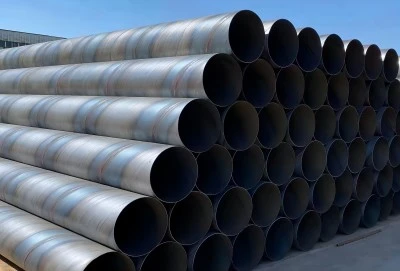
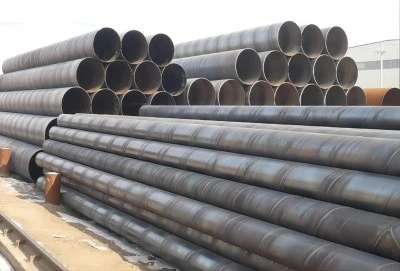
What Is Galvanized Mild Steel Pipe and Why Do Buyers Choose It?
Definition and Construction
Most frequently used to make galvanized mild steel pipe, this type of steel has less than 0.25% carbon. Zinc on the steel body keeps it from rusting, and the steel body can hold heavy things. When liquid zinc that is about 460°C (860°F) hot reacts with steel, iron-zinc alloys are formed below the zinc. This process is known as hot-dip galvanizing. It doesn't scratch when you touch it because the alloy layers are usually harder than the steel at the bottom. If the job calls for it, you can passivate, oil, thread, or protect the ends of finish pipe. When the pipe is being used, it works differently than when it is being stored.
How the Pipe Is Made?
It's easy to understand how to make things because it shows how to cut, join, clean, zinc-coat, check, and finish them. Most of the time, the coating is bigger than 45 µm because the pipe is dipped after it has been welded. The seam needs to have a zinc strip put on it to make it galvanized. The cover is usually only 20 µm thick and needs zinc to stick on. Since 2003, it has been making ERW and LSAW steel pipe. Steel comes from mills in China, like Baosteel, TISCO, Shagang, and HBIS. We keep track of everything, from the raw materials to the pipe that is being made.
Key Benefits and Limits
Zinc keeps you safe in two ways. Let us say that steel has a scratch on it. Because there is zinc next to it, it will rust before the steel does. Zinc that is 300 to 600 g/m², or 42 to 85 µm, is often used to make tough coatings. The pipe doesn't break when it gets to about 200°C. Steel and zinc pipe can be used more than once. Just cut, thread, and weld it like any other pipe. Sometimes, but not all the time. Chemicals that are strong, splash zones in the ocean, high heat, and being wet all the time can shorten the life of painting. If these things happen, an engineer needs to look at the coating or a different material needs to be used.
Galvanized Mild Steel Pipe for Water and Structural Uses
Water Supply and Plumbing
Galvanized pipe is best for lines that carry water that isn't safe to drink, water for irrigation, utility water, water for fire protection, and compressed air. Watch out for the water you drink. Many building codes today say that galvanized pipe can't be used for water because it can lose its zinc over time. Metal things can get wet and rust on the inside. Before you say it, find out how the gas and water work and what the law says in your area. Take a look at the product approvals too. Most of the time, you need UL or FM-made tools to work with fire sprinklers. When you buy pipe, make sure that the fittings match the pipe's nominal size, outside diameter, wall thickness, length, thread type, and way of connecting.
Structural and Industrial Uses
Light structure frames, fences, gates, handrails, scales, equipment supports, storage racks, shed frames, and other things can be made from galvanized mild steel pipe. Zinc in it keeps it from rusting in wet places like rain, road salt, and fertilizer runoff. Steel makes it strong and stiff. But a building isn't good just because it has zinc in it. You still need to verify your local building codes, the steel grade, the wall thickness, the tolerances, the quality of the welds, the axial and bending loads, the buckling loads, the wind and snow loads, the strength of the joints and the quality of the welds. Last but not least, both EN 10210 and AS/NZS 1163 cover constructions having hollow portions. You can choose the one that suits you.
Corrosion Risks and Field Repair
When different types of metals are mingled with salty water, quiet water, hot water or fast moving water they are more likely to rust. “They were built a certain way and can’t do some things. You want to be sure to drain any low locations, flush any new lines, support the pipe so it won’t bend, insulate any areas where condensation occurs, and have an engineer check any fluids that don’t look correct. Special caution is necessary when a pipe is placed underground. In mild soils this sort of pipe will survive twenty years or more. If you have acidic soil or a lot of chloride, the zinc can fail in five years. Cover or wrap the lines for protection. Avoid metal fume fever. Make sure you have good air flow in the region before you weld and grind the zinc off. Next, put on something that has a lot of zinc in it.
Sizes, Wall Thickness, Standards, and Quality Requirements
Size, Wall Thickness, and Weight
Makes it feel quite big on the label but it's not NPS 2 has a 60.3 mm broad exterior. We can handle widths from 60.3 mm to 1422 mm and thicknesses from 6.02 mm to 50.8 mm. It's slower and more expensive to produce, but the walls are more robust against bumps, impacts and thread contact. With mm you may estimate the steel weight per meter with this calculation : ( outer diameter - wall thickness ) * wall thickness * 0.02466. A pipe of 114.3 mm width and 6.02 mm thickness weighed approximately 16.07 kg/m. This value can be used to compare quotes for load containers, plan cranes, freight and quotes by the meter against quotes by the ton.
Pipe and Coating Standards
Never connect two different pipes together. We make our galvanized mild steel pipe in accordance with API 5L, ASTM A53, EN 10210 and AS/NZS 1163. Indicate the specific grade, size, tolerances, final condition, test requirements and how the product will be manufactured. They tell us how to cover things: CSA Z245.20, EN 10339, ISO 21809-1, AWWA C210, AWWA C213, DIN 30670, DIN 30678. At least one of them concerns polymer coatings (FBE, polyolefin etc.) Just tell us which one you need help with and we’ll make sure you get it coated perfectly.
Documents and Coating Inspection
You can tell how good something is by forms. When the project calls for them, get mill test certificates, chemical and mechanical reports, hydrostatic test results, zinc coating reports, dimension records, certificates of origin, and third-party inspection records. Here you can also find a Plan for Inspection and Testing as well as a Specification for the Making Process. Our business is backed by both API 5L and ISO 9001. Check the coating for holes, runs, flaws, extra buildup, and damage from being handled. Also, make sure it looks good, sticks well, and lasts a long time. It will be smooth, even, and stick well if you watch what's going on. There are empty spots or heavy drips when process control isn't good.
Comparing Alternatives and Choosing the Right Pipe
Galvanized Pipe vs. Black Steel, Stainless Steel, and PVC
Black steel is cheaper for locks inside, but you need to paint or coat it in some other way to use it outside. Galvanized pipe doesn't need to be painted as often, and it stays safer in wet or open places. Stainless steel is better in places with harsh chemicals and clean things, even though it costs more. Steel is stronger than PVC, so it is more likely to stay together when it gets hit. PVC is lighter, which can make it easier to set up some times. Galvanized mild steel pipe is typically a good choice because it is strong, doesn't rust, and is affordable for outdoor water lines, fences, frames, and utility supports.
Hot-Dip vs. Pre-Galvanized Pipe and End Types
When you join two pieces of hot-dip galvanized pipe together, you can coat it. It's more than 45 µm thick and usually goes over the seam. The strip is 20 µm thick and needs zinc repair at the weld. For long-term use outside, I like hot-dip. It's also important what kind of goal you have. Ends with threads work well for small water and fire lines. Couplers with grooved ends can be joined together. Wedge joints look good when you want to make something with long lines. You can cut them to size or make your own ends with the plain ends. Because we make things, we do a lot of different things to the ends of them so they can fit together.
A Six-Step Selection Process
This is how I work with engineers, buyers, and builders.
- Define the job and size the load. Write down the application and environment, then calculate flow, pressure, load, span, and temperature. Water lines, fire lines, and structural frames set different limits. Note whether the site faces coastal air, chemicals, buried soil, or heavy abrasion.
- Set wall, coating, and paperwork. Select the wall thickness and pipe series, then specify hot-dip or pre-galvanized coating. Confirm the standard, such as ASTM A53, API 5L, EN 10210, or AS/NZS 1163, plus mill test certificates and coating reports.
- Compare total delivered cost. Add freight, installation labor, internal flow area, material weight, and expected service life. A cheaper pipe with a thin coating can cost more after early replacement, so weigh performance against the full project budget.
These steps make sure that the choice is based on the job and not just the price.
Buying Galvanized Pipe from a Global Supplier
Preparing a Complete RFQ and Understanding Price
You won't make mistakes when you set prices without a full request for quotation. It takes longer for this reason. It's important to write down the length, number, quantity, coating method, zinc needed, finish, extras, packaging, final destination, certificates, inspection plan, delivery date, payment terms, and payment terms. It is also important to add the application and its standard. Price changes depend on many things, like the price of steel, the amount of zinc used, how it is processed, the size of the order, the freight, the insurance, the packaging, the currency, and more. Find out the price per ton and per meter. Besides that, you should ask the supplier what they can do to make goods better. We did business in over 90 countries and by the end of 2023, we were making over 1,000,000 tons of goods every year.
Common Purchasing Mistakes
People have problems because they don’t know what to do. Don’t order solely on what size it says it is. If you do that you may end up with the improper outer diameter, wall thickness or bore. Galvanized pipe comes in all sorts of forms and sizes and wrapped in all sorts of ways therefore it is not fair to treat them all the same. People also choose a standard without looking at the project codes and compare prices per unit and do not verify that the couplings and threads fit together. Before you sign, read the warranty terms and everything else that comes with the box. Also the lead time and the certificates. Make sure the pipe is rated for the sort of water you have, how it will be stored, and how much corrosion you think it will see.
Inspection, Packaging, and Storage
Check the size, length, quantity, straightness, surface condition, zinc coating, end finish, marks, packaging and certificates of the item before dispatch. Some projects are particularly significant or have severe restrictions that require another person to review them. A solid export package has strong straps, thread protectors, separators, bundle labels and a clear plan on how to load containers. There are other significant things too. Do not bury the pipe. Store it instead in a dry, well-ventilated place away from anything that could harm it. White rust is a thin film of rusty metal that formed when water gets caught between the rusty metal. If you let it rest, the zinc may not be as potent. Once the loads are out, if the rules permit, straighten out whatever steel you can discover in each bundle.
Conclusion
You can't find a list that tells you which galvanized mild steel pipe is best for building and water. It's the job itself. Zinc can keep things from getting to you and hurt you. The code, the weather, the wall's thickness, and the type of steel used to build it all play a role. It is best for water lines to go to those spots for fire, use, irrigation, and water that isn't drinkable. For potable use, you need to get code approval. Check building projects for load and span. Use standards such as EN 10210 or AS/NZS 1163. A thicker hot-dip coating on the outside (often greater than 45 µm) will outlast a thinner pre-galvanized coating. The zinc is protected with paperwork, paint test, careful packing and dry storage until installed. Read the complete bill and make the best choice. Don’t simply glance at the price per unit.
FAQ
Is galvanized mild steel pipe suitable for drinking water?
Not very often, because zinc that is worn down lets metal and rust leak out from inside the metal. A lot of building codes say you can't do it. First, make sure your home is safe. Then you should only use it to make fire, build, and get water to drink.
What separates hot-dip from pre-galvanized pipe?
Hot-dip pipes longer than 45 µm are dipped after they have been joined together. It starts with a coated strip, goes for about 20 µm, and needs zinc repair at the joint.
Can I weld galvanized pipe?
Yes. Make sure there is enough air flow at the joint so that too much air doesn't build up. If you don't, the zinc will stick. Next, use something with a lot of zinc to finish welding.
How do I choose Schedule 40 or Schedule 80?
Choose based on what you need in terms of duty, stress, thread size, and impact. It's stronger and heavier because it has more steel. Get an engineer to help you figure out what to do.
Request a Galvanized Mild Steel Pipe Quote from Longma Group
How much galvanized mild steel pipe do you need for your water or building project? Tell us. Since 2003, we have offered galvanized mild steel pipes. We also make LSAW and ERW pipes. We have proof of MTC, ITP, and MPS. You can send an email to info@longma-group.com or go to longma-group.com with your standard, size, wall thickness, quantity, coating, and where you want the part to go.