
Black-coated pipe holiday detection is an electrical test that finds pinholes, thin spots, cracks, and bare areas in the insulating coating of black coated steel pipe. A detector sends a voltage across the coating, and an alarm sounds when the signal reaches the steel through a flaw. Inspectors run the test after coating and curing, after repairs, and before shipment or backfilling. It catches defects the eye cannot see, which helps protect buried water, gas, and oil lines from pitting and early leaks. This guide explains how the method works and what to request from your supplier.
|
|
|
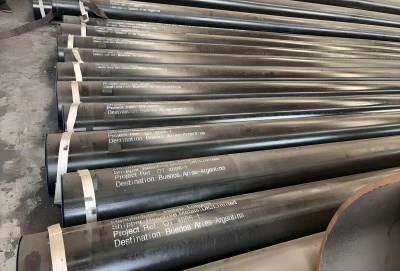
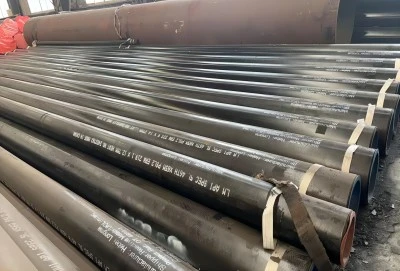
What Is Black Coated Pipe Holiday Detection?
What Counts as a Holiday
Any crack in a coating that lets the steel show through is known as a holiday. It could be a small crack, hole, bump, empty space, thin spot, or bare spot. The word comes from an art term for an area that wasn't painted over. People who cover line pipe often can't see these flaws because they are too small. In the event of a holiday, power will find them. It works with polyethylene, fusion-bonded epoxy, and liquid epoxy systems. It also works with layers that are not conductive that are put on top of steel that is conductive. In this case, checking the layer on the duct is a normal part of the job.
Why Hidden Defects Matter
Coating is the first thing that keeps water, air, salts, chemicals, and dirt from getting to carbon steel. These things break down metal. The steel can rust if it is left out in the air for a long time, starting with small pits that can spread below the film that covers them. Underfilm corrosion is the name for this. A hole can turn into a leak over time if you don't fix it. A bare spot on a pipe that is buried also draws more cathodic protection current than a spot that is covered. This can happen with gas, water, fire safety, and business lines. Pipelines can lose their useful life if they aren't fixed.
When to Test
Before testing, the finish has to be fully set. Also, I believe it should be tested after each repair, before it is sent out, and again before it is put in place or filled back up if the specs say so. When you move or handle things, they can scratch or break the layer. This is why you find damage on the job site that wasn't there at the plant. Field joints need to be tested after the joint paint is dry. Every time a test is done, a note is taken to help the project team remember how the coating looked at each handover point.
How Does Black Coated Pipe Holiday Detection Work?
The Electrical Principle
An electrical signal is sent across the surface to let it know it's a holiday. Steel conducts electricity, but the coating stops it from going through the steel. The inspector runs an electrode over the coating and connects a ground lead to the pipe. There is no flow as long as the film is whole. The circuit is closed when the electrode hits the steel through a break. The detector then either sounds an alarm or lights a signal. After that, they make a mark on the ground. You only need a strong ground link and a surface that has been properly prepared to use this method.
Low-Voltage Wet Sponge and High-Voltage Spark Testing
For small areas and thin plates, wet sponge tests with low power work well. It's less than 500 microns (20 mils), according to both ASTM D5162 and AMPP SP0188. The wet sponge pushes the electricity into a hole in the film without tearing it. A high-voltage spark test is best for checking coatings that are thicker and surfaces that are bigger. It goes through a very small hole or spot to reach the steel. The voltage needs to be right for the coating's thickness and the manufacturer's guidelines. A sound coating can be hurt by too much voltage. In the project file, you should name the method and the voltage base.
Equipment, Grounding, and Calibration
It's important to have the right tools to do a good job. A well-calibrated detector, a good electrode, and a strong ground connection are the most important things. If the coating is thin and the pipe is a certain shape, you can use a wet sponge, a conductive brush, or a spring electrode. Before each shift, I think you should check the monitor against a known holiday or a voltage meter to make sure it works. The voltage is chosen by following the coating manufacturer's instructions, the project's approved specs, and any AMPP, NACE, ASTM, or ISO rules that are relevant. Before the work starts, the inspector should ask the engineer which of the two papers is correct if they are different.
Step-by-Step Procedure for Black Coated Steel Pipe Holiday Detection
Confirm Data and Prepare the Surface
Begin with the paperwork. Read the standards for the product, the type of coating, the thickness of the coating, the batch number, the surface width, and the pipe grade. The black coated steel pipe that Longma Group sells meets standards such as API 5L, ASTM A53, EN10210, and AS/NZS 1163. Its outside diameters range from 60.3 mm to 1422 mm, and its wall thicknesses range from 6.02 mm to 50.8 mm. Then look up. It should be clean, fully healed, and free of mud, oil, salts, loose pieces, and too much water. Getting a flaw dirty or setting off false alarms can hide it.
Scan the Coating and Mark Defects
Before the first pass, connect the ground and make sure it is even. Move the electrode across the whole surface slowly. You might miss a mistake if you move too fast. Each pass should be a little farther apart. Trouble with the coating is more likely to happen at weld seams, pipe ends, bends, threads, flanges, and places that have already been fixed. Pay extra attention to these spots. Stop when the alarm goes off, check where you are, and mark it with any kind of pen or tape that the directions say is okay. The repair crew will be able to quickly find each pipe if you write its number next to it.
Repair, Retest, and Record
There are marks on the surface that need to be fixed with a material that works with the factory finish. Watch the fix video to learn how to get the surface ready, what to use, and how long it needs to dry. After the repair has dried, test the area again using the same method and voltage as the first test. Hold on to the pipe until the second test goes well. Write down the pipe number, the method, the voltage, the equipment ID, the inspector, the number of vacations, the details of the repair, and the retest result. The QA/QC manager can use these records as proof and have a third party look over them during sample checks, workplace audits, and the final release.
Black Coated Pipe Coating Types and Their Holiday Detection Requirements
FBE and Epoxy Coatings
Fusion-bonded epoxy and liquid epoxy films are often better for low-voltage testing or high-voltage testing that needs to be carefully managed because they are thinner than polyethylene systems. NACE SP0490 has information on how to find holiday spots on FBE coatings on the outside of pipelines that are 250 to 760 microns (10 to 30 mils) thick. AWWA C213 and CSA Z245.20 talk about FBE. AWWA C210 talks about liquid epoxy for steel water lines. Pay close attention to the voltage, how the film heals, and how the electrodes move. If you use too much voltage or treat the electrodes roughly, you could damage the film. Test after you've healed.
3LPE and 3LPP Multilayer Systems
Three-layer systems have a base made of glue, a layer that sticks to things, and a layer on top that is made of polyethylene or polypropylene. DIN 30670 covers coatings made of polyethylene, DIN 30678 covers coatings made of polypropylene, and ISO 21809-1 covers three-layer polyolefin coatings for pipelines that are buried or submerged. Before these coatings can be used, they need to be tested with a spark of high voltage. The voltage must meet certain standards. When the coating is finished and every time a field joint is put in place, check it. Longma Group can protect 3LPE, 3PE, 2PP, and FBE from corrosion, so you can get the pipe and the coating from the same place.
Bituminous Coatings, Thin Varnish, and Special Shapes
You might need to use special tools and methods to fix black surfaces that are soft or thick, like coal tar or bituminous systems. Always follow the directions that came with the coating. Most of the time, a thin transport coat (10 to 25 microns) stops flash rust while the car is being stored or shipped. It is only looked at; it isn't put through any holiday tests. You should also know about geometry. There is a small black coated steel pipeblack coated steel pipe that the electrode has to go all the way around. When it comes to large pipes, the inspector needs a plan for how to look at them. The electrodes need to follow the curve for bends and reducers. The passes need to be slow for welds.
Procurement: What to Specify and Request for Holiday Testing
Write Test Terms Into the Specification
When you have clear terms, you can avoid disagreements in the future. Write down the test method, the voltage range, the accepted standards, the fixed steps, the rules for testing again, and the name of the person who will be there to watch the work. Check out the AWWA C210, AWWA C213, DIN 30670, DIN 30678, CSA Z245.20, or ISO 21809-1 finishing standards for your job. Add rules about how to handle and pack sea freight, since damage during transport and field joint compatibility are typical issues that people worry about. Before you put it in the hole, I think you should test it again when it gets there. Before you place the order, you should also make sure that the factory coating and the field joint coating will work together.
Documents to Request from the Supplier
When everything is agreed upon at the start, the paperwork for a pipe order goes more quickly. You should ask for these records:
- Inspection and Test Plan (ITP): You can find a list of all the steps in the inspection process in the ITP. It also has any points of witness or hold and the criteria for approval. You can show your QA/QC team where holiday testing fits in the production process. This way, they can choose which steps to check again or with someone else. Agree on it before you start working.
- Manufacturing Procedure Specification (MPS): The MPS talks about the steps that were used to make the pipe, like heating, welding, and shaping. We don't have to wait until the pipe gets to the site for your anti-corrosion engineer to check it against the project standards and let you know about any problems.
- Material Test Certificate (MTC): The MTC keeps track of what chemicals are in each heat or lot and what their mechanical properties are. The coating has batch numbers on it, which show that the pipe grade (API 5L or ASTM A53) matches the purchase order.
This paper makes it possible to connect test results from the holiday season to a certain pipe and number.
Why Longma Group Fits These Requirements
Hebei Longma Group Limited has been making ERW and LSAW steel pipe since 2003. Over 1,000,000 tons of steel will be made every year by the end of 2023. The steel we use comes from mills in China, like TISCO, BX Steel, Shougang, HBIS, and Bao Steel. We keep track of everything we make, from the raw materials to the finished goods. Over 90 countries have hired us to do work that stops corrosion. Some of the countries we've worked with are FBE, 2PP, 3LPE, and 3PE. We have certificates for API 5L, ISO 9001, ISO 14001, and 18001, among others. You can make it easier to organize your job if you buy the coating and the pipe from the same company.
Conclusion
Someone sends an electric signal through a black coated steel pipe to find holes, cracks, thin spots, and open spots that can't be seen with the naked eye. It works because steel conducts electricity, and a sound coating stops noise. Wet sponge testing with low voltage is best for thin films, and high-voltage spark testing is best for thicker layers. In either case, it needs to be done according to the manufacturer's instructions and the needs of the project. It's important to make sure the information is correct, prepare the surface, scan multiple times, fix problems with good materials, test again, and write down the results. There are different rules for FBE, 3LPE, 3LPP, bituminous coats, and special forms. People who buy can connect each test result to a pipe and group if the test terms and papers are clear. This makes it less likely that there will be leaks or mistakes to hide when they happen.
FAQ
1. Does holiday detection measure coating thickness or adhesion?
It doesn't look for cracks that go through to the steel. We need a gauge to find out how thick something is. You need different tests to find out if something sticks or separates cathodically. Remember these needs as you plan for the holiday test.
2. Can a holiday detector damage the coating?
If the voltage is too high for the coating's thickness, you can say "yes." Follow the rules set by the coating maker and the needs of the project. To get correct results, make sure to adjust the detector before each shift as well.
3. Which standards guide holiday testing?
A lot of people follow the rules in AMPP SP0188, ASTM G62, and ASTM D5162. Most of the time, NACE SP0490 is used for FBE work. The design of your project may add its own voltage and acceptable limits. Make sure you know which paper applies before you get to testing.
Request Black Coated Steel Pipe Quotes from Longma Group
We sell black coated steel pipe at Longma Group. We offer FBE, 3LPE, 3PE, and 2PP coating services, as well as ITP, MPS, and MTC documents. Send us an email at info@longma-group.com with the type of pipe you need, its size, its finish, and a holiday test request. We'll get back to you with a full offer.