
API 5L Gr B pipe can be bent during building, but only if the right tools, techniques, and technical standards are used. This line pipe made of carbon steel is commonly used to move oil, gas, and water. It is flexible enough to bend when done properly. The material has a modest yield strength of 245 MPa, which means that it can be deformed without damaging the structure as long as the right bending radius is kept and quality control measures are used throughout the process.
|
|
|
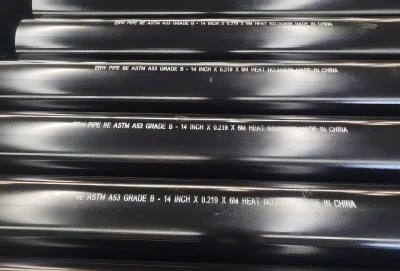
Understanding API 5L Gr B Pipe: Properties and Specifications
The API 5L Gr B pipe standard is a basic requirement for building pipelines in many different businesses. Knowing what it is made of helps engineers and buying managers decide if bending feasibility is a good idea.
Material Properties and Chemical Composition
The chemicals that make up API 5L Gr B pipe have a direct effect on how it bends. The highest amount of carbon is 0.28%, and the highest amount of manganese is 1.20%. This makes the metal strong and easy to work with. Phosphorus and sulfur are limited to 0.0300% each, which makes the metal less rigid and easier to join. This managed science makes sure that the material stays the same during the making process.
It has a minimum yield strength of 35,500 psi and a minimum tensile strength of 60,200 psi. These standards give enough strength for moderate-pressure uses while still allowing for enough freedom for changes to be made in the field. The material has great fracture toughness, which means it is less likely to break suddenly when it is treated correctly.
Product Specification Levels and Manufacturing Types
For API 5L Gr B pipe, there are two sets of product specifications. PSL1 has normal quality that works for most uses, but PSL2 has tighter testing rules, like Charpy V-notch impact testing that must be done for low-temperature service. Purchasing managers working on projects in difficult environments should ask for PSL2 to make sure that the work will be done reliably.
There are different ways to make things, such as smooth production for high-pressure situations and welded types like ERW, LSAW, and SSAW. Different production methods have different effects on how things move. When pipes are bent, seamless pipes usually have a more regular grain structure, while welded pipes need to be careful to keep the join seams in the right place.
Dimensional Standards and Tolerances
Pipe diameters can be anywhere from 1½ inches to 48 inches or even bigger, based on what the maker can do. Between Schedule 10 and XXS, wall sizes are different. These measurements have a big effect on bending operations. For example, bigger widths and thicker walls need more force and special tools. Tolerance standards make sure that the pieces always fit together correctly when they are welded in the field. This is especially important when bent pieces need to line up with straight pipe runs.
Can API 5L Gr B Pipe Be Bent? Principles and Practical Considerations
The ability to bend API 5L Gr B pipe depends on principles from material science and real ways to carry them out that keep the integrity of the pipeline.
Metallurgical Factors Affecting Bending Capacity
Ductility is the main property that lets something bend without breaking. The managed carbon level of API 5L Gr B pipe makes it flexible enough for most building situations. The outer radius goes through tension stress when it bends, while the inner radius goes through compression. The neutral line that runs through these zones doesn't change in stress very much. Knowing how this stress is distributed helps you set safe limits for bending.
The yield strength sets the limit beyond which the material will permanently break. When bending, the yield strength is deliberately pushed past in a controlled way, but the material must not get too close to its final tensile strength, which is where failure starts. Temperature also matters; when something is cold, it has a higher yield strength but less flexibility, but when it's heated, it has the opposite properties.
Cold Bending versus Hot Bending Methods
When cold bending, mechanical force is applied through mandrels, rollers, or ram-type tools while the temperature stays the same. This method works best for bend angles that aren't too steep or too shallow. One benefit is that you don't need any special tools for heat treatment, and the composition of the material doesn't change much. There are some problems, like the need for more force and more springback that needs to be adjusted for during setting.
Before applying bending force, the pipe piece is heated to about 900–1000°C in hot bending. This method greatly lowers the force needed and makes it possible to bend things more tightly. The higher temperature makes the material more flexible while briefly lowering its yield strength. But heat treatment changes the structure of the material's grains, which could affect its mechanical features. It may be necessary to do a post-bend heat treatment to get back the desired properties and ease any remaining stresses.
Recommended Bending Radii and Risk Mitigation
For cold bending, the minimum bending radius is usually five times the pipe diameter. For hot bending, it's three times the diameter, but tighter limits may be needed for certain projects. When curves are smaller, there is a greater chance that the wall will thin on the outside and wrinkle on the inside. Another problem is the formation of microcracks, which is more likely to happen when the material is cold and less flexible.
Quality control during bending includes checking the accuracy of the dimensions, keeping an eye on the wall thickness throughout the bend, and looking for flaws on the surface. Mandrels are used by skilled makers to hold the inner wall while it bends, which keeps it from collapsing or ovalizing too much. These guidelines have been used in real projects all over the Middle East and Australia, showing that they always lead to reliable bent parts that can last for decades.
Comparison of API 5L Gr B Pipe Bending with Other Pipe Grades
When buying teams compare API 5L Gr B pipe to other materials, it helps them find the best specs for their needs.
Grade B versus Higher-Strength Pipeline Grades
At 42,000 psi and 52,000 psi, higher types like X42 and X52 have higher output strengths. When it comes to bending, this extra strength comes at a cost. Higher-strength materials are less flexible, so they need bigger minimum bend angles to keep them from breaking. On top of that, they want more advanced tools that can use more force.
Because it is cheaper, API 5L Gr B pipe is better for uses where its power is enough. When you buy a lot of something, the price difference between grades becomes important. When working with hundreds of tons of pipe, projects can save a lot of money by making sure that the grade choice matches the actual stress needs instead of over-specifying the material strength.
Carbon Steel versus Stainless Steel Considerations
Stainless steel options are better at resisting rust, but they are a lot more expensive. When bending, austenitic steel types are very flexible, but you need to be careful that they don't harden too much during cold bending. Carbon steel API 5L Gr B pipe is still the most cost-effective option for places where rust isn't a problem because of surface coatings.
The choice matrix should compare the risk of corrosion to the available cash. Carbon steel can be used in buried pipes with the right coating methods for 50-year service lives. Even though it costs more at first, stainless steel may be worth it for projects that will be exposed to marine conditions.
Ensuring Quality and Compliance When Bending API 5L Gr B Pipes
Tough quality control rules make sure that the API 5L Gr B pipe is reliable during the bending process and for a long time afterward.
Non-Destructive Testing Methods
Ultrasonic testing finds internal breaks that can't be seen with the naked eye. This method works especially well after bending because it finds tiny cracks that could grow when the material is loaded and unloaded again and again. Radiographic testing keeps lasting records of the quality of the weld, which is necessary for regulatory compliance. Dye penetrant tests shows that both the inside and outside of the pipe have flaws that break the surface.
Using these NDT methods at planned times during production finds flaws before they become expensive fails in the field. Projects that follow the PSL2 guidelines have to meet certain testing requirements and frequency levels that make the whole system more reliable.
Mechanical Testing Protocols
In hydrostatic testing, parts of bent pipes are put under high internal pressure, usually 60% of the minimum yield. This proof test makes sure that the structure is strong and doesn't break. Impact testing checks how tough a material is at the temperatures it will be used at. This is especially important for installations in cold climates where the risk of weak fractures rises.
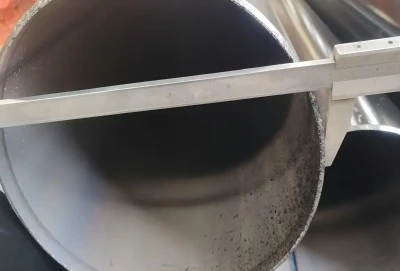
Dimensional verification makes sure that bent sections meet physical requirements such as limits on ovality and wall thickness consistency and correctness of bend angle. These measures make sure that the parts fit correctly when they are installed in the field, which makes welding easier and cuts down on possible leak tracks.
Certification and Traceability Requirements
Industry certificates from groups like ASME, API, and ISO set standard guidelines for managing quality. Suppliers who keep these licenses show that they are dedicated to uniform processes and ongoing growth. Mill test papers show the chemical make-up and mechanical properties of each heat of steel. This makes it possible to track the steel all the way from the raw material to the final product.
More and more, engineering companies working on big projects want providers to give them complete paperwork packages that include Material Test Certificates, Inspection and Test Plans, and Specifications for Manufacturing Procedures. This information proves that the rules have been followed and makes it easier for regulations to be approved in different countries.
Conclusion
In conclusion, when done with the right knowledge, tools, and quality controls, bending processes on API 5L Gr B pipe are completely possible. The material's balanced features allow for both cold and hot bending, which is important for building sites with a lot of moving parts. Engineers and procurement managers should carefully look at a manufacturer's qualifications, set clear testing guidelines, and think about value-added services that make the project completion process easier. When choosing materials for projects in oil and gas transportation, water systems, and industry, it's important to make smart choices that balance performance needs with cost concerns.
FAQ
Is cold bending safe for API 5L Gr B pipe without specialized equipment?
To avoid damage, cold bending needs the right tools. When you bend something by hand without using a machine to help, you might create stress buildup, wall shrinking, and tiny cracks that weaken the structure over time. When hydraulic pipe benders are used with the right mandrels, the forces are spread out properly, and reasonable tolerances are kept. Instead of trying to bend things quickly in the field, projects should hire skilled fabricators with written bending processes.
What is the smallest radius of bend that won't hurt Grade B pipe?
For cold bending, the minimum bend radius should be five times the outside diameter. For hot bending, it should be three times. Tighter angles raise the risk of failure by causing the walls to thin too much and crack. Based on the pressure class, service conditions, or code standards, some uses may need bigger radii. Talking to the pipe manufacturer about project-specific factors makes sure that the right specs are used.
Does bending affect manufacturer warranties or certification validity?
When qualified fabricators bend things in a certain way, following approved methods, the guarantee usually stays valid. But making changes in the field without the manufacturer's permission could void guarantees. API 5L approval only covers pipe that has already been produced; any changes made after delivery need their own paperwork. To make sure that everyone is held accountable and that certifications are kept up to date, procurement contracts should make it clear who is responsible for the quality of the bent part and whether the bending happens before or after delivery.
Partner with a Trusted API 5L Gr B Pipe Manufacturer
Longma Group is ready to help you with your pipeline building projects by providing you with high-quality API 5L Gr B pipe that can be bent. Our factory makes both ERW and LSAW pipes that meet API 5L PSL1 and PSL2 standards. We are ISO 9001 certified and have full quality control systems in place. We only get our raw materials from the best steel mills in the United States. This way, we can be sure that the chemistry and mechanical qualities of every batch are the same.
One of the services we offer that adds value is pre-bending manufacturing to your exact specs. This takes away the problems that come with bending in the field and speeds up the installation schedule. Anticorrosion coatings like 3LPE and FBE are put on in a controlled factory environment, which makes them safer than systems that are put on in the field. Complete paperwork packages with Mill Test Certificates, Inspection and Test Plans, and Material Test Certificates make it easier for regulators to approve projects and for projects to be audited.
Engineering support teams help you choose the right material, find the best bent radius, and plan for quality in a way that fits your application. Whether your job is moving oil and gas, setting up a water supply system, or installing industrial pipes, our technical knowledge can help you figure out what you need and how to buy it. Get in touch with info@longma-group.com right away to talk about your needs with skilled experts who are dedicated to meeting your deadlines for high-quality goods. You can see all of what we can do as a top api 5l gr b pipe provider at longma-group.com.