
Yes, ASTM A672 B65 pipe is explicitly designed and widely utilized for high-pressure service applications. Manufactured through electric-fusion welding using pressure-vessel quality carbon steel plate conforming to ASTM A515 Grade 65, this piping solution offers a minimum yield strength of 65 ksi (448 MPa), making it reliable for demanding pressure environments up to moderate temperatures. The B65 grade incorporates enhanced manganese content that elevates both yield and tensile strength, enabling it to withstand internal pressures that would challenge lower-grade alternatives. Its proven performance in power generation, petrochemical refineries, and heavy industrial systems demonstrates consistent reliability where pressure integrity is non-negotiable.
|
|
|
Understanding ASTM A672 B65 Pipe: Specifications and Properties
Chemical Composition and Material Series
That which makes up ASTM A672 B65 pipe is its Series B carbon-manganese base steel plate. Depending on the thickness of the wall, this carefully balanced chemistry usually has carbon levels between 0.28% and 0.33%, manganese levels between 0.85% and 1.20%, and silicon levels between 0.15% and 0.40%. The higher manganese content compared to B60 types makes the solid structure stronger, which directly leads to higher yield strength without affecting weldability, which is very important when making large-diameter pipe systems. This chemical balance makes sure that the grains stay stable at high temperatures while still being flexible enough for fabrication operations in the field. The limited amount of silicon helps deoxidation happen during the steelmaking process. This lowers the risk of pores and makes the structure more uniform across thick-wall sections.
Mechanical Properties and Strength Parameters
This pipe is welded with electricity and has a minimum yield strength of 65 ksi (448.17 MPa) and a tensile strength between 450 and 585 MPa (65 to 85 ksi). Based on these numbers, the B65 grade is definitely a high-performance material that can be used in pressure-bearing situations. The material has excellent high-temperature creep resistance, so it can be used for a long time at temperatures up to 390°C (734°F) without losing its structural integrity. This thermal stability is very useful in places like steam headers and industrial process lines where temperatures are constantly changing. Through guided-bend testing of the longitudinal weld, the ductile properties make sure that the fusion zone matches or exceeds the hardness of the base metal, which is a must for pressure service certification.
Heat Treatment Processes and Quality Classes
The ASTM A672 standard divides pipes into three separate classes: 12, 22, and 32. Each class has its own set of rules for heat treatment and inspection levels. In Class 12, stress-relieving heat treatment is used to lower the stresses that were created during cold forming and welding. Class 22 needs to be normalised, which smooths out the grain structure and makes the pipe wall's mechanical features the same all the way through. Class 32 requires both normalising and hardening, which gives the best hardness for high-pressure uses. These heat treatment methods directly make things last longer by reducing the amount of internal stress that could cause fatigue cracks when pressure is applied and removed over and over again. Professionals in procurement should choose the right Class based on the conditions of use. For example, Class 32 is best for high-pressure steam service, where protection to heat shock is most important.
Dimensional Standards and Manufacturing Methods
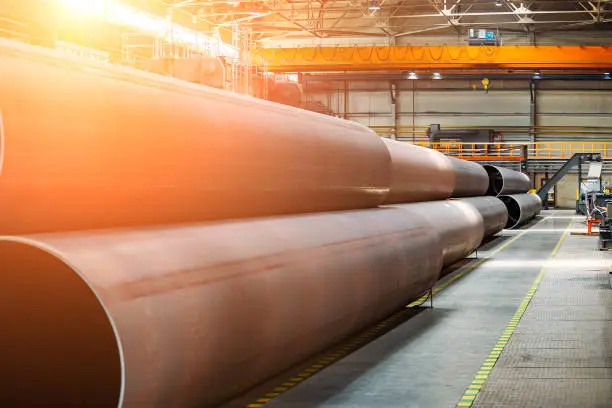
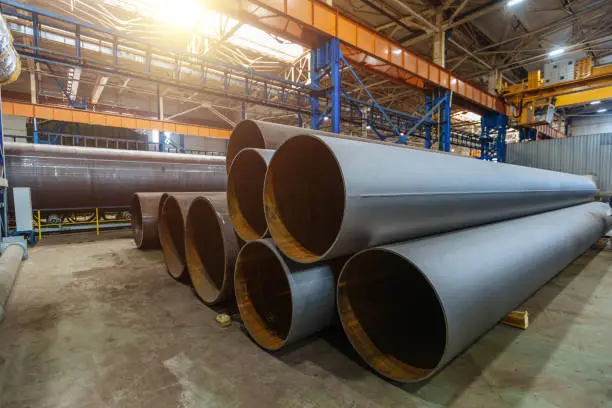
Tight size limits are necessary for field assembly speed when pipes are electric-fusion welded. Wall thickness regularity, out-of-roundness limits, and straightness standards make sure that everything fits perfectly during installation. This cuts down on the time and money needed for welding and joint preparation. In the production process, longitudinal submerged arc welding (LSAW) is used. This type of welding creates a narrow, constant heat-affected zone with less distortion than spiral-welded options. This straight-seam orientation lines up weld zones consistently, which makes non-destructive testing easier and makes it easier to track weld joints during service inspections. Pressure-vessel quality plate can be used to make large-diameter, thick-wall designs. This solves a problem in the industry where making seamless pipes above a certain size becomes too expensive.
Evaluating ASTM A672 B65 Pipe for High Pressure Applications
Mechanical Strength Parameters in Pressure Service
The minimum yield strength of 65 ksi gives the material a lot of pressure-bearing power, which lets smaller walls be used in the same pressure situations as B60 grade materials. This strength benefit means lighter pipes, lower transportation costs, and less work for installers, all of which have a big effect on the overall cost of large-scale pipeline installs. Engineers can use the higher pressure resistance to get the best wall thickness estimates based on ASME B31.3 or ASME B31.1 codes. This could cut material use by 8–12% compared to lower-strength options while keeping the same safety limits. Because normalised plate stock has great structural consistency, it works reliably in thick-wall, heavy-load, large-diameter designs where even pressure distribution inside is important to avoid stress builds up in one place.
Comparative Analysis with Alternative ASTM Standards
When compared to ASTM A53 (a standard pipe for mechanical and pressure uses), ASTM A672 B65 pipe has better pressure rating capabilities because it is made from pressure-vessel quality material and has to go through required heat treatment. While ASTM A106 seamless pipe is strong, it becomes too expensive to use above a 24-inch diameter. Electric-fusion-welded B65 pipe, on the other hand, can still be used economically above a 60-inch diameter. The B65 grade of electric-resistance-welded pipe is better than ASTM A135 because it has stricter weld inspection standards and heat treatment verification, which gives you more trust for critical pressure service. The API 5L line pipe standards are mostly for transportation uses and have different design ideas. The A672 B65 standards are for stationary pressure vessels and high-pressure piping systems and have stricter quality requirements.
The B65 grade works especially well in medium- to high-pressure steam headers that are used all the time at 300–390°C. These harsh temperature conditions make it hard for materials to fight creep. The carbon-manganese chemistry and normalised microstructure of B65 pipe show clear benefits in this area. The grade is good for petrochemical refineries that use distillation columns and process vessels because it can hold volatile hydrocarbons under pressure and not get damaged by starting up and shutting down many times.
Real-World Performance Data
The MOBIL OIL AUSTRALIA sites have shown that B65 pipes work well in offshore platform building, which includes areas with high water pressure, corrosive seawater, and heavy mechanical loads. This pipe type is used in boiler auxiliary circulation systems at power plants all over Southeast Asia. The high pressure, high temperature, and water chemistry requirements make for tough working conditions. When properly designed and fitted, these field applications have a failure rate figures that are much lower than general-purpose carbon steel alternatives in the same service conditions. They have multi-decade service lives.
How to Make the Right Choice: ASTM A672 B65 vs Other Carbon Steel Pipes
Performance Requirements and Design Conditions
The process of choosing materials starts with defining all the operating parameters, such as the highest pressure that can be used, the temperature range that is intended, the fluid properties, and the loading patterns that happen over and over again. ASTM A672 B65 pipe can be used in places where the temperature is close to 390°C and the pressure is higher than 1000 psi. This is because standard grades don't have enough safety margins in those situations. The normalised microstructure is better at resisting wear under pressure cycles than as-rolled materials. This means that systems that start up and shut down often will have longer service lives.
Corrosion allowances need to take into account both the chemistry of the fluid inside and the environment outside. B65 pipe has good corrosion protection for many hydrocarbon and steam uses, but places with a lot of rust may need better materials or protective coatings. The base carbon-manganese chemistry is better at resisting corrosion than plain carbon steels because the normalising treatment smooths out the grains. However, it is still weak in acidic environments and needs to be upgraded to chrome-moly alloys in line with ASTM A691 standards.
Lifecycle Cost Analysis and Long-Term Value
When making purchasing decisions, it is important to weigh the initial cost of the materials against the total cost of ownership. Premium-grade piping often gives a better return on investment through longer service intervals and fewer maintenance needs. The higher pressure capacity of B65 grade allows for thinner walls, which uses less material. However, the required heat treatment and checking raise the cost of processing. Because of this trade-off, B65 is usually the best choice for projects that need to reduce weight, like offshore platforms, elevated piping racks, and long-span bridge crossings. It's also the best choice when operational flexibility is needed, like when higher pressure ratings allow for future process changes without having to replace pipes.
Estimates of maintenance costs should include how often inspections need to be done. For example, pressure systems need to be checked for damage, tested for hydrostatics, and have their wall thickness checked on a regular basis. Materials that are more stable over time reduce the number of unexpected shutdowns and emergency fixes that cost a lot more in lost production than the difference in material costs. Scheduling replacements based on corrosion-related wall thinning or fatigue crack spread has a big effect on total ownership costs over the lifetimes of many decades of a facility.
Application-Specific Recommendations
ASTM A672 B65 pipe is the best choice for medium- to high-pressure steam heads in power plants because it balances strength, heat stability, and cost-effectiveness. The grade's structural integrity and weld quality assurance protocols help petrochemical process units that work with volatile hydrocarbons under pressure. Heavy-duty circulation pipe in boiler support systems takes advantage of the material's ability to keep working at high temperatures for a long time. When building an offshore platform, the lighter weight that comes from higher allowable stresses is valued because it cuts down on the need for structural support and the cost of installation.
Conclusion
ASTM A672 B65 pipe is a tried-and-true option for high-pressure service uses that need solid performance at normal temperatures. The chemical makeup was carefully planned, it has to be heated, and there are strict quality control rules that make sure the structure is strong enough for important industrial systems. This grade is great for large-diameter pipe projects where seamless options aren't practical because it strikes a good balance between mechanical strength, weldability, and cost-effectiveness. Professionals in procurement can make sure that a project is successful by understanding the details of the specifications, the benefits of one material over another, and the criteria for qualifying suppliers. Working with well-known companies that offer detailed instructions, quality control certifications, and records of past successful work in the field can help lower the risks that come with installing pressure pipes.
FAQ
1. What pressure ratings can ASTM A672 B65 pipe handle?
Asme pressure vessel code calculations show that ASTM A672 B65 pipe can safely handle pressures above 1000 psi. The exact ratings depend on the wall thickness, diameter, and design temperature. The minimum yield strength of 65 ksi gives designers a lot of room to work with high-pressure steam, process fluids, and hydrocarbons. Engineers use code-required methods that take into account material strength, corrosion limit, and any safety factors that apply to figure out the maximum working pressure.
2. Which certifications validate ASTM A672 B65 pipe quality?
Genuine suppliers give Material Test Certificates that prove the chemical make-up and mechanical properties, as well as radiographic examination reports that show the integrity of the weld, hydrostatic test records that show the ability to withstand pressure, and heat treatment certifications that show the number of thermal processing cycles. Third-party inspection reports, ISO 9001 quality management system approval, and API 5L accreditation, if available, all add to the peace of mind. Full paperwork that links finished pipes to heat numbers on raw materials makes it possible to check the quality all along the supply chain.
3. How does corrosion resistance compare with seamless carbon steel pipe?
Because they are both made of carbon-manganese, ASTM A672 B65 pipe and ASTM A106 seamless pipe have similar corrosion resistance. As compared to as-rolled materials, the normalised heat treatment may improve rust protection by finetuning the structure of the grains. When the right welding and heat treatment steps are taken, the rust performance in the weld zone fits the properties of the base metal. No matter the way of production, places that are very corrosive may need protection coatings or changes to materials like alloy steels.
Partner with Longma Group for Certified ASTM A672 B65 Pipe Supply
Choosing a trustworthy ASTM A672 B65 pipe maker has a direct effect on project timelines, quality control, and the long-term success of your business. Since 2003, Longma Group has provided certified pressure piping solutions to more than 90 countries. This is made possible by their comprehensive quality management systems, which include API 5L, ISO 9001:2016, and certifications that are recognised by the industry. Our factories keep full records of all the steps they take, from getting the best raw materials from Shagang, TISCO, and Bao Steel to identifying each finished pipe. This makes sure that every metre meets strict requirements. Weld quality for high-pressure uses is guaranteed by advanced heat treatment capabilities and high-tech inspection tools, such as automatic radiography systems.
We offer full documentation packages that meet the needs of engineering contractors all over the world. These packages include Inspection and Test Plans, Manufacturing Procedure Specifications, and Material Test Certificates. Our expert team helps choose the right materials, figure out what the specs mean, and do application engineering to make sure that the pipe system works as well as it can. Competitive pricing structures show that production can be scaled up to more than 1,000,000 tonnes per year while still meeting the quality standards needed for critical pressure service.
You can talk to our procurement experts about your high-pressure pipe needs, get detailed data sheets, or get quotes that are tailored to your project by emailing info@longma-group.com. If you need standard shapes or special fabrication services like welding, coating, and end treatments, Longma Group has the approved ASTM A672 B65 pipe supply options that will keep your projects on schedule and within budget.